
ADU Constructionin Temple City, CA
ADU construction in Temple City is approved ministerially, and the City's code and state law both give a 60 day clock after a complete application. The City text we could read is dated, and two newer ADU ordinances, 26-1087 and 26-1091, were not readable. Confirm every size, height and setback number with Planning before you design.
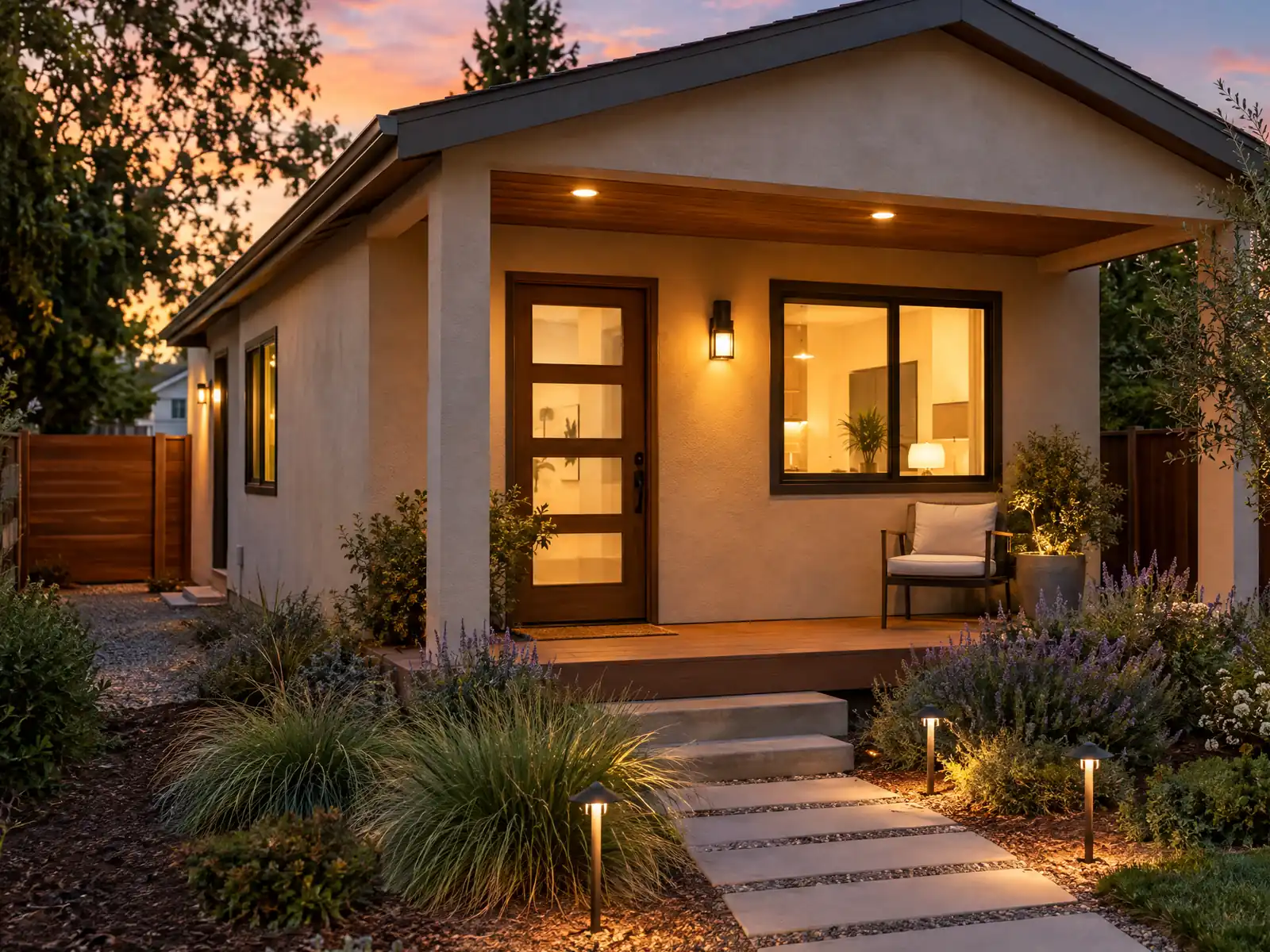
Temple City's lots were platted as a townsite in 1923, and the Census Bureau's 2024 five-year estimates count 9,652 single-family detached houses among 11,992 housing units, 80.5 percent of the total. The 1950s built 3,530 of all units, and the median owner-occupied value is $961,800. A garage or backyard on a lot like that is the obvious place for a second home, so ADU construction here comes down to what the City and the state allow.
This page covers which rulebook governs, garage conversions, size and setbacks, the City's design standards, who can live in a unit, fees and utilities, and legalizing an old unit. Municipal Code text comes from GoCodebook, a third-party mirror, because the official American Legal site blocked our tools, and the mirror's ADU section shows amendments only through 2020. Price ranges and phases are on our ADU construction page.
Temple City Planning and Building rules that apply to ADU construction
Where adu construction permits come from in Temple City: City of Temple City Community Development Department, Building & Safety Division.
- Temple City's ADU section (9-1T-13, gocodebook copy showing amendments only through Ord. 20-1048) says ADU and JADU applications are reviewed ministerially and approved or denied within 60 days of a complete application; a JADU is limited to 500 square feet, a studio, with owner occupancy; a detached new-construction ADU needs 4 foot side, street side and rear setbacks, a 16 foot height and a 9 foot top plate; no ADU may be under 220 square feet; and size caps run 600 square feet (studio), 850 (one bedroom) and 1,000 (two or more bedrooms). The City amends this section from time to time, so confirm current numbers with Planning.
- Under 9-1T-13.E and F, an automatic fire sprinkler system is required for an ADU unless sprinklers are not required for the primary dwelling; ADUs of 750 square feet or more pay park construction fees; short-term rentals under a month are prohibited; and design standards (applied if feasible) ask for doors not visible from the public right-of-way, a covered porch or recessed entry at least 3 feet deep, garage door removal and sealing in a conversion, a view-obscuring 6 foot wall or fence along the side and rear lines nearest the ADU, 15-gallon privacy hedges 5 feet on center, and consistency with the main house's roof pitch, windows, materials and paint colors.
- The City's AB 2533 page sets a streamlined path for legalizing an ADU or JADU built or converted before January 1, 2020: file the AB 2533 application and a Substandard Housing Inspection Checklist, obtain and record a covenant through the Planning Division, and submit proof of construction date, site plan, floor plan, photos and the fee. The checklist must be completed by a California licensed General Contractor (B license), architect or engineer, and violations found must be corrected under plans and permits.
- The Planning page links the City's Pre-Approved ADU Plans page, and the Handouts page lists an ADU Frequently Asked Questions handout; neither page shown gives fees or unit sizes.
Build an ADU in Temple City: do the City's code, newer ordinances or state law apply?
Start with state law, because it wins where a local rule conflicts. Government Code section 66317 requires an ADU permit to be considered and approved ministerially, without discretionary review or a hearing. The City's own section, Municipal Code 9-1T-13, says the same and sets 60 days from a complete application. The GoCodebook copy of that section shows amendments only through Ordinance 20-1048.
Search results also name Ordinance 26-1087, which one result ties to SB 543, and Ordinance 26-1091 as ADU amendments. We could not open either, because American Legal returned an error to our tools, so every number below carries a confirm-with-Planning note. The City's ADU and JADU permitting page and its Planning page are the places to ask. Under the 2026 state rules the City owes a written completeness answer within 15 business days, and only then does the 60 day clock matter.
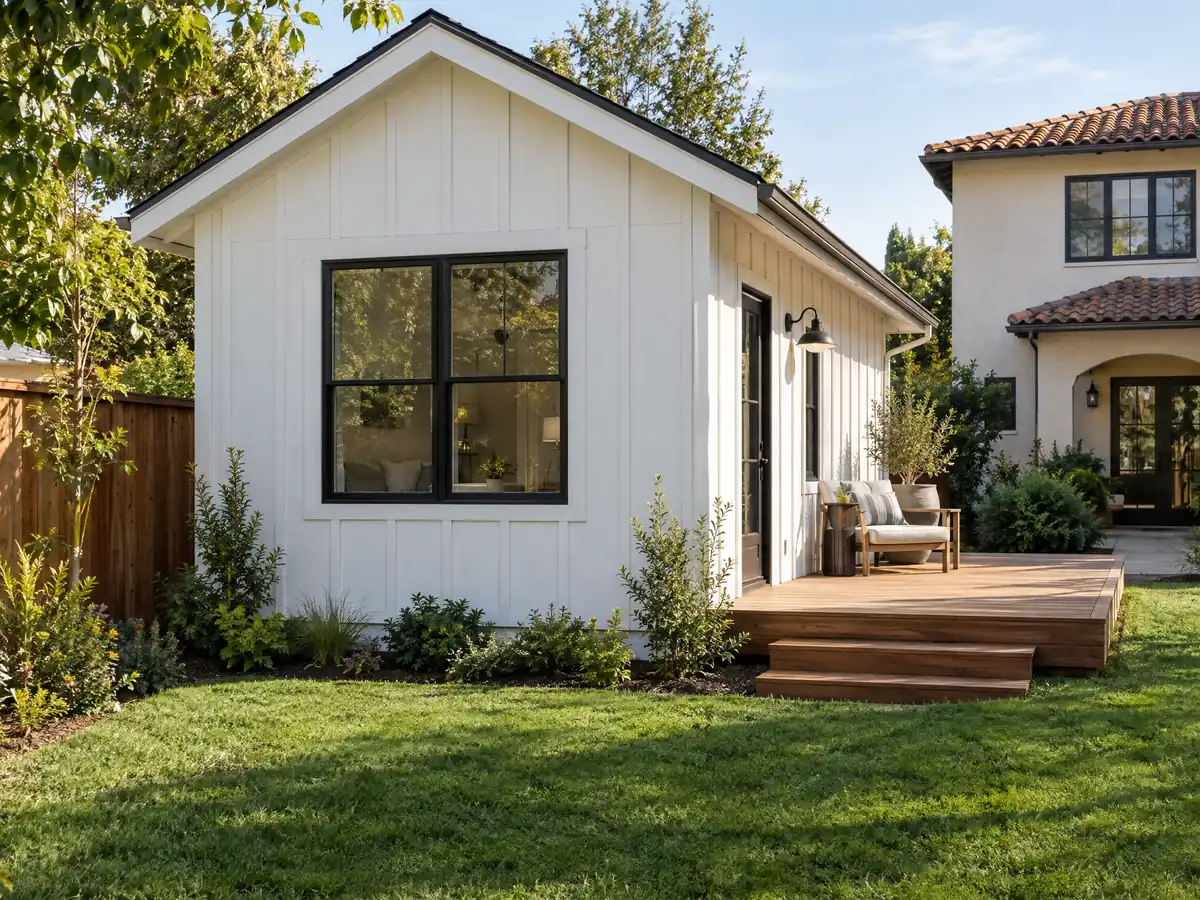
Garage conversion ADU on a Temple City lot: what state law protects
Section 66323 requires the City to approve an ADU and a JADU converted inside an existing house or accessory structure, a garage included, with up to 150 square feet added only for entry and exit. A converted structure needs no new setback, and no replacement parking is required when a garage is converted. Single-family detached houses are 80.5 percent of the units here, so the garage question will come up on a large share of lots.
The City's design standards, applied where feasible, ask for the garage door to be removed and sealed, an entrance that cannot be seen from the street, and a recessed entry or covered porch at least 3 feet deep. Sprinklers are required in the ADU unless the main house does not need them. We found no Temple City garage conversion checklist, so our garage conversion permit guide is a general reference from Los Angeles, not a statement of local rules.
How big can an ADU be in Temple City, and how close to the fence can it sit?
The mirror text of 9-1T-13 disagrees with itself. One paragraph says a detached new-construction ADU may not be more than 800 square feet, and another caps units at 600 square feet for a studio, 850 for one bedroom and 1,000 for two or more, with 220 as the minimum. State law overrides: a city may not cap an ADU below 850 square feet, or 1,000 if it has more than one bedroom, and must still allow 800 square feet with 4 foot side and rear setbacks. The statute lets detached units reach 1,200 square feet.
The City text asks a detached unit for 4 foot side, street side and rear setbacks, a 16 foot height and a 9 foot top plate. State law sets 16 feet as the height a city must allow, and 18 feet near major transit. Section 9-1G-12.F also limits an R-1 lot to one accessory structure in the rear half of the lot, and the mirror counts ADUs inside that limit, so ask Planning how it fits with the state protections. A JADU is capped at 500 square feet inside the house.
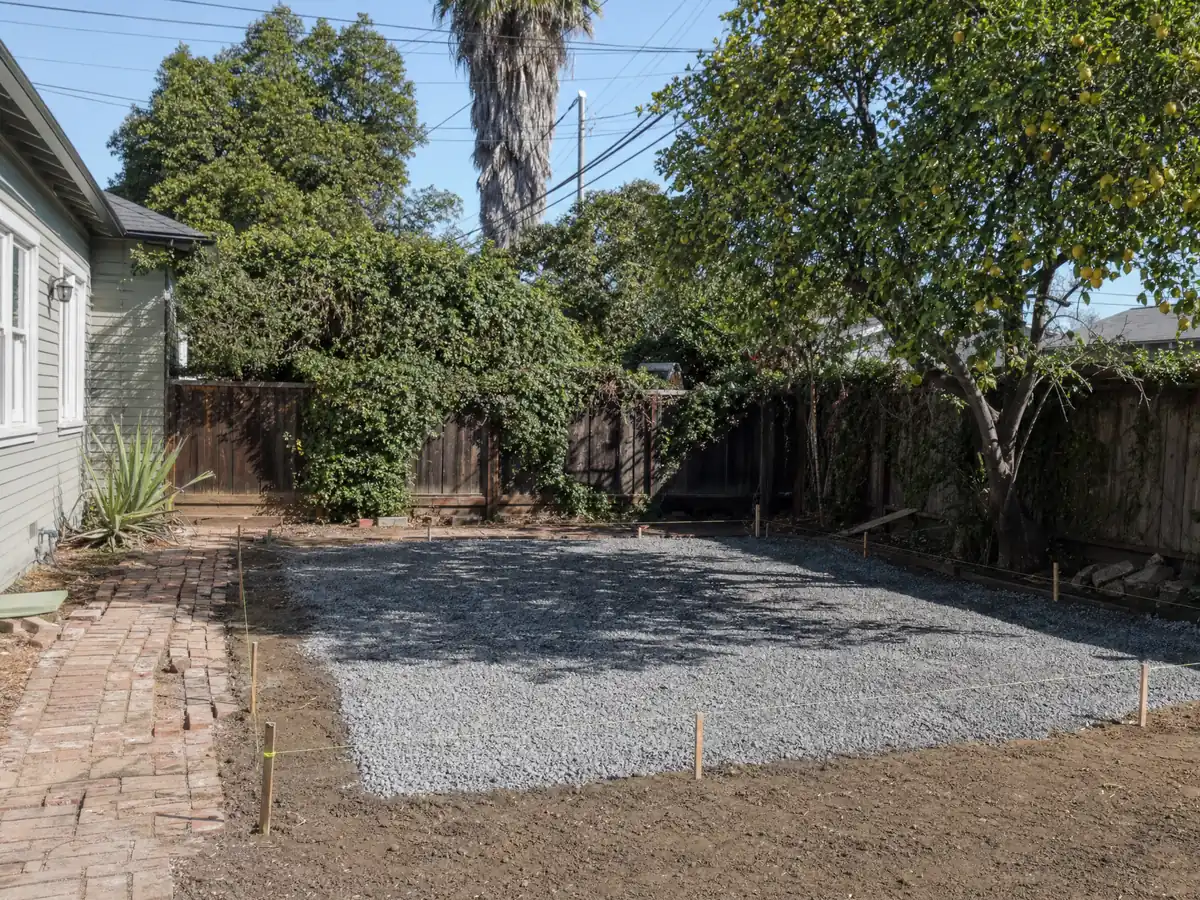
ADU design standards in Temple City: privacy hedges, roof pitch and the 6 foot fence
Where feasible, section 9-1T-13 asks for a view-obscuring 6 foot wall or fence along the side and rear lines nearest the ADU, 15-gallon privacy hedges planted 5 feet on center, and a roof pitch, windows, materials and paint colors that match the main house. Rules about how a lot looks go back to the beginning here, since a promotional pamphlet from about 1928 pledged restrictions on what could be built.
Because state law allows only objective standards for an ADU, ask Planning which of these are binding and which are guidance. A gate or wall on the path to the unit follows 9-1N-3: 36 inches view-obscuring or 42 inches open in a front yard, and 6 feet elsewhere on an R-zoned lot, with corner cutback triangles kept clear. Public street trees add another limit, since 3-4D-8 bars fences or walls that impede them and requires a City permit to trim or remove one.
Who can live in an ADU or JADU in Temple City, and can you rent or sell it?
State law does not require owner occupancy for an ADU and lets a city require rentals of 30 days or longer. Temple City's section prohibits short-term rentals under a month. Renters are already 37.1 percent of occupied homes here, 4,244 of 11,454, so a long-term unit fits the housing mix.
A JADU is different. Under section 66313(d), as AB 1154 changed it from January 1, 2026, owner occupancy is required only when the JADU shares sanitation facilities with the main house. The mirror text of the City section calls for owner occupancy, and it was written before that change, so confirm which applies. An ADU also cannot be sold apart from the main house, except to a qualifying low-income buyer through a nonprofit or under a condominium ordinance the City has adopted. We did not check whether Temple City has adopted one.
ADU fees, utility connections and sprinklers in Temple City
State law bars an impact fee on an ADU of 750 square feet or less, and above that fees must be proportional to the main house. The City's text says ADUs of 750 square feet or more pay park construction fees, so the two rules draw the line differently at exactly 750 and the question is worth asking. Plan check and permit fees, apart from encroachment permits, are 120 percent of Los Angeles County's fees, and the City publishes no dollar figure.
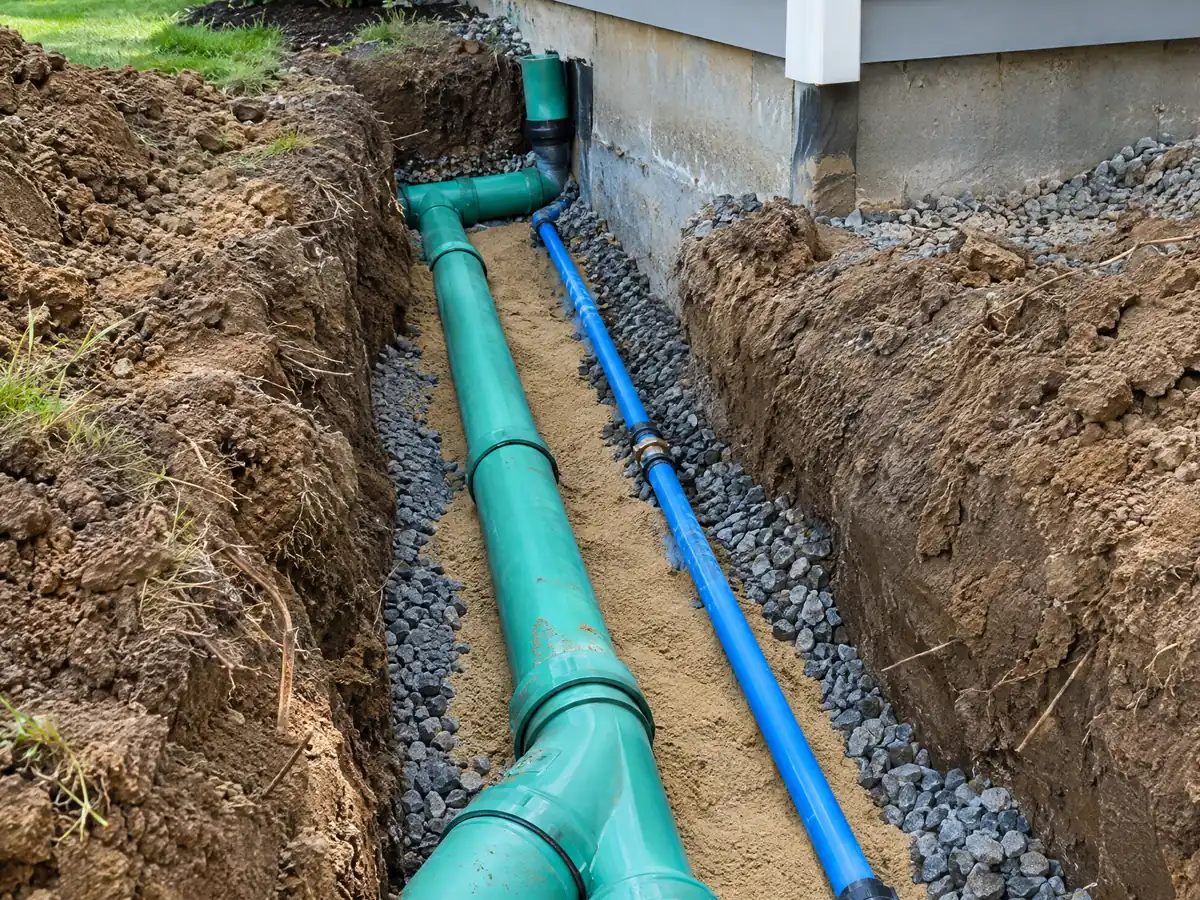
Utility connection and capacity charges sit outside the impact fee exemption, although a conversion of existing space cannot be forced to take a new connection. A sewer or water line that crosses the sidewalk or street is right-of-way work, which Building & Safety handles through an encroachment permit. We did not research who supplies water, sewer or power at a given address, or what a panel upgrade requires, so ask each provider. The Energy Code requires solar panels on a newly built detached ADU, per HCD's handbook, but not on a conversion.
Legalizing an unpermitted ADU in Temple City: the City's AB 2533 path
For an ADU or JADU built or converted before January 1, 2020, the City's page lays out a streamlined route. File the AB 2533 application and a Substandard Housing Inspection Checklist, record a covenant through the Planning Division, and submit proof of the construction date, a site plan, a floor plan, photos and the fee. A California licensed General Contractor (B license), architect or engineer must complete the checklist, and any violation found has to be corrected under plans and permits.
The state rule behind it, section 66311.7, bars a city from denying a permit for a pre-2020 unit over building-code violations unless correction is needed to cure a substandard condition under Health and Safety Code 17920.3, and it allows a confidential third-party inspection. MDG Builders, CSLB #1040337, holds a general building license, which is one of the roles the City names for the checklist, and we would bring in licensed subcontractors for any correction work.
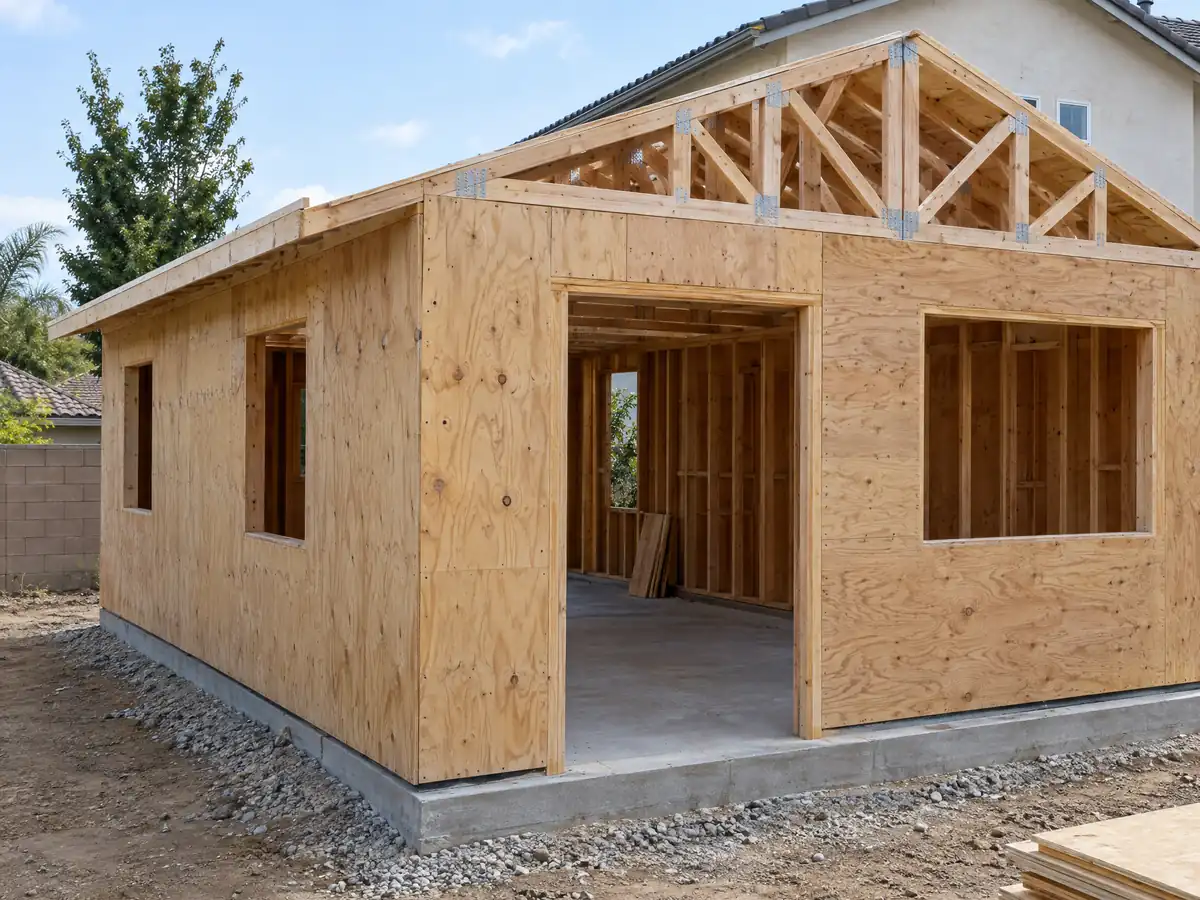
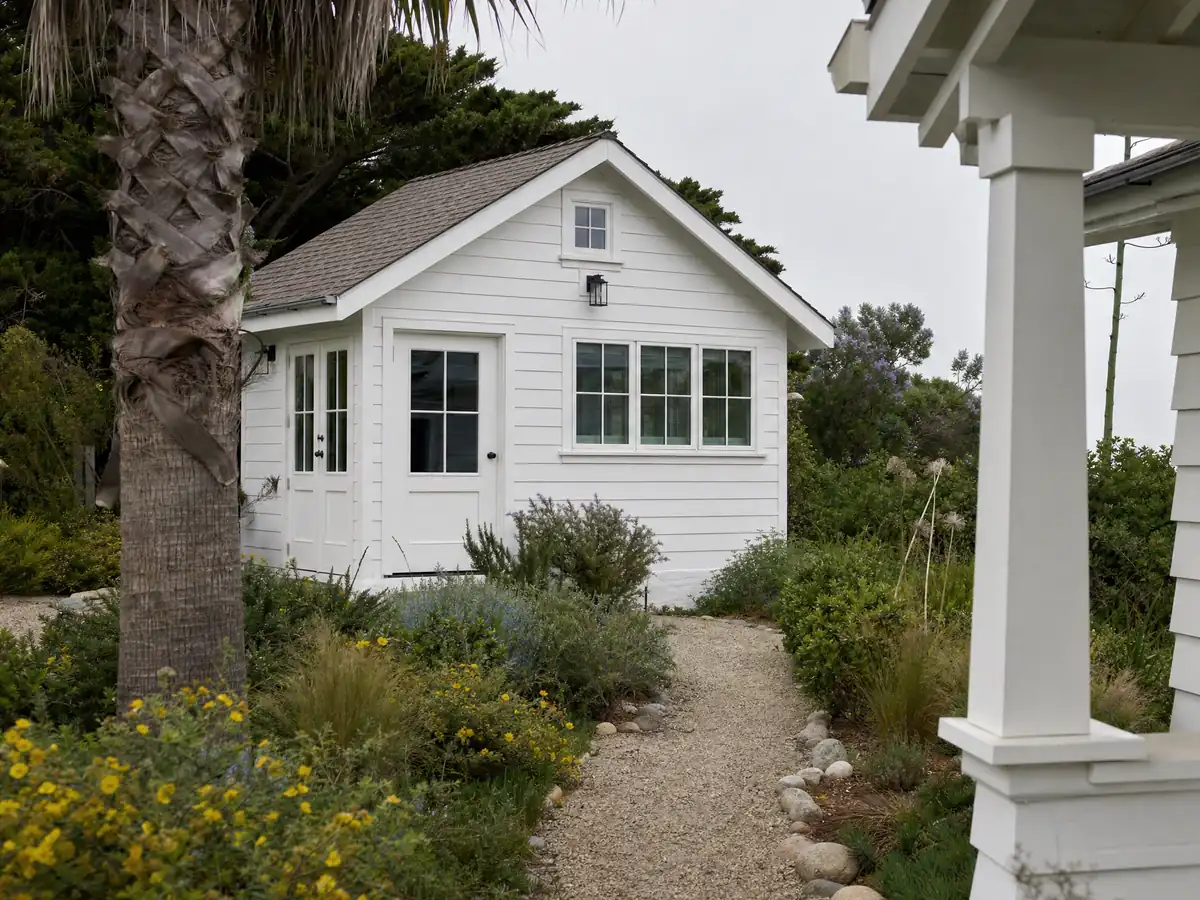
ADU photos from Temple City and nearby homes
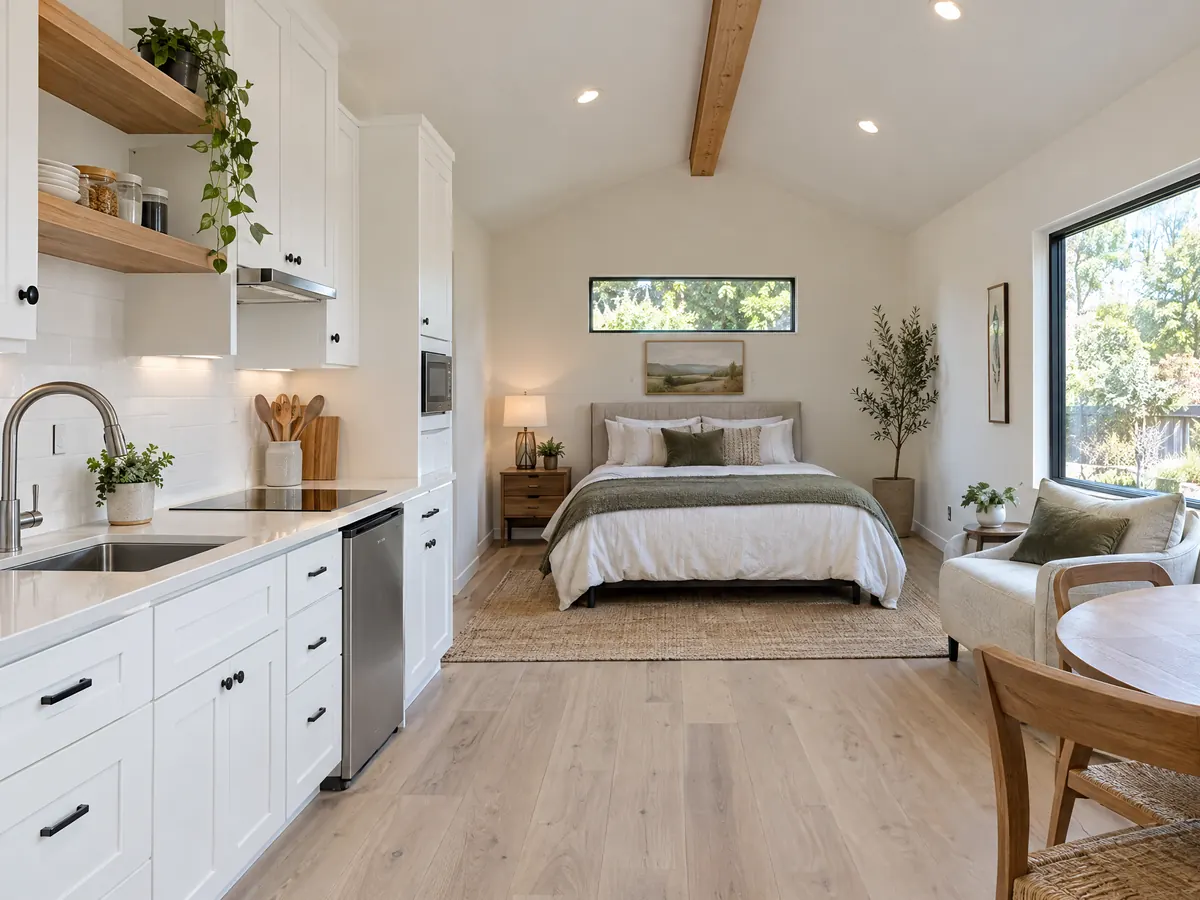
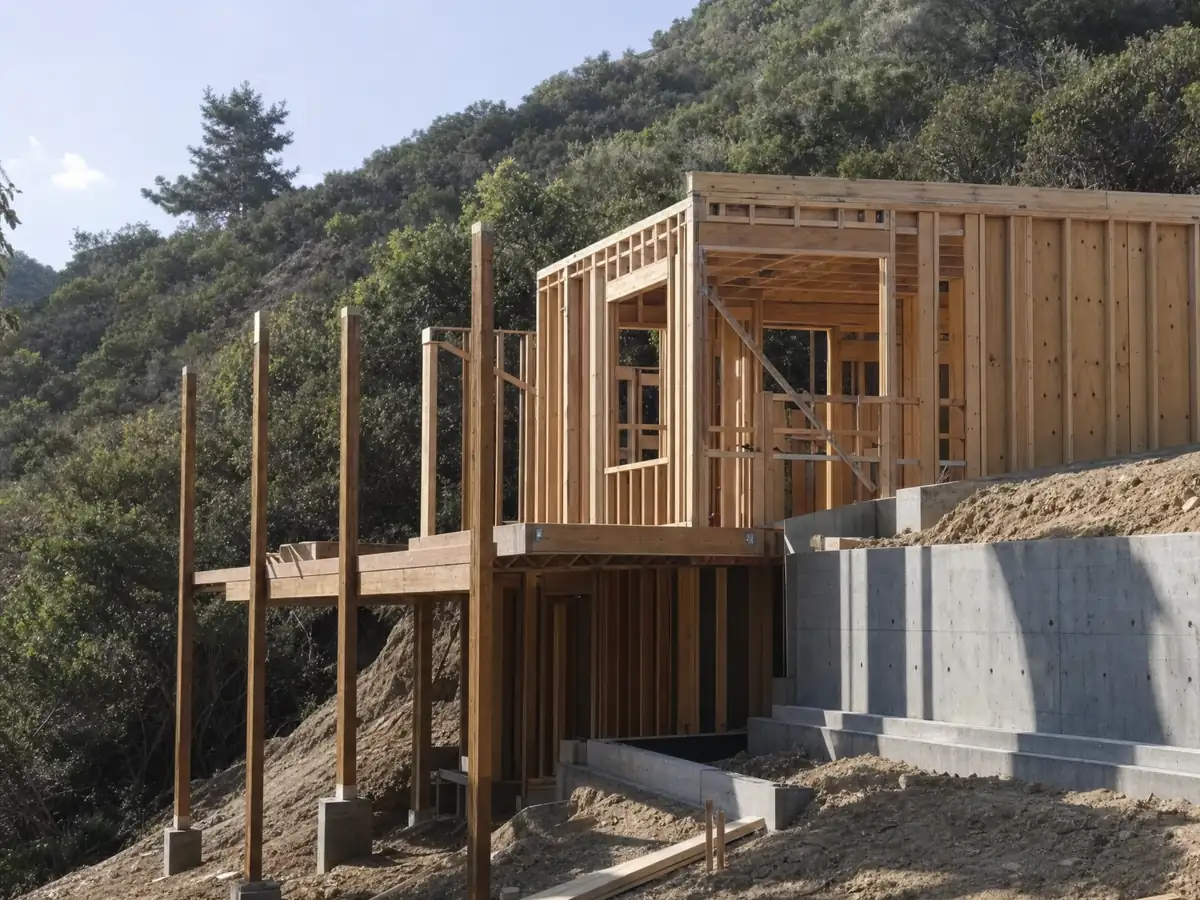
ADU scenes tied to Temple City and the communities around it, from garage conversions and slabs to finished studios. Tap a photo to enlarge it.
What adu construction costs around Temple City
Our ADU construction page sets two working ranges: about $100,000 to $200,000 to convert a garage into a studio or one-bedroom unit, and about $200,000 to $400,000 for a new detached ADU of 400 to 800 square feet. Three independent sources set those ranges: a UC Berkeley survey of Los Angeles County projects from 2018 and 2019, with a median of $100,000, garage units near $90,000 and detached units near $180,000; a 2020 Terner Center estimate of $148,000 for Los Angeles; and the 2025 Cost vs. Value report, which put the job at $178,536 and about 39.9 percent recouped at resale. None describes a Temple City quote, and the City prints no ADU fee, so permit, plan check, utility and impact charges are separate lines in a proposal. The ADU cost guide explains the drivers, the ADU versus JADU guide compares the two unit types, and the addition versus ADU guide helps when the lot could take either. Neighbors apply state law in their own ways, so compare ADU construction in Arcadia, San Gabriel, Rosemead, El Monte, Alhambra and Pasadena. A bathroom inside the unit is on our Temple City bathroom page, a larger attached space on the Temple City room addition page, and the Temple City area page lists every trade we cover in the city.
| What it covers | Typical range |
|---|---|
| Garage conversion to a studio or one bedroom | $100,000 to $200,000 |
| New detached ADU, 400 to 800 sq ft | $200,000 to $400,000 |
| UC Berkeley survey, Los Angeles County median, 2018 and 2019 projects | $100,000 overall. $90,000 garage. $180,000 detached. |
| Terner Center and Berkeley CCI, 2020 | $148,000 Los Angeles estimate. $167,000 statewide average. |
| Remodeling Cost vs. Value 2025, Los Angeles | $178,536 job cost |
| Electrical and plumbing, Angi Los Angeles, January 2026 | Electrical $2,600 to $7,800. plumbing $3,900 to $10,400. |
| City permit and plan check fees | Not priced here |
Other work we manage in Temple City
Temple City ADU questions, answered
Can I build an ADU in Temple City?
Yes. State law requires the City to approve ADU applications ministerially, and Temple City's own section 9-1T-13 says the same, with 60 days to act on a complete application. Size, setback and height numbers in the City text may have changed through Ordinances 26-1087 and 26-1091, which we could not read, so confirm them with Planning before design.
How big can an ADU be in California?
A city may not cap an ADU below 850 square feet, or 1,000 if it has more than one bedroom, and must allow 800 square feet with 4 foot side and rear setbacks. A detached unit can reach 1,200 square feet under the statute. Temple City's code text lists different caps, so ask Planning which number governs your lot.
How much does it cost to build an ADU in California?
Budget about $100,000 to $200,000 to convert a garage and $200,000 to $400,000 for a new detached ADU of 400 to 800 square feet. They are blended from a UC Berkeley survey, a Terner Center estimate and Remodeling magazine's 2025 report, and none is a Temple City quote. A written proposal is where your actual number appears.
Do I need to provide parking for my ADU?
Usually not. State law requires no replacement parking when a garage, carport or covered space is converted or demolished for an ADU. Otherwise a city may ask for one space per unit or bedroom, whichever is less, and none at all near transit, in a historic district, or for a unit inside the house or an existing accessory structure.
What is the difference between an ADU and a JADU?
A JADU is a unit of up to 500 square feet carved out of the single-family house, with an efficiency kitchen and its own entry, while an ADU can be a separate building of up to 1,200 square feet. Owner occupancy is required for a JADU only when it shares a bathroom with the main house.
Can I rent out my ADU or sell it separately?
You can rent it, but selling it separately is generally off the table. State law lets a city require rentals of 30 days or longer, and Temple City prohibits rentals under a month. An ADU cannot be sold apart from the house, except to a qualifying low-income buyer through a nonprofit or under a city-adopted condominium ordinance.
How long does it take to get an ADU permit?
After a complete application, the City must approve or deny within 60 days, and under the 2026 state rules it must also say within 15 business days whether the application is complete. Design, plans and corrections come before and after that clock, so the whole path usually takes months, and vendor claims of exact weeks are not official.
Do I need a permit to convert my garage into an ADU?
Yes. State law requires the City to approve a garage conversion, but it is still permitted construction with plans and inspections. Sprinklers are needed only if the main house requires them, and the City's design standards ask for the garage door opening to be sealed. Ask Building & Safety for its current checklist.
Can I convert an unpermitted garage conversion into a legal ADU?
Possibly. For a unit built or converted before January 1, 2020, Temple City's AB 2533 page sets a path: an application, a Substandard Housing Inspection Checklist completed by a licensed general contractor, architect or engineer, a recorded covenant and proof of the construction date. Any violations found must still be corrected under permit.
Tell us about your Temple City ADU plans
Tell us which part of Temple City you are in, whether you are weighing the garage or the backyard, and how old the house is, and we will start the first visit with the City's review steps.