
Flooring Installationin Temple City, CA
Flooring installation in Temple City is usually permit-free: Municipal Code 7-1-2 lists carpet, vinyl, tile and similar floor coverings as exempt, per a third-party copy of the code. The real work sits underneath, because 74.6 percent of homes predate 1980, so old vinyl, mastic and painted baseboards deserve testing first.
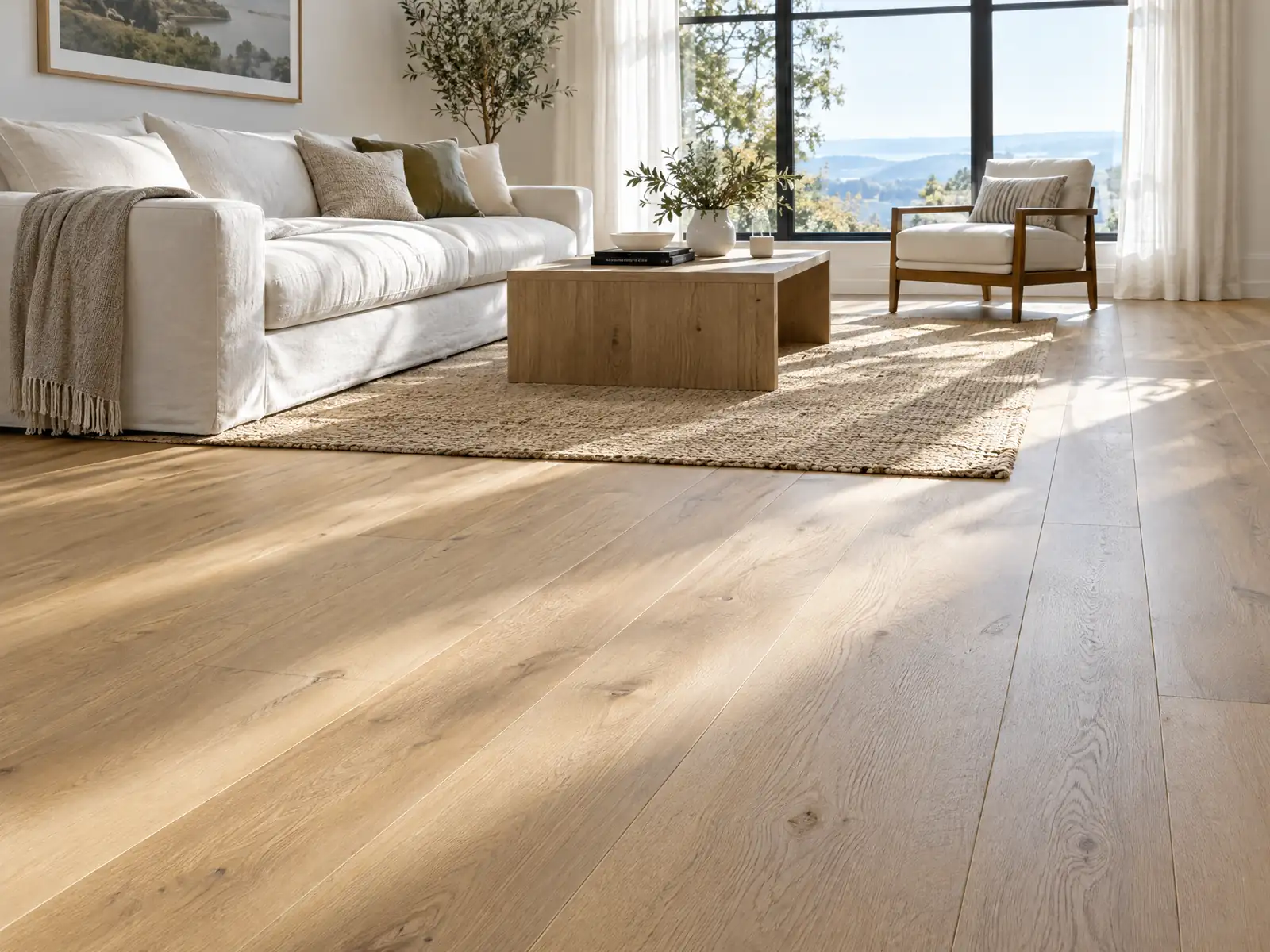
Temple City began as a sales pitch. Walter Temple bought land from Lucky Baldwin's Rancho Santa Anita in 1923 and platted the Temple townsite, and a pamphlet from about 1928 promised building restrictions to keep out costly mansions and unsightly homes. The post-war boom did the rest, and voters approved incorporation on April 26, 1960, at a population of 31,838. Census estimates for 2020 to 2024 count 11,992 homes, and the 1950s built the most of them: 3,530 units, 29.4 percent.
MDG Builders, CSLB #1040337, is a general contractor in Tarzana. We write the scope, ask the Building & Safety counter the permit questions and book a licensed flooring or tile subcontractor to do the laying. Materials and ranges are on the flooring page, and the Temple City overview lists the other trades we manage here.
What Temple City's Building & Safety Division and Municipal Code say about flooring work
Where flooring permits come from in Temple City: City of Temple City Community Development Department, Building & Safety Division.
- Installing carpet, vinyl, tile and similar floor coverings, cabinets, counter tops and similar finish work needs no building permit in Temple City where disabled access requirements do not apply (Municipal Code 7-1-2.B); work that changes a space's use or structure falls back under the general permit rule in 7-1-2.
- CSLB defines the C-15 Flooring and Floor Covering classification as preparing a surface and installing carpet, resilient sheet goods and tile, wood floors (including finishing and repair) and other flooring materials except ceramic tile.
Do you need a permit to replace flooring in Temple City?
Usually not for the floor covering itself. Municipal Code 7-1-2.B lists carpet, vinyl, tile and similar floor coverings, plus cabinets and counter tops, as work that needs no building permit where disabled access rules do not apply. We read that text on gocodebook, a third-party copy of the code, because the official American Legal site refused our request, so confirm it with the City before you lean on it. Cost sites such as HomeYou say flooring typically needs a permit here, and the City's own code reads differently.
The exemption ends where the job changes the building. Moving a wall, replacing subfloor framing or opening plumbing while the boards are up falls back under the general rule in 7-1-2, which bars altering or repairing a structure without a permit from the building official. The path is then Planning Division approval first, then a paid plan check filing; the City says review averages about two weeks, and plan check and permit fees run 120 percent of Los Angeles County fees.
How long a permit lasts is a conflict we cannot settle. The Building & Safety page says plan check approval is valid 1 year and an issued permit 6 months, while section 7-1-3 gives a year to start work. Ask the counter at (626) 285-0488 which period applies to your job.
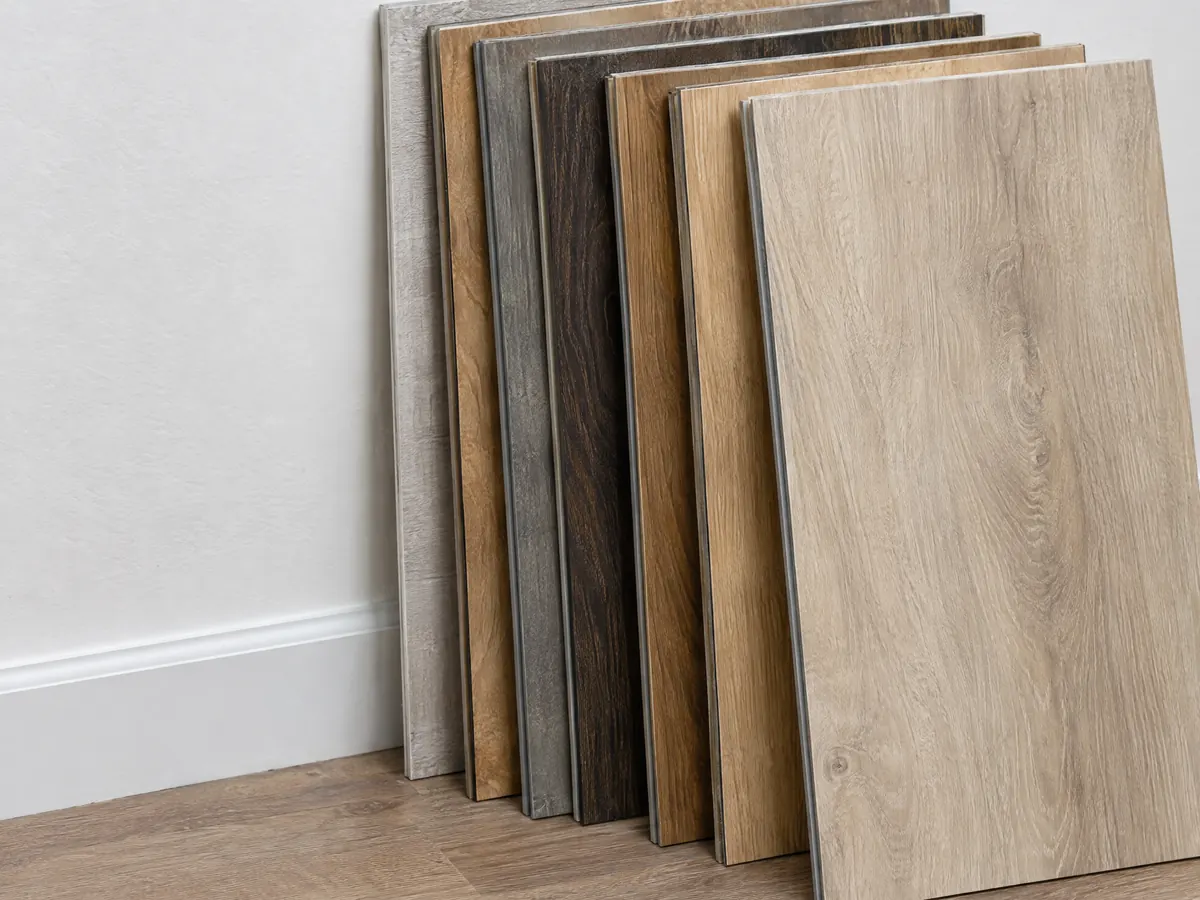
Is there lead or asbestos in an older Temple City house, and does it change a flooring job?
It can, and a lab result is the only proof. Census estimates put 74.6 percent of Temple City's homes before 1980 and 66.5 percent before 1970, so vinyl tile, sheet goods and black adhesive from those decades may sit under a newer layer. OSHA's asbestos rule for construction treats resilient flooring and its adhesive as asbestos-containing until a test says otherwise, which is why a sample goes to a lab before anyone sands, rips or dry scrapes.
Lead is the second check. EPA's Renovation, Repair and Painting rule covers paid work that disturbs paint in housing built before 1978, general contractors included, and it excuses minor repair only at 6 square feet or less of paint per room inside. Pulling painted baseboards and door casings to fit a new floor can pass that line in one room.
Keep the paperwork. A written lab result, the removal plan and the date each test was taken are the records a buyer, a lender or a later contractor may ask for, and they cost little compared with the floor.
- Did a lab test the old tile and the adhesive under it?
- Who removes a layer that comes back positive, and at whose cost?
- Is the crew certified for lead-safe work on the trim it will pull?
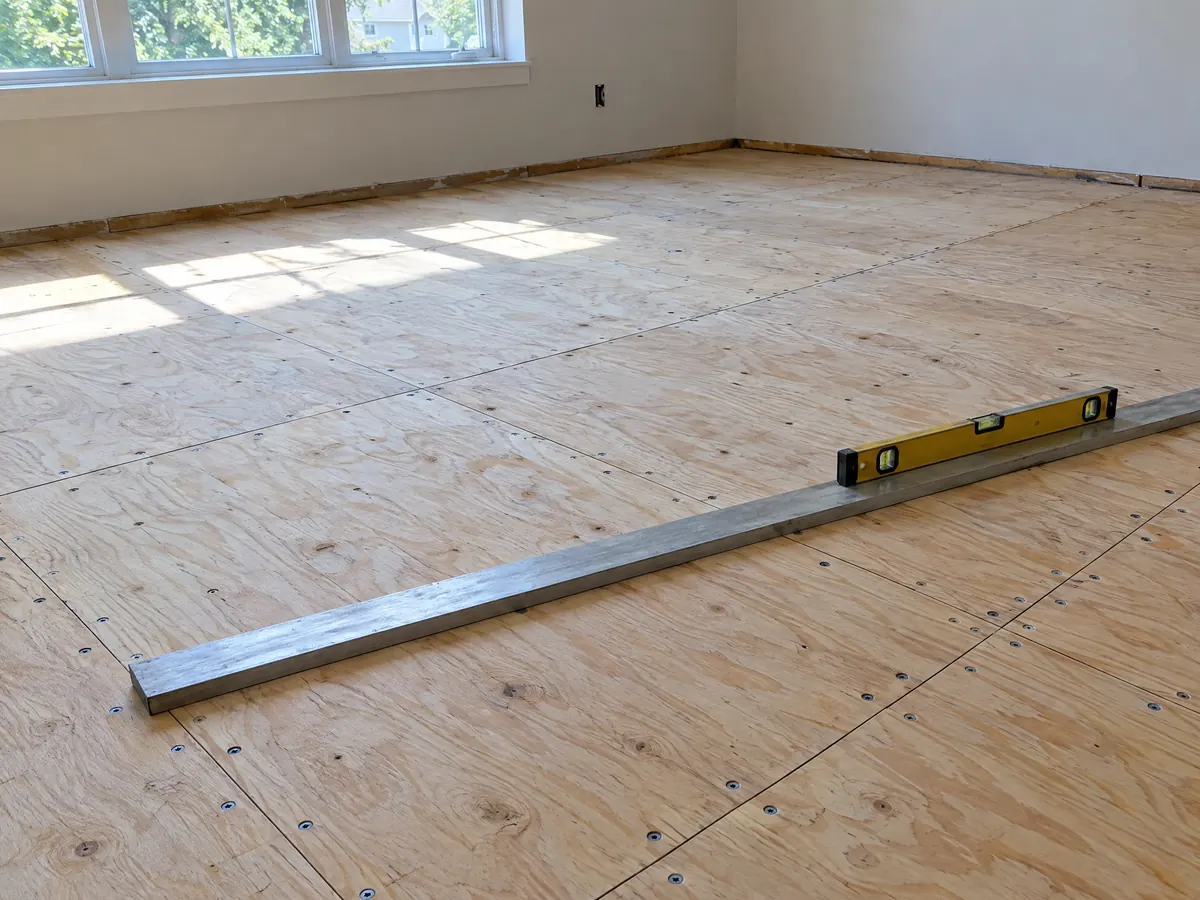
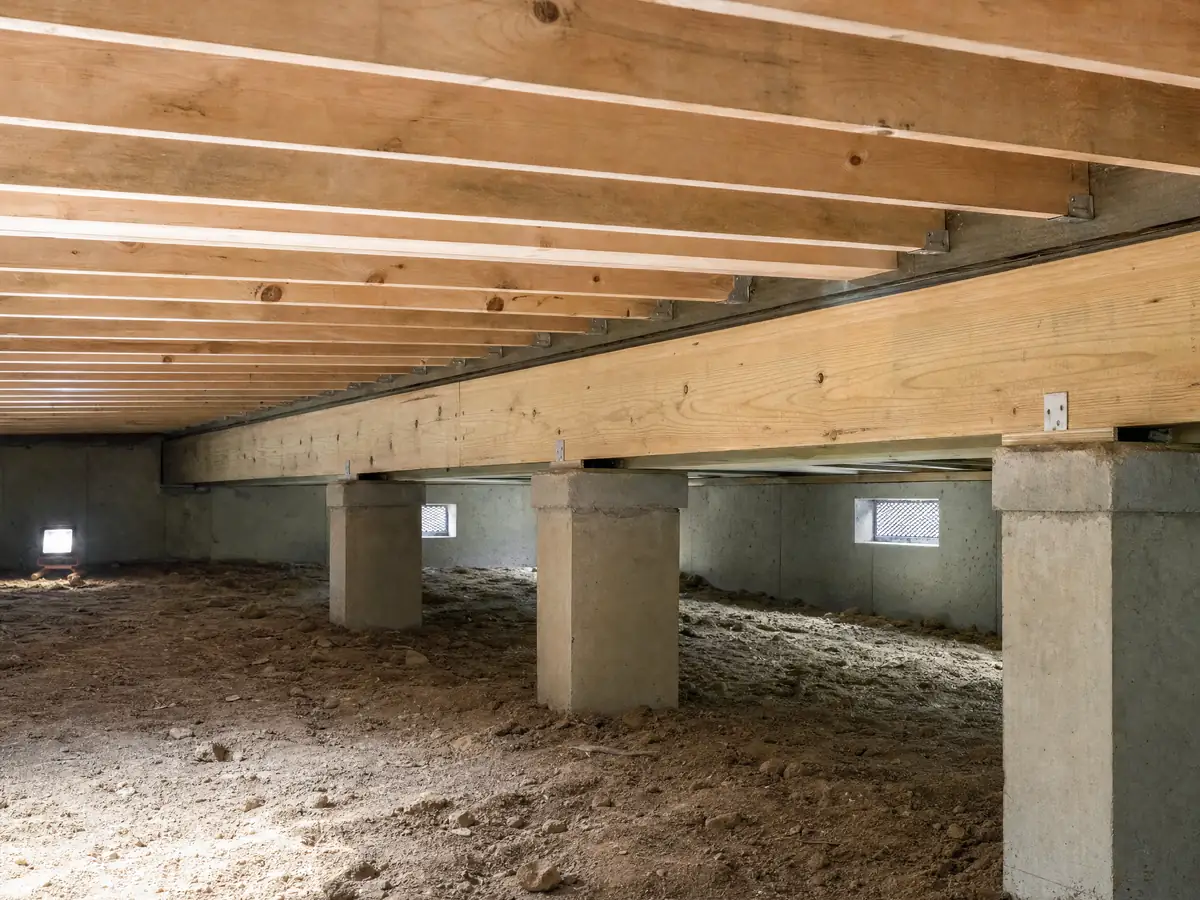
How do you tell whether a Temple City ranch house has a slab or a raised wood floor?
Look under the house, or ask the installer to. We found no count of slab versus raised foundations in Temple City, and the 3,530 homes from the 1950s are the largest age group, so do not assume. Foundation vents along the outside wall and a crawlspace door in a closet or hallway point to a raised floor.
Temple City's ranch houses were built in a tract era, and 66.5 percent of homes predate 1970, so original framing may be a half century or more old. Older subfloor boards can be dry and brittle, nails can have backed out and squeaks usually trace to a loose board or a joist that has shrunk away from the subfloor.
On a raised floor, the framing decides the scope. Water stains below a bath or kitchen, a sag near a heavy wall, insect damage and soft spots change the quote, and none of them shows from the room above. Ask that any subfloor repair appear as its own line with a unit price and that the crawlspace be photographed before and after. Structural repair is where the permit answer above stops being an exemption. Ask the counter before the old boards come up.
Why does moisture come up through a concrete floor, and how is a Temple City slab tested?
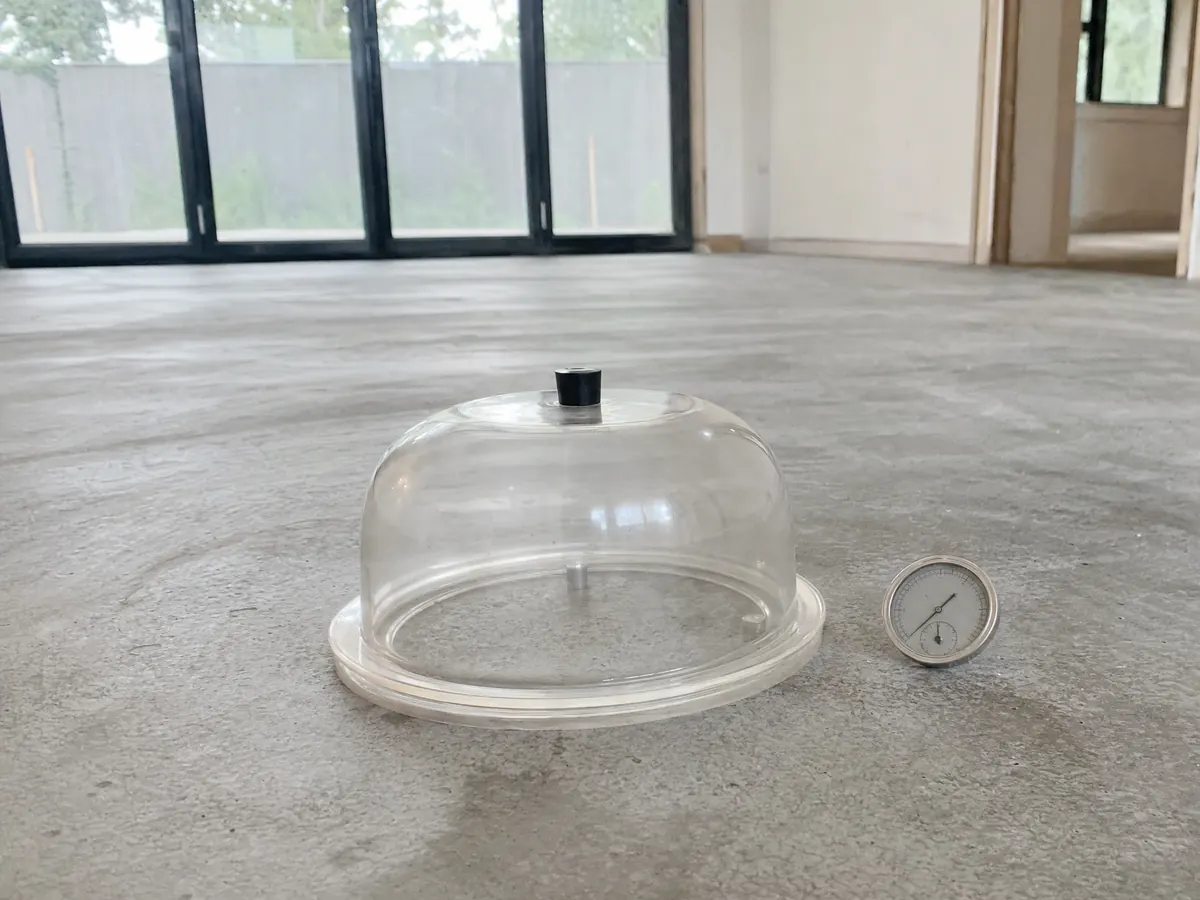
Vapor rises from the ground through the slab because concrete is porous, and the reading does not follow the weather. NOAA's 1991 to 2020 normals for the San Gabriel Fire Department station, about 2.7 miles southwest, show 15.67 inches of rain a year, 12.75 of it from December through March, with 0.04 inch in July and none in August. A slab can still test wet in a dry August.
Two tests are standard. ASTM F2170 measures relative humidity in drilled holes, and ASTM F1869 weighs vapor leaving the slab under a dish of calcium chloride. The plank, vinyl or adhesive maker sets the pass mark, so ask for the readings written next to that limit.
Spread the test points. A planter, sprinkler or downspout against an exterior wall can push one corner of a room high while the middle reads fine.
Can hardwood hidden under carpet in an older Temple City home be refinished?
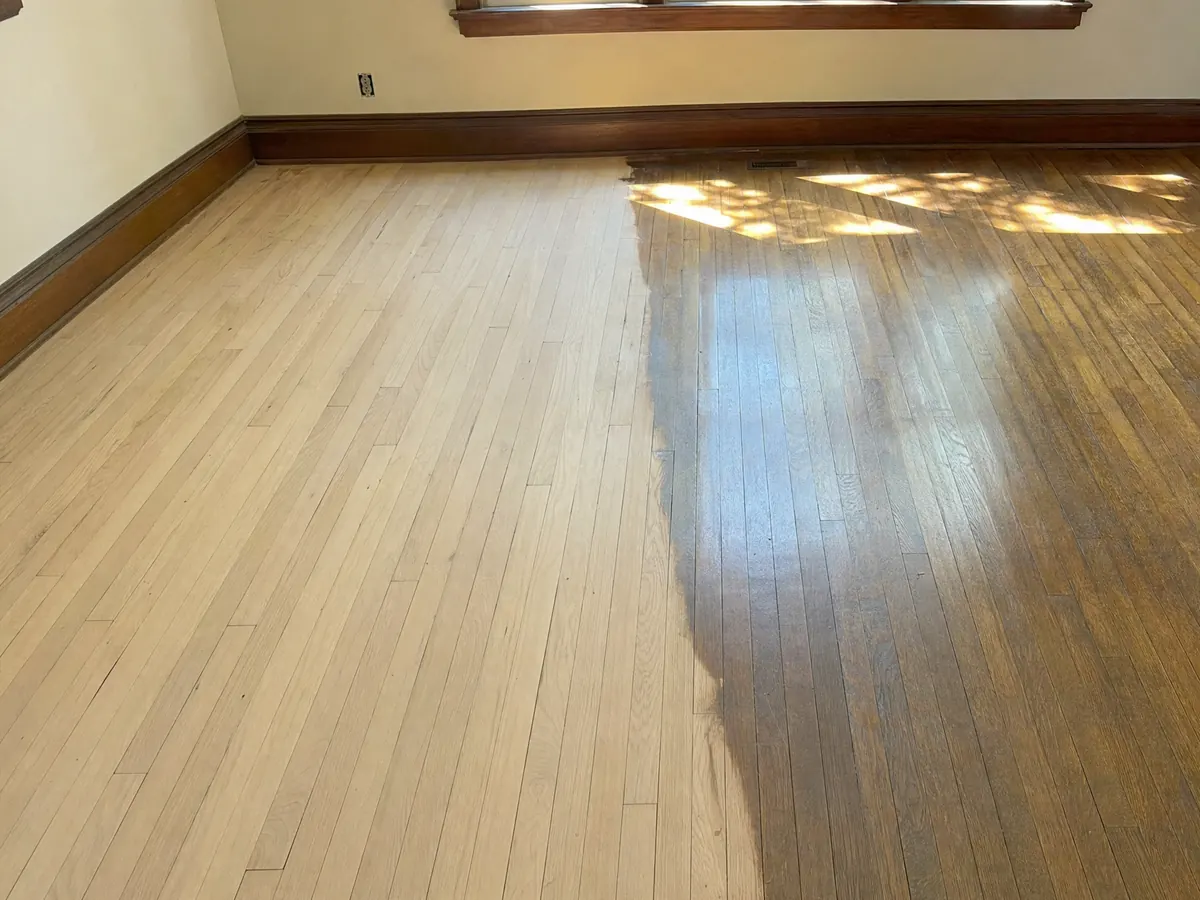
Often, if enough wood stands above the tongue, which a floor register or a cut edge shows. Census estimates count 2,965 homes (24.7 percent) built in 1949 or earlier and 883 (7.4 percent) in 1939 or earlier, so some carpeted rooms may hide boards worth saving. Houses near the Original Temple Townsite, Tract 6561, are a reasonable place to look first, though only the floor itself settles it.
Refinishing and replacing are different money. Angi's 2026 pages for Los Angeles put refinishing at $4 to $8 per square foot and new solid hardwood at $12 to $22 installed, both medium to low in confidence. Our flooring cost guide sets the two side by side.
Ask a finisher how many coats, which sheen and which product, and let the can answer for the fumes and dry time rather than the sales pitch.
Who approves new flooring in a Temple City rental, condo or apartment?
The owner does, and sometimes an association too. Census estimates count 4,244 of 11,454 occupied homes (37.1 percent) as renter-occupied, and 1,041 units (8.7 percent) sit in buildings of five or more units. A tenant needs the landlord's written consent before material is ordered, and a condo's governing documents control hard floors above a neighbor.
Condo boards answer to state law on change requests. Civil Code section 4765 calls for a written decision and a chance to ask for reconsideration, so keep the request and the reply in one folder. The same folder should hold the floor's sound rating if the association asks for one.
What does a flooring contractor charge in Temple City, and what license applies?
No Temple City price study with a stated method turned up, so these are Los Angeles figures from Angi's 2026 pages, which we rate medium to low. Angi shows $3 to $9 per square foot for installer labor, $10 to $18 installed for engineered hardwood and $12 to $22 for solid. At 1,200 square feet, engineered wood multiplies out to $12,000 to $21,600 before demolition, subfloor repair, testing and stairs, which belong on their own lines. Federal wage data for May 2025 put floor layers in the Los Angeles area at a mean $33.48 an hour, a wage and not a billing rate.
CSLB's C-15 class covers carpet, resilient flooring and wood floors, and ceramic tile is C-54. California's $1,000 limit on unlicensed minor work does not cover a job that needs a permit or one where the person hires any worker. Our license check guide shows how to look a number up.
On the contract, a down payment may not exceed $1,000 or 10 percent of the price, whichever is less.
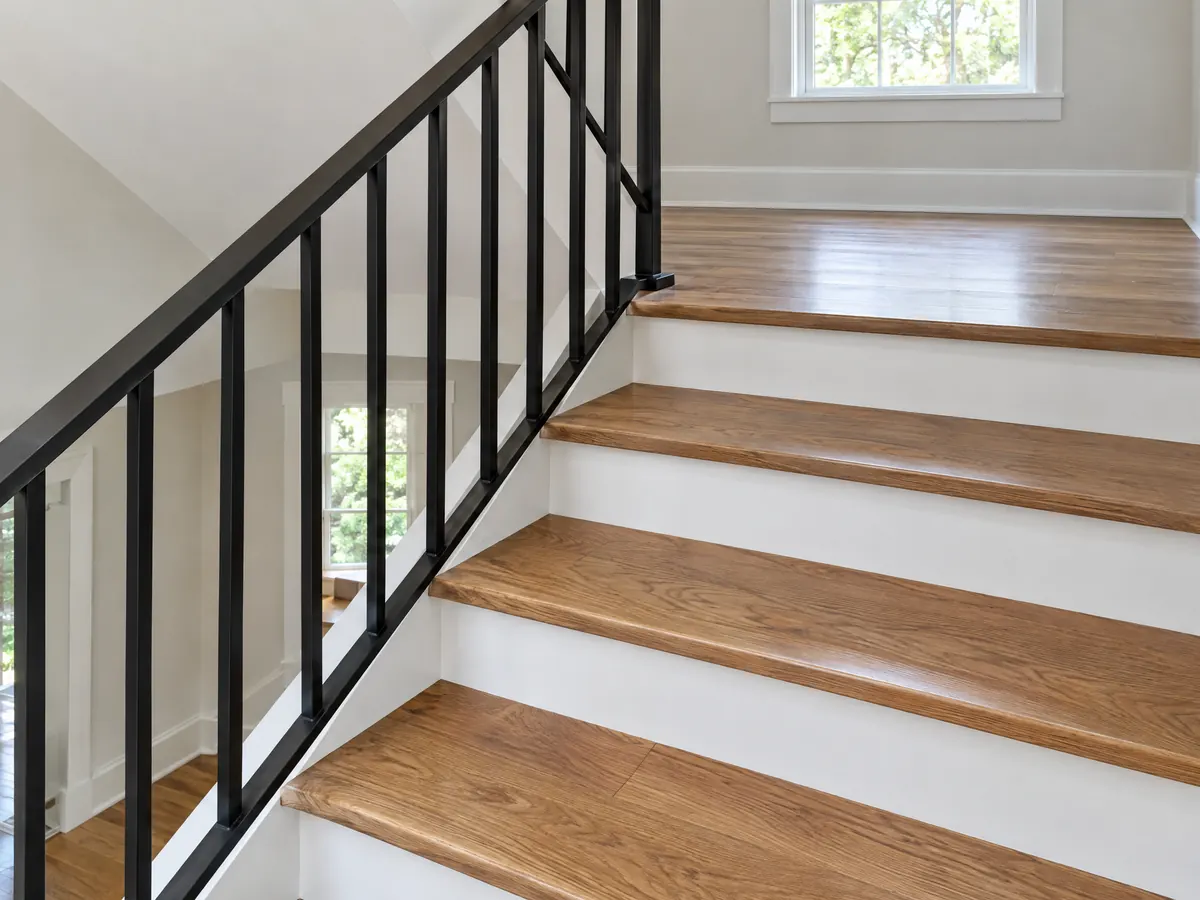
Flooring photos from Temple City and nearby communities
Subfloors, plank samples, finished oak and tile from Temple City and nearby towns, shown at the stages that matter. Tap any photo to enlarge it.
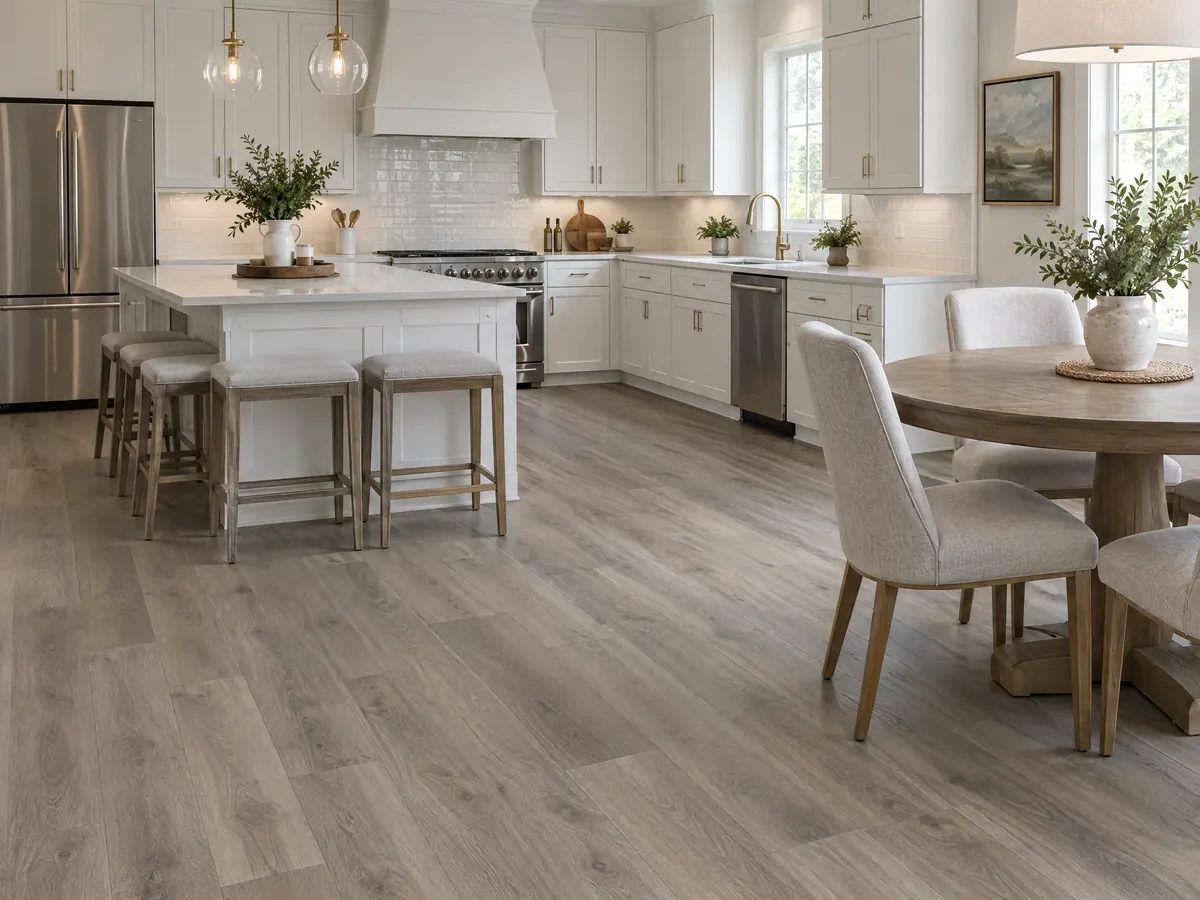
What flooring costs around Temple City
Dollar figures on this page are Los Angeles planning ranges from our flooring page, not a Temple City bid, and a written proposal should list demolition, testing, subfloor work and stairs separately. For the same lot, see concrete work in Temple City and decks in Temple City. Neighboring comparisons include flooring in Arcadia, flooring in San Gabriel, flooring in Rosemead and flooring in Los Angeles, and the El Monte overview covers the city to the south.
| What it covers | Typical range |
|---|---|
| Installation labor only | $3 to $9 per sq ft |
| Solid hardwood, installed | $12 to $22 per sq ft |
| Engineered hardwood, installed | $10 to $18 per sq ft |
| Refinishing existing hardwood | $4 to $8 per sq ft |
| Laminate, whole project | $2,000 to $5,500 |
| Hardwood, whole project | $3,153 to $8,496 |
| Removing the old floor | $455 to $685 per 200 sq ft |
| Tile | No sourced Los Angeles range |
Other work we manage in Temple City
Temple City flooring questions, answered
Do I need a permit to replace flooring in Temple City?
Usually not for the floor covering alone: Municipal Code 7-1-2.B exempts carpet, vinyl, tile and similar coverings where disabled access rules do not apply. We read it on a third-party copy of the code. Moving walls, replacing subfloor framing or opening plumbing changes the answer, so call Building & Safety first.
How much does it cost to have flooring professionally installed in Temple City?
Angi's 2026 Los Angeles pages show $3 to $9 per square foot for installer labor, $10 to $18 installed for engineered hardwood and $12 to $22 for solid hardwood. We found no Temple City study and rate these medium to low in confidence. Demolition, subfloor repair and testing are separate lines.
How much does it cost to refloor a 2,000 sq. ft. house in Temple City?
Labor at $3 to $9 per square foot comes to $6,000 to $18,000 for 2,000 square feet before material. Engineered hardwood at $10 to $18 installed would run $20,000 to $36,000 across the whole house. Both multiply Los Angeles ranges and are not a bid, so a visit sets the real figure.
Can you put flooring over concrete in Temple City?
Yes, after the slab is tested and prepped. The moisture limit comes from the plank, vinyl or adhesive maker, so the installer should take ASTM F2170 probe readings or run an F1869 calcium chloride test, then fill cracks and flatten high spots. Ask for the readings in writing before material is ordered, and file them with the warranty papers.
Why does moisture come through a concrete floor in Temple City?
Vapor moves up from the soil through porous concrete, and it can read high even in a dry summer. The nearest NOAA station records 15.67 inches of rain a year, almost none from June through September. Planters, sprinklers and downspouts beside a wall raise readings in spots, so test several points.
Is there asbestos under old vinyl flooring in Temple City homes built before 1980?
Possibly, and nobody can tell by eye. OSHA treats resilient flooring and its adhesive as asbestos-containing until a test shows otherwise, and 74.6 percent of Temple City's homes predate 1980. Have a lab test a sample before anyone sands, rips up or dry scrapes the old layer, and settle in writing who removes and pays for any layer that tests positive.
Can I refinish hardwood floors instead of replacing them in Temple City?
Often, when enough wood remains above the tongue to survive a sanding, which a floor register or a cut edge reveals. Angi's 2026 pages for Los Angeles list $4 to $8 per square foot for refinishing against $12 to $22 for new solid hardwood, and we rate both medium to low. Ask the finisher to name the coating.
Can I put new flooring in a Temple City rental or condo?
Only with the owner's or association's written approval. A tenant needs the landlord's consent, and a condo's governing documents control hard floors over a neighbor. About 37.1 percent of occupied homes here are rentals, so many floor jobs begin with a landlord, a board or both.
What license does a flooring contractor need in Temple City?
Carpet, resilient flooring and wood floors fall under CSLB's C-15 class, and ceramic tile under C-54. Work that needs a permit must go to a licensed contractor even under $1,000. Look the license up on the CSLB site before accepting a quote, and ask for the subcontractor's number too.
Tell us the street, the rooms and what the floor is now
Share the rooms, whether you think the house has a slab or a raised floor, and any flooring you know is original. The asbestos, lead and moisture questions ride along to the first visit.