
Concrete Companyin Chula Vista, CA
A concrete company in Chula Vista checks the lot's grading, floodway and coastal status before pouring. The City's exempt list covers walks and driveways up to 30 inches above grade, but retaining walls over 3 feet or carrying a surcharge are not exempt, and earthwork has its own limits. Concrete in the public parkway needs a separate Public Works answer.
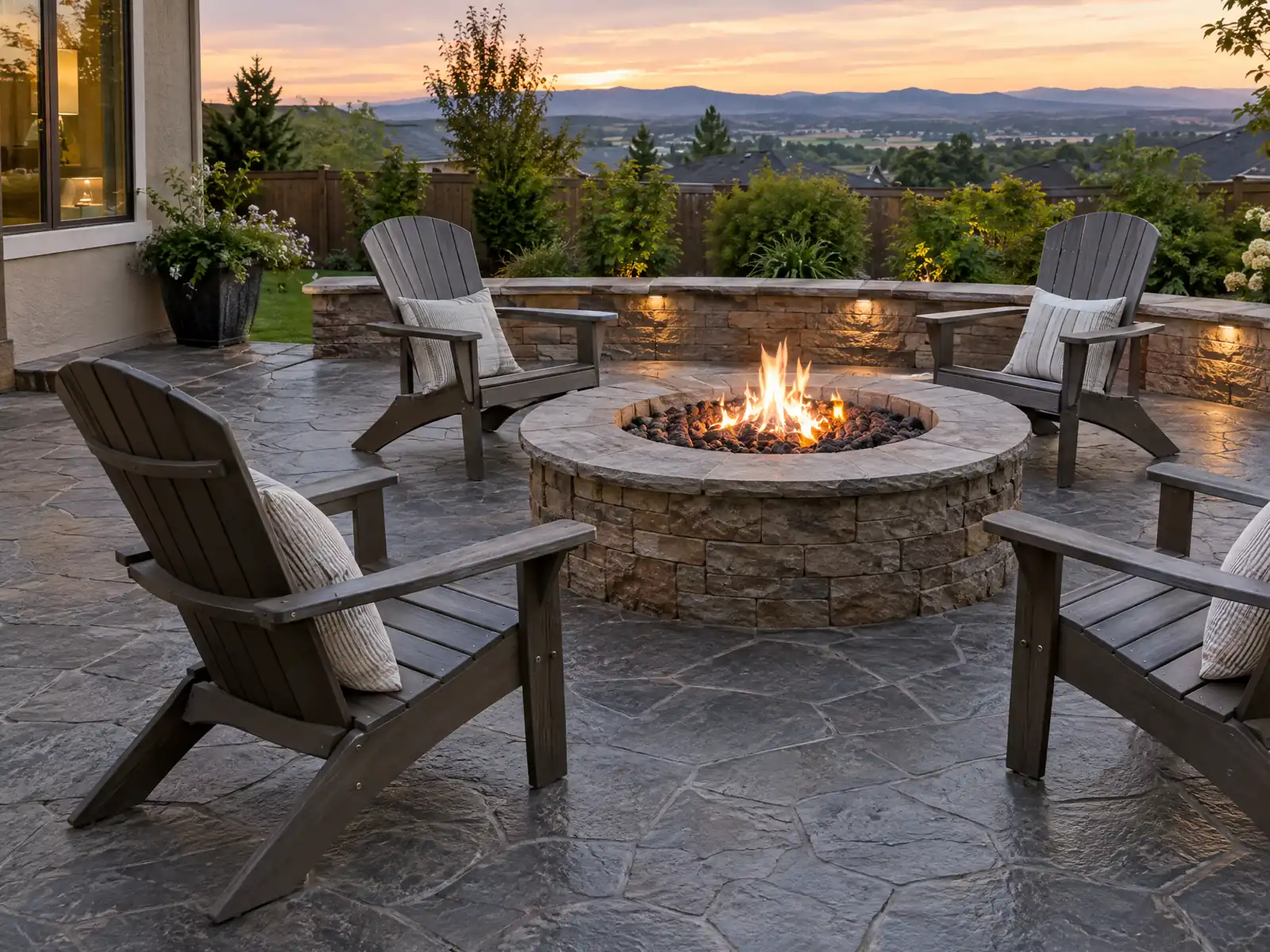
Concrete in Chula Vista follows the city's growth. The San Diego Land and Town Company settled the area in 1887, the city incorporated in 1911 holding 15,000 acres that included 4,000 acres of lemon groves, and a 1985 annexation, which Wikipedia calls the largest in California history, added Castle Park and Otay. Census estimates for 2024 put about 41 percent of the 91,470 homes before 1980, so many west side driveways and walks are decades old, while the 2000s alone built 20,136 homes and Otay Ranch began construction in 1999.
MDG Builders, CSLB #1040337, is a Tarzana general contractor that plans the job, takes the grading and setback questions to Development Services and hires a licensed concrete subcontractor for the forms, the pour and the finish. Our tools could not open the City's website, so the code lines in this page are read from a third-party copy at gocodebook.com and need the City's confirmation. Finishes and ranges are on the concrete page, and the Chula Vista overview covers the other trades we manage here.
What Chula Vista's Building Division, Public Works rules, overlay zones and state law say about concrete work
Where concrete permits come from in Chula Vista: City of Chula Vista Development Services Department, Building Division.
- CVMC 15.06.080(B)(1)(h) exempts platforms, walks and driveways not more than 30 inches above grade, not over any basement or story below and not part of an accessible route from a building permit. The grading chapter's exemptions (15.04.150) still apply to the earthwork around them.
- Chula Vista's grading ordinance exempts excavation or fill only when all conditions are met: for excavation, a cut slope no steeper than 3:1, a depth of no more than 3 feet at any point and 18 inches on average, and less than 250 cubic yards moved. Fill may not exceed 3 feet in depth (18 inches average), may not be placed on ground steeper than 5:1 and may not total more than 250 cubic yards (CVMC 15.04.150).
- CVMC 12.28.010 bars encroaching on the public right-of-way without a permit from the Director of Public Works or City Engineer, with exemptions for uses authorized under the adopted California Building Code. A permit needs a recorded maintenance and removal agreement and fees under the Master Fee Schedule, and the chapter does not name driveway aprons or sidewalk work, so ask Public Works which permit covers concrete in the parkway.
- Chula Vista's F-1 Floodway zone (CVMC Chapter 19.50) allows no structures for human occupation (19.50.050(A)) and bars building or enlarging a structure without a conditional use permit and floodproofing conditions, so no slab, patio or footing work is assumed to be allowed on floodway land.
- CSLB defines the C-8 Concrete classification as a contractor who forms, pours, places, finishes and installs specified mass, pavement, flat and other concrete work, and it excludes firms whose only business is plaster-type coatings or placing reinforcing steel.
How much dirt can you move for a slab in Chula Vista before you need a grading permit?
Less than you might think. CVMC 15.04.015 requires a land development permit or a clearing and grubbing permit for grading, and the exemption in 15.04.150 applies only when every listed condition is met. For excavation that means a cut slope no steeper than 3:1, a depth of no more than 3 feet at any point and 18 inches on average, and less than 250 cubic yards moved.
Fill has its own limits: no more than 3 feet deep (18 inches on average), none on ground steeper than 5:1 and no more than 250 cubic yards in total. A patio stepped into a sloped lot can break the cut rule long before it reaches the volume limit, and the building foundation exemption does not cover retaining wall foundations (15.04.150(F)).
Soil is the quieter trigger. The City may require a soil investigation (15.04.270(B)), and every soil report needs a seepage statement or study (15.04.175(B)). Wikipedia says the La Nacion and Rose Canyon fault zones affect the city's geography, though we found no study tying either to slab design, so a soils report on a sloped lot is a question for the engineer.
Do you need a permit to pour a driveway, walkway or patio slab in Chula Vista?
Usually not for the slab itself. CVMC 15.06.080(B)(1)(h) exempts platforms, walks and driveways not more than 30 inches above grade, not over a basement or story below and not part of an accessible route from a building permit. That covers most flatwork on a level lot, although an exemption never authorizes work that breaks the technical codes or zoning.
Coverage and setbacks are zoning questions. In an R-1 zone, all buildings including accessory ones may cover 40 percent of the lot (19.24.070.A), and a roofed patio counts toward it. We could not tell from the code whether a bare slab does, so ask Planning before sizing a large patio on a small lot, and see our note on decks in Chula Vista for covers.
The parkway is a different office. CVMC 12.28.010 bars encroaching on the public right of way without a permit from the Director of Public Works or the City Engineer, and the chapter does not name driveway aprons or sidewalks. Ask Public Works which permit covers concrete between the property line and the street, and expect a recorded maintenance and removal agreement and Master Fee Schedule fees if one is required.
Can you pour a slab in the F-1 floodway or west of I-5 near the Bayfront?
Not in the floodway, as far as the code shows. The F-1 Floodway zone (CVMC Chapter 19.50) allows no structures for human occupation, and building or enlarging any structure there takes a conditional use permit with floodproofing conditions. We assume no slab, patio or footing work is allowed on floodway land until Planning says otherwise.
The coastal zone adds a permit layer. CVMC 19.83.004 requires a coastal development permit for development in the coastal zone, in addition to other permits, with exemptions in 19.83.006 for repair and maintenance and for improvements to single family residences, each subject to the Coastal Commission's Title 14 rules. Appealable decisions, such as work within 300 feet of the beach or between the sea and the first public road, take effect only after a 10 working day appeal period.
Where the line falls is the open question. The Bayfront Specific Plan (19.81.002) covers the area from the northern city boundary south to Palomar Street, including land west of and including I-5, but its exhibits were unreadable and we found no list of residential streets west of I-5 that sit inside the zone. Have Development Services check the parcel before a contractor prices the work.
How tall can a retaining wall be in Chula Vista before it needs a permit?
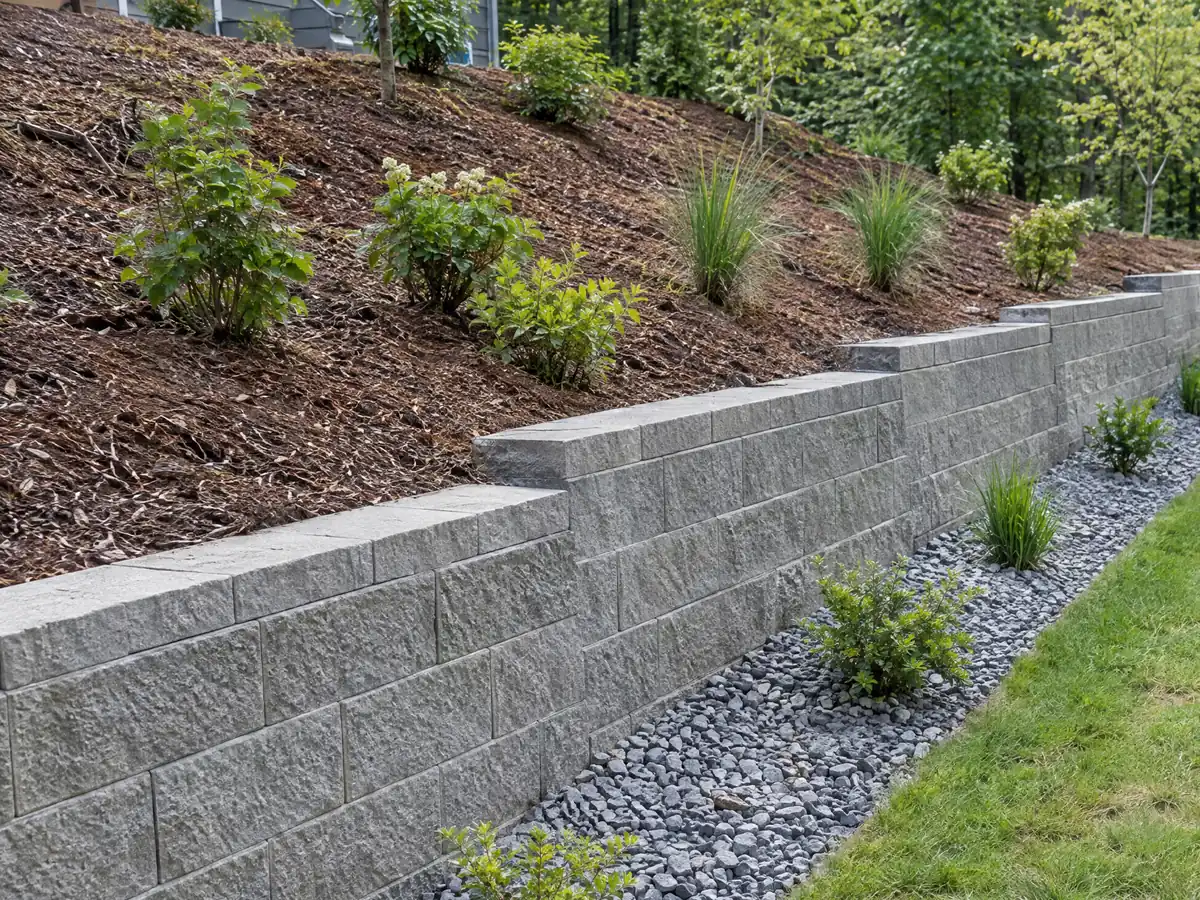
Three feet, measured from the top of the footing to the top of the wall. CVMC 15.06.080(B)(1)(f) exempts retaining walls up to that height unless they support a surcharge or impound flammable liquids. A surcharge is extra load such as a driveway, a slope or a building behind the wall, so a short wall beside a parking pad may still need plans.
Fences and free-standing walls follow other lines. A freestanding masonry wall up to 48 inches above the highest adjacent grade is exempt under the same list, and zoning allows fences and walls up to six feet behind the front and exterior side setbacks (19.58.150), so a tall wall needs both a building answer and a zoning answer.
Drainage is the real cost behind the height. Angi's Los Angeles retaining wall page, updated February 17, 2026, averages $7,140 with a range of $2,674 to $11,842, and we print no per foot price because height, drainage and engineering drive it. CSLB's C-29 class covers concrete block walls, and we could not confirm which class CSLB expects for a poured wall, so ask each bidder for the license number and class.
What do old west side driveways and newer east side slabs need that differs?
The west side is where age shows. West Chula Vista, west of Hilltop Drive and north of L Street, is the original city, its population jumped from about 5,000 in 1940 to more than 16,000 by 1950 after Rohr Aircraft arrived, and the city limits first expanded in 1949. Census estimates count 7,799 homes from the 1950s, 11,523 from the 1960s and 14,428 from the 1970s, so a lot of walks, aprons and driveways have been in service for fifty years or more.
Replacing an old slab starts with who owns each piece. The part inside the property line follows the exempt list, and the part in the parkway is Public Works' question, so a cracked apron near Castle Park or the Third Avenue Village blocks needs both answers before demolition starts.
The east side is a planned-community story. Wikipedia and a 2016 San Diego Reader report say most east side buyers bought into a Mello-Roos district while West Chula Vista has none, and the P-C zone (CVMC Chapter 19.48) requires a General Development Plan and Sectional Planning Area plans. The chapter names neither Eastlake nor Otay Ranch, so confirm a lot's zoning and plan with Planning before assuming a patio or pad is allowed, and read any association rules separately.
Is it a bad idea to pour concrete in Chula Vista's rainy season or on a hot inland day?
Timing matters, and the bay-side numbers are mild. NOAA's 1991 to 2020 normals for the Chula Vista station show 9.20 inches of rain a year, 7.12 inches of it from December through March, with only 4.9 days a year at or above 90 F and 0.2 days at or above 100 F. Average highs run from 66.5 F in December to 77.1 F in September.
The inland hills are not in that data. The station sits at 17 feet near the bay, and Eastlake and Otay Ranch can run hotter and drier, so a July pour there may differ from a Castle Park pour. We found no sourced guideline for pouring in Chula Vista rain or heat.
Ask the crew for its plan instead: how it covers a fresh slab if rain arrives, how it protects the surface from fast drying on a hot afternoon, when control joints get cut and how long before cars or furniture return. A good answer is specific to the day's forecast, and the written proposal should say who decides to postpone.
What does concrete work cost in Chula Vista, and which license should the crew hold?
No Chula Vista price study with a stated method turned up, so these are Los Angeles figures from Angi's 2026 pages, which it builds from customer surveys and pro data, and San Diego County pricing can differ. Angi's patio page lists $4 to $13 per square foot, with a $5,248 average, and a 20 by 20 foot slab at $1,600 to $5,200. Its stamped page runs $15 to $30 per square foot, and its driveway page shows $8 to $20 per square foot and a $7,270 average.
Federal wage data cover the Los Angeles-Long Beach-Anaheim metro area and not San Diego, so use them only as a rough anchor: cement masons averaged $33.67 an hour in May 2025. That is a wage, not a billing rate. Demolition, base rock, rebar, haul-off and any parkway permit belong on separate lines, and small jobs carry minimum charges that push the per foot figure up.
A concrete company should hold CSLB's C-8 class, and our license check guide shows how to look up a number. How general contractors use subcontractors explains MDG's role on a managed pour. C-8 excludes firms that only place reinforcing steel, so ask who sets the rebar.
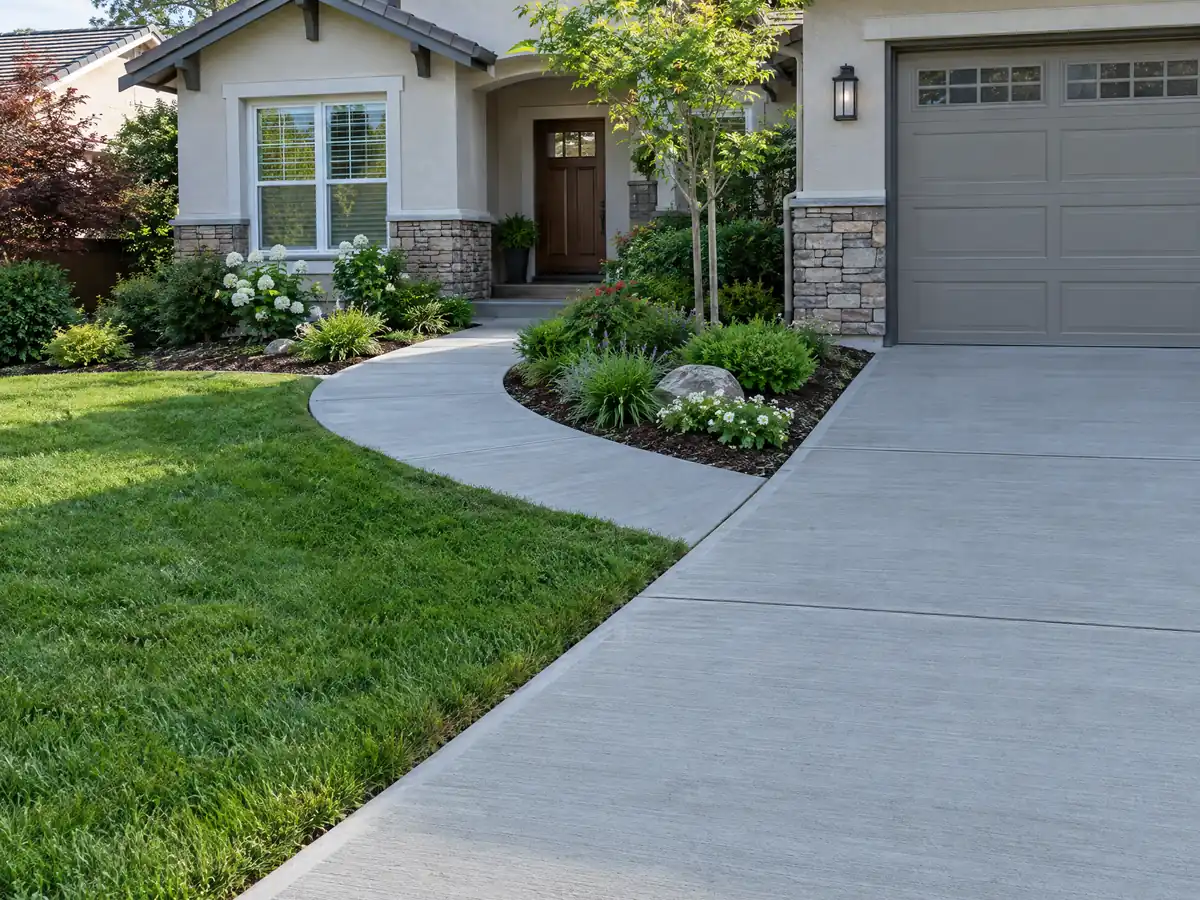
Concrete photos from Chula Vista and nearby communities
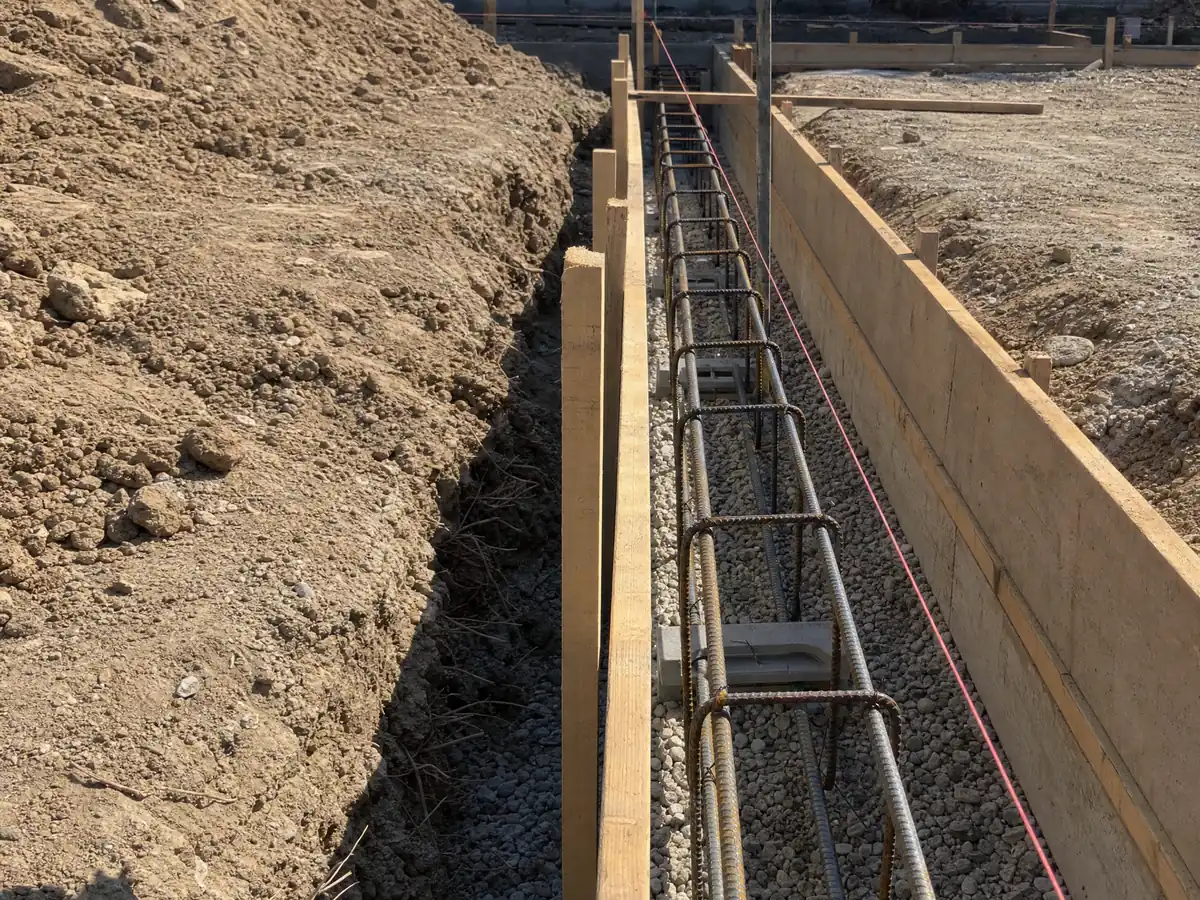
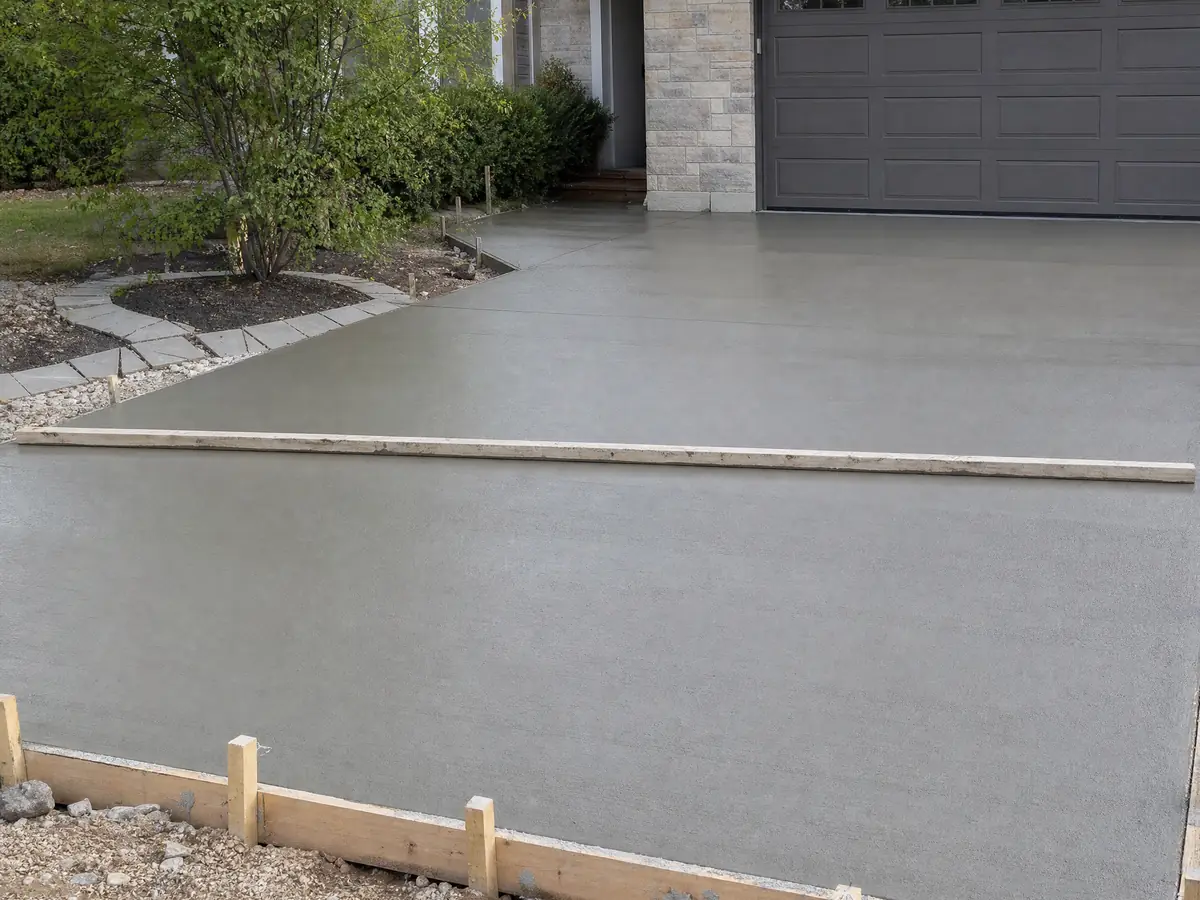
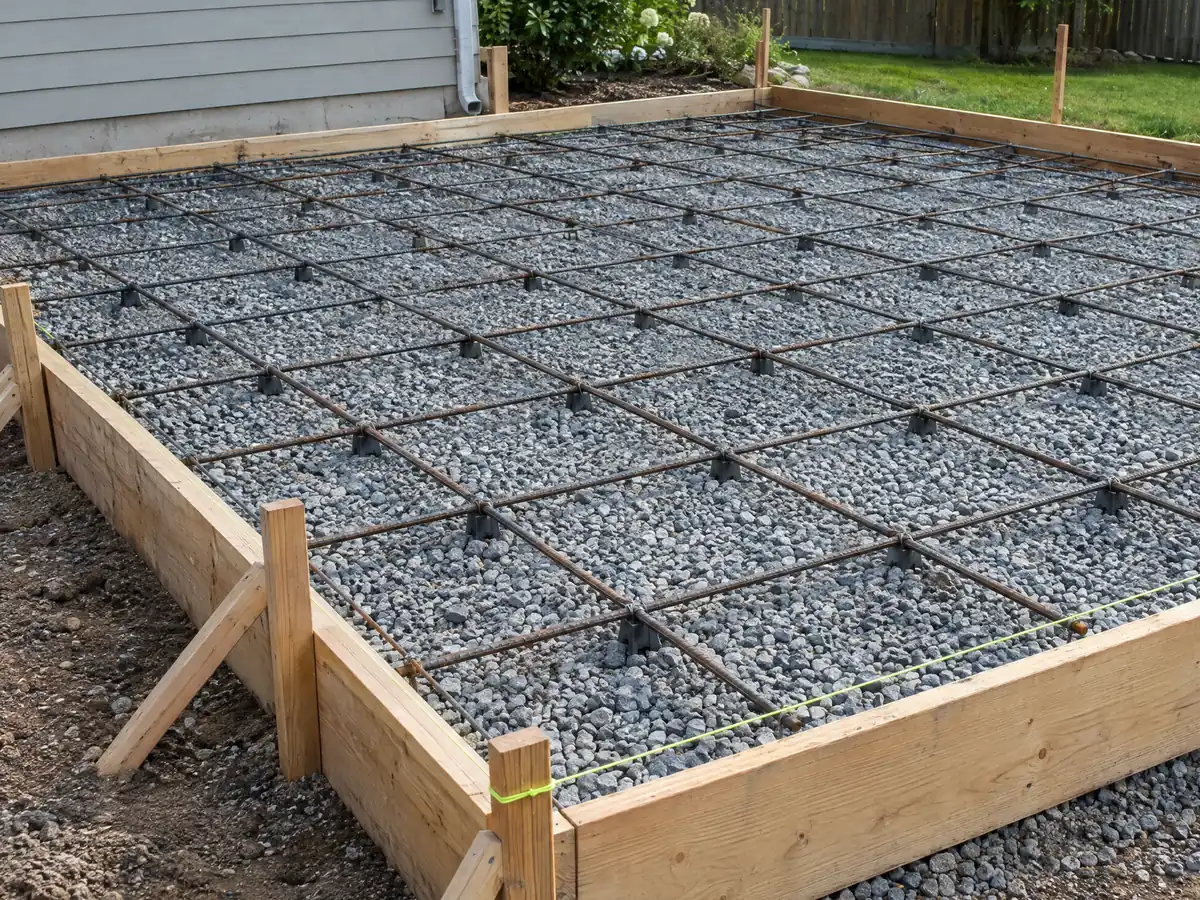
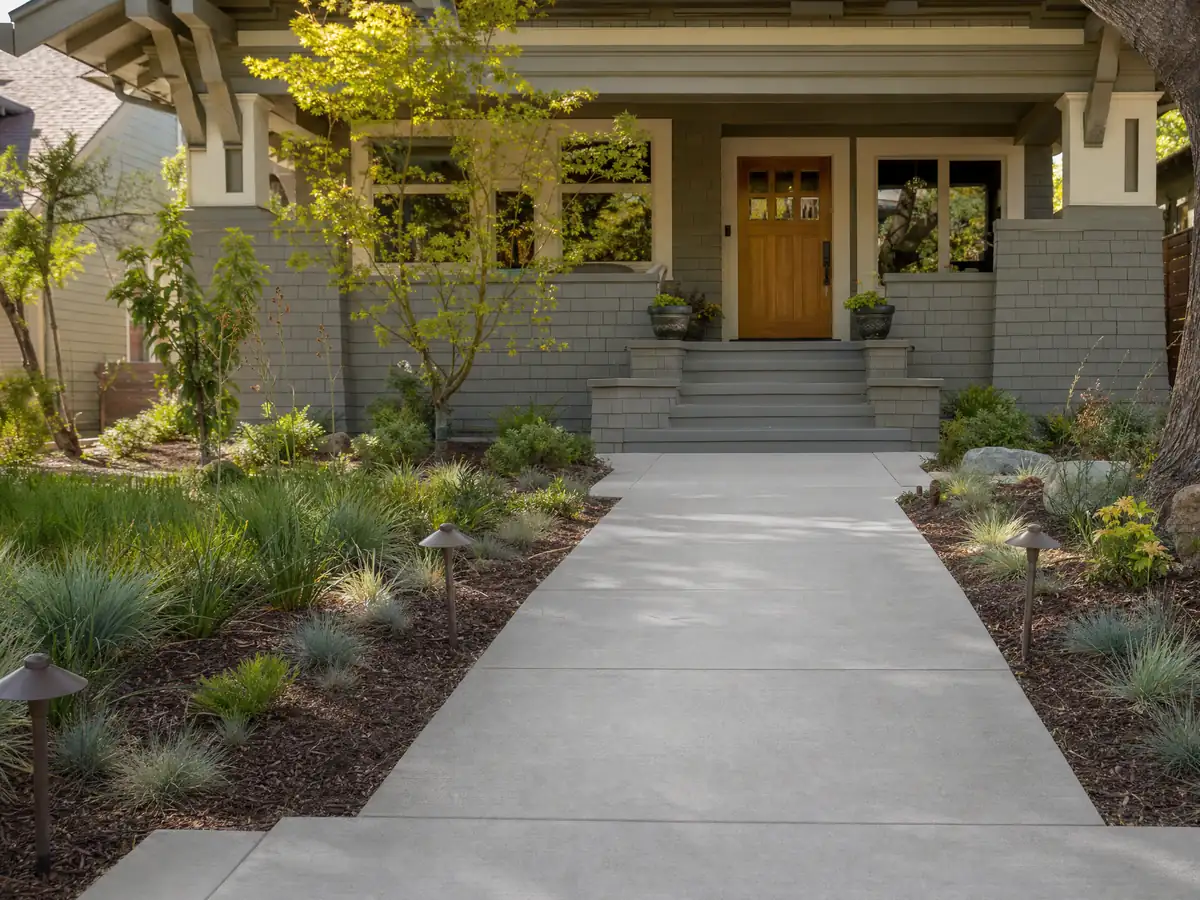
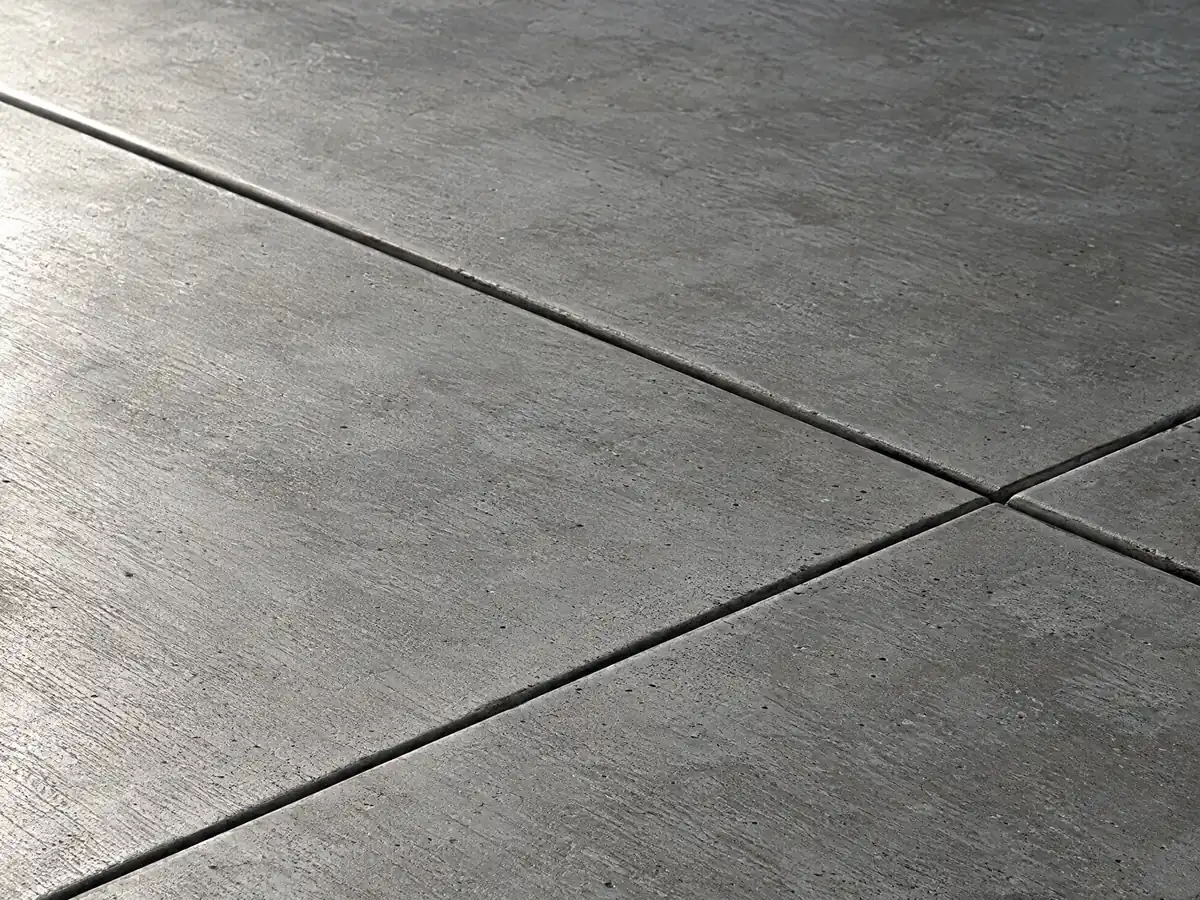
Footing trenches, formwork, screeded pours, block walls and finished flatwork from Chula Vista and nearby towns, shown at the stages that matter. Tap any photo to enlarge it.
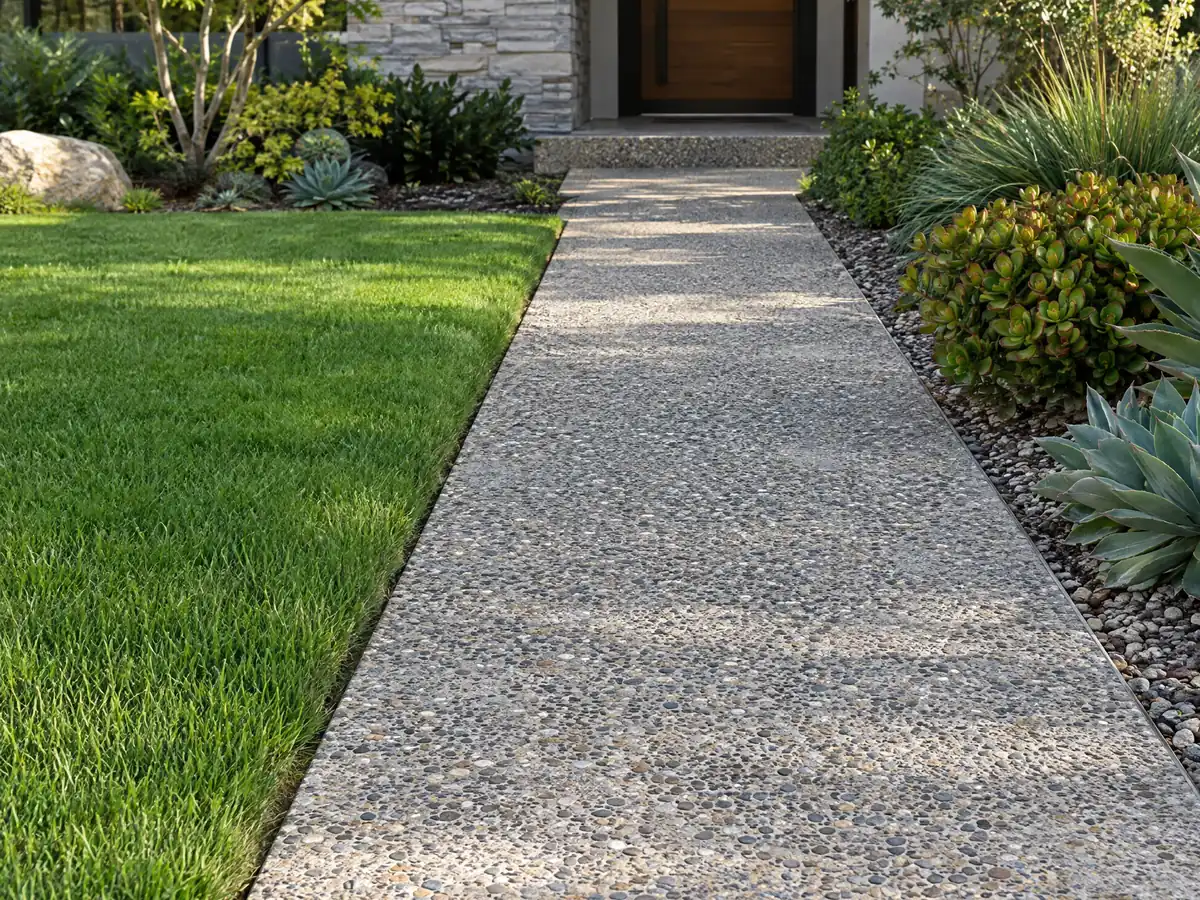
What concrete costs around Chula Vista
Dollar figures on this page are Los Angeles planning ranges from our concrete page, not a Chula Vista bid, and the proposal should show demolition, base, rebar and any parkway permit on separate lines. For the same property, see flooring in Chula Vista and decks in Chula Vista. For comparison outside San Diego County, see concrete work in Dana Point and concrete in Los Angeles.
| What it covers | Typical range |
|---|---|
| Patio, walkway or slab, broom finish, 300 sq ft or more | $8 to $14 per square foot |
| Decorative: stained, stamped or exposed aggregate | $15 to $30 per square foot |
| Driveway replacement, with demolition of the old slab | $9 to $20 per square foot |
| 20 by 20 foot plain patio (400 sq ft) | About $3,200 to $5,600 |
| 20 by 20 foot decorative patio (400 sq ft) | About $6,000 to $12,000 |
| Small jobs under 300 sq ft | Usually above the per-foot range |
| Retaining walls | Set by the written proposal |
Other work we manage in Chula Vista
Chula Vista concrete questions, answered
Can I pour a concrete patio without a permit?
Often, yes, for a level slab, because the City's exempt list covers walks and driveways up to 30 inches above grade. Zoning still controls where the slab goes and how much of the lot it covers, and a patio on a slope can run into the grading limits. Confirm with the Building Division before ordering.
Can I replace my driveway without a permit in Chula Vista?
Probably, for the slab inside your property line, but not for the apron. The exempt list covers driveways up to 30 inches above grade, while concrete in the public right of way falls under CVMC 12.28.010 and a Public Works permit. The chapter does not name aprons, so ask which permit and inspection apply.
What is the maximum height of a retaining wall without a permit?
Three feet from the top of the footing to the top of the wall under Chula Vista's exempt list, unless the wall supports a surcharge such as a driveway, slope or building. Above that, or with a surcharge, plans and a permit are likely. Zoning limits fences and walls separately.
How much should a 20x20 concrete patio cost?
Angi's Los Angeles patio page shows $1,600 to $5,200 for a 20 by 20 foot patio, which works out to $4 to $13 per square foot across 400 square feet. Our own planning range for typical slabs of 300 square feet or more is $8 to $14 per square foot, or $3,200 to $5,600 for 400. Neither is a Chula Vista bid.
How much does a concrete driveway cost?
Angi's Los Angeles driveway page shows $8 to $20 per square foot with a $7,270 average, and our planning range for replacement including demolition is $9 to $20. Demolition of the old slab, base, rebar and any parkway permit change the total. These are Los Angeles ranges, and a Chula Vista site visit sets the real price.
How much does a stamped concrete patio cost?
Angi's Los Angeles stamped concrete page shows $15 to $30 per square foot, averaging $5,948 across a range of $2,915 to $8,982. A 400 square foot patio at those rates would run $6,000 to $12,000 before demolition, base or permits. It is a Los Angeles range, not a Chula Vista quote, so ask for the bid itemized.
Can I build a concrete slab in a floodway in Chula Vista?
No, not as far as the code shows. The F-1 Floodway zone allows no structures for human occupation, and building or enlarging a structure needs a conditional use permit with floodproofing conditions. We assume no slab, patio or footing work is allowed there, so ask Planning to confirm the lot's zone before anyone prices a pour.
Do I need a coastal development permit for concrete work near the Chula Vista Bayfront?
Possibly, and the parcel decides it. CVMC 19.83.004 requires a coastal development permit for development in the coastal zone, though repair, maintenance and single family improvements can be exempt under Title 14. The Bayfront area runs west of and including I-5 up to Palomar Street, and we could not read the exhibits, so ask Development Services to check the parcel.
What license does a concrete company need in Chula Vista?
A concrete company needs CSLB's C-8 Concrete license, which covers forming, pouring, placing and finishing flatwork, pavement and mass concrete. Block walls fall under C-29 masonry, and C-8 excludes firms that only place reinforcing steel. Look the number up on the CSLB site, and note a permitted job cannot use the $1,000 unlicensed exemption.
Describe what you want poured and where the lot sits
Say what you want poured, the rough size and whether the lot is on a slope, near the bay or inside a planned community. The grading, overlay and parkway questions come with us to the first visit.