
Concrete Companyin Yucaipa, CA
A concrete company in Yucaipa works under a City ordinance on wind-blown sand: disturbing land needs a soil disturbance permit unless the area is one acre or less, though the duty to stop blowing dust still applies. Oak roots, wall heights and footings add rules. Ask Building & Safety whether flatwork needs a permit.
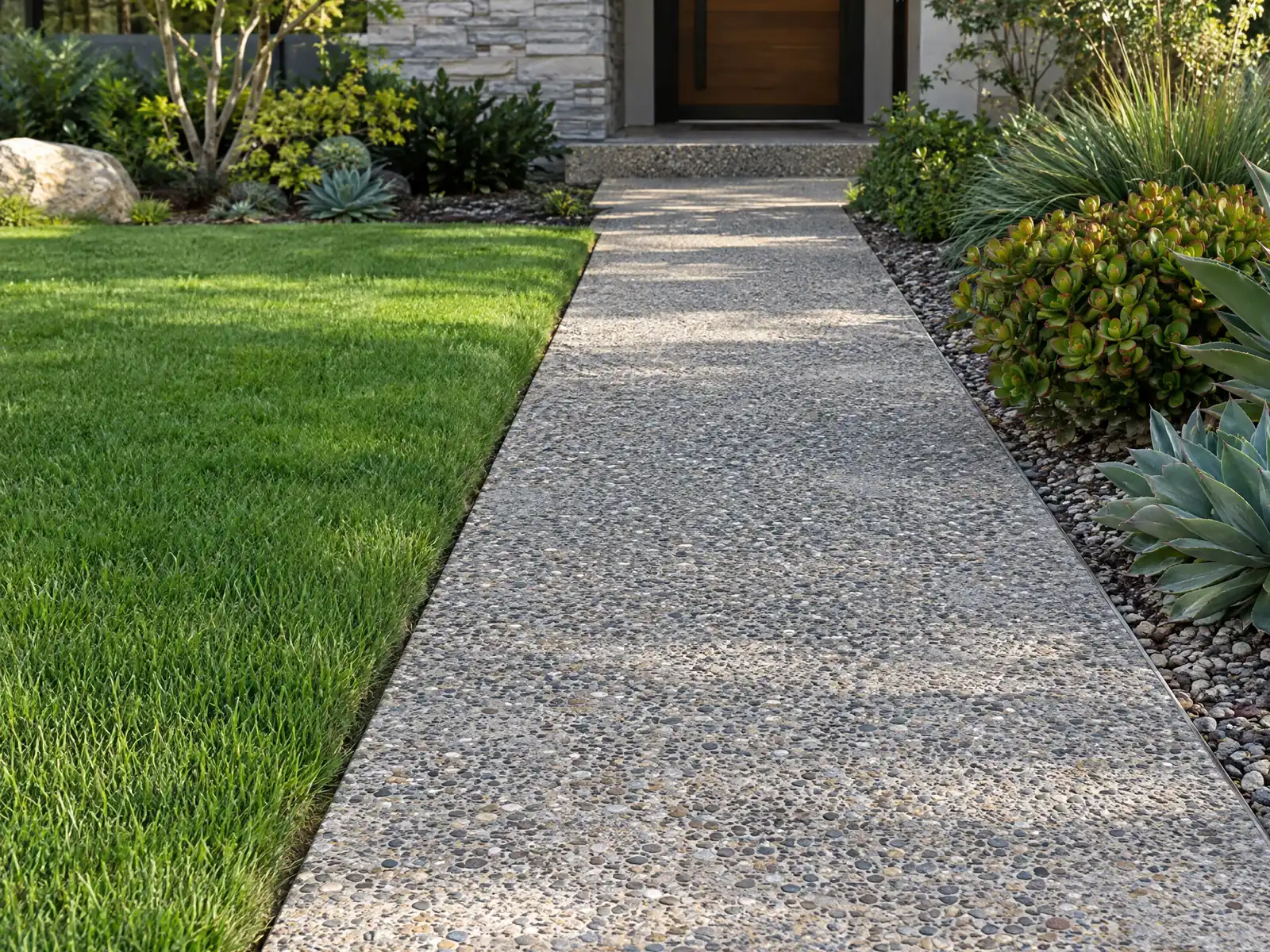
Yucaipa's concrete carries a flood story. The Local Hazard Mitigation Plan says the 1950s and 1960s boom turned ranches into housing and that the 1960s floods forced drainage projects, and the Housing Element says Dunlap Acres, the triangle between Yucaipa Boulevard, Oak Glen Road and Interstate 10, flooded repeatedly and is getting Wilson Creek improvements and sewer lines. With 3,441 homes from the 1960s and 3,205 from the 1970s, many driveways, walks and patio slabs here are now 45 years old or more.
MDG Builders, CSLB #1040337, designs and manages these jobs from Tarzana and does not pour concrete itself. We write the scope, take permit and zoning questions to the Yucaipa Building & Safety Division and bring in a licensed concrete subcontractor to form, place and finish. The concrete page explains finishes, and the Yucaipa overview lists the other trades we manage here.
What Yucaipa's wind erosion ordinance, grading code, oak tree permit and SCAQMD Rule 403 say about concrete work
Where concrete permits come from in Yucaipa: City of Yucaipa Community Development Department, Building & Safety Division.
- SCAQMD Rule 403 (amended June 3, 2005) is the fugitive dust rule: no activity may leave dust visible in the atmosphere beyond the property line or exceed 20 percent opacity, so grading, trenching, demolition and concrete cutting need dust controls even when the City requires no permit.
- Grading code: Municipal Code 15.12.060 exempts excavation for footings authorized by a building permit (but not any excavation over 5 feet unsupported), excavations up to 50 cubic yards less than 2 feet deep and fills under 1 foot deep and 50 cubic yards on grades flatter than 5:1, while the amended CBC Appendix J says grading over 500 cubic yards is engineered grading and anything 5,000 cubic yards or more is reviewed by the City Engineer or Building Official. Paving over 3,000 square feet on natural grade for a private road or commercial or multiresidential lot needs a grading permit, and no grading over 200 cubic yards is allowed between October 15 and April 15 without an approved erosion control system.
- Footings and slabs: the adopted Residential Code table lists a 12 to 24 inch frost line depth and Seismic Design Category D1, D2 or E, and the local amendments require continuous footings under exterior walls, No. 4 bars at the top and bottom (or No. 5 or two No. 4 in the middle third) of slab-on-ground turned-down footings, and interior bearing and braced-wall footings cast with a slab at least 12 inches below grade. The Safety Element warns of corrosive soils attacking concrete foundations in Central Yucaipa, parts of Dunlap Acres and the hillsides and of clay that shrinks and swells beside creeks; the soil disturbance (wind erosion) permit is not needed when the disturbance is one acre or less, but blowing dust must still be prevented.
Does Yucaipa's wind-blown sand ordinance apply to a patio or driveway pour?
It applies to any ground disturbance, and the ordinance's own finding says why. Development Code section 810.03 states that Yucaipa has serious wind erosion from coarse, sandy soil and strong prevailing winds, and it makes disturbing land unlawful without a soil disturbance permit unless the disturbance is confined to one acre or less. A house lot is far under an acre, so a patio or driveway job needs no such permit, but the duty to keep soil from blowing still applies.
Enforcement is practical. The Director can issue a stop work order when substantial dust is airborne, and a first infraction carries a fine of $50 to $100. The Safety Element adds that Santa Ana winds blow from October through February and can reach 100 miles per hour, which makes a broken-out driveway with bare dirt behind it a problem on the wrong afternoon.
South Coast AQMD Rule 403, amended June 3, 2005, stacks on top: no activity may leave dust visible past the property line or exceed 20 percent opacity. Ask the subcontractor how the site will be wetted, covered or stabilized, and what happens to the schedule on a windy day. Our code reading comes from GoCodebook, a third-party mirror dated October 23, 2026, because the City's official code host refused our request, so confirm the text with the City.
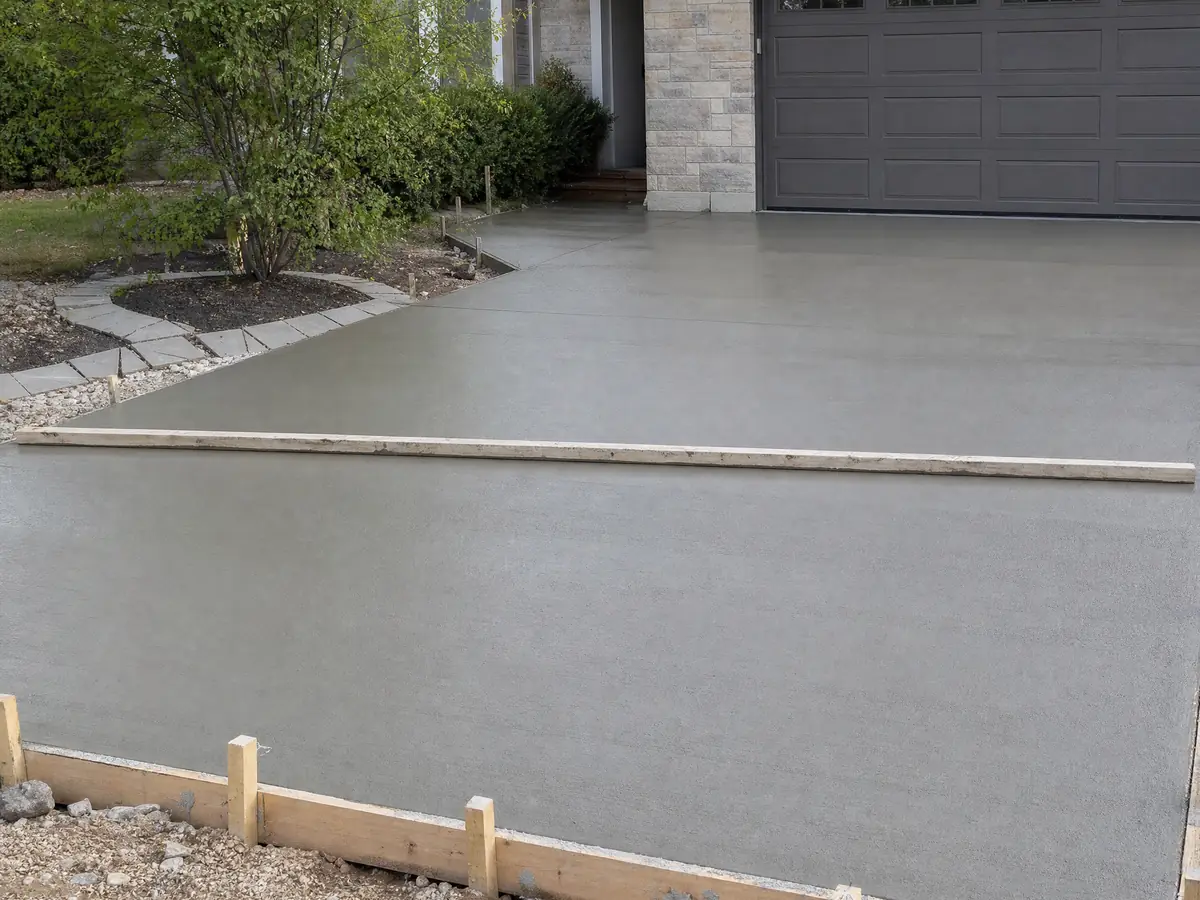
Can I pour a concrete patio without a permit in Yucaipa, and when does grading take over?
We could not confirm whether flatwork needs a building permit. The City pages and handouts we opened say nothing about patios, walks or driveways, so call Building & Safety at 909-797-2489 with the size, thickness and location. We did not read the fee schedule, so we state no fee.
Earthwork has numbers. Municipal Code 15.12.060 exempts footing excavation authorized by a building permit, though not any excavation over 5 feet unsupported, along with excavations up to 50 cubic yards that stay less than 2 feet deep. Paving over 3,000 square feet on natural grade for a private road or a commercial or multiresidential lot needs a grading permit, and no grading over 200 cubic yards may happen between October 15 and April 15 without an approved erosion control system. Grading over 500 cubic yards is engineered grading.
Sloped lots add more. The Hillside overlay, which starts above a 15.1 percent slope, allows driveway grades up to 12 percent with a parking landing wherever the grade exceeds 10 percent, and finished slopes may be no steeper than 2:1. Sign-off on a driveway pour can hinge on those numbers.
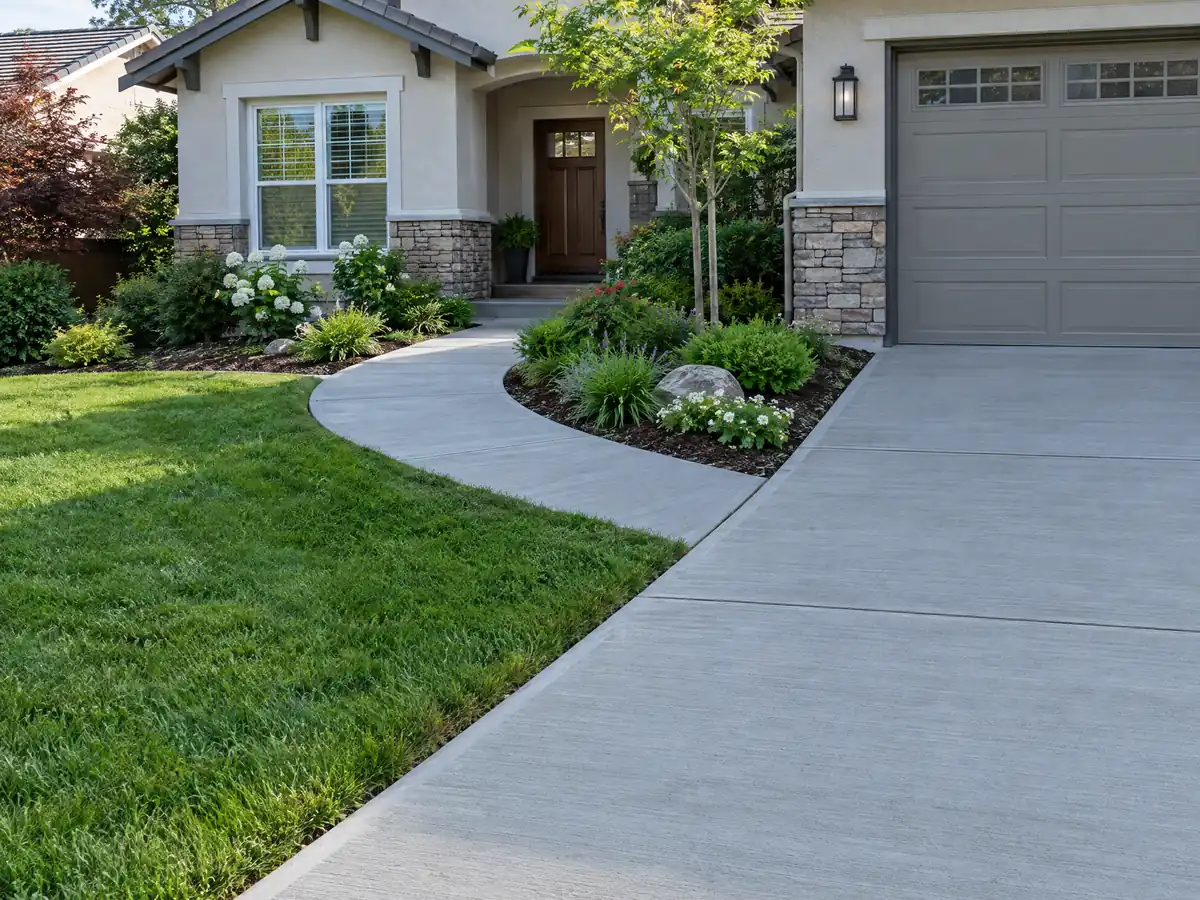
Can you pour, trench or park on the roots of an oak tree in Yucaipa?
Not without approval. Any oak, except scrub oak, needs an oak tree permit to cut, remove or encroach into its protected zone, and the code counts trenching, excavating, paving, grading and parking as encroachment. A new patio slab or a trench for drainage beside an oak is the kind of work that can trigger the permit even when no tree is cut.
The exemptions are narrow: trees 2 inches or less in diameter, disaster-damaged trees the Planning Agency finds dangerous, removals the fire department requires, and nursery stock. The Director can approve removal of three or fewer oaks on a parcel, and four or more go to the Planning Commission and City Council. Other native trees with a stem diameter of six inches or more in the valley area need City approval to remove.
Tell the contractor about every oak before the layout is drawn, so the plan can be checked against each protected zone. The City's Oak Tree Conservation Guidelines were not opened, so we state none of their standards.
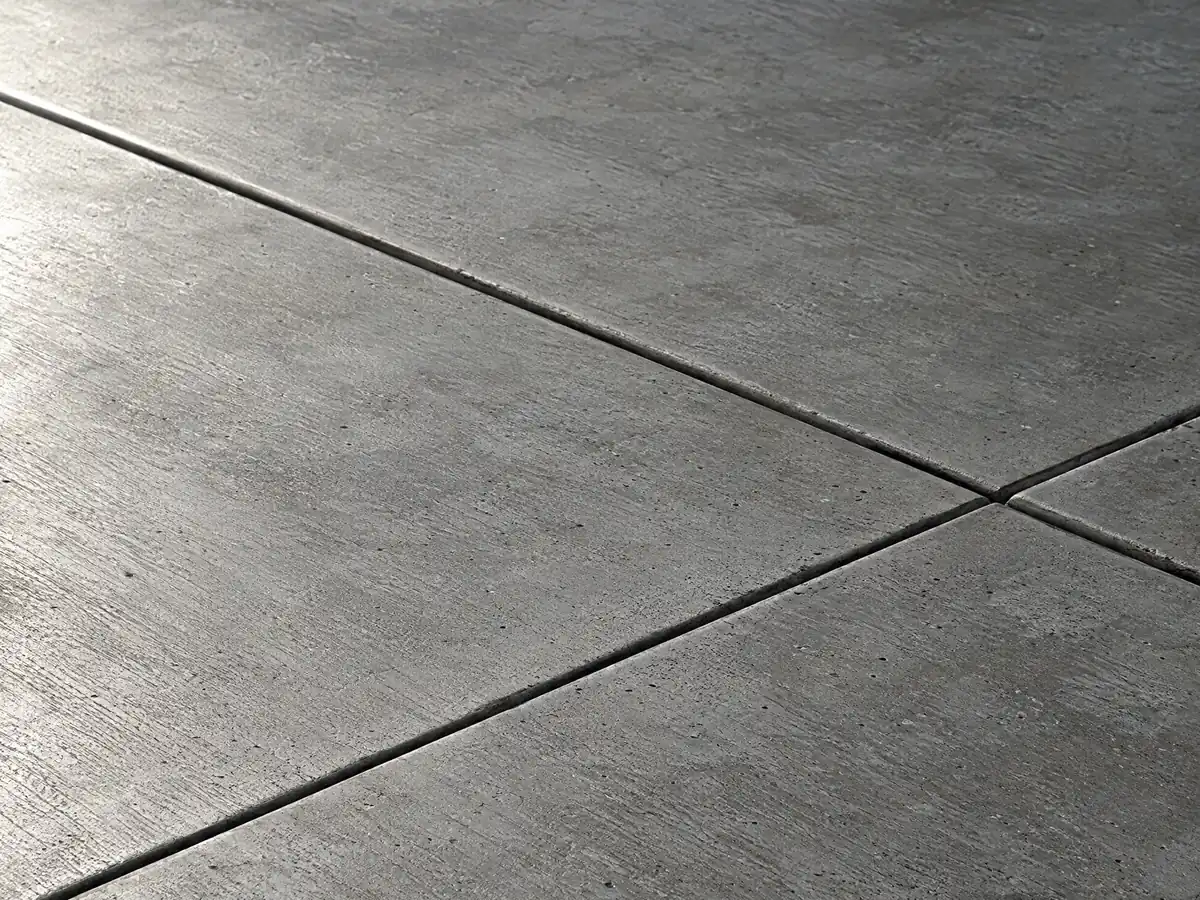
What do Yucaipa's clay, corrosive soils and frost line mean for slabs and footings?
They mean soil questions before the pour. The Safety Element lists clay and young, low-compacted soils that swell and shrink with moisture, mostly beside drainage courses, and corrosive low-pH soils that can attack buried metal pipe and concrete foundations on adjacent hillsides, in Central Yucaipa and in parts of Dunlap Acres. It also rates subsidence potential as low to moderate because the Yucaipa Basin is in overdraft.
The adopted Residential Code table, read in the mirror, lists a frost line depth of 12 to 24 inches and Seismic Design Category D1, D2 or E. Local amendments call for continuous footings under exterior walls, No. 4 bars at the top and bottom of turned-down slab footings, and interior bearing and braced-wall footings cast with the slab at least 12 inches below grade.
Flood adds a layer at mapped addresses. The Floodplain Safety overlay adopted FEMA's maps effective October 30, 2025, and new construction and substantial improvements there need anchoring, flood-resistant materials and elevated lowest floors. Ask for a soils opinion on a new slab beside Wilson Creek or Wildwood Creek.
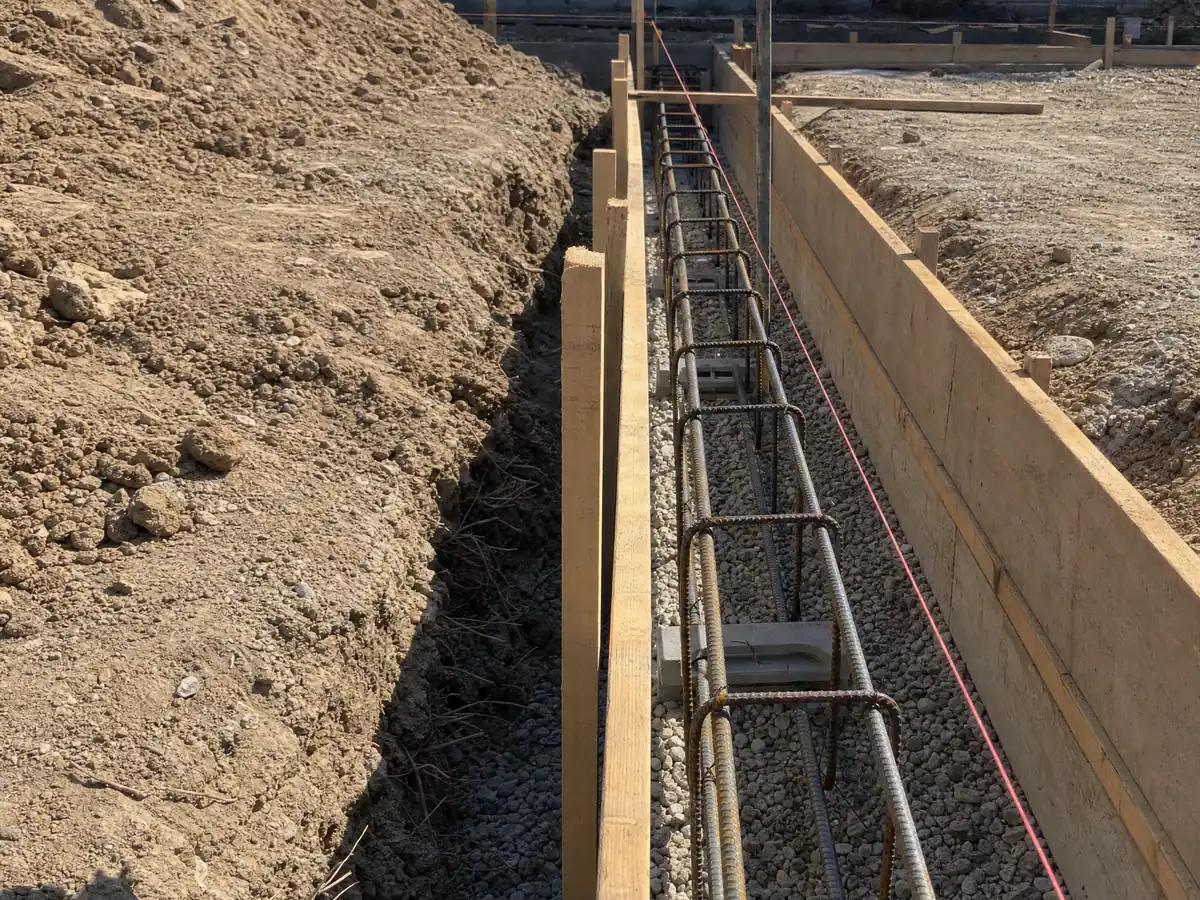
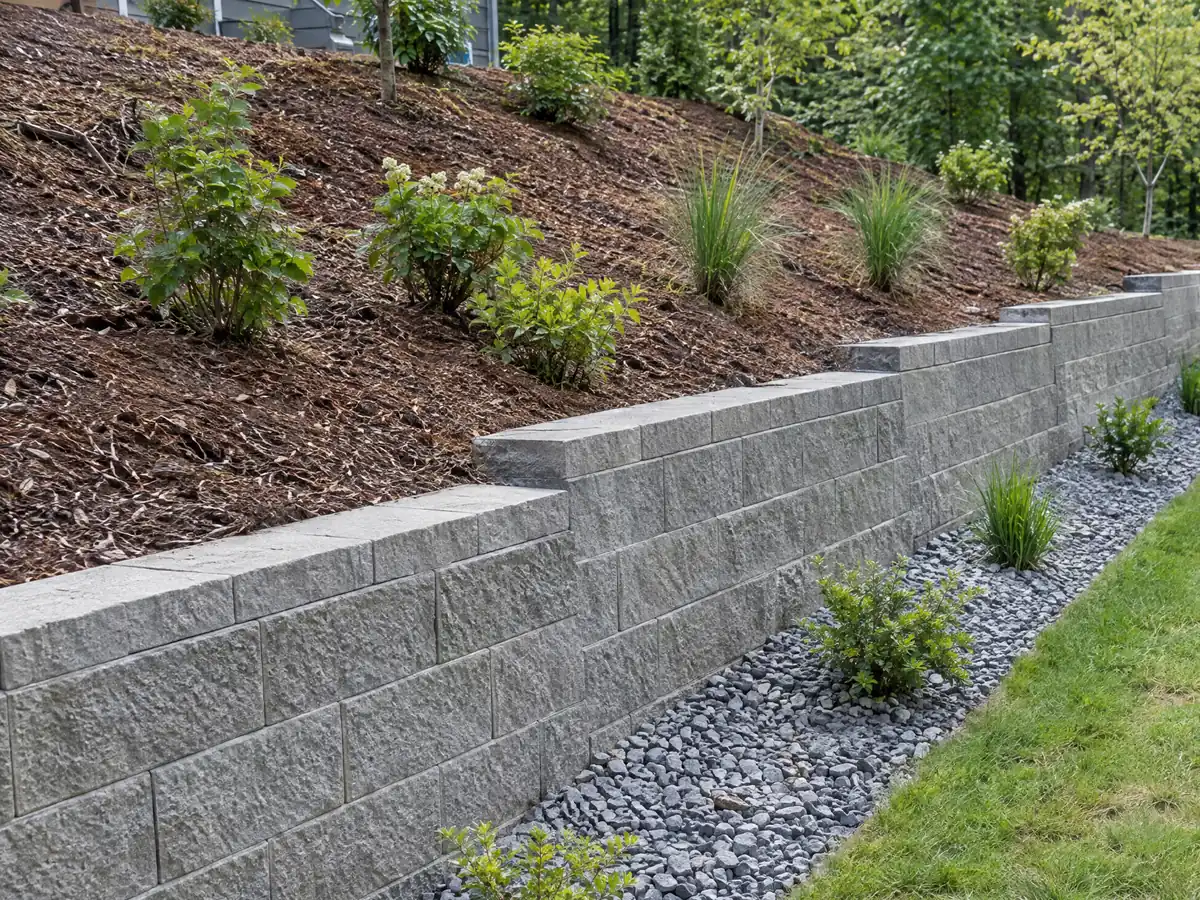
What is the maximum height of a retaining wall without a permit in California, and what does Yucaipa add?
Yucaipa's amended code exempts fences not over 6 feet and block walls not over 4 feet from a building permit, but exemption is not approval. The City's planning FAQ sets 4 feet as the top height in a front yard setback and 6 feet beyond it, requires a Variance for anything taller and bans fences in the public right-of-way, and the Development Code bars any wall or fence in a clear sight triangle.
The City's Garden Block Wall standard covers walls up to 6 feet with footings sized by height. It forbids any wall within 36 inches of a fire hydrant or 12 inches of a water meter, and says Planning must approve the plans before a permit issues. For retaining walls, the City's Retaining Block sheet says any wall with a sloped surcharge needs a California engineer and is not designed for vehicle surcharge, so a wall above a driveway or below a slope is an engineered job.
What concrete does a mobile home or a patio cover need in Yucaipa?
A manufactured home on its own lot needs a permanent foundation. The adopted HUD amendment requires a poured-in-place reinforced concrete perimeter footing, with the home anchored to it at points no more than 48 inches apart. Outside licensed parks, the City also refuses a permit to install a manufactured home if more than 10 years have passed since it was manufactured. Park coaches follow park and state rules, so ask the park.
The City's wood patio cover standards show the footing side of a cover. They assume 1,000 psf soil bearing, 18 or 24 inch square footings 12 inches deep, 2,500 psi concrete and pre-drilled ledger lag bolts, and they say the covers are not designed to be enclosed. Development Code 87.0510 allows an attached open-sided patio roof in the rear yard with at least a 5 foot separation from the rear lot line. Confirm which standard sheet applies to your cover before the footings are dug.
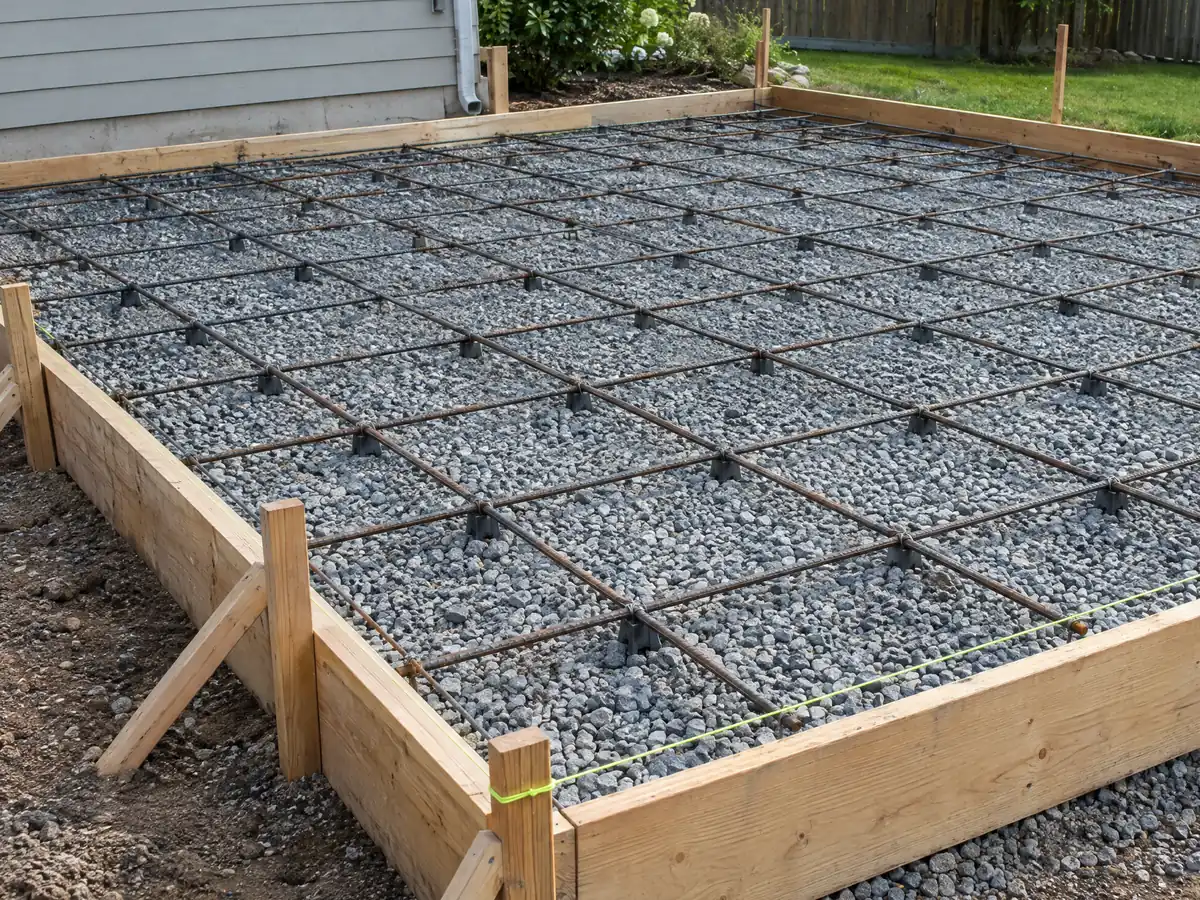
How much does concrete work cost in Yucaipa, and who needs which license?
No Yucaipa price study with a stated method turned up, so the anchors are Angi's Los Angeles pages and Inland Empire bids may differ. Its August 4, 2026 patio page gives $4 to $13 per square foot with an average project of $5,248, the July 20, 2026 stamped page gives $15 to $30 with an average of $5,948, and the May 5, 2026 driveway page gives $8 to $20 with an average of $7,270.
Our own planning ranges are $8 to $14 per square foot for patios, walks and slabs of 300 square feet or more, $15 to $30 for stained, stamped or exposed aggregate finishes and $9 to $20 for a driveway replaced with the old slab removed. Small jobs run above those figures because of minimum charges, and walls are priced after a site visit. Federal data show cement masons in the Los Angeles-Long Beach-Anaheim area earning a mean $33.67 an hour in May 2025.
CSLB's C-8 class covers forming, placing and finishing concrete, and block walls belong to C-29 masonry. Our license check guide shows how to read a CSLB record, and the subcontractor guide explains who forms and who finishes.
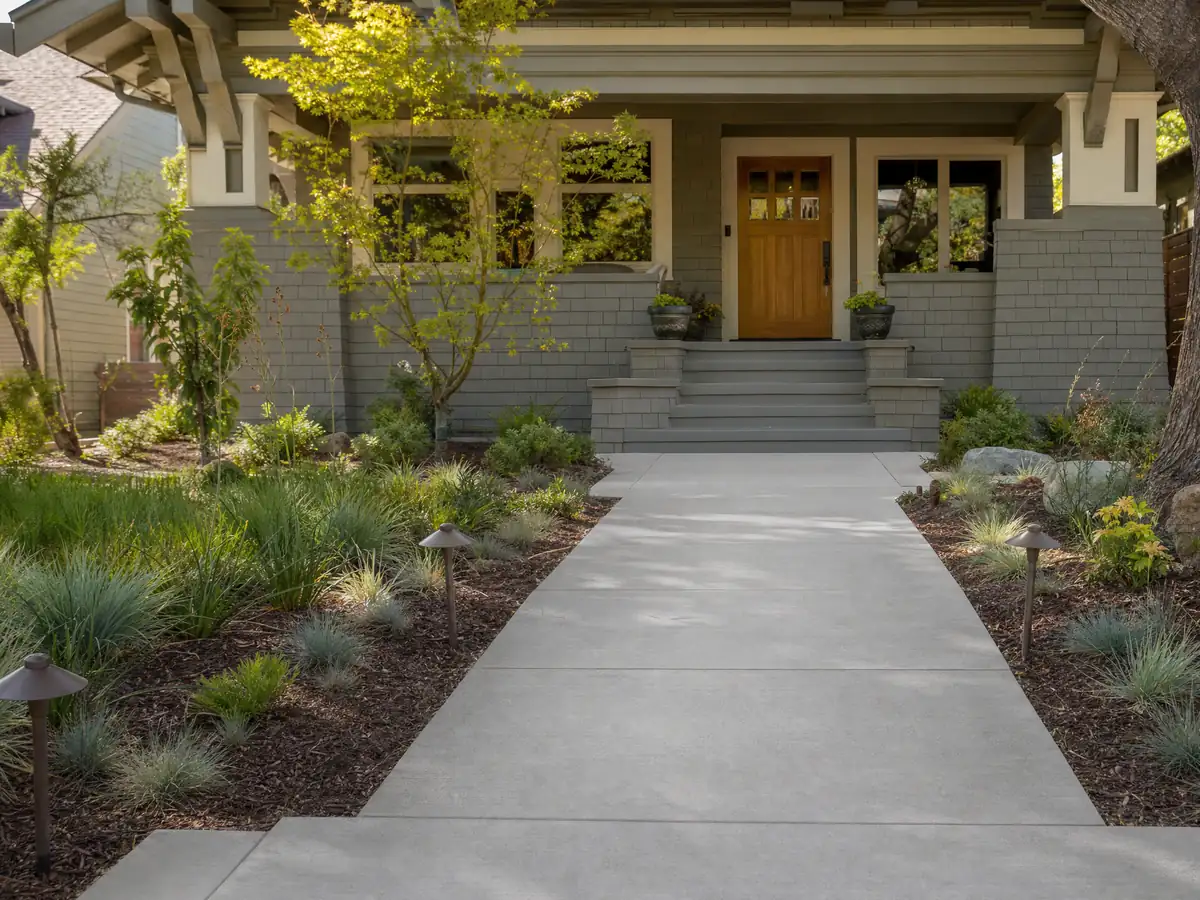
Concrete photos from Yucaipa and nearby communities
Forms, rebar, finished flatwork and block walls from Yucaipa and the foothill neighborhoods around it, shown at the steps where the rules matter. Tap any photo to enlarge it.
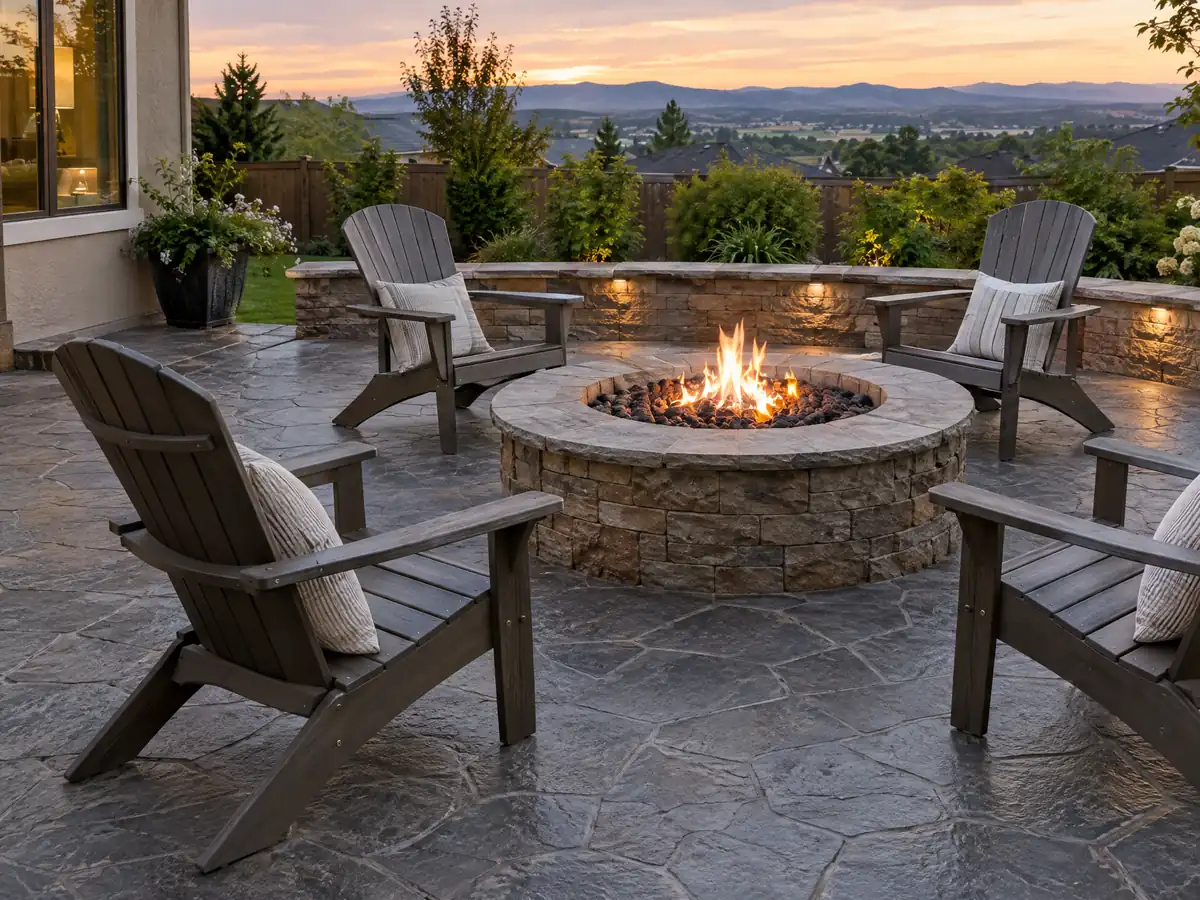
What concrete costs around Yucaipa
The dollar figures on this page are Los Angeles planning ranges from our concrete page, not a Yucaipa bid, so ask for demolition, haul-off, base, rebar, dust control and any wall or grading permit as separate lines. Yucaipa pours often pair with a deck builder in Yucaipa or flooring in Yucaipa. Around the pass and valley, read concrete in Beaumont, concrete in Banning and concrete in San Bernardino and concrete in Fontana, with concrete in Los Angeles as the big-city benchmark. Redlands, Highland and Loma Linda have no pages here yet. The flooring cost guide prices what goes on top of a finished slab.
| What it covers | Typical range |
|---|---|
| Patio, walkway or slab, broom finish, 300 sq ft or more | $8 to $14 per square foot |
| Decorative: stained, stamped or exposed aggregate | $15 to $30 per square foot |
| Driveway replacement, with demolition of the old slab | $9 to $20 per square foot |
| 20 by 20 foot plain patio (400 sq ft) | About $3,200 to $5,600 |
| 20 by 20 foot decorative patio (400 sq ft) | About $6,000 to $12,000 |
| Small jobs under 300 sq ft | Usually above the per-foot range |
| Retaining walls | Set by the written proposal |
Yucaipa concrete questions, answered
Can I pour a concrete patio without a permit?
Ask first, because we found no City sentence on patio slabs, walks or driveways. A cover over the slab is a structure with its own rules, and trees, grading and walls add more. Call Building & Safety at 909-797-2489 with the size, thickness and location, and get the answer in writing.
Does Yucaipa's wind erosion ordinance affect a small pour?
The soil disturbance permit does not, because it applies only above one acre, but the duty to prevent blowing dust still does. Development Code 810.03 lets the Director issue a stop work order when substantial dust is airborne, with first infractions fined $50 to $100. Wet or cover loose soil, especially during Santa Ana winds.
Do I need an oak tree permit to pour concrete near an oak?
Possibly, because paving, trenching, excavating, grading and parking all count as encroachment into an oak's protected zone. Any oak except scrub oak is covered, and exemptions are limited to small trees, hazard trees and nursery stock. Show the contractor every oak before the layout is set.
Is 4 inches of concrete thick enough for a driveway?
No Yucaipa rule we found sets it, so thickness is a design choice. Four inches is common for walks and patios, but vehicles, soil and base change the answer for a driveway. Yucaipa's clay and corrosive soils make it sensible to ask for thickness, mesh and joints in writing.
How much should a 20x20 concrete patio cost?
A 20 by 20 patio covers 400 square feet, so our planning range of $8 to $14 per square foot gives $3,200 to $5,600. Angi's Los Angeles patio page shows a wider $1,600 to $5,200 for that size. Yucaipa bids vary with access, base, finish and any tree work.
What is the maximum height of a retaining wall without a permit in California?
Yucaipa's amended code exempts block walls not over 4 feet from a building permit, and the planning FAQ limits any front yard setback wall to 4 feet. The City's retaining sheet says a wall with a sloped surcharge needs a California engineer, so a wall above a driveway or below a slope is not a simple exempt wall.
How much does a 300 sq ft stamped concrete patio cost?
Angi's Los Angeles stamped page, dated July 20, 2026, shows $15 to $30 per square foot, which puts 300 square feet at $4,500 to $9,000. Its average project is $5,948. Inland Empire bids can differ, and a small job's minimum charge may exceed the per-foot math.
What concrete does a manufactured home need in Yucaipa?
A manufactured home on its own lot needs a poured-in-place reinforced concrete perimeter footing with the home anchored to it at points no more than 48 inches apart. Homes in licensed parks follow park and state rules instead, and the City is the local enforcement agency for the parks.
What should concrete work in Yucaipa include in the proposal?
Concrete work should list demolition, base, thickness, reinforcement, joints, finish, dust control and haul-off as separate lines. Ask who pulls each permit and who handles tree or wall approvals. Ask each subcontractor for a license number and certificate of insurance, and keep any down payment at or under the lesser of $1,000 or 10 percent.
What license does a concrete company need in Yucaipa?
Poured flatwork belongs to the C-8 concrete class, and block walls fall under C-29 masonry. A job that needs a permit must go to a licensed contractor, so look up the license number on the CSLB website before you sign.
Tell us what you want poured, its size and what stands near it
Describe the patio, driveway, walk, wall or footing, the rough size and whether an oak, a slope, a creek or a property line is close. Dust, tree and wall questions go with us to the first visit.