
Fence Companyin Highland, CA
A fence company in Highland can build a wood, vinyl, chain link or metal fence up to 6 feet without a building permit, but a masonry or concrete fence needs one above 3 feet. Zoning caps front yards at 4 feet and side and rear yards at 6 feet. Fences in fuel modification or fire interface areas must be noncombustible.
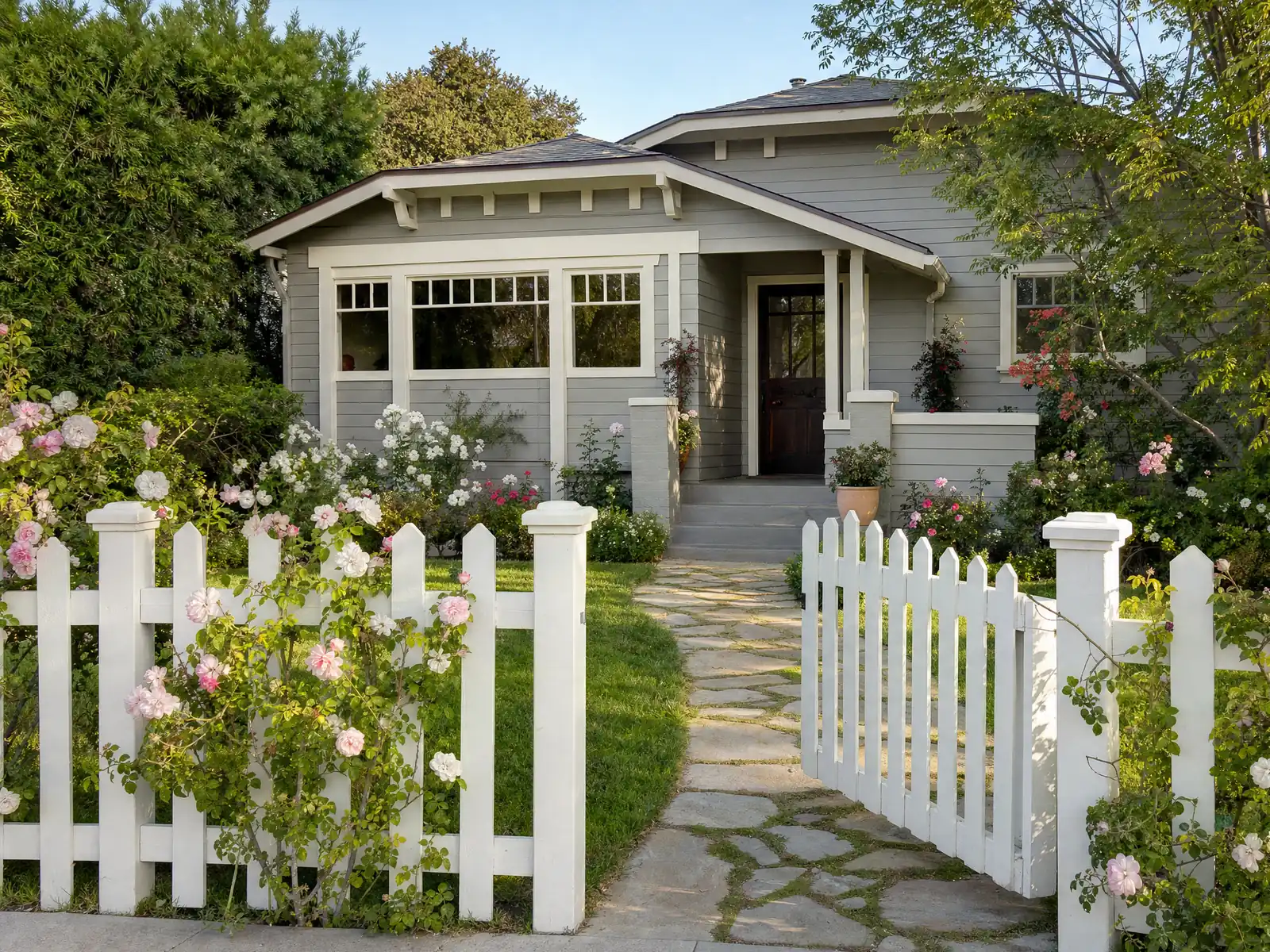
Highland's fences run through a city that began as a citrus colony. The Land Use Element says the townsite was surveyed in 1891 and recorded in 1893, that a row of packing houses grew along the rail line and that a disastrous freeze hit the groves in 1937. Most of the housing came much later: ACS 2020 to 2024 estimates count 16,795 units, 75.2 percent of them single-family detached, with 8,992 built from 1980 through 2009 after the 1987 incorporation and the East Highlands Ranch planned community. East Highland Village still keeps small 5,000 square foot lots from the citrus-laborer era, and the code bars those parcels from being subdivided.
On a fence job, MDG Builders (CSLB #1040337) reads the zoning chapter before anything is priced, files what the City asks for and sequences the trades, while licensed subcontractors do the field work: a C-13 fencing contractor for wood, vinyl and metal and a masonry contractor for block, because C-13 excludes masonry walls. The fencing page lists our sourced prices, the Highland overview covers the other trades, and the San Bernardino and Rialto guides show how two neighbors set their limits. Zoning questions go to the City's Planning Division, while Building & Safety handles the permits themselves. The City's pages opened for us, but its Municipal Code link returned an access error, so the code sections below come from GoCodebook, a third-party mirror dated October 4, 2026. Confirm each rule with Planning.
What Highland's fence exemption, zoning chapter and Policy 355 say about fences
Where fencing permits come from in Highland: City of Highland Building & Safety Division.
- Permit exemption for fences: Municipal Code 15.04.030(A)(2) exempts wood, chain-link, plastic, vinyl, metal or similar fences not over 6 feet and masonry or concrete fences not over 3 feet (measured from the lowest adjacent grade) as long as they do not serve as a swimming pool enclosure; the City's Permit Exceptions page states the same 3 and 6 foot limits and reminds owners that zoning height limits still apply. (GoCodebook mirror, text as of 2026-10-04).
- Zoning height limits (16.40.100): in a required front yard a fence or wall may not exceed 4 feet, or 5 feet if the part above 3 feet is wrought iron or another 90 percent light-permitting material, with solid pilasters allowed up to 12 inches above the fence for a 6 foot maximum; interior side, rear and street side yards allow 6 feet measured from the highest adjacent grade as long as the fence does not extend into the required front yard, and reversed corner lots need sight lines. (GoCodebook mirror, text as of 2026-10-04).
- Fence material rules: new housing developments must use solid block or an approved alternative unless design review decides otherwise, visible retaining portions must be softened with raised planters or 2:1 landscaped slopes, fences in the Village Residential district must follow the Historic and Cultural Preservation Board's guidelines, and in very high fire zones all fences inside fuel modification or wildland-urban interface areas must be noncombustible (16.40.100 and 16.40.450). (GoCodebook mirror, text as of 2026-10-04).
- Retaining walls: the Permit Exceptions page exempts walls not over 4 feet from the bottom of the footing unless they carry a surcharge or sloped backfill steeper than 2:1, but Policy 355 (April 2019) says every residential retaining wall, permitted or exempt, must be reinforced (horizontal steel in the footing and vertical steel tying footing to wall), with narrow exceptions for a wall of 2 feet or less around a flat planter or where an HOA maintains the slope; the City publishes standard plans for retaining walls and freestanding block walls up to 6 feet.
- Pool barriers and pools: a fence that serves as a swimming pool enclosure is not covered by the fence exemption, and above-ground pools are exempt only if prefabricated, under 18 inches deep and 5,000 gallons or less; pools must sit at least 5 feet from side and rear lot lines measured to the coping, and a pool proposed on its own needs a department review permit from Planning (16.44.230). (GoCodebook mirror, text as of 2026-10-04).
How tall can a fence be in a Highland front yard, side yard or backyard?
Zoning section 16.40.100 sets the limits by yard. In a required front yard a fence or wall may not exceed 4 feet, or 5 feet when the part above 3 feet is wrought iron or another material that is at least 90 percent light-permitting. Solid pilasters may rise 12 inches above the fence, for a 6 foot maximum at the pilaster. Interior side, rear and street side yards allow 6 feet, measured from the highest adjacent grade, as long as the fence does not extend into the required front yard.
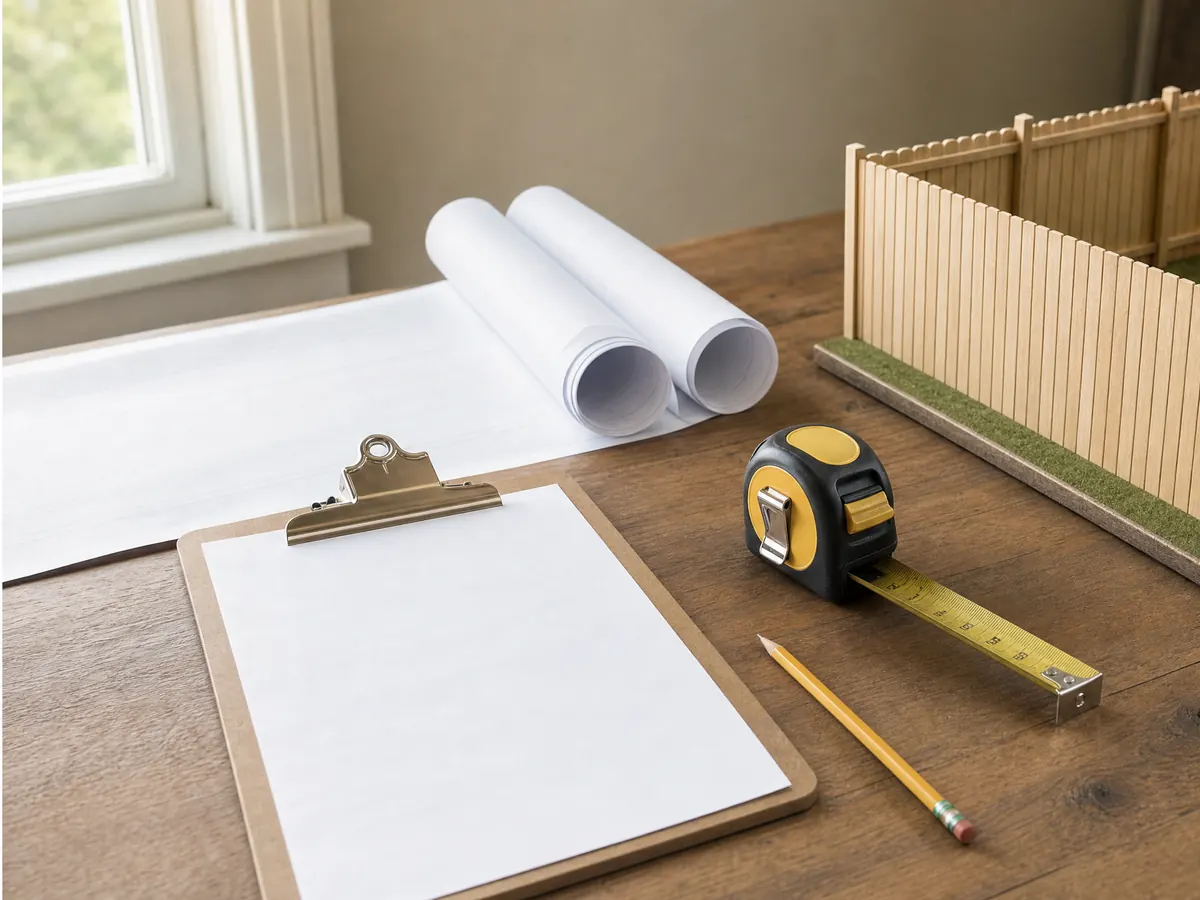
Grade is counted two ways. The building exemption measures from the lowest adjacent grade, while zoning measures from the highest, so on a lot that steps down toward a neighbor a fence can clear one test and miss the other. A reversed corner lot also needs sight lines. Highland's R-1 standards set a 25 foot front setback and 15 feet on a street side, which tells you where the required front yard begins. Walk the lot with the plot plan and a tape before panels are ordered.
Ask Planning to mark the required front yard on a plot plan.
Does a block wall need a permit in Highland when a wood fence goes to 6 feet?
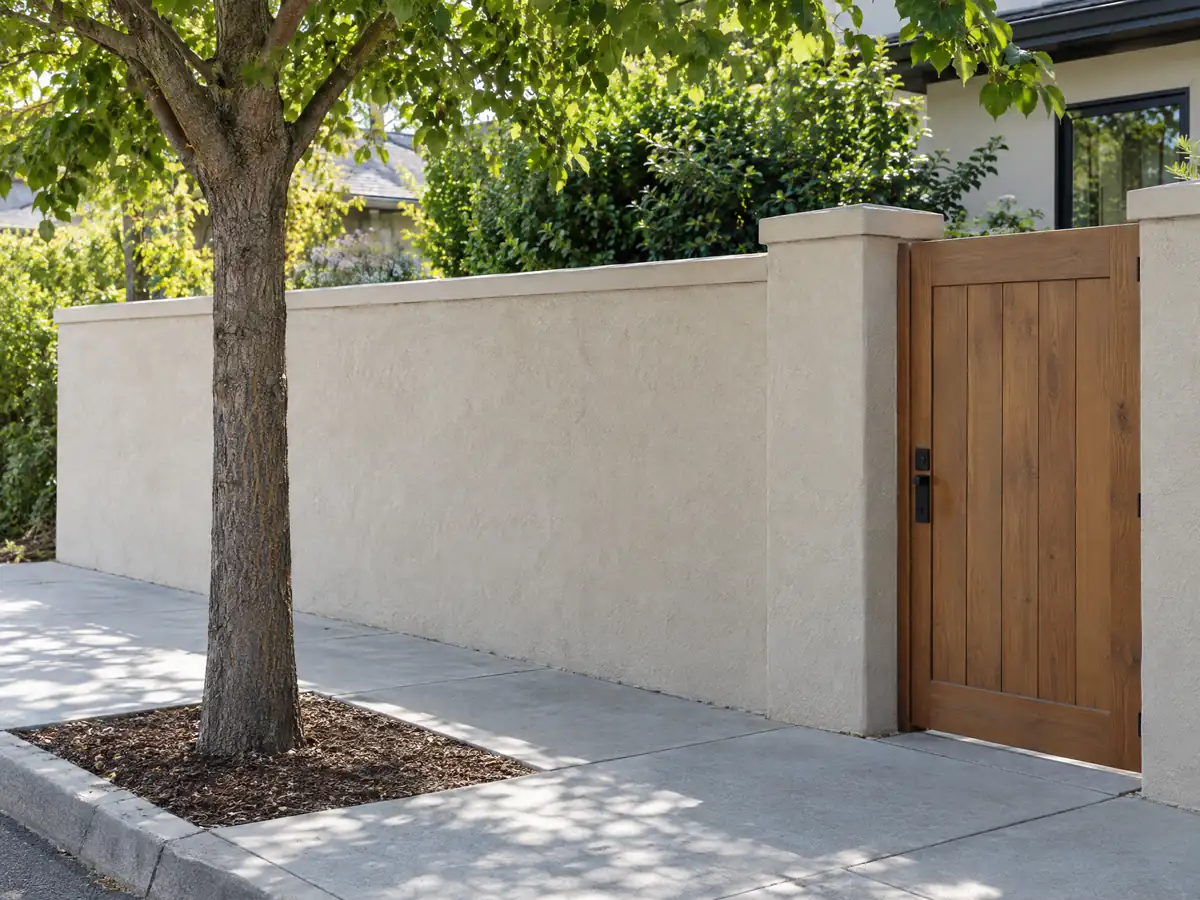
Yes, above 3 feet. Municipal Code 15.04.030(A)(2) exempts wood, chain-link, plastic, vinyl, metal or similar fences up to 6 feet and masonry or concrete fences up to 3 feet, measured from the lowest adjacent grade, as long as the fence is not a swimming pool enclosure. The City's Permit Exceptions page repeats the 3 and 6 foot limits and reminds owners that zoning height limits still apply. A 6 foot block wall is therefore a permitted structure here, and the 7 foot exemption in the state's model building code list does not carry over.
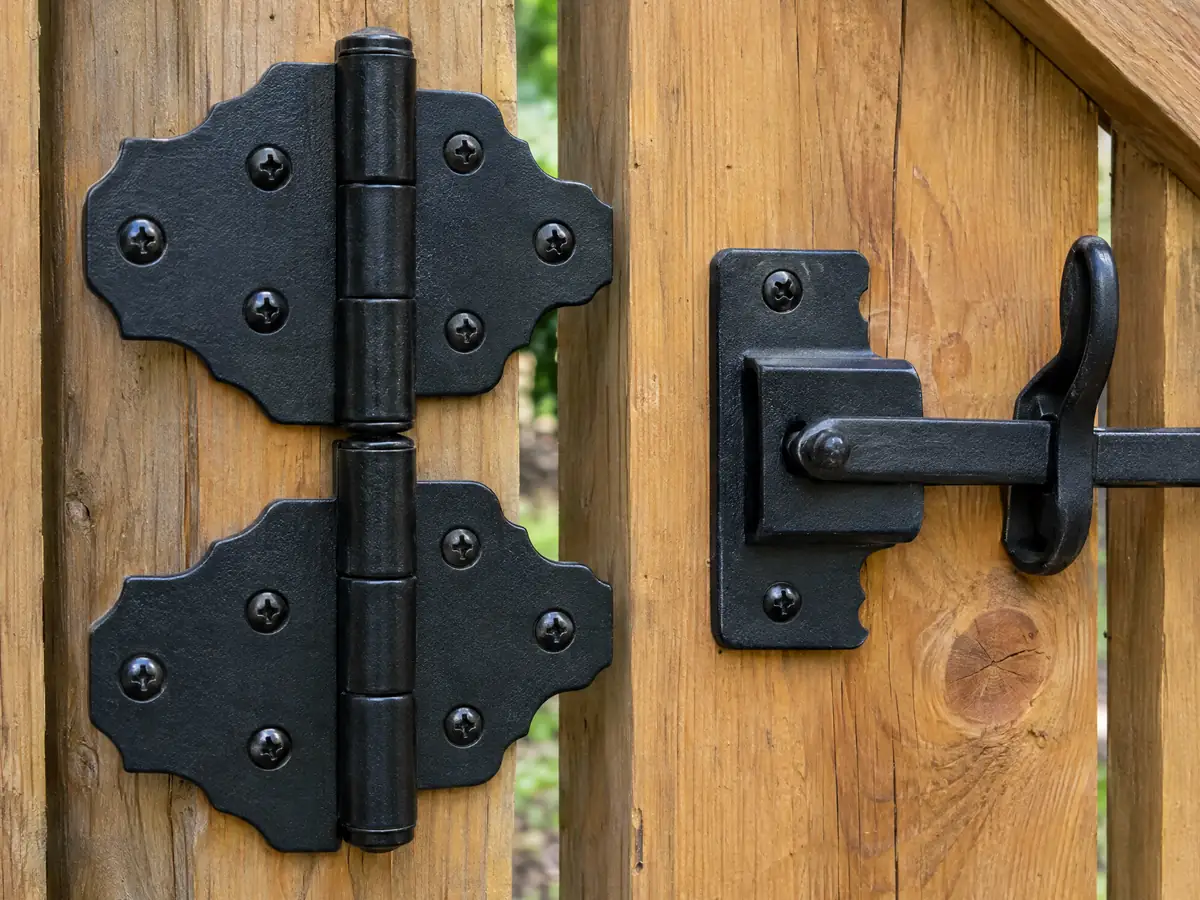
The City publishes standard plans for freestanding block walls up to 6 feet, which gives a mason a starting point for plan check. New housing developments must use solid block or an approved alternative unless design review decides otherwise, and a retaining portion that shows must be softened with raised planters or 2:1 landscaped slopes. Because C-13 fencing excludes masonry, the wall is a C-29 masonry subcontract, and the wood gate or iron panel set on it may be a second trade.
Ask whether the wall follows the City's standard plan or needs a stamped one.
Which fences does Highland allow inside its fire zones?
Inside fuel modification or wildland-urban interface areas, Municipal Code 16.40.100 and 16.40.450 require every fence to be noncombustible. In effect that closes those areas to wood and vinyl runs and points to block, steel or another noncombustible material. The rule bites hardest in the very high zone east of Weaver Street and north of Greenspot Road, where the Safety Element says Highland Avenue is the only arterial. The Line Fire began on September 5, 2024 along Base Line near Alpine Street, burned 43,978 acres and led to evacuation orders for more than 9,200 homes.
Other fire rules touch a fence job. The WUI chapter requires 12-foot-wide vehicle access to within 10 feet of any static water source, a swimming pool or tank included, and lets the fire authority require a fuel modification area never narrower than 100 feet, so a gate or wall near a pool deserves a check against that access rule. The City's fire hazard severity zone page posts the State Fire Marshal's March 25, 2025 map, which the City must adopt by ordinance, and we found no adoption date. CAL FIRE, under a City contract, is Highland's fire authority.
Get your lot's zone in writing before choosing a fence material.
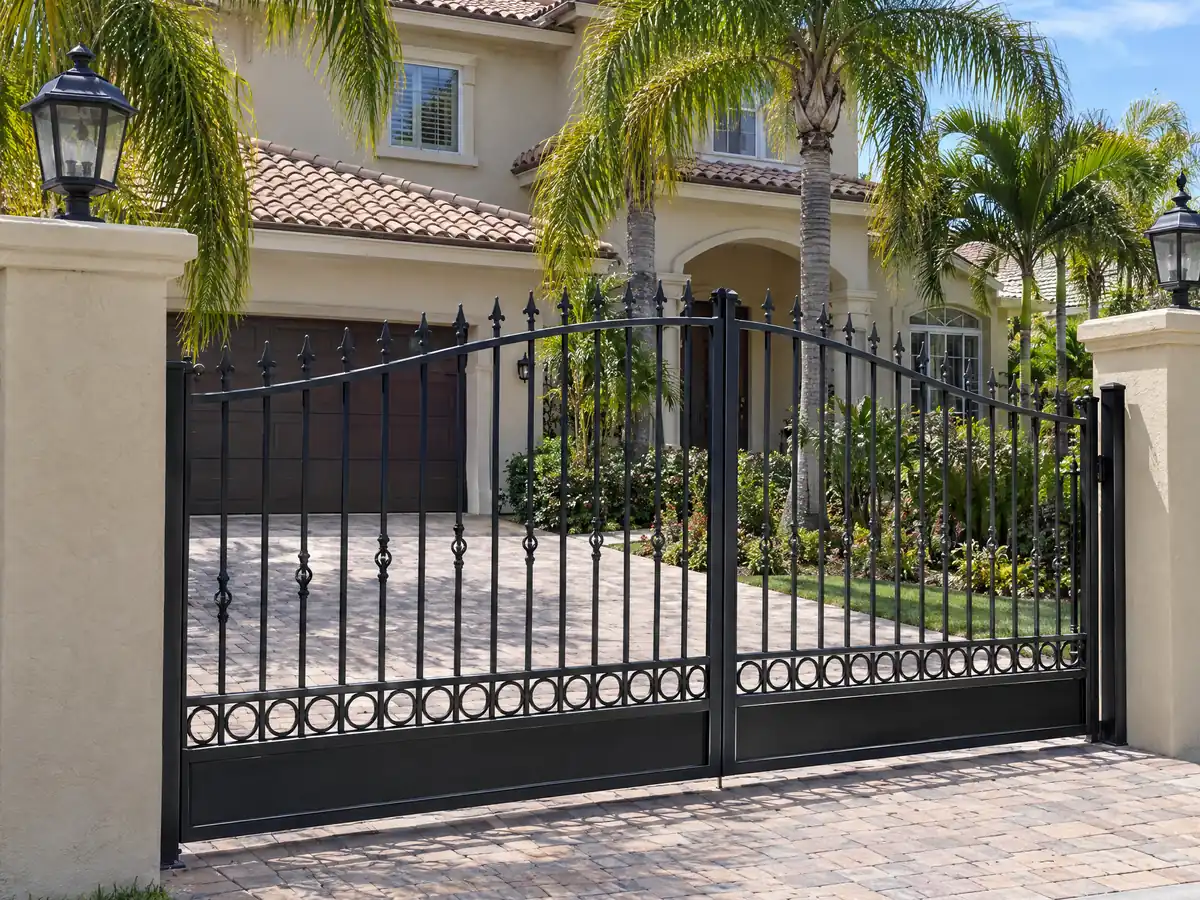
What do retaining walls, hillsides and drainage change for a Highland fence?
A wall that holds soil is a different job from a fence. The Permit Exceptions page exempts retaining walls up to 4 feet from the bottom of the footing unless they carry a surcharge or sloped backfill steeper than 2:1, but Policy 355 says every residential retaining wall, permitted or exempt, must be reinforced, with horizontal steel in the footing and vertical steel tying footing to wall. The narrow exceptions are a wall of 2 feet or less around a flat planter and a slope that an HOA maintains. A fence set on a wall adds load and height, so ask Building & Safety how the two are measured together.
Slope and water are the local reasons. Municipal Code 16.40.420 applies hillside standards to any lot averaging 10 percent slope or more, and 16.64.070 lets the City require an erosion and sediment control plan and stop work in bad weather. A mud and debris flood hit several neighborhoods on December 22, 2010, with damage above 21 million dollars by CAL FIRE's count, and Policy 355 and the drainage rules of Policy 290 are written around that kind of event. Keep posts and footings clear of engineered flow lines.
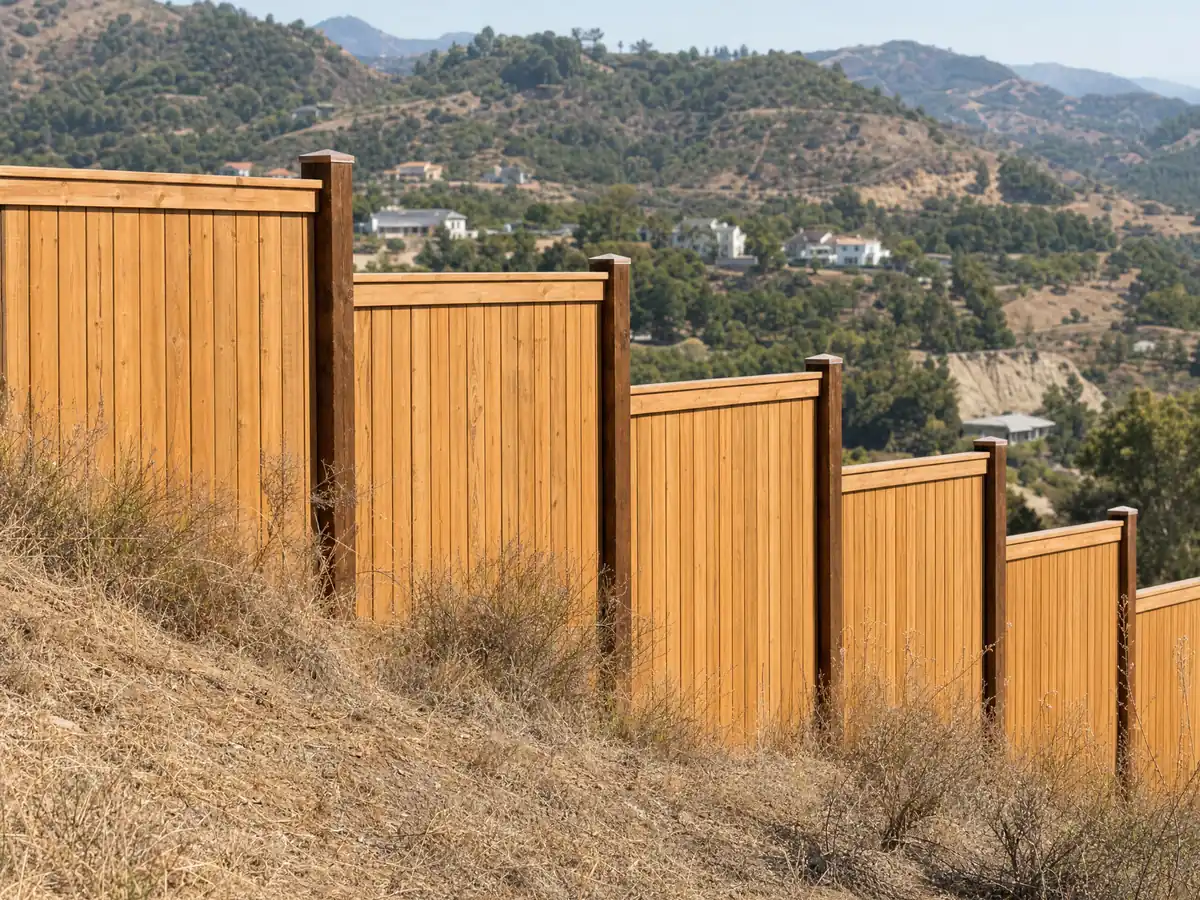
What does a Highland pool barrier have to meet?
A fence that serves as a swimming pool enclosure falls outside the fence exemption in Municipal Code 15.04.030(A)(2), so it needs a permit. Above-ground pools are exempt only if prefabricated, under 18 inches deep and 5,000 gallons or less. Pools must sit at least 5 feet from side and rear lot lines, measured to the coping, and a pool proposed on its own needs a department review permit from Planning under 16.44.230.
State law adds its own layer. Health and Safety Code 115922 asks for at least two of seven drowning-prevention features when a permit issues for a new or remodeled pool, with the enclosure standard in section 115923. We did not read the barrier height or the latch details, so ask Building & Safety for the current standard before panels are ordered.
Ask which two safety features the permit will count.
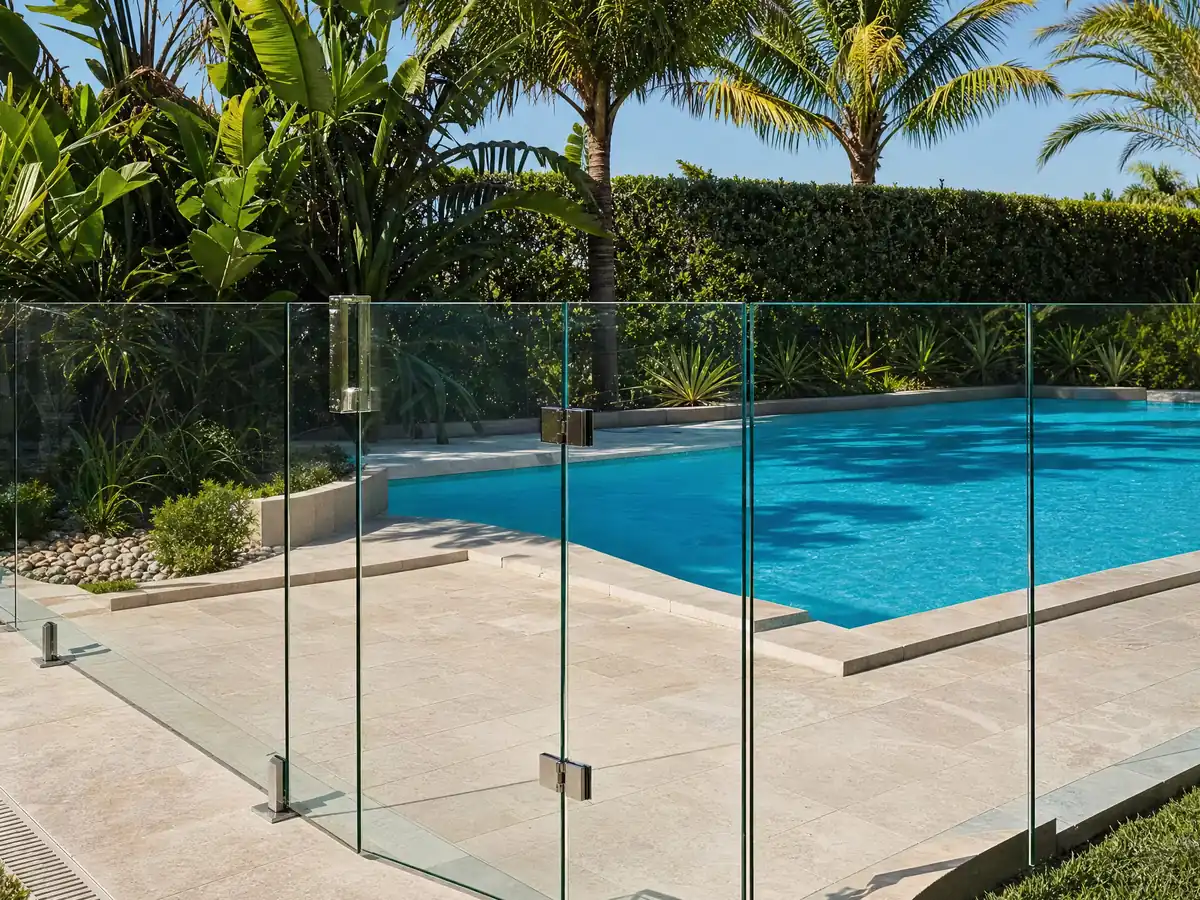
Who pays for a shared fence in Highland, and do old townsite lots follow other rules?
Under California Civil Code 841, adjoining owners are presumed to split the cost of a boundary fence that serves both lots, and one owner is expected to give 30 days' written notice before spending money on it. The presumption can be rebutted. A survey of the line comes before the fence does, because a post set on the wrong side is expensive to move.
In the Village Residential district, which preserves the historic character of the original townsite at 6 dwelling units per acre and 30 percent lot coverage, fences must follow the Historic and Cultural Preservation Board's guidelines. We did not read the guidelines themselves, so ask Planning for the current set before a style is chosen.
Old citrus can sit on a fence line. Municipal Code 16.64.040 requires a permit to remove a non-fruit tree on a lot over 20,000 square feet with a house, and fruit or nut trees planted in groves need a permit, an erosion control plan and a bond before they come out.
Send the written 30 day notice to the neighbor before you sign.
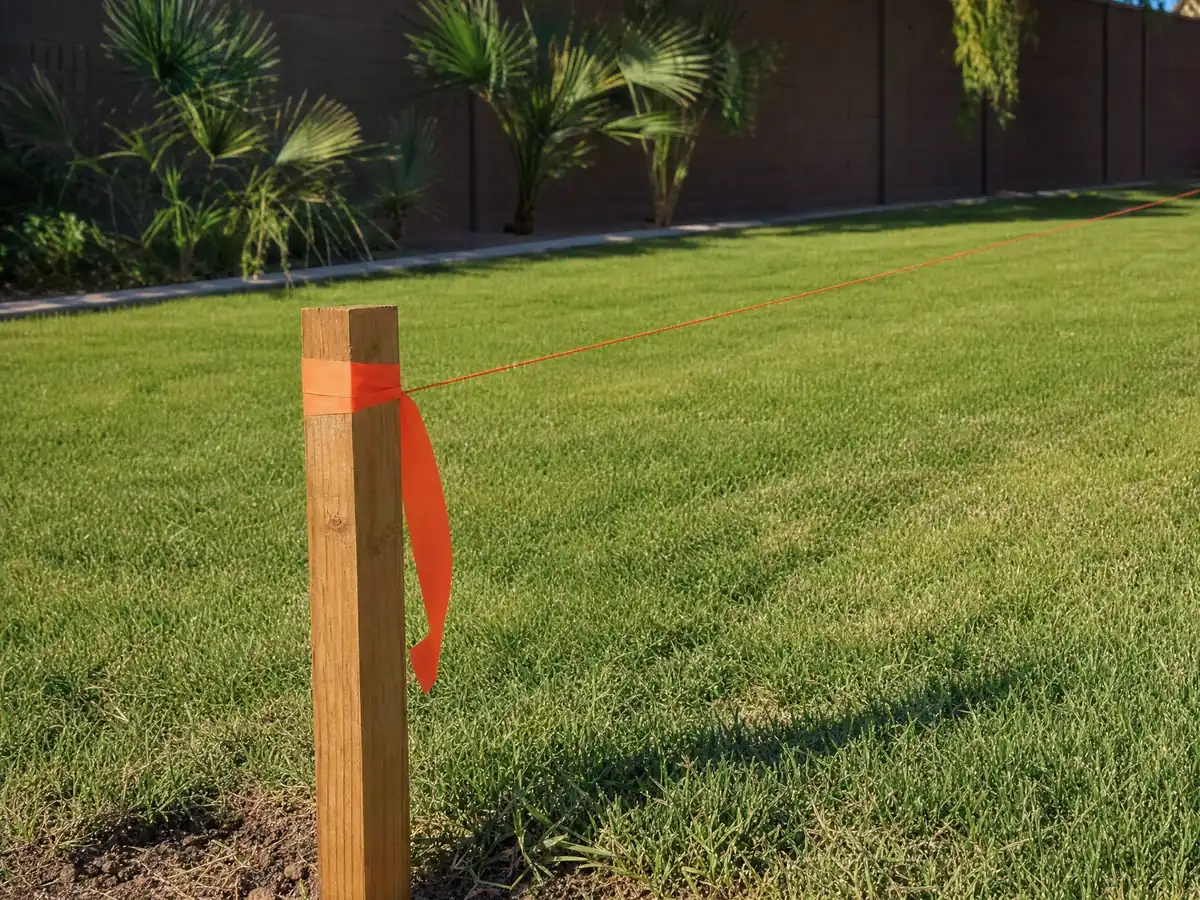
How much does fence installation cost in Highland, and what should the quote say?
We found no Highland price survey, so the figures here are Los Angeles ones. Angi's Los Angeles fence page, updated August 4, 2026, shows an average job of $3,051 within $1,734 to $4,422 and an average near $29 a linear foot within a $15 to $60 range, with $2,100 to $2,350 for 100 feet. That 100 foot row works out to roughly $21 to $24 a foot, which is why we quote ranges. HomeGuide shows $20 to $60 a foot and Thumbtack $23 to $57. Federal data put fence erectors in the Los Angeles-Long Beach-Anaheim area at a mean $28.00 an hour in May 2025, a labor check and not a billing rate.
For planning we use $25 to $55 per linear foot, installed, for a 6 foot wood or vinyl privacy fence, $35 to $85 for aluminum or ornamental iron and roughly $2,500 to $5,500 for a 100 foot backyard run. Block walls have no independent per-foot price in the sources we read, so we leave that number out. A written quote should name the fence type, height, footage, post spacing, footing depth, permit duties and old-fence removal. The license guide covers the lookup, and how general contractors use subcontractors covers the handoff between trades.
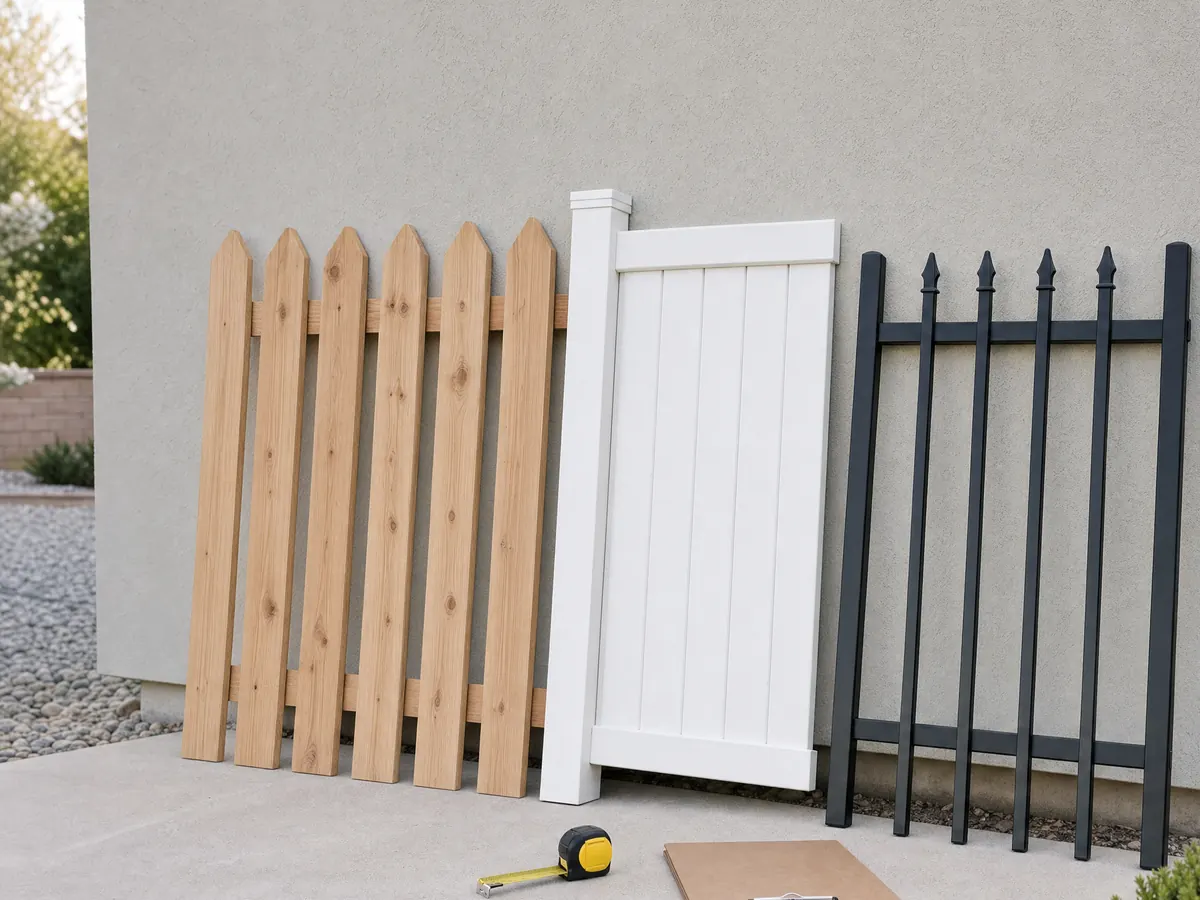
Fence photos from Highland and nearby communities
Fence scenes tied to Highland places such as East Highlands, East Highlands Ranch, Molino and the Greenspot Road corridor, and to nearby communities such as Redlands, Loma Linda, San Bernardino and Colton, from wood privacy runs and block walls to gates and pool barriers.
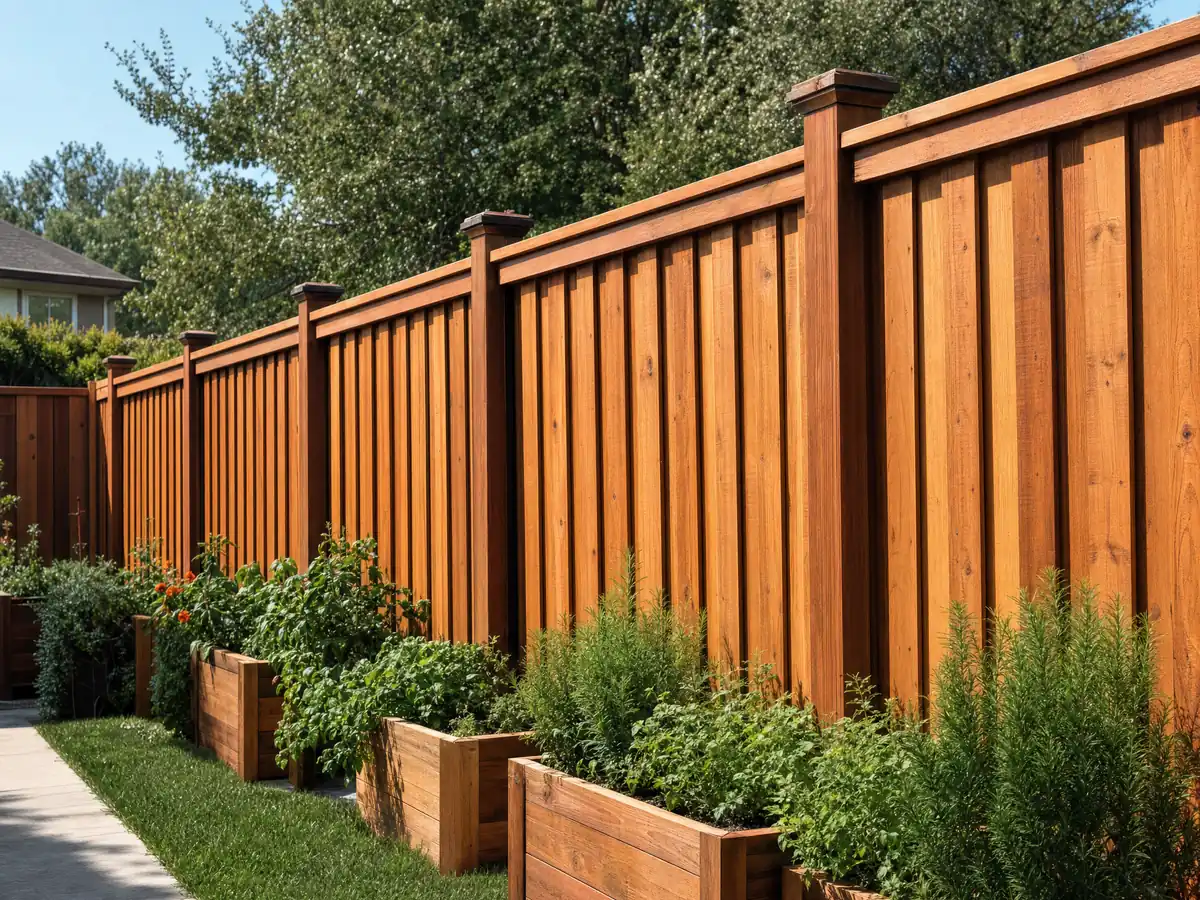
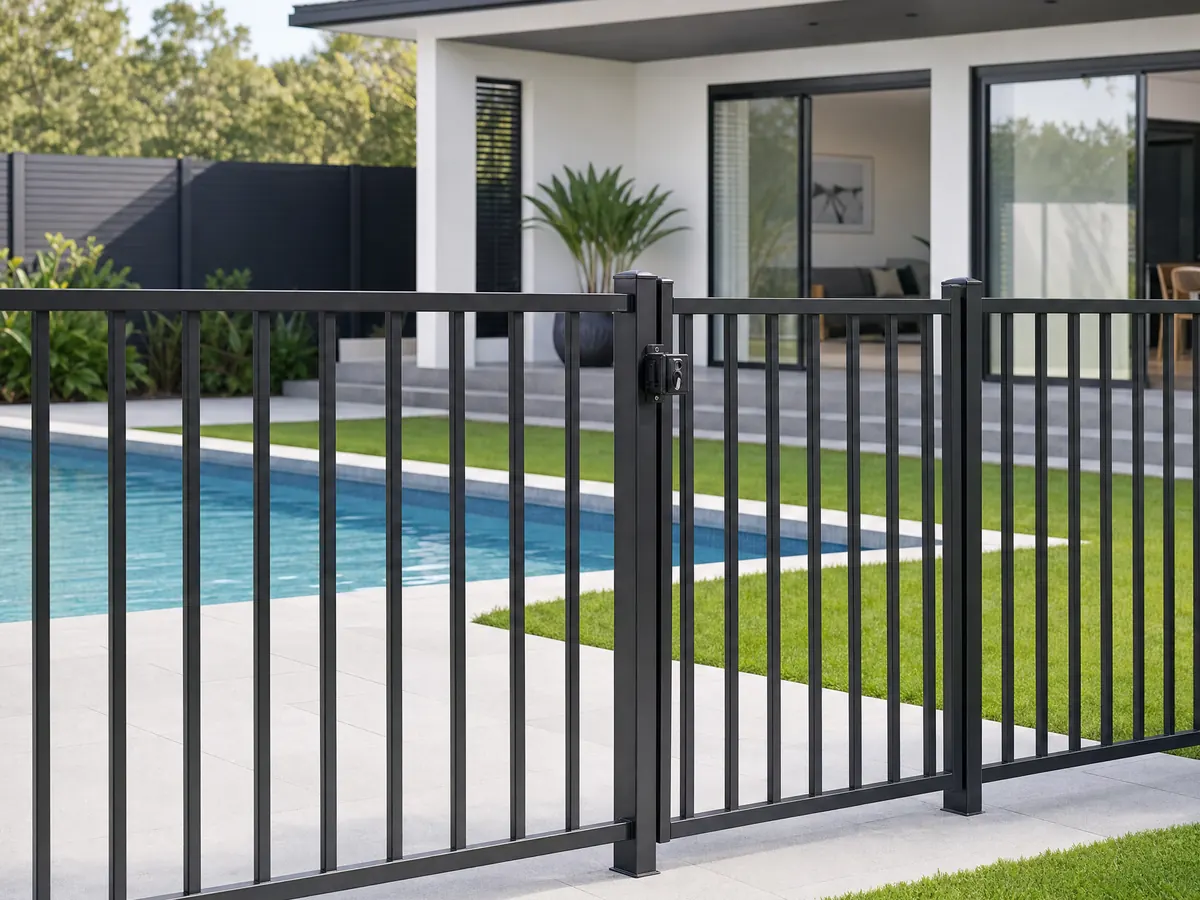
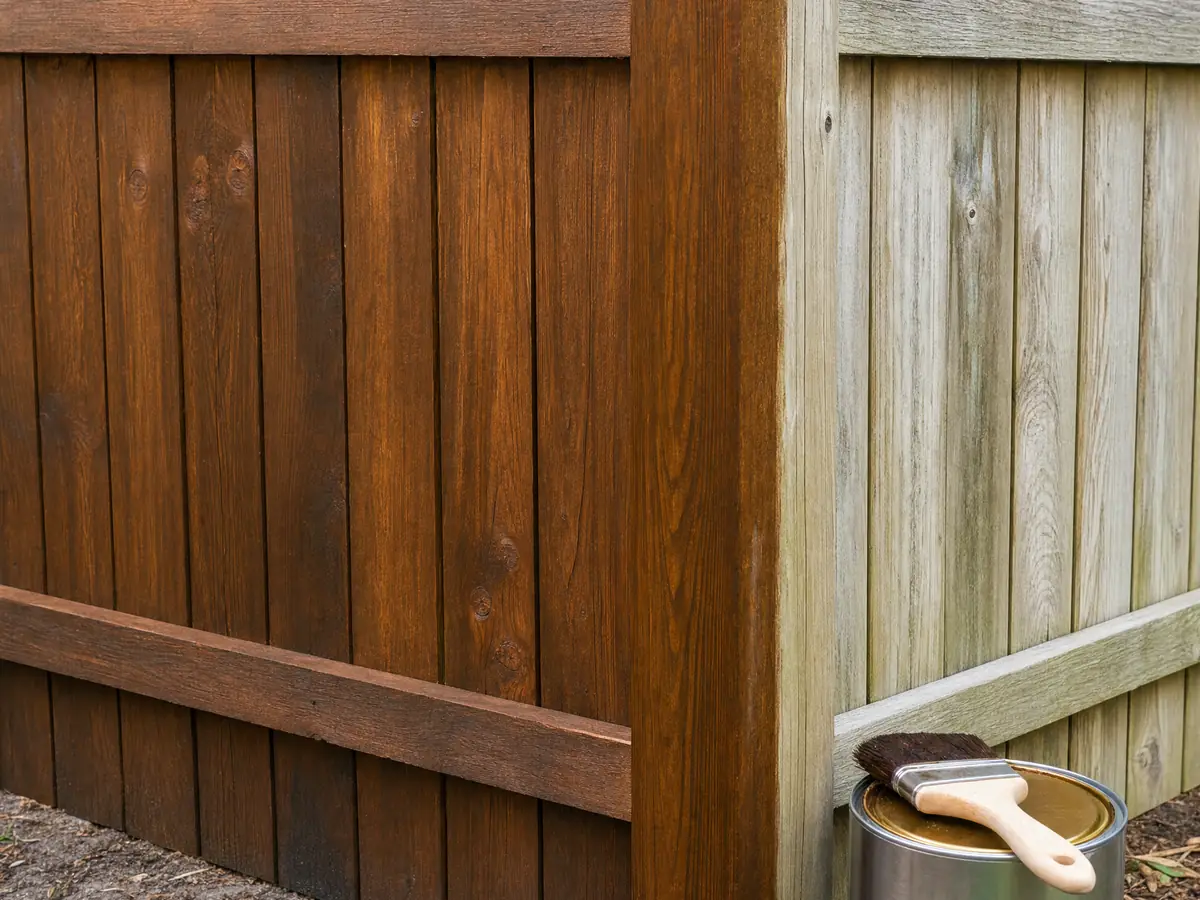
Where these Highland fence figures come from
Each fence price, with its source and date and the figures that disagree, is on the fencing page. A new fence often follows a re-roof or a repaint, and the Highland rules for those are on the roofing page and the painting page. For a Southern California city with a very different height rule, read the guide for Los Angeles.
| What it covers | Typical range |
|---|---|
| Wood or vinyl privacy fence, 6 feet | $25 to $55 per linear foot |
| Chain-link | $12 to $30 per linear foot |
| Aluminum or ornamental iron | $35 to $85 per linear foot |
| Typical 100-foot backyard run | $2,500 to $5,500 total |
| Block walls, horizontal slat fences, gates and openers, hillside lots | Set by the written proposal |
Highland fence questions, answered
Do I need a permit to build a fence in Highland?
Not for a wood, vinyl, chain-link or metal fence up to 6 feet, or a masonry or concrete one up to 3 feet, unless it serves as a pool enclosure. Anything taller needs a permit, and zoning height limits apply even to exempt fences. Call the Building & Safety counter before you order materials.
How tall can a fence be in the front yard?
Four feet in a Highland required front yard, or 5 feet when the part above 3 feet is wrought iron or another material that is at least 90 percent light-permitting. Solid pilasters may rise 12 inches above the fence for a 6 foot maximum. Side, rear and street side yards allow 6 feet, measured from the highest adjacent grade.
Can I put up a 7ft fence?
Not under the code text we read. Highland's zoning chapter allows 6 feet in side, rear and street side yards, and the building exemption stops at 6 feet for wood, vinyl and metal, so a 7 foot fence would need a permit and still exceed the zoning height. Ask Planning whether any exception exists before you plan one.
Do you need a permit to build a block wall in Highland?
Yes, once it passes 3 feet. Municipal Code 15.04.030(A)(2) exempts masonry or concrete fences only up to 3 feet, measured from the lowest adjacent grade. A 6 foot block wall needs a permit, and the City publishes standard plans for freestanding block walls up to 6 feet that a mason can start from.
What is the maximum height of a retaining wall without a permit?
Four feet, measured from the bottom of the footing, unless the wall carries a surcharge or sloped backfill steeper than 2:1, according to the City's Permit Exceptions page. Highland's Policy 355 still says every residential retaining wall, exempt or not, must be reinforced with steel in the footing and wall.
What fence materials are allowed in a Highland fire zone?
Noncombustible ones. Municipal Code 16.40.100 and 16.40.450 require fences inside fuel modification or wildland-urban interface areas to be noncombustible, which in effect rules out wood and vinyl there. The very high zone lies east of Weaver Street and north of Greenspot Road, so confirm your lot's zone with the City's Fire Marshal first.
Is it cheaper to install a wood or vinyl fence?
Wood usually starts lower, but the ranges overlap. Angi's national guide shows $10 to $45 a linear foot for wood and $15 to $40 for vinyl, and Thumbtack shows $15 to $45 and $19 to $35. In a Highland fire zone the choice may be made for you, because fences there must be noncombustible.
Does your neighbor have to pay for half the fence in California?
Usually, if the fence benefits both lots. California Civil Code 841 presumes that adjoining owners share the cost of a boundary fence, and it calls for 30 days' written notice before one owner spends money. The presumption can be rebutted, so a dispute over a shared fence is worth a written record from the start.
What happens if I don't have a permit for a fence?
Under Municipal Code 15.04.030(D), work done without a required permit pays an investigation fee equal to the permit fee on top of the permit fee. Re-inspection fees can follow under 15.04.030(E). We found no fence-specific penalty and the City's Fees page lists no amounts, so ask the counter for current figures.
What pool fence requirements apply in Highland?
A fence serving as a pool enclosure needs a permit, and above-ground pools are exempt only if prefabricated, under 18 inches deep and 5,000 gallons or less. State law asks for two of seven drowning-prevention features when a pool permit issues. We did not read the barrier height, so ask Building & Safety for the current standard.
Ask for a fence estimate in Highland
Give us the street, the yards the fence will touch, the height you want and whether a pool, a slope or a neighbor's fence is involved. Before we call back we check the yard type, whether the lot sits in a fire zone and whether a wall will need a plan.