
Roof Repairin Fontana, CA
A Fontana roof replacement is permitted work, and the City's handouts call for roofing installed to 'High Wind' specifications because Santa Ana winds funnel through the Cajon Pass just north of town. Non-classified roofing is banned citywide, and a Very High fire zone address brings Chapter 7A rules. Check the address on the Fire District's map first.
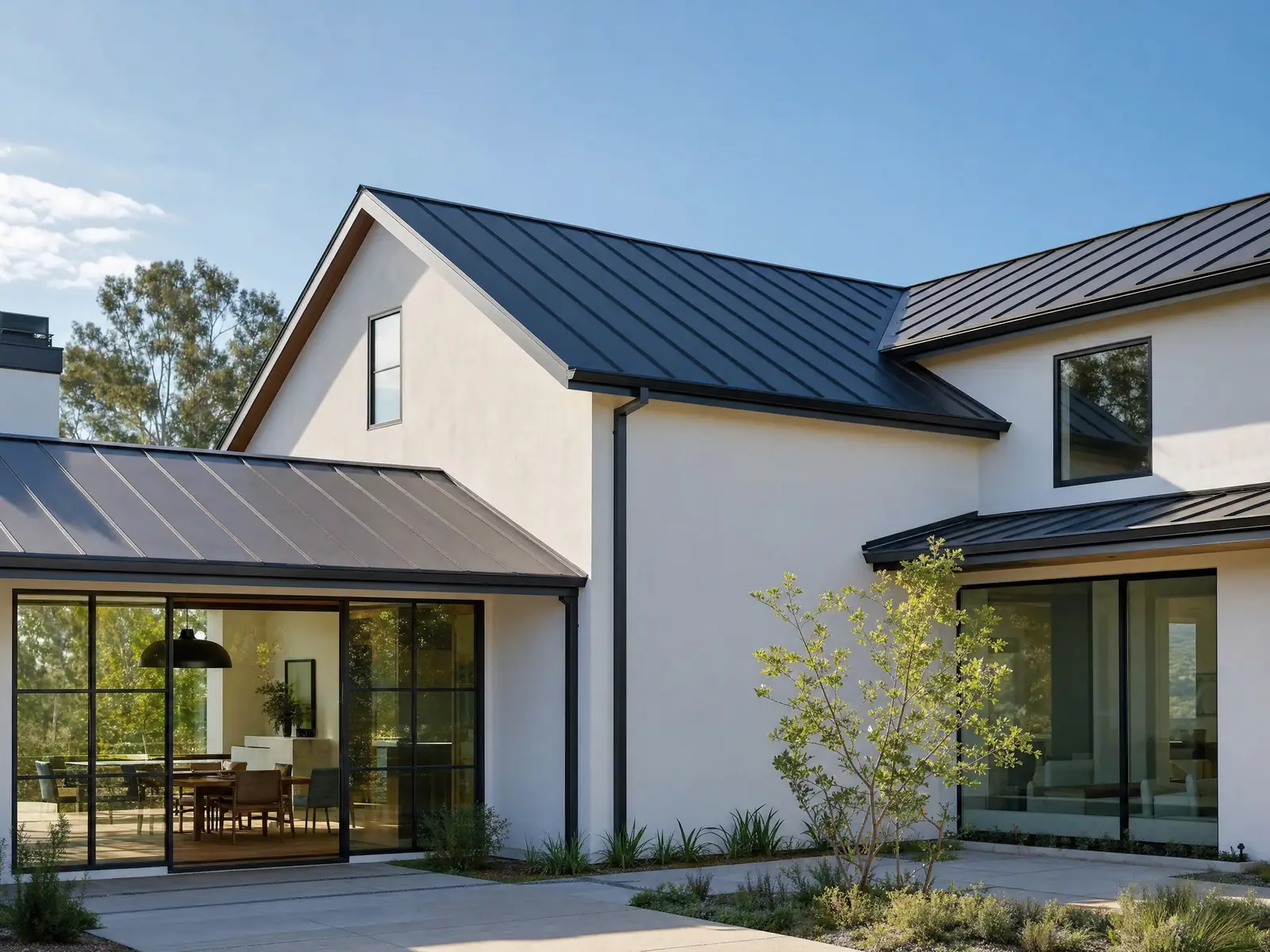
Fontana started as citrus and wind. A.B. Miller bought 17,000 acres of Rosena in 1905, San Bernardino County's history page says he planted long rows of eucalyptus to shield his groves from severe winds, and some still stand along the I-10 freeway. Kaiser Steel opened its mill on the edge of town in 1942, the City incorporated on June 25, 1952, and Wikipedia's census table shows 36,804 residents in 1980 and 87,535 in 1990. Census Bureau ACS 2024 one-year estimates count 61,759 housing units, only 22.9 percent of them built before 1980 and about 61 percent (37,903) built from 1980 through 2009, so most Fontana roofs cover houses that are between 17 and 46 years old.
On a roofing job, MDG Builders (CSLB #1040337) is the general contractor that writes the scope, files the permit and keeps the calendar, while a licensed C-39 roofing subcontractor tears off the old covering and lays the new one. Our roofing page carries the sourced prices, the Fontana overview lists every trade we manage here, and the guides for San Bernardino and Riverside show how two neighboring cities handle the same job. Rialto, Rancho Cucamonga and Ontario are separate cities with their own counters, so a contractor's answer from one does not carry over. Fontana permits come from the City's Building & Safety Division. The City's code host, Municode and AmLegal, returned an HTTP 403 error to our researcher, so the Municipal Code text below comes from GoCodebook, a third-party mirror, and each section number should be confirmed with the City.
What Fontana's wind region, roof article and fire overlay say about roofs
Where roofing permits come from in Fontana: City of Fontana Building & Safety Division (Development Services, Community Development).
- The City's user fee schedule (listing of fees as of January 1, 2026) prices residential re-roofs as a building permit item with a plan check fee of $130 for up to 1,000 square feet, $195 for 1,001 to 3,000 square feet and $260 for over 3,000 square feet, so a re-roof is permitted work in Fontana; the permit fee tiers sit in a separate column group that did not read cleanly, so they are not quoted.
- Fontana's amendment to CBC Section 1505.5 (Municipal Code 5-62(f)) says non-classified roofing, meaning material not listed as a Class A, B or C roof covering, is not approved for use anywhere in the City. Read in GoCodebook's third-party mirror.
- Fontana's roof structures article (Municipal Code 5-316 to 5-318, applying to new development) requires roof trusses for all new single-family homes to be designed to carry concrete or clay tile, requires at minimum a Class A, 30-year, 300-pound-per-square composition shingle architecturally compatible with the building on pitches of 3:12 or more, allows tile, aluminum shingles or slate with at least a 30-year warranty, and requires tile or metal roofs on sloped new commercial and industrial buildings; projects with an earlier design review approval or development agreement are exempt. Read in GoCodebook's third-party mirror.
- The City's cool roof handout (revision 09-26-23) says that in Climate Zone 10 a non-residential roof replacement must meet cool roof requirements when more than 50 percent of the roof area or 2,000 square feet, whichever is less, is altered (low-slope aged solar reflectance 0.63 and thermal emittance 0.75, or SRI 75), with exceptions for roofs over unconditioned space such as a warehouse; it cites the 2022 Energy Code, so check the 2025 edition now in force.
- Inside Fontana's Very High fire hazard severity zones, new construction and rebuilds must follow Chapter 7A ignition-resistant construction, and in High zones new construction and major remodels must, so a roof replacement that is part of a major remodel in the foothills or near the Jurupa Hills should be checked against the City's adopted map first (draft hazard plan, public review October 2026).

Do Santa Ana winds through the Cajon Pass change how a Fontana roof gets installed?
They change what the plans and the installer must follow. The City's Wind and Storms page says Santa Ana winds from the high desert speed up as they drop through the Cajon Pass just north of town, that northern Fontana is the most exposed, and that gusts in that corridor regularly top 60 miles per hour between roughly September and May. The October 2026 draft hazard plan counts 25 high or strong wind events from 1997 to January 2026, with peak gusts of 35 to 83 miles per hour, and a gust above 100 along the mountain front on April 30, 2014.
The Municipal Code answers with a special wind region. The City's handout tells designers to use 129 miles per hour ultimate wind speed, Risk Category II and Exposure C, against 96 for ordinary areas in the Residential Code table, and its room addition handout wants roof covering installed to the manufacturer's specifications for a 'High Wind' area. The wind table in the mirror also shows a 135 mph row that we could not interpret, so ask the counter which speed governs your address. A brief 2005 tornado in the Elm Street area stripped shingles from three homes.
Ask the roofer to name the manufacturer's high-wind installation instructions it will follow and write them into the proposal.
How do I get a roof replacement permit in Fontana, and what does it cost?
A re-roof is permitted work. The City's user fee schedule, listing fees as of January 1, 2026, treats a residential re-roof as a building permit item with a plan check fee of $130 up to 1,000 square feet, $195 from 1,001 to 3,000 and $260 above 3,000. The permit fee tiers did not read cleanly in the PDF, so we print none. The City describes three steps, application and plans, authorization and verification, then permit generation, and it invoices its fees when the permit is generated. Afterward only the signing contractor or the owner may sign for the permit, so anyone collecting it for you needs notarized written permission.
Applications go to Building & Safety at 8353 Sierra Avenue, open Monday to Thursday 8 am to 5 pm and closed Fridays, phone (909) 350-7640, or through the Build Fontana portal. Effective September 30, 2026 the City moved payments to a new online system that charges 3 percent plus $0.20 per transaction, or a flat $3.00 by ACH. The Plan Check page says a first review typically takes 3 to 4 weeks and later rounds about 2, but it does not say whether a plain re-roof travels that route, so ask for the expected time and plan the tear-off around it.
Who hauls away the old roofing in Fontana, and when can the crew work?
Burrtec does, in most cases. Every Fontana building permit application must include a Construction Waste Management Plan, no permit issues without an approved one, and at least 65 percent of the construction debris has to stay out of the landfill. Under the City's sole franchise hauler agreement, hauling from construction or demolition may be contracted only through Burrtec Waste Industries (Municipal Code 24-31(B)), and an owner may self-haul only with an owned container and an owned vehicle. A roofer's own dump trailer is therefore a question for the proposal, not an assumption.
Work hours come from Municipal Code 18-63(7), read in the mirror: 7 am to 6 pm on weekdays and 8 am to 5 pm on Saturdays, with no Sunday hours listed. South Coast AQMD Rule 403 covers construction activity that can raise dust and defines high wind as instantaneous gusts above 25 miles per hour, a line the City says Santa Ana gusts in the Cajon Pass corridor regularly pass. A tear-off in a dry gust throws grit into the next yard, so ask how the crew will stage debris on a windy day.
Is my Fontana roof in a Very High fire hazard zone, and what is the 50 percent rule?
We cannot place your lot; the Fire District's page links an address-searchable map for that. The State Fire Marshal's recommended 2025 maps, released March 24, 2025, put 588 acres of Fontana in Moderate, 1,230 in High and 4,088 in Very High, nearly double the 2,117 Very High acres of the 2011 recommended map, and the City Council designated them by Ordinance No. 1972. The draft hazard plan dates that vote to July 8, 2025, while the code's history line reads 7-22-25, so the date is a conflict between two City documents. In Very High zones owners keep 100 feet of defensible space, and Chapter 7A ignition-resistant construction applies to new construction and rebuilds there and to new construction and major remodels in High zones.
Section 30-656 of the Fire Hazard Overlay District adds the 50 percent rule: when an addition, alteration, enlargement or reconstruction equals or exceeds 50 percent of a structure's existing square footage, the overlay's construction provisions apply to the whole structure. We found nothing on how the City counts a roof-only job against that line, so ask before a re-roof is bundled with an addition. The Wildfire page also asks owners to cover vents with metal mesh no larger than one-eighth inch.
Get the zone answer in writing, with the map you used, before any covering is ordered.
Which roof coverings does Fontana allow, and is there a cool roof rule for houses?
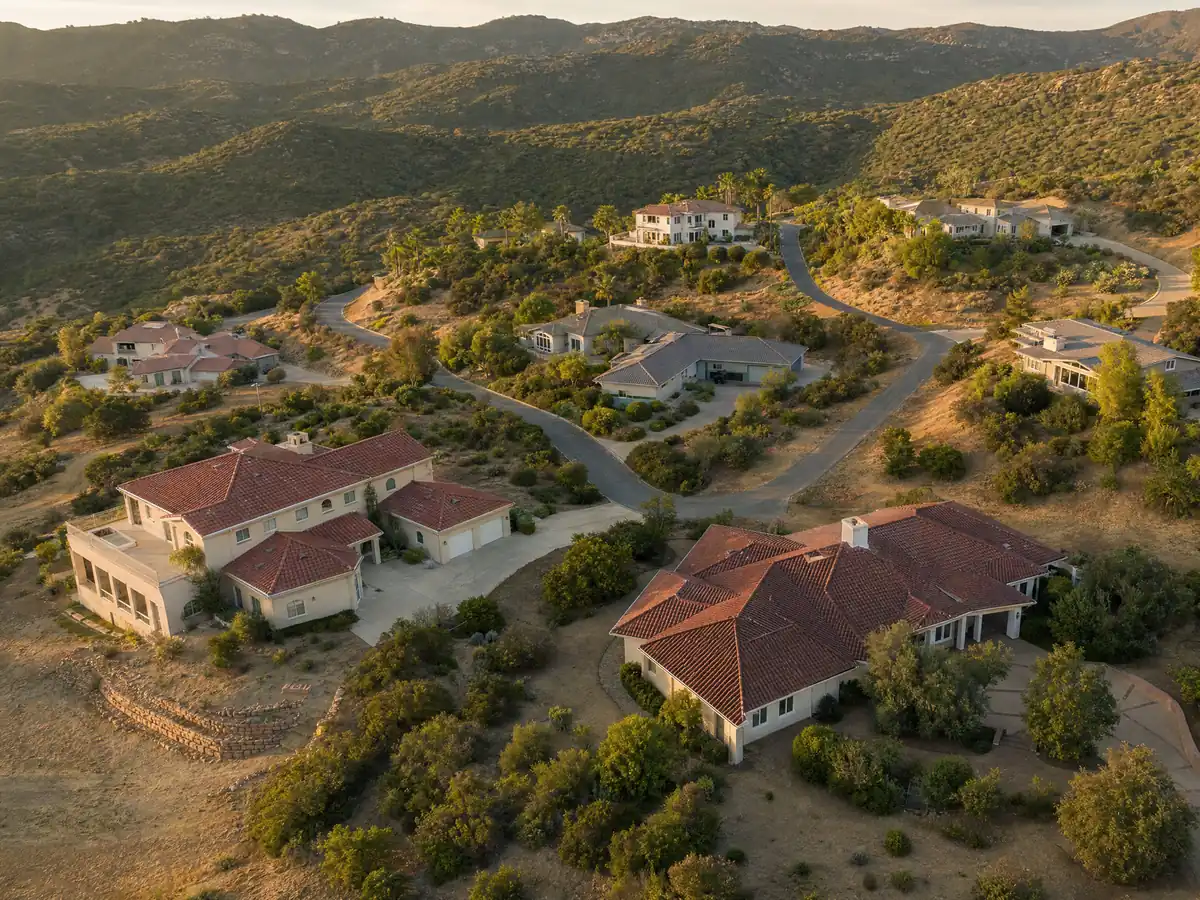
Anything not listed as a Class A, B or C covering is out: Municipal Code 5-62(f) says non-classified roofing is not approved for use anywhere in the City. The roof structures article, written for new development, goes further. It asks for trusses designed to carry concrete or clay tile and, at minimum, a Class A, 30-year, 300-pound-per-square composition shingle on pitches of 3:12 or more, and it accepts tile, aluminum shingles or slate with a warranty of at least 30 years. Projects with an earlier design review approval are exempt, and we could not tell whether the article reaches a re-roof of an existing house, so ask.
The City's cool roof handout, revised September 26, 2023, speaks to non-residential roofs in Climate Zone 10. When more than 50 percent of the roof or 2,000 square feet, whichever is less, is altered, a low-slope roof must reach an aged solar reflectance of 0.63 and thermal emittance of 0.75, or an SRI of 75, with exceptions for roofs over unconditioned space such as a warehouse. It cites the 2022 Energy Code, so check the 2025 edition now in force. We found no residential cool roof handout, so ask what the Energy Code requires on a house.
How old are Fontana roofs, and do lead or asbestos rules touch a tear-off?
ACS 2024 counts 15,101 homes built in the 1980s, 9,921 in the 1990s, 12,881 in the 2000s and 9,744 since 2010, against 14,112 before 1980. A house built in 1986 turns 40 this year, and a roof that was never replaced is the same age. We found no Fontana roof lifespan study and no local count of replaced roofs, so we print no service life.
EPA's Lead Renovation, Repair and Painting Rule covers paid work that disturbs paint in homes built before 1978, and ACS cannot separate 1978 from 1979, so we give no count for that line. South Coast AQMD Rule 1403 sets asbestos survey and notice duties for renovation and demolition, and those 14,112 pre-1980 homes are where it is most likely to come up. Ask the roofer whether old layers and flashing cement were tested before a tear-off, and whether painted fascia or vents will be disturbed.
- Stains or damp insulation under the roof deck
- Slipped, cracked or missing covering
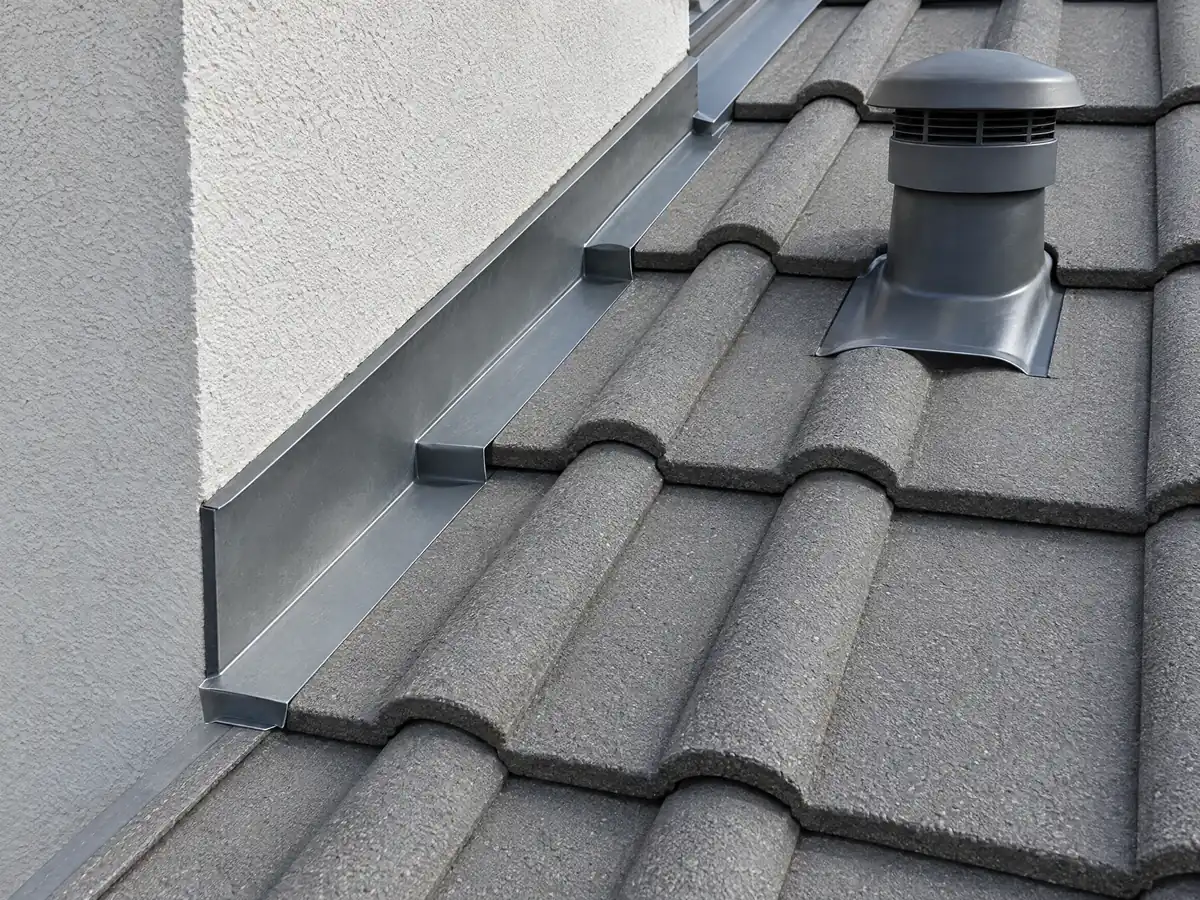
- Flashing lifting at walls, vents or valleys
- Deck boards that flex underfoot
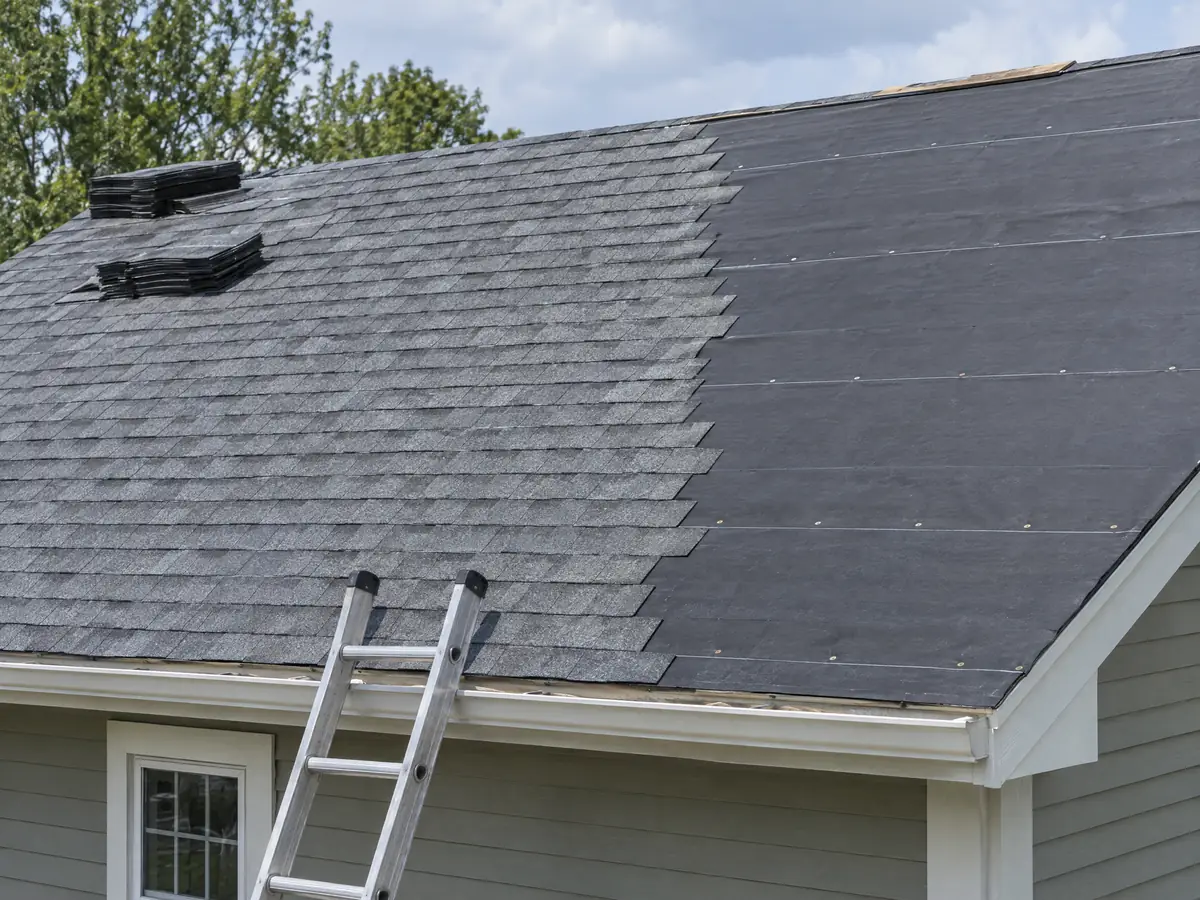
Have any deck repair priced as its own line before the tear-off starts.
How much does a new roof cost in Fontana, and who should I hire?
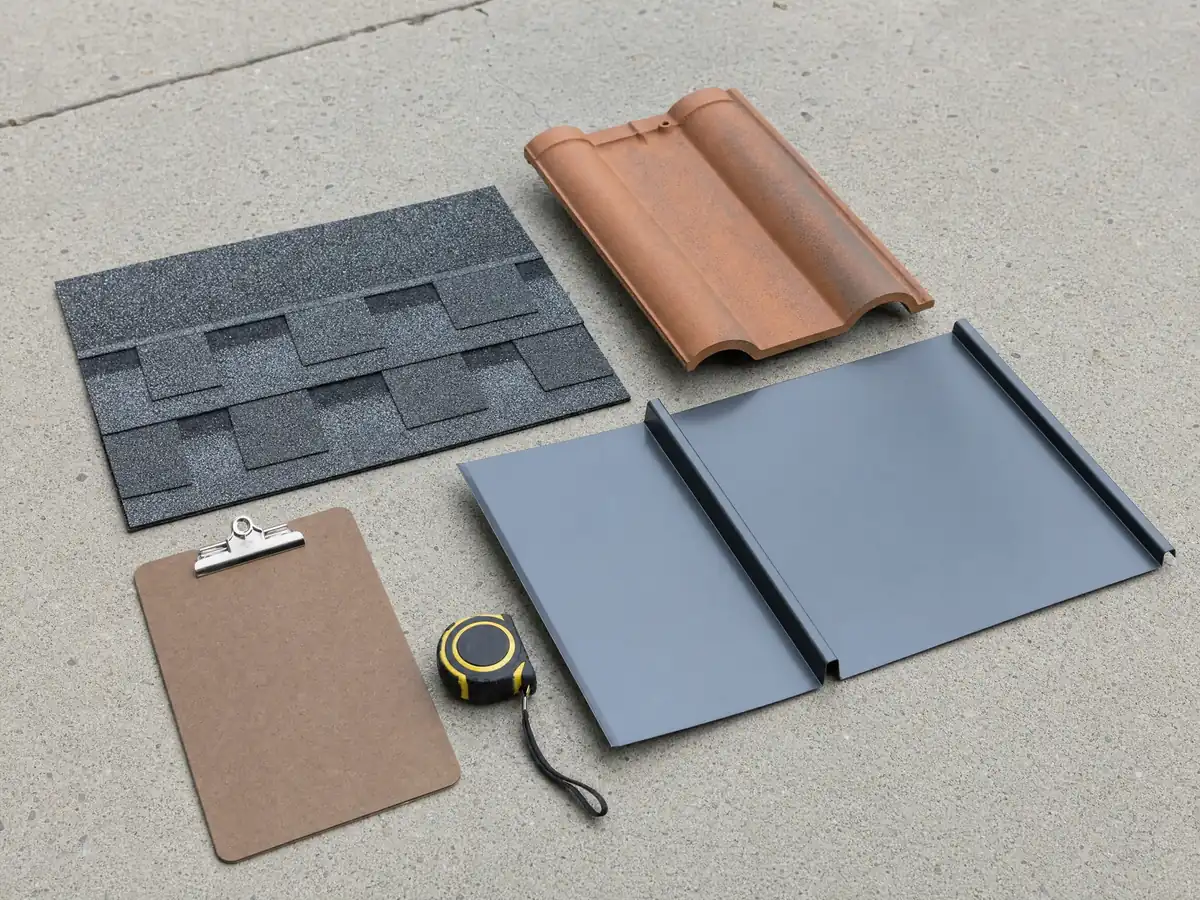
We found no Fontana price survey, so these figures come from Los Angeles and an Inland Empire bid can differ. Angi's Los Angeles page, updated July 31, 2026, reports a $17,271 average inside a $10,256 to $24,963 range, asphalt at $4 to $12 a square foot, tile at $7 to $15 and metal at $7 to $16, with tear-off adding $1,000 to $3,000 and solar panel removal and reinstall $500 to $1,000. Remodeling magazine's Cost vs. Value 2025 puts a reference Los Angeles asphalt roof at $36,417 without publishing the roof size. We budget about $10,000 to $25,000 for asphalt, $15,000 to $37,000 for tile and $20,000 and up for metal, with deck repair extra. For scale, Fontana's median owner-occupied home is worth $615,800 (ACS 2024).
Roofing is CSLB class C-39, and Business and Professions Code 7159 requires a written, signed contract that limits the down payment to $1,000 or 10 percent of the price, whichever is less. The City asks the signing contractor to show State and City licenses, so check both. Our license guide shows how, and how general contractors use subcontractors explains who answers to whom on a managed job.
Roofing photos from Fontana and nearby communities
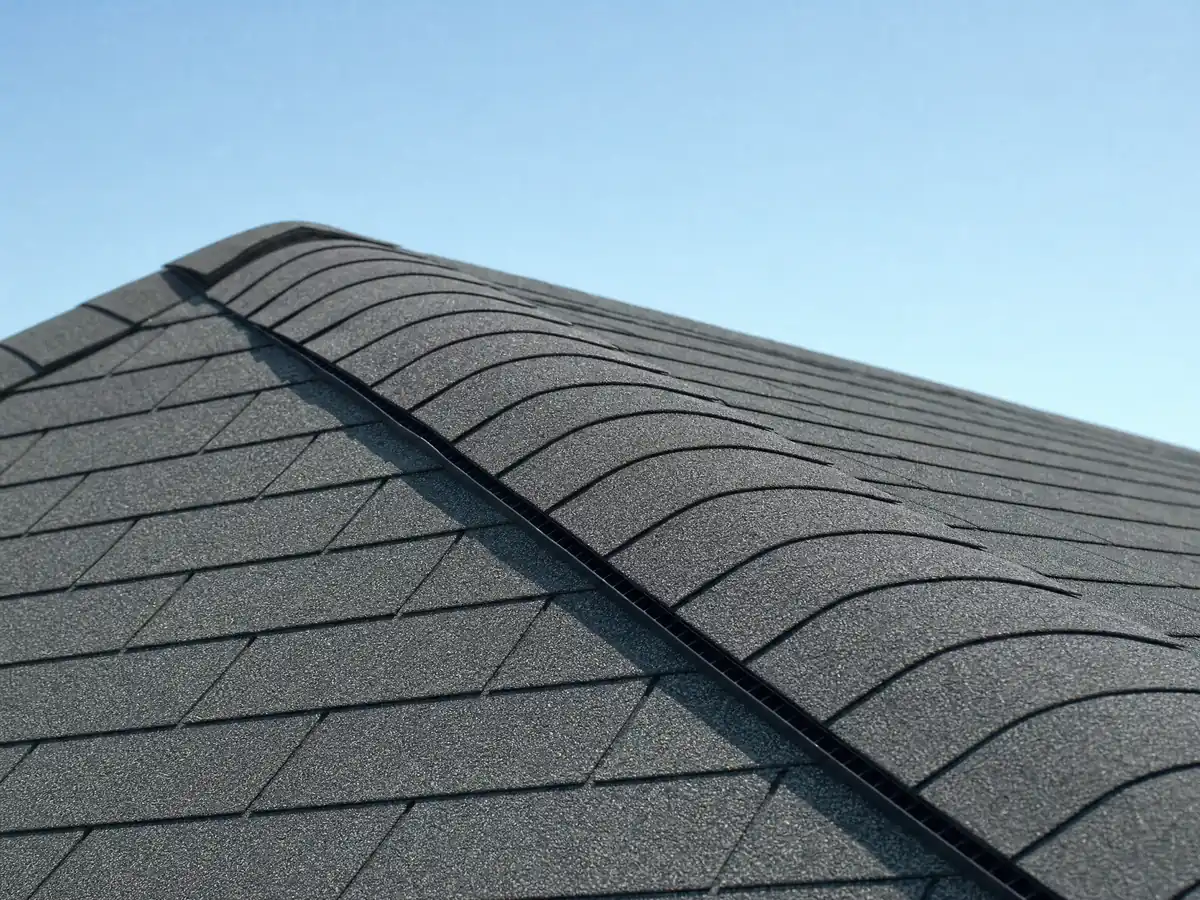
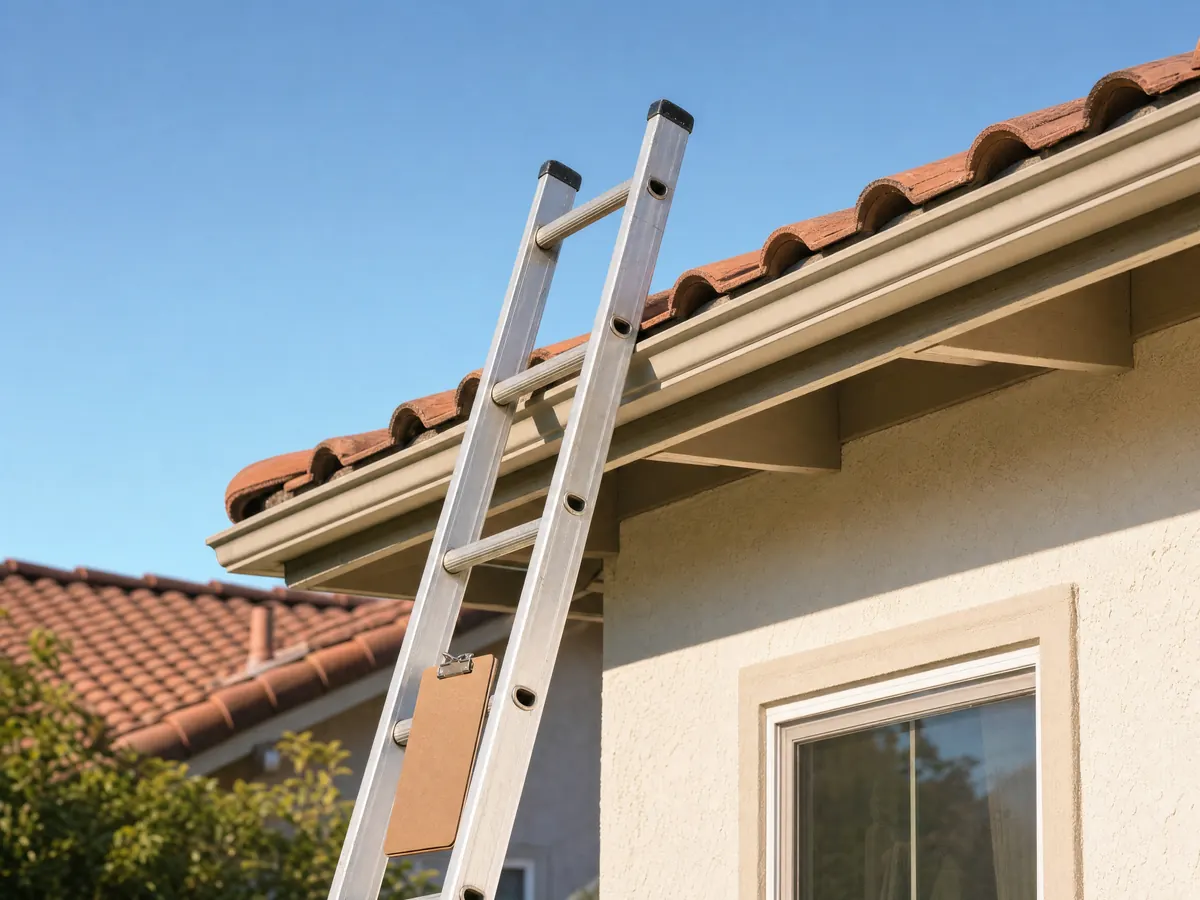
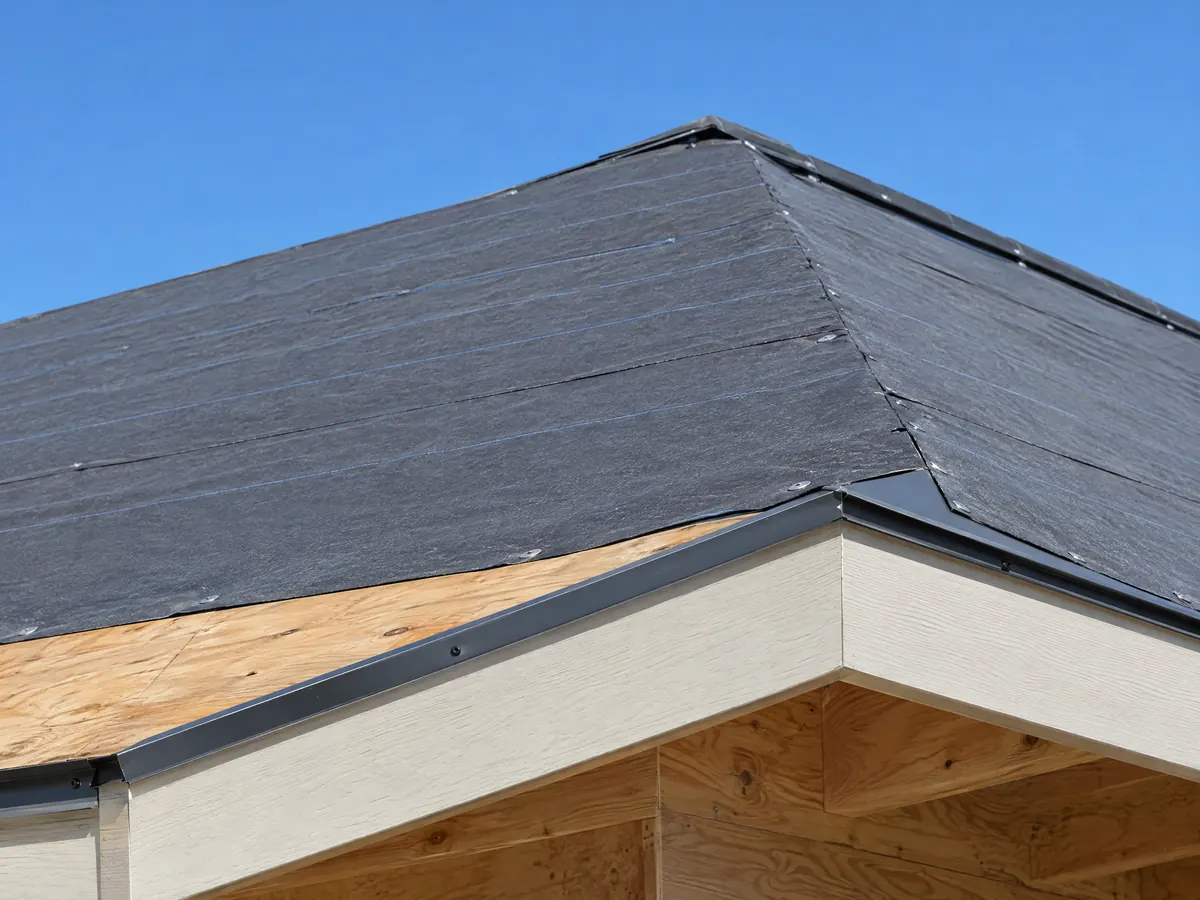
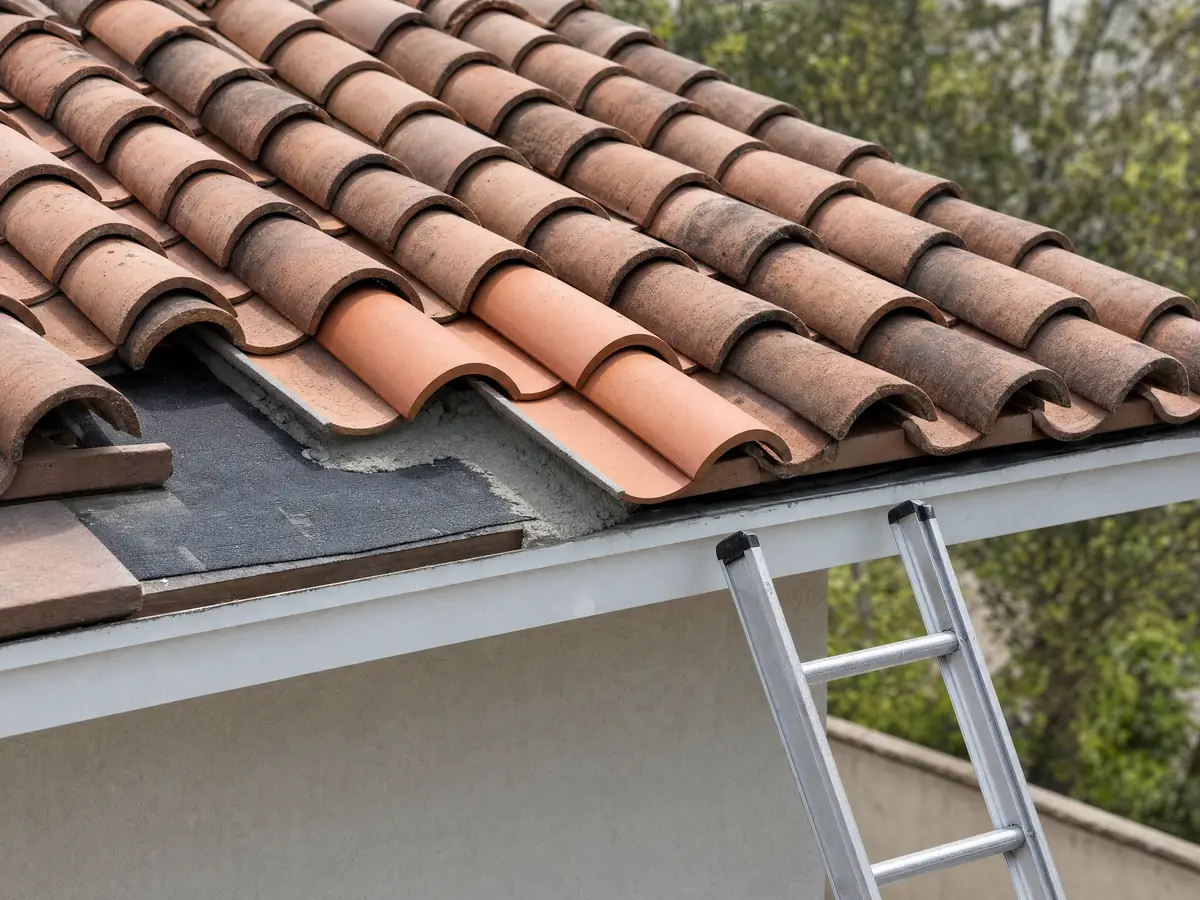
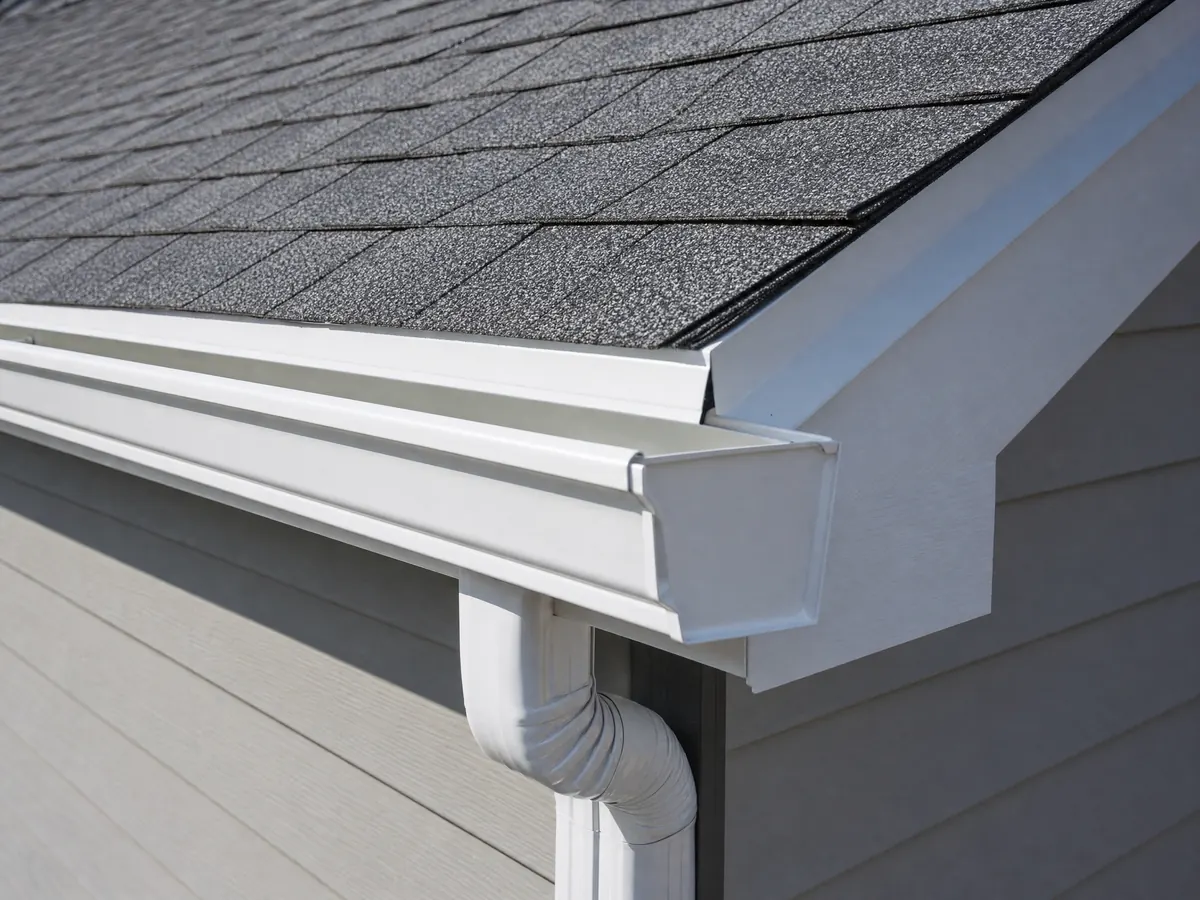
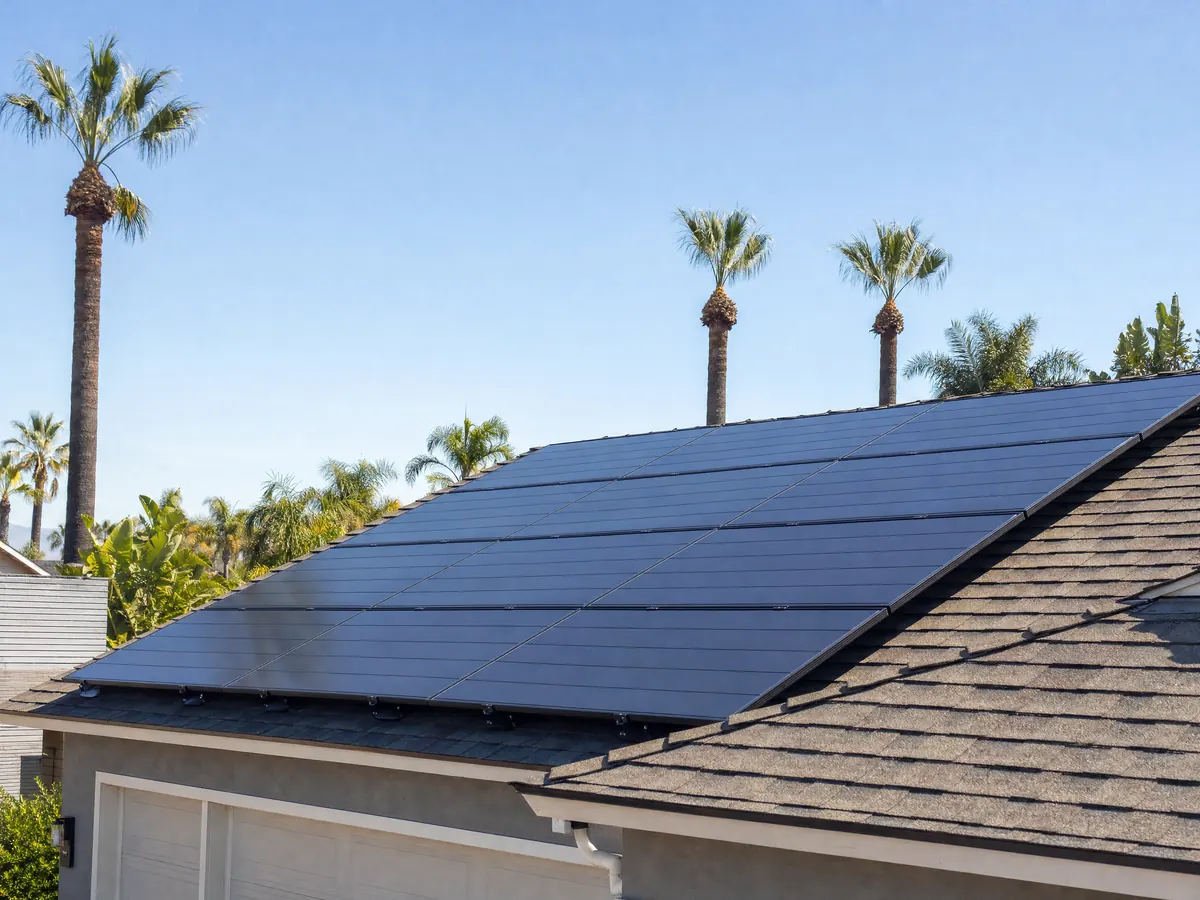
Roofing scenes tied to Fontana places such as Downtown, Summit Heights, Sierra Lakes and Southridge, and to nearby communities such as Rialto, Rancho Cucamonga and Ontario, from tear-offs and underlayment to tile flashing and finished ridges.
Where these Fontana roof figures come from
Each roofing price, with its source and date, sits in the table on the roofing page, and the California roofing cost guide explains why a survey average and a fixed reference roof can sit far apart. A new roof often leads to other outside work, and the Fontana rules for it are on the fencing page, the painting page and the kitchen remodeling page. For another Inland Empire roof guide to set beside this one, read the page for Corona.
| What it covers | Typical range |
|---|---|
| Asphalt shingle, typical single-family roof | $10,000 to $25,000 |
| Concrete or clay tile | $7 to $15 per sq ft |
| Metal | $7 to $16 per sq ft |
| Remodeling Cost vs. Value 2025, Los Angeles | Asphalt $36,417. metal $62,069. |
| Extras | Tear-off $1,000 to $3,000. solar detach and reset $500 to $1,000. |
Fontana roofing questions, answered
Do I need a permit to replace my roof in Fontana?
Yes. The City's fee schedule lists a residential re-roof as a building permit item, with plan check fees of $130, $195 or $260 by roof size, so a replacement is permitted work. Whether a small roof repair needs a permit is not spelled out on the pages we read, so call Building & Safety at (909) 350-7640 before treating a patch as exempt.
What is the 25% rule for roofing?
We found no 25 percent rule in the Fontana pages we read. The 50 percent lines that do exist are the Fire Hazard Overlay's 50 percent of existing square footage, which pulls a whole structure under the overlay, and the non-residential cool roof trigger of 50 percent of the roof or 2,000 square feet. Ask the counter which, if either, touches your house.
How much does a new roof cost in Fontana?
We found no Fontana survey. Angi's Los Angeles page, updated July 31, 2026, shows a $17,271 average and a $10,256 to $24,963 range, and we budget $10,000 to $25,000 for asphalt, $15,000 to $37,000 for tile and $20,000 and up for metal. Deck repair and solar removal are extra, and a written proposal sets the real price.
Does Fontana require a Class A roof?
Not on every lot, as far as we could read. Municipal Code 5-62(f) bans non-classified roofing everywhere, so a covering must be Class A, B or C, and new development needs at least a Class A composition shingle. Very High zone rebuilds and High zone major remodels follow Chapter 7A, so ask the counter about your address.
Is my Fontana roof in a fire hazard zone?
We cannot say for your lot. The State's recommended 2025 map shows 4,088 acres of Very High, 1,230 of High and 588 of Moderate, and the City designated zones by Ordinance 1972. Check your address on the Fire District's Fire Hazard Severity Zones page, then ask Building & Safety what that zone means for a re-roof.
Is a roof repair treated differently from a roof replacement in Fontana?
The City prices a replacement as a permit item and says nothing we could find about small patches, so ask before assuming a repair is exempt. In High and Very High zones the question matters more, because a major remodel can bring Chapter 7A roof rules and the overlay's 50 percent square-footage line has no roof-only example.
What is the best month to replace a roof in Fontana?
Summer is driest but hot. NOAA's Ontario normals give 11.64 inches of rain a year, only 0.02 to 0.05 inch in each of June, July and August, and an August average high of 94.9 F, while Santa Ana winds run roughly September through May. The draft hazard plan quotes 24 to 27 inches from a climate tool, which conflicts with NOAA, and we use NOAA.
Who hauls away the old roofing in Fontana?
Burrtec Waste Industries, in nearly every case. The City's franchise agreement lets construction and demolition hauling be contracted only through Burrtec, and an owner may self-haul only with an owned container and vehicle. The permit application also needs a Construction Waste Management Plan that diverts at least 65 percent of the debris.
Can Santa Ana winds or an SCE power shutoff delay a roof job in Fontana?
Yes, they can delay one. Rule 403 treats gusts above 25 miles per hour as high wind, and the draft hazard plan says Southern California Edison de-energized seven Fontana circuits for 18 to 98 hours in January 2025. Neither changes the permit. Ask how the crew tarps an open roof and what happens to the schedule when a wind warning arrives.
How do I check a roofing contractor's license in California?
Enter the license number on the Contractors State License Board website and confirm that class C-39 roofing shows as active, then match the business name to your contract. Because the City asks the signing contractor for State and City licenses, request the Fontana business license number as well. Our license guide lists the steps.
Ask for a roof inspection in Fontana
Give us your part of town, the roof covering, roughly when the house was built and where water shows inside. Before we call back we look at the wind spec, the fire map and the permit route for that address.