
General Contractor in Rancho Cucamonga, CA
A general contractor in Rancho Cucamonga files every permit online, because the City issues none over the counter, and works under a separate Fire Protection District that maps a Wildland-Urban Interface Fire Area on the north side. Only about 29 percent of homes predate 1980. MDG Builders, CSLB #1040337, acts as the licensed general contractor across all eleven trades.
Eleven trades, each matched to a Rancho Cucamonga handout or code chapter
Choose the job you have in mind. Every guide names the City handout, ordinance or Fire District standard it leans on, and says where we could only read the code on a third-party mirror. A price on these pages is a regional planning range, never a bid for your house.
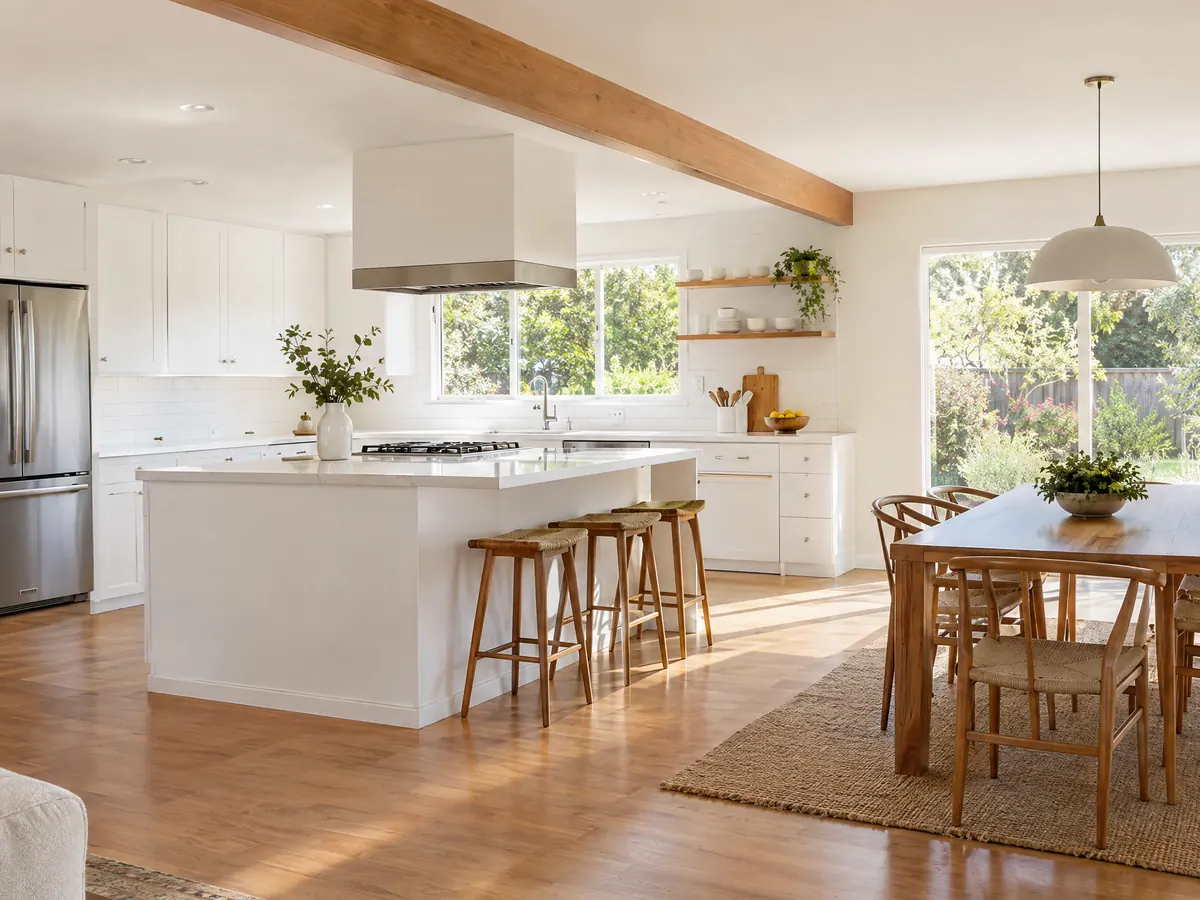
Kitchen Remodeling in Rancho Cucamonga
A joint-free sleeved copper line under islands, permit triggers in the City's kitchen handout, whole-house fixture upgrades and 1980s homes behind the walls.
See Rancho Cucamonga kitchen remodeling →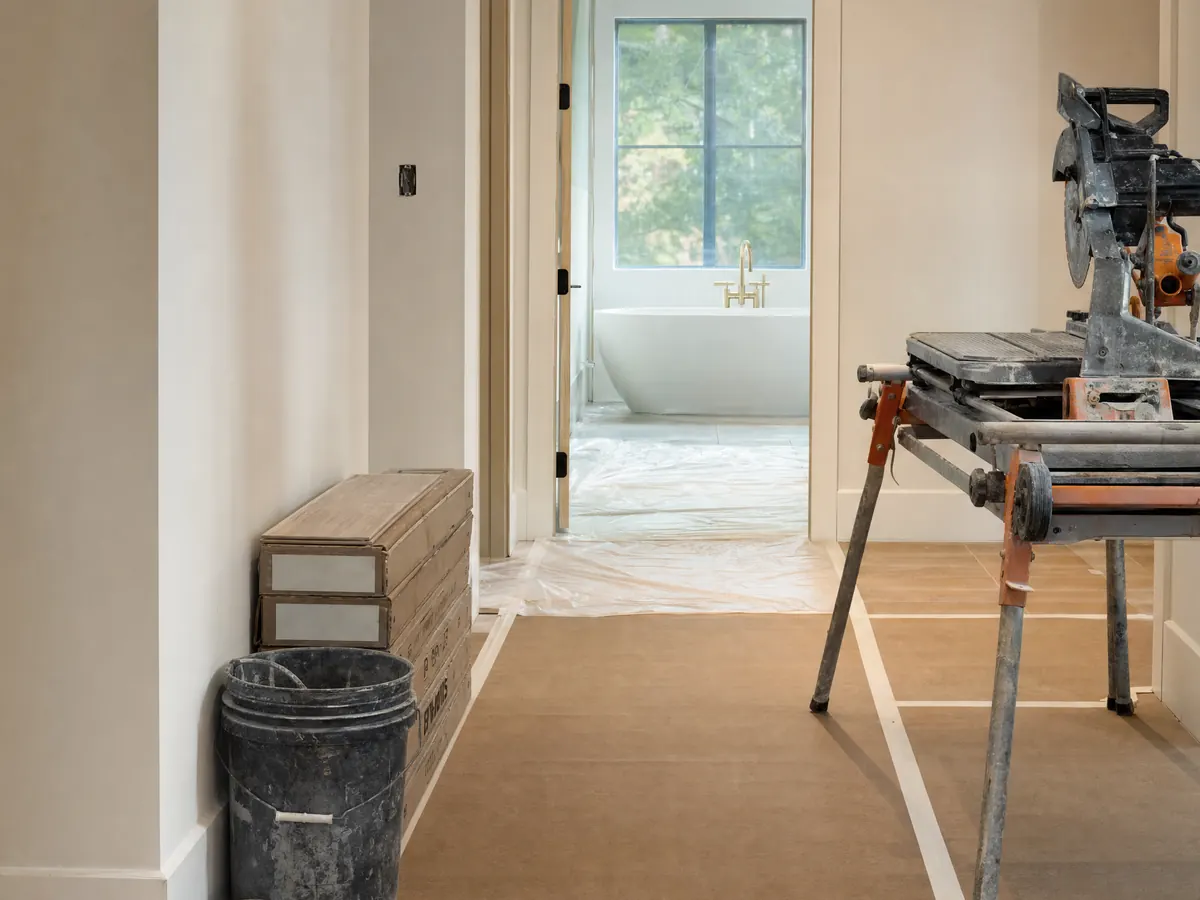
Bathroom Remodeling in Rancho Cucamonga
Rancho Cucamonga's online-only permits, the City's bath handout, the whole-house fixture rule, 1980s homes and historic review.
See Rancho Cucamonga bathroom remodeling →
ADU Construction in Rancho Cucamonga
Ordinance 1049 sizes, the conflict with the City's 2024 handbook, garage and junior units, the fire area and the septic rule.
See Rancho Cucamonga ADU construction →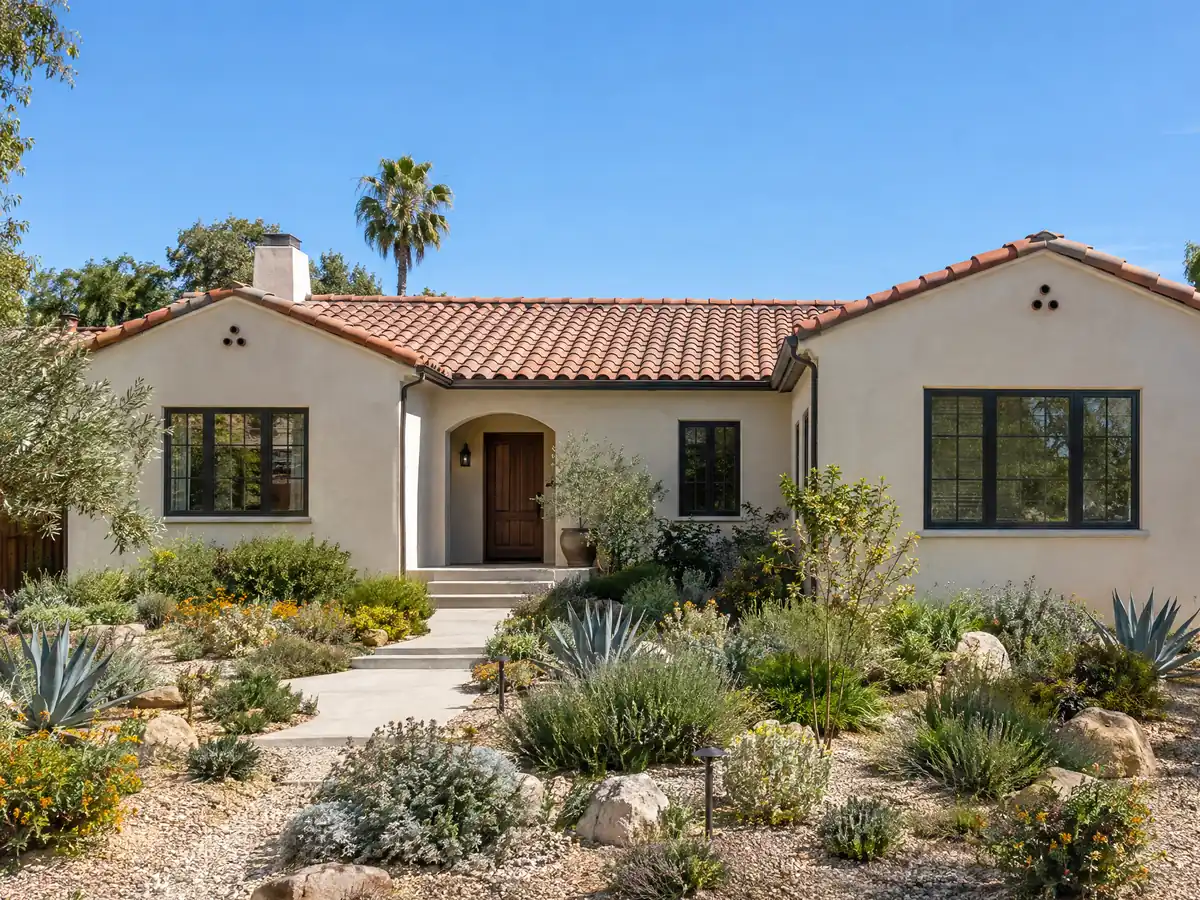
Room Additions in Rancho Cucamonga
Rancho Cucamonga's fire area and Standard 49-1, the soils report over 50 percent, grading, hillside review and fault zones.
See Rancho Cucamonga room additions →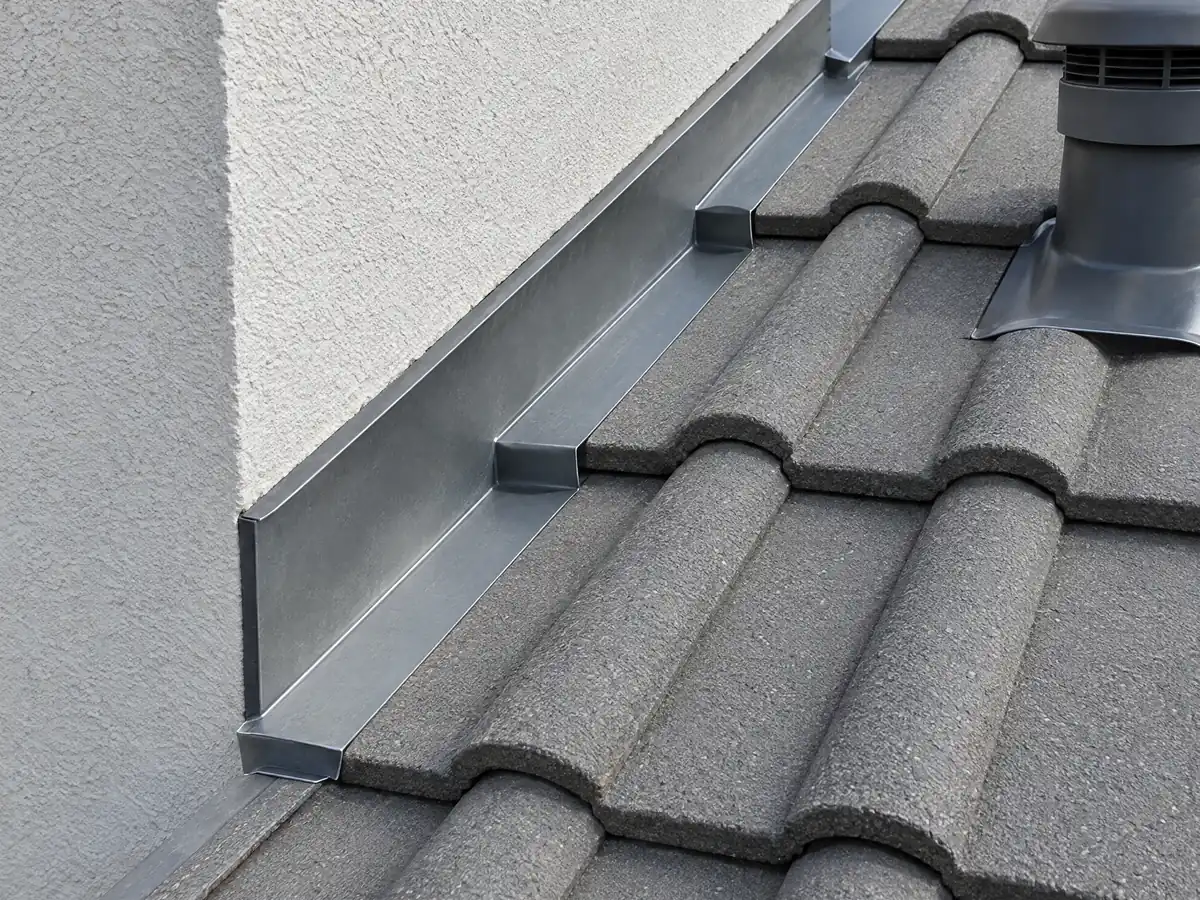
Roofing in Rancho Cucamonga
A 400 square foot line between repair and reroof permits, Class B as the floor, Class A in Very High fire zones and Santa Ana gusts that passed 100 mph in 2014.
See Rancho Cucamonga roofing →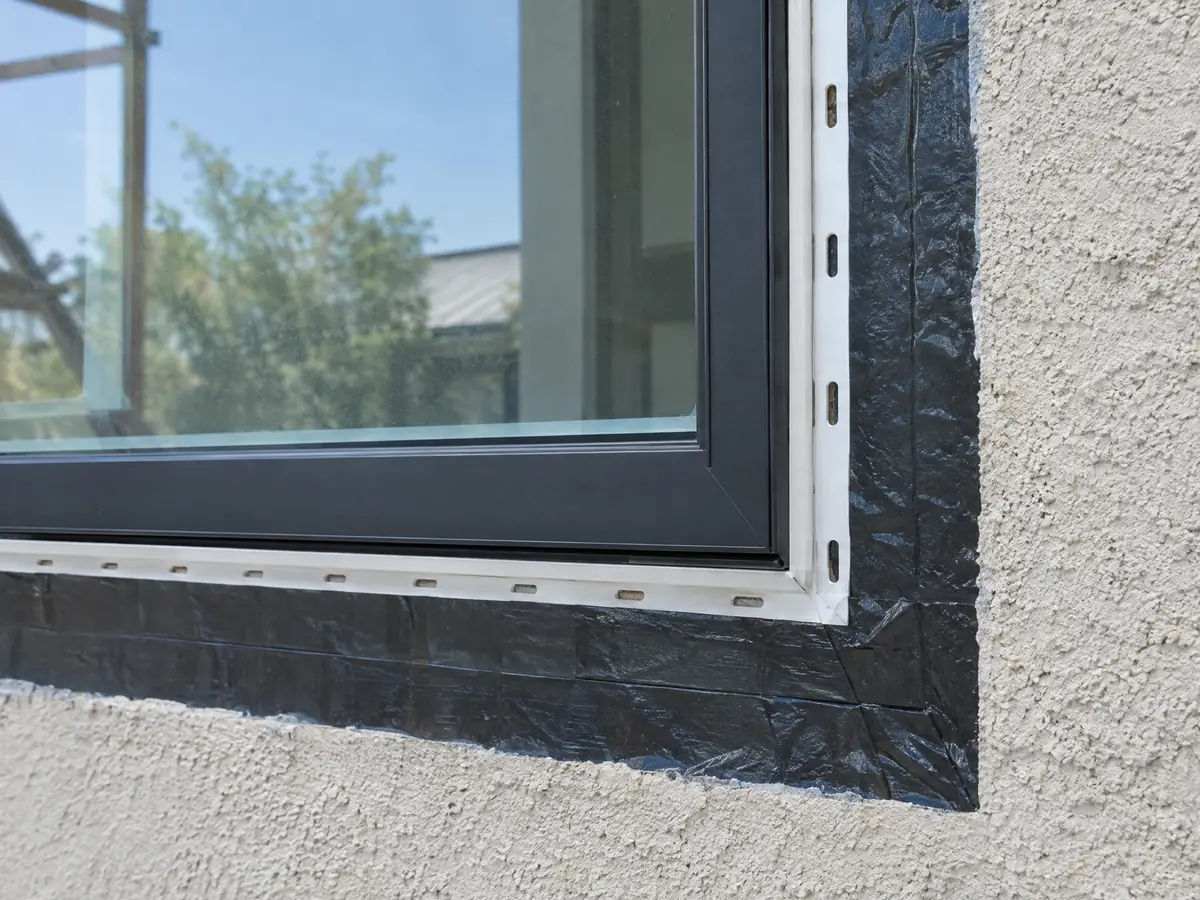
Windows in Rancho Cucamonga
Rancho Cucamonga's 96 versus 110 mph wind numbers, permit line, fire-area doors, lead-safe work, historic review and inland heat.
See Rancho Cucamonga window replacement →
Flooring in Rancho Cucamonga
1980s tract slabs, garage floors under Fire District rules, asbestos checks, the permit-exempt list, historic review and flooring costs in Rancho Cucamonga.
See Rancho Cucamonga flooring →
Painting in Rancho Cucamonga
No building permit for paint, lead-safe rules for the 29 percent of homes built before 1980, Zone 0 materials in the fire area and Rule 1113 coating limits.
See Rancho Cucamonga painting →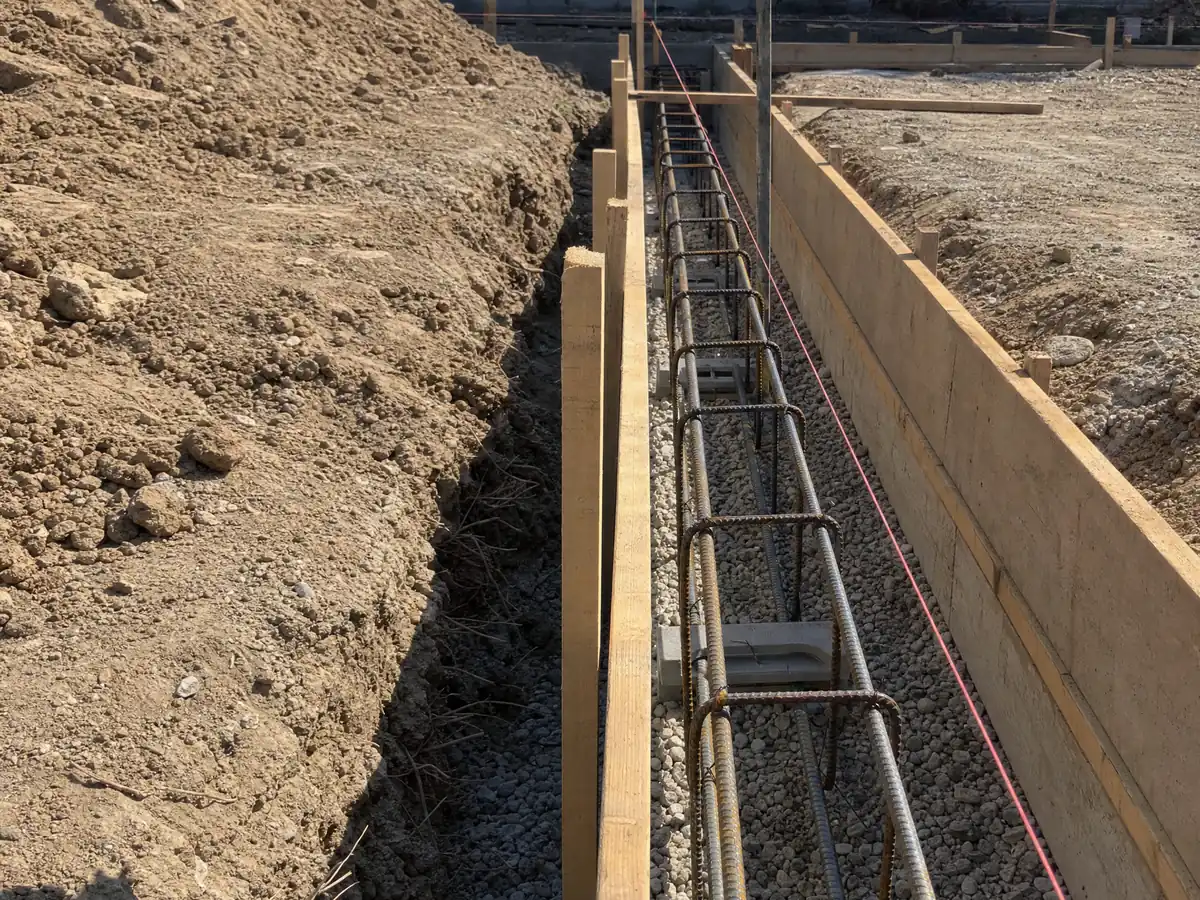
Concrete in Rancho Cucamonga
The 3 foot retaining wall line, 6 and 3 foot fence limits, front yard hardscape cap, right-of-way permits, Zone 0 aprons and pour costs in Rancho Cucamonga.
See Rancho Cucamonga concrete work →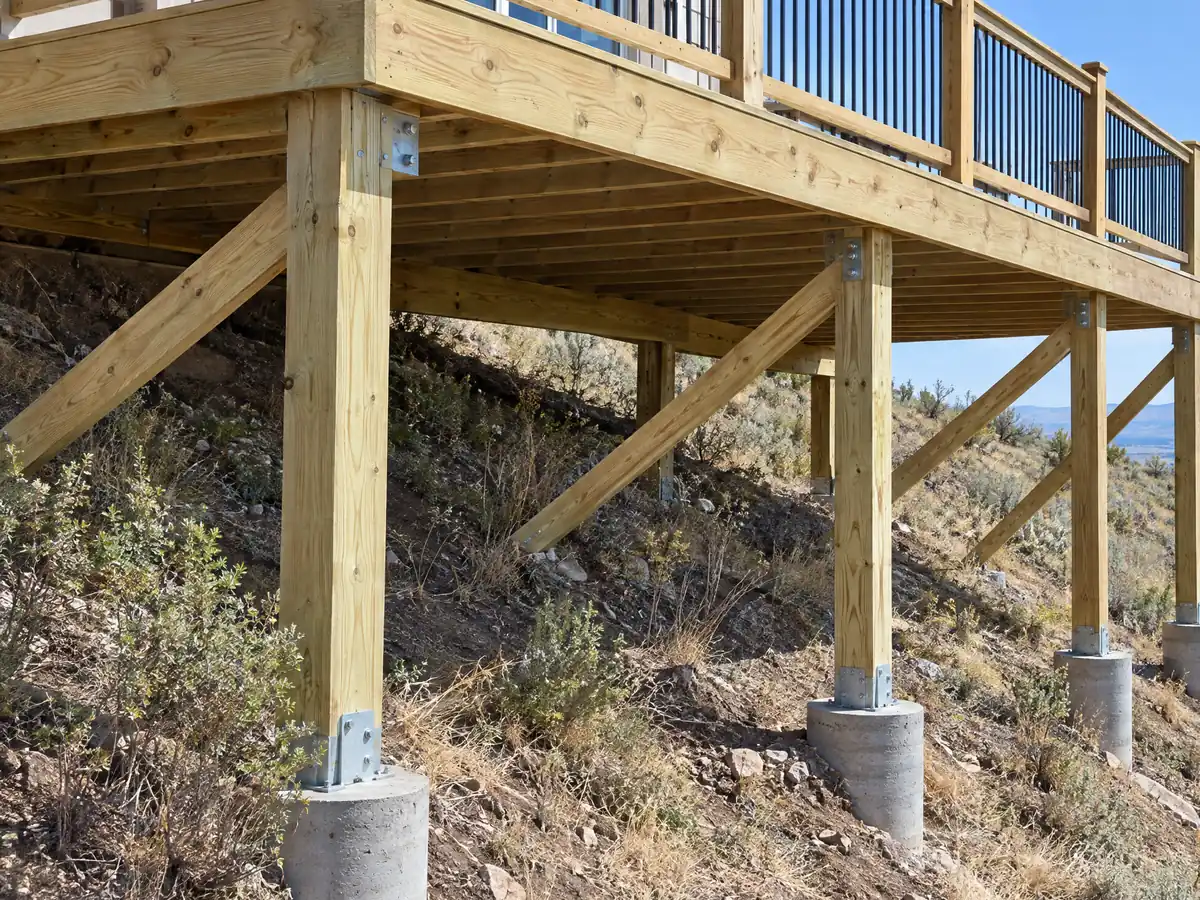
Decks in Rancho Cucamonga
Fire District Standard 49-1, the 200 sq ft exemption, 96 and 110 mph wind figures, hillside lots, patio covers, deck repair and wood or composite costs in Rancho Cucamonga.
See Rancho Cucamonga deck building →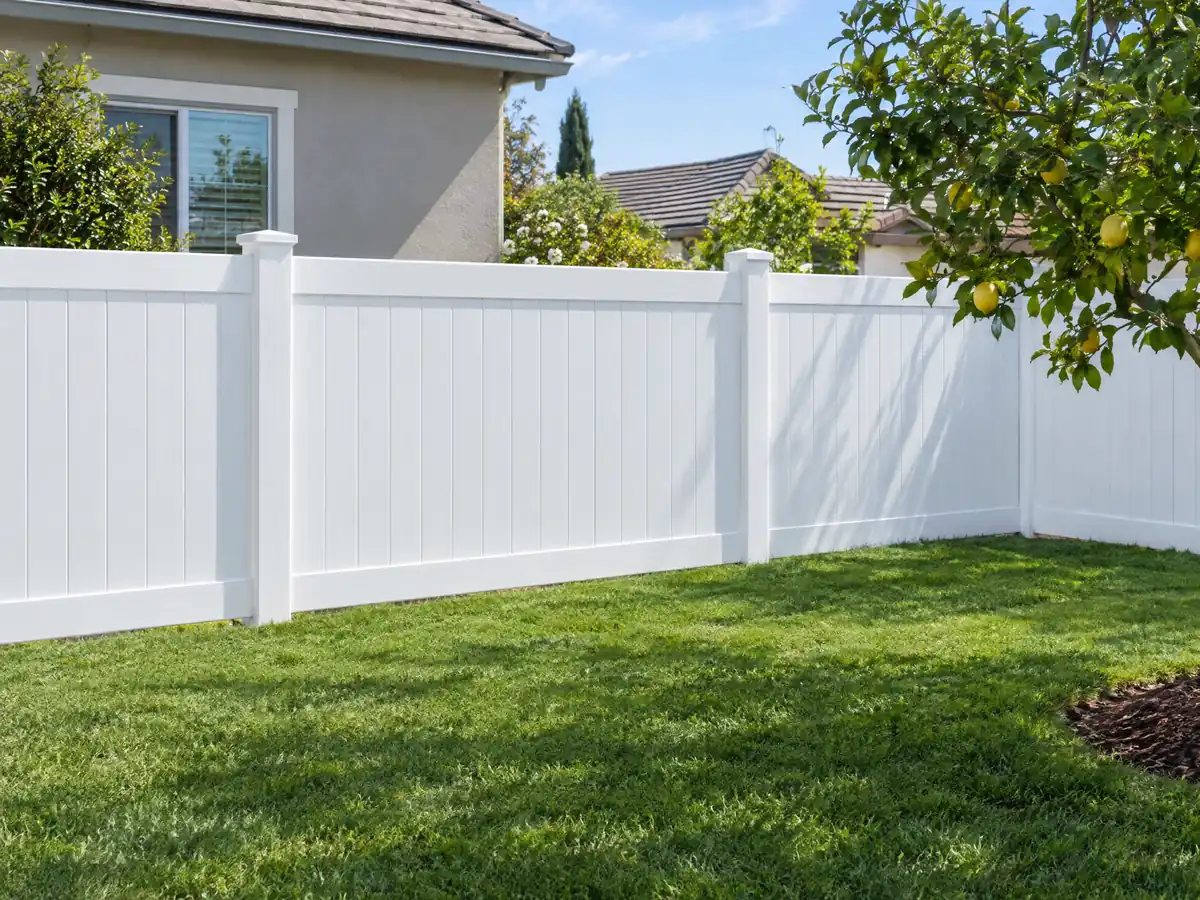
Fencing in Rancho Cucamonga
A permit exemption that stops at 6 feet and 3 feet of masonry, 3 foot solid front yards, non-combustible fences near fire-area homes and a 3 versus 4 foot retaining wall conflict.
See Rancho Cucamonga fencing →What should a Rancho Cucamonga homeowner know before hiring a general contractor, with online-only permits, a fire district of its own and fault zones at the foothills?
The ground under Rancho Cucamonga was a Mexican land grant long before it was a city. Tiburcio Tapia received it in March 1839 and planted grapes, John Rains bought the rancho in 1858 and finished the Casa de Rancho Cucamonga in 1860, and Isaias Hellman took over around 1870 or 1871, depending on the source. The City's Local Hazard Mitigation Plan says William and George Chaffey bought the Etiwanda land in 1881, with the first electric light in 1882 and the Santa Fe Railroad through in 1887. By the 1920s, according to the Victoria Gardens Master Plan, the area held one of the largest vineyards in the world, over 6,000 acres, and eucalyptus windrows in Alta Loma and Etiwanda broke the wind for the crops. Families from Los Angeles and Orange Counties came for cheaper housing in the 1970s, and Alta Loma, Cucamonga and Etiwanda incorporated as one city in 1977. Wikipedia's census table shows 55,250 residents in 1980 and 101,409 in 1990, and the housing count shows the same surge. Census Bureau ACS 2024 one year estimates count 62,033 housing units, with a margin of error near 2,800, and the 1980s are the biggest decade at 15,927 units, or 25.7 percent. About 59 percent date from 1970 through 1999, only about 29 percent (18,110) predate 1980, and about 31 percent were built from 2000 on. The median owner-occupied value is $766,300, and renters hold about 40 percent of occupied homes. For most owners that means roofs, windows, water heaters and shower valves that are 35 to 45 years old, not pre-war plumbing, since only 1,093 units date from 1939 or earlier.
The City issues its own permits, and it does so online only. The Building & Safety page of Community Development says every application goes through the Online Permit Center and that nothing is handed out over the counter. Solar, reroof and patio cover permits are issued through their own email route, and Planning or Engineering can each need to sign off before a permit issues, so one job can turn into three reviews. Ordinance 1048, passed November 19, 2025, adopted the 2025 California codes with local amendments, and the City says plans filed on or after January 1, 2026 are checked against them. Code text here comes from GoCodebook's third-party mirror, stamped 2026-10-22, because the City's code host blocked our tools with a Cloudflare error. On that mirror, RMC 15.12.030 says no one may own, use or occupy an unpermitted structure or system, so a past owner's shortcut becomes the next owner's problem. For residential work, RMC 15.12.075 asks the application to name either a registered design professional or a California licensed contractor acting as the design professional in responsible charge. Every permitted site also needs a posted dust control sign, a waste plan that diverts at least 65 percent of the tonnage from the landfill, and construction noise held between 7 a.m. and 8 p.m. Monday through Saturday and never on Sunday or national holidays. Fire and life safety belong to the Rancho Cucamonga Fire Protection District, not to Building & Safety, and the South Coast AQMD sets the dust and coating rules because the City sits in its San Bernardino County list.
What the application needs depends on the trade. A roof repair or replacement needs a Roof Repair Permit under 400 square feet and a Reroof Permit above it, the covering must be at least Class B for a typical wood-frame house and Class A in Very High zones, and a change of material goes to Planning first. Window replacement is missing from the state's exemption list and the City's fee schedule has window permit categories, so we plan on a permit and confirm it. A kitchen remodel or bathroom remodel needs a permit once cabinets, vanities, sinks, tubs, showers or an island move or change, and the permit can force old toilets and showerheads to be swapped across the whole house. Painting and flooring are exempt finish work, yet EPA's lead-safe rule covers paid work in pre-1978 homes, Rule 1113 limits coatings (check the District's table for your product, we print no limit), and Rule 1403 governs asbestos when old material comes out. A fence is exempt up to 6 feet in wood, metal or chain-link and up to 3 feet in masonry, stricter than the state's 7 feet, but a solid fence in a front yard stops at 3 feet. Concrete flatwork on private land is not a building permit item, a retaining wall needs a permit at 3 feet on the City's handout against 4 feet in the state list, and a front yard can hold at most 50 percent hardscape. A deck skips a permit only when it is detached, 200 square feet or less, no higher than 30 inches and not serving an exit door, and the City's code gives two design wind speeds, 96 and 110 mph, so we ask which one the plan checker applies. An ADU follows Ordinance 1049 of December 3, 2025, with a 60 day clock, while the City's 2024 handbook shows older figures and loses to the code. A room addition over 50 percent of the existing floor area needs a geotechnical report.
The wind, the foothills and the faults decide how much room a design really has. The City's wildfire plan lists fires back to 1912, including the 2003 Grand Prix fire, which destroyed 15 homes in Rancho Cucamonga, and the April 30, 2014 Etiwanda Fire, which burned more than 2,000 acres before it stopped at Banyan while about 1,500 homes were evacuated. The Fire District's ordinance of 2012 created the Wildland-Urban Interface Fire Area on the north side, and inside it new buildings, additions and accessory structures follow Standard 49-1: a non-combustible Zone 0 within 5 feet, defensible space out to 100 feet, self-closing doors and ember-resistant construction. The copy we opened is a December 2022 text, and a search result suggests the District adopted a newer Fire Code in November 2025, so treat it as the latest we found and not as proof of today's wording. We do not say which parcels are inside the area, since the City's Search For My Property map settles that and we did not run it. The Cucamonga Fault and the Etiwanda Avenue Fault Scarp carry State Alquist-Priolo zones, and the City adds its own Red Hill Fault Zone. The Hillside Overlay generally runs north of Hillside Avenue and includes Red Hill and Beryl Hill, the Equestrian Overlay starts at Banyan Street and protects the large rural lots, and the City counts 77 designated local landmarks that need a Certificate of Appropriateness before their appearance changes. Master planned communities such as Terra Vista and Victoria add homeowners association review, and a rule that fits Alta Loma will not always fit Etiwanda. Upland, Fontana, Ontario and Montclair border the city, and we only link places whose guides are finished, so Claremont and San Bernardino are the nearest pages here. On a Rancho Cucamonga job, MDG Builders, CSLB #1040337, writes the scope, files the online application, schedules licensed subcontractors and inspections, and walks the finished work with you. Before you sign, two short reads are worth your time: how general contractors use subcontractors and how to check a contractor's license.
- Every permit is applied for online through the Online Permit Center, and the City issues none over the counter.
- The Rancho Cucamonga Fire Protection District, not the City, handles fire prevention, and its Wildland-Urban Interface Fire Area covers nearly one third of the District's service area.
- The 1980s built 15,927 of the city's 62,033 housing units, and only about 29 percent of homes predate 1980.
- Fences up to 6 feet in wood, metal or chain-link and up to 3 feet in masonry need no building permit, against the state's 7 feet.
- Two Alquist-Priolo fault zones and a 50 percent floor-area trigger make a geotechnical report part of most large additions.
- Some code text on these pages was read only on GoCodebook's third-party mirror, stamped 2026-10-22, and is labelled that way.
Rancho Cucamonga questions we hear before a contract is signed
Does Rancho Cucamonga issue its own building permits?
Yes. The Building & Safety Department of Community Development issues them, and every application goes through the City's Online Permit Center because nothing is issued over the counter. Solar, reroof and patio cover permits have their own email route. Planning or Engineering approval can be required before a permit issues, so ask which reviews your job needs.
Does Rancho Cucamonga have its own fire department?
It has a fire district, not a City department. The Rancho Cucamonga Fire Protection District provides fire and life safety service, runs the Fire Prevention Bureau and the spring and fall weed abatement inspections, and covers about 50 square miles, including some unincorporated foothill land north of the city. Fire plan questions go to the District.
Is my Rancho Cucamonga home in the Wildland-Urban Interface Fire Area?
We cannot say without a parcel lookup, and we have not run one. The area sits on the north side of the city, and the City's Search For My Property map answers it for an address. Inside it, new buildings and additions follow Fire District Standard 49-1, a copy we read as dated December 2022.
Do I need a permit for a fence in Rancho Cucamonga?
Usually not for the building permit. Wood, metal and chain-link fences up to 6 feet and masonry fences up to 3 feet are exempt, which is stricter than the state's 7 feet. Zoning still caps a solid front yard fence at 3 feet and bars chain-link for screening, so an exempt fence can still break the code.
How old are Rancho Cucamonga homes, and does lead paint matter?
Most are not very old. ACS 2024 shows about 29 percent of homes, 18,110 units, were built before 1980, and the table cannot isolate 1978. EPA's lead-safe rule covers paid work that disturbs paint in pre-1978 homes, so it matters most in older Cucamonga, Alta Loma and Etiwanda houses. Ask any firm for its EPA certification.
Do I need a soils report for an addition near the faults?
Only for larger jobs. Ordinance 1048 requires a geotechnical report for new structures and for additions of more than 50 percent of the existing floor area, and a report more than 3 years old needs an update or a soil letter. The city contains two State Alquist-Priolo Special Study Zones, so the report is not a formality.
Which ADU rules apply, Ordinance 1049 or the City handbook?
Ordinance 1049, adopted December 3, 2025, controls. It sets a 60 day decision clock for a complete application and lets a detached ADU reach 1,200 square feet. The City's May 2024 handbook still shows older figures, and the handbook itself says the code prevails, so ask Building & Safety which sheet your plan checker uses.
What does a general contractor do on a Rancho Cucamonga job?
The general contractor holds your contract, the permit and the schedule. MDG Builders, CSLB #1040337, writes the scope, files the online application, hires licensed specialty subcontractors for the field work and books the inspections. Verify any license on the CSLB site and ask for each subcontractor's certificate of insurance.
Send us the details of your Rancho Cucamonga project
Name your part of town, such as Alta Loma, Etiwanda, Cucamonga or Terra Vista, the year the house was built and the job you have in mind. We look up the overlays on your parcel before we call, so you hear about the permit route and the fire area up front.