
General Contractor in San Bernardino, CA
A general contractor in San Bernardino files most plans in person at 201 North E Street, builds under fire rules enforced by the San Bernardino County Fire District, and works on a housing stock where about 62.6 percent of homes predate 1980. MDG Builders, CSLB #1040337, covers all eleven trades as the licensed general contractor.
Eleven trades, each read against San Bernardino's own code
Pick the job you are planning. Each guide names the City page or code chapter it leans on and says where we could only read the code on a third-party mirror. Dollar figures are regional planning ranges, not a quote for your house.

Kitchen Remodeling in San Bernardino
Cabinets and countertops exempt, moved pipes and wires permitted, plan check in person at 201 North E Street and a 180 day permit clock in San Bernardino.
See San Bernardino kitchen remodeling →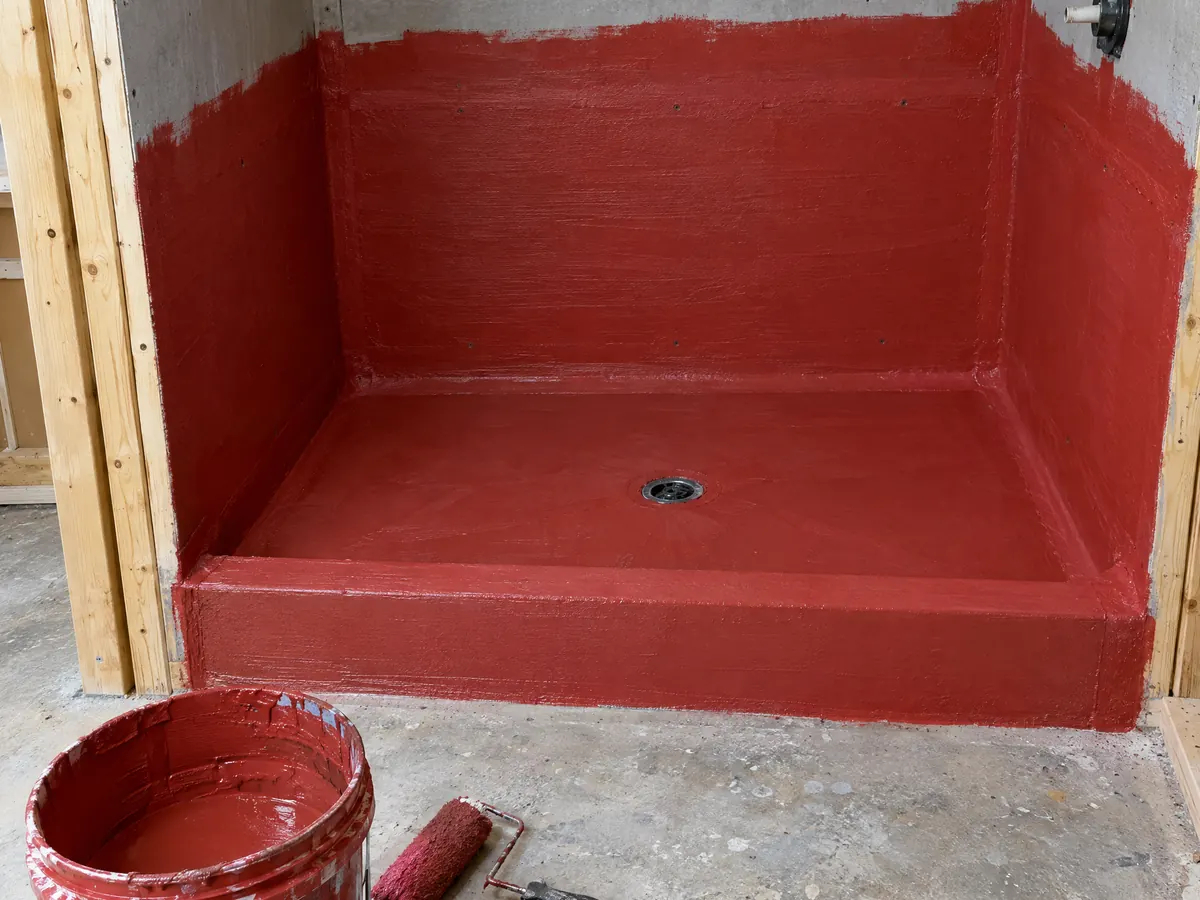
Bathroom Remodeling in San Bernardino
San Bernardino's permit line, a housing stock that is 63 percent pre-1980, rentals, foothill vent and window rules and the in-person plan check counter.
See San Bernardino bathroom remodeling →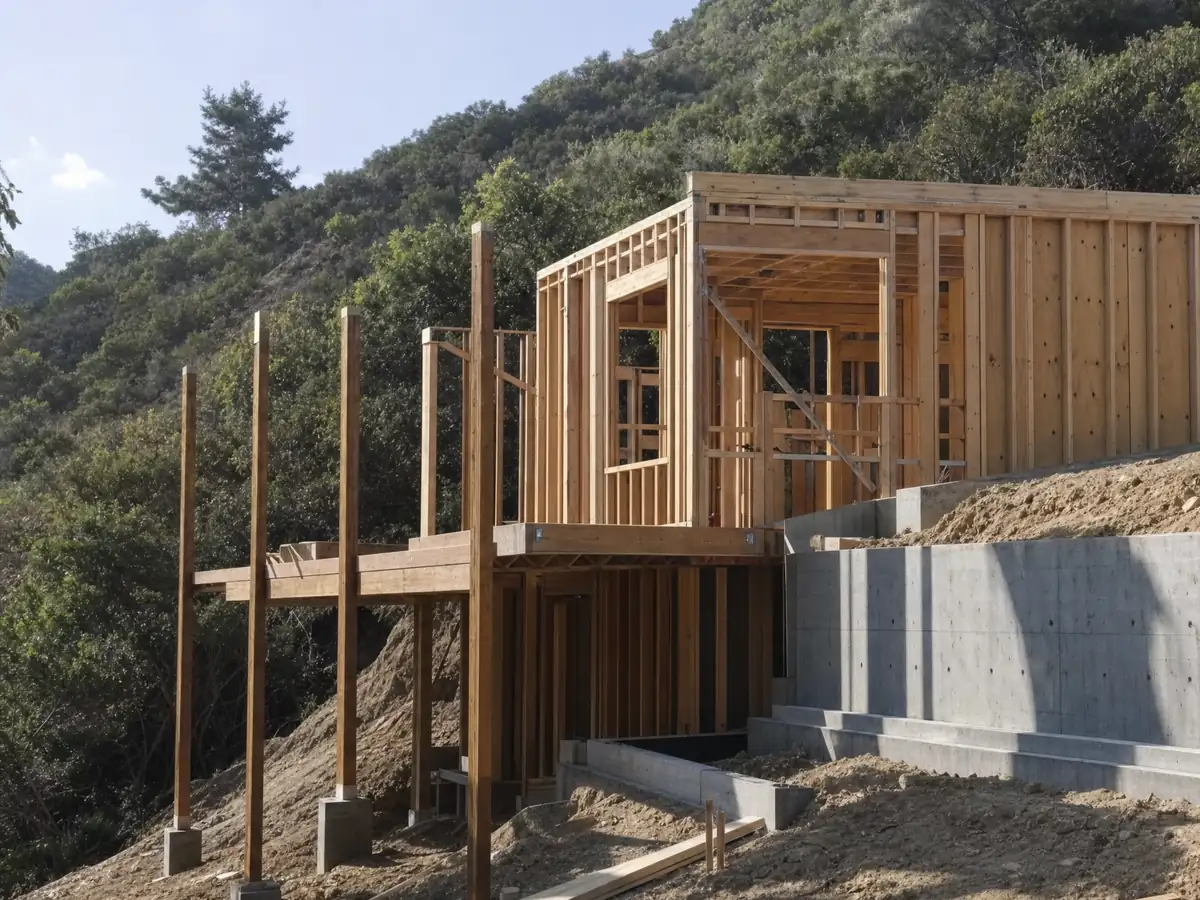
ADU Construction in San Bernardino
San Bernardino's 60-day ministerial ADU clock, building-permit-only types, garage conversions, foothill fire overlays, utilities and fees.
See San Bernardino ADU construction →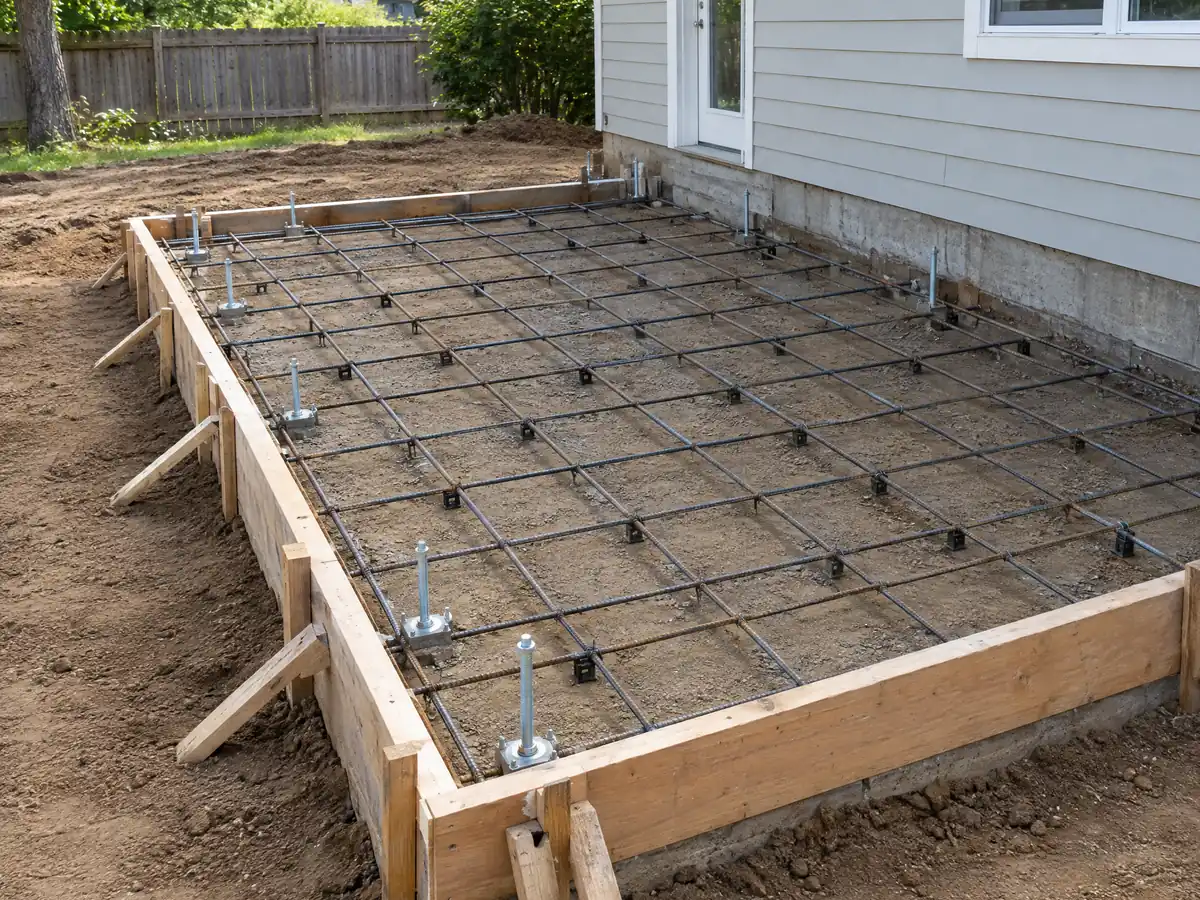
Room Additions in San Bernardino
San Bernardino's RS zone numbers, the foothill fire overlay and its two retrofit thresholds, grading, liquefaction, flood limits and 2020-dated fees.
See San Bernardino room additions →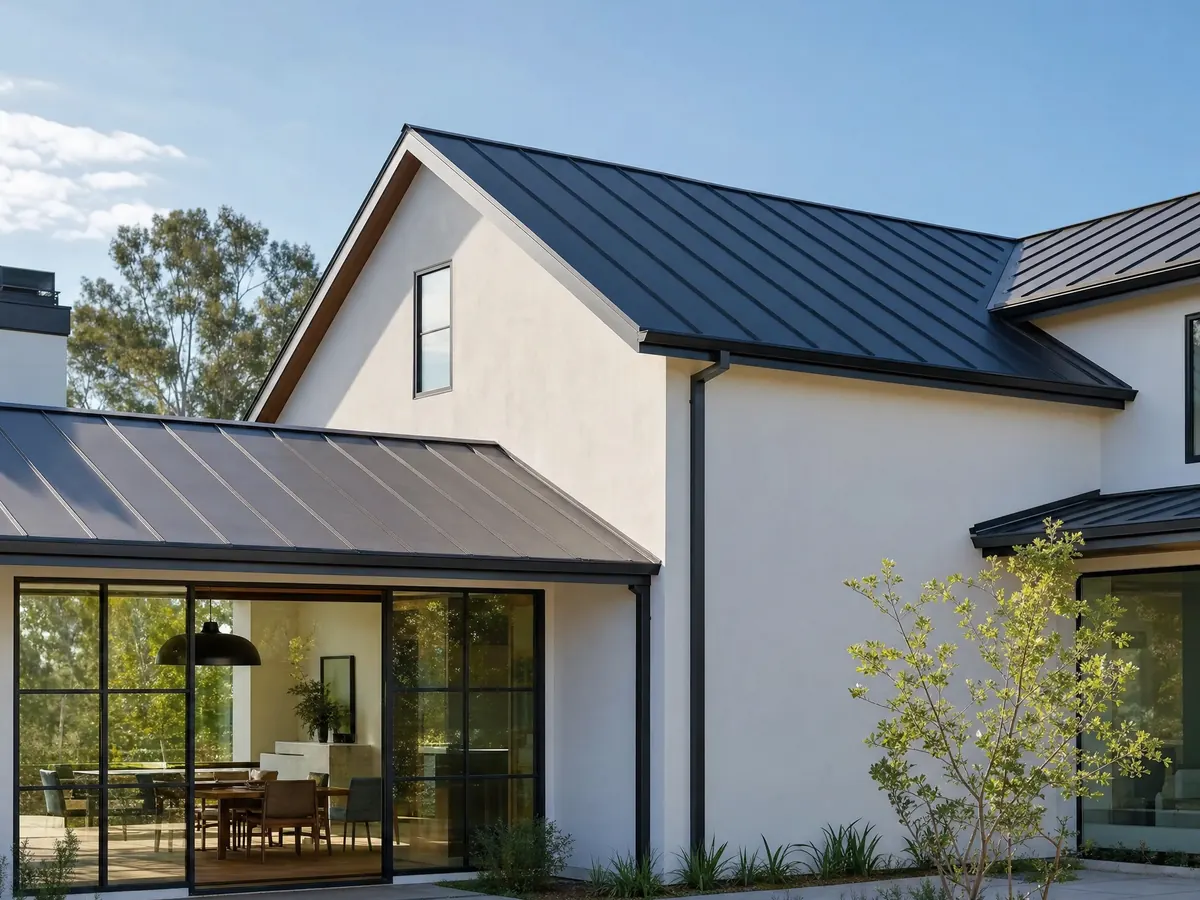
Roofing in San Bernardino
Re-roof permits the City accepts by email, Class A roofs in foothill fire zones and two retrofit thresholds, 25 and 60 percent, that disagree in San Bernardino.
See San Bernardino roofing →
Windows in San Bernardino
San Bernardino's foothill glass and frame rules, window permit status, summer heat, lead-safe work in older homes and airport noise bands.
See San Bernardino window replacement →
Flooring in San Bernardino
Postwar tract floors, asbestos checks, groundwater, fault zones, rental inspections, the permit-exempt list and flooring costs in San Bernardino.
See San Bernardino flooring →
Painting in San Bernardino
No building permit for paint, lead-safe rules for the 63 percent of homes built before 1980, Rule 1113 coating limits and no adopted historic overlay in San Bernardino.
See San Bernardino painting →
Concrete in San Bernardino
The wall exemption conflict, flatwork and driveway rules, groundwater, fault zones, foothill grading, dust rules and concrete costs in San Bernardino.
See San Bernardino concrete work →
Decks in San Bernardino
The foothill no-exposed-wood rule, the 200 square foot exemption, deck repair triggers, guards, hillside footings, fault zones and deck costs in San Bernardino.
See San Bernardino deck building →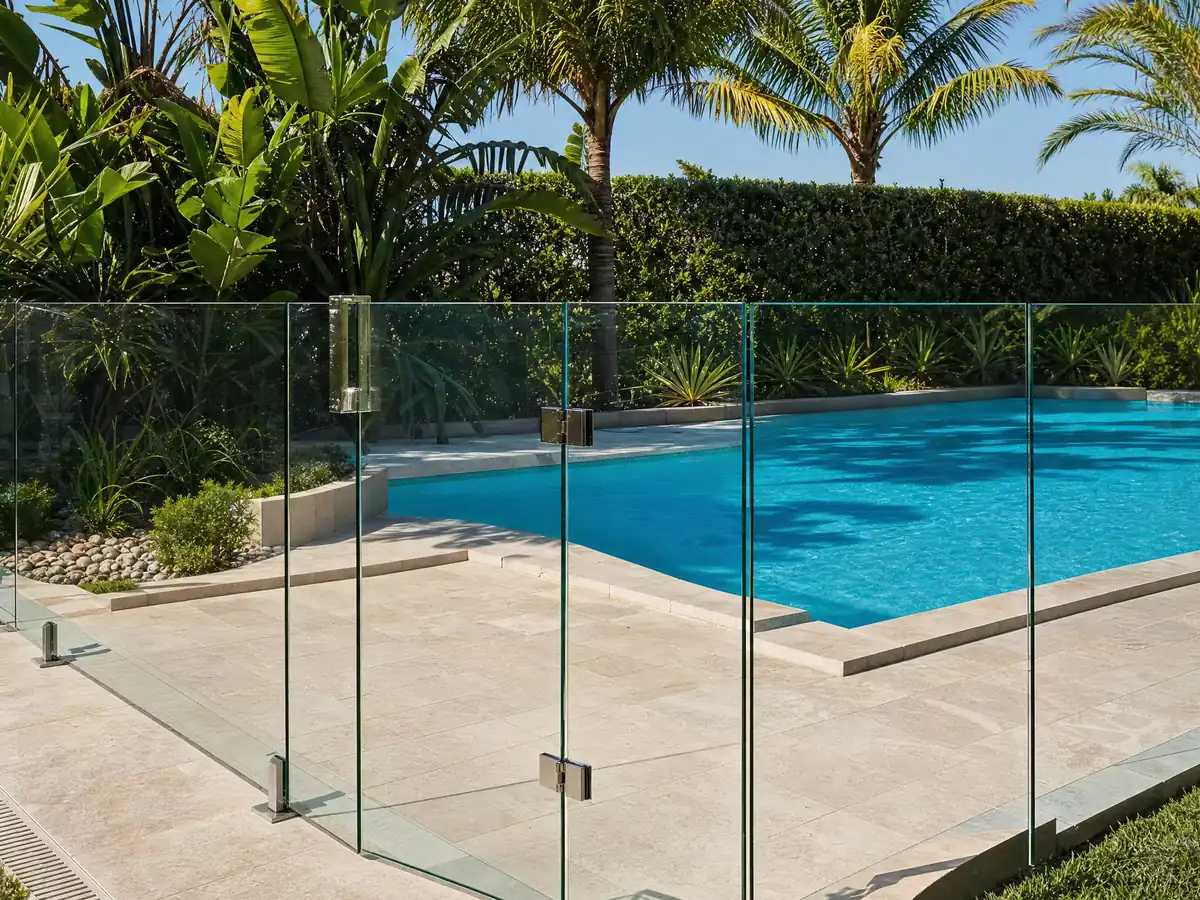
Fencing in San Bernardino
A 6 foot code exemption against a 7 foot City web page, 3 foot solid front yards, no exposed wood in the foothills and Planning sign-off on every fence.
See San Bernardino fencing →What should a San Bernardino homeowner know before hiring a general contractor, with foothill fire rules, old tract homes and a county fire district in the picture?
San Bernardino's building story starts with a land purchase. The City's history page says a Mormon colony bought the 35,000 acre Rancho San Bernardino in 1851, and the Santa Fe's 1886 transcontinental link turned the town into a railroad hub, lifting the population from 6,150 in 1900 to 12,779 in 1910. Most of today's houses came later. Wikipedia's census table lists 63,058 residents in 1950, 91,922 in 1960 and 106,869 in 1970, and the City's Housing Element ties the postwar tracts in the north central and Del Rosa areas to railroad work, jobs at Norton Air Force Base and the Kaiser Steel mill in Fontana. Census Bureau ACS 2024 one year estimates count 68,594 housing units, with a margin of error near 3,000, and about 46 percent of them went up between 1950 and 1979. Roughly 62.6 percent predate 1980, about 37 percent predate 1960 and around 9 percent are from 1939 or earlier. Renters occupy 48.3 percent of occupied homes, and the median owner-occupied value is $461,400. After Norton and Kaiser closed came the boom and bust cycles, the 2012 bankruptcy and the 2015 attack. The Housing Element says those years nearly halted housing investment, that the City emerged from all bankruptcy proceedings in 2022, that at least half the housing is 50 years old or more, and that staff estimate up to 20 percent of homes need moderate repair and 7 to 10 percent need major repair. For an owner, that usually means original roofs, windows, plumbing and paint, and a real chance that old paint holds lead.
The City issues its own permits. Building & Safety, a division of Community Development & Housing, works from a counter at 201 North E Street that opens Monday, Tuesday and Thursday at 8 a.m., Wednesday at 10 a.m. and Friday at 8 a.m., with the last sign in for permit issuance at 4:30 p.m. most days and 2:30 p.m. on Friday. The Building & Safety Division page says plans do not go in by courier, mail or email, apart from expedited residential solar and EV charging, and a submittal needs three printed sets at least 24 by 36 inches plus two copies of supporting calculations and reports. Architect or engineer plans must carry a wet stamp on the cover sheet. Online and email applications are limited to single-family electrical re-wires, water re-pipes, panel upgrades and re-roofs. Every contractor needs a state license and a current City business license, and the City checks both. Inspections are requested through SB Direct at 909-998-2000. The pages we read publish no plan check turnaround, so we promise none. Under Municipal Code 15.04.050, as we read it on GoCodebook's mirror (text as of October 4, 2026, because the City's code host blocked our tools), a 180 day stretch without an inspection and visible progress is prima facie evidence that the work is abandoned and the permit expired. The same mirror limits construction work to 7 a.m. through 8 p.m. Fire service is a separate agency: since July 1, 2016 the San Bernardino County Fire District handles it, and the City has no fire department of its own. Whether a plan check needs District review is a question for the counter, because the City pages do not spell out the routing.
What the counter asks for depends on the trade. A roof repair or replacement is permit work, though re-roofs are one of the few permits taken by email. Window replacement is missing from the City's exempt list, so we treat it as permitted and tell owners to confirm at the counter. A kitchen remodel or bathroom remodel needs no permit for cabinets, countertops, tile or paint, but moving gas, wiring or plumbing does. Painting and surface flooring are exempt finish work, yet EPA's lead-safe rule covers paid work on pre-1978 homes, South Coast AQMD caps nonflat coatings at 50 grams per liter, and Rule 1403 governs asbestos when old materials come out. A fence has a conflict of its own: the Municipal Code exempts fences up to 6 feet while the City's web page says 7, Planning must approve every fence plan either way, and front and street side yards cap solid fences at 3 feet and open ones at 4. Concrete sidewalks and driveways up to 30 inches above grade are exempt, retaining walls up to 4 feet are exempt, and work in the public right of way goes through Public Works rather than the permit counter. A deck skips a permit only if it is detached, 200 square feet or less and no higher than 30 inches. An ADU is a ministerial application that must be approved or denied within 60 days of a complete submittal, and the Housing Element reports ADU permits rising from about 80 after the 2021 update to 147 in 2022. A room addition goes through plan check and a zoning review, and the single-family RS zone table lists 35 percent lot coverage and a 5 foot side setback.
The overlays and the ground decide how much room a design really has. The County Fire District's Board adopted Ordinance 4489 on June 10, 2025 for Moderate, High and Very High zones in its local responsibility areas, while Municipal Code 15.10.030 still points to a City map dated October 29, 2008. Development Code 19.15 separately sorts foothill lots into Fire Zones A, B and C by slope, and in the stricter zones that brings no exposed wood on exterior elements, non-wood Class A roofs, ignition-resistant fencing, certified vinyl windows and, in Zones A and B, 50 foot wet zones and 100 foot thinning zones. The two chapters also disagree on when a repair triggers a retrofit, 25 percent in one and 60 percent in the other, so a foothill owner should ask for the Building Division's answer in writing. We do not say which streets sit in which zone. Downtown and most of the southern city lie in liquefaction susceptibility areas over the Bunker Hill Groundwater Basin, where Municipal Code 15.08 requires an engineer's report for listed building types and for structural changes over 25 percent of the building. The San Andreas and San Jacinto faults both carry Alquist-Priolo zones, and flood and hillside overlays cover other lots. We found no adopted historic overlay, because Development Code chapter 19.18 is still reserved, but any building 50 years or older needs a permit to be demolished. Colton, Rialto, Loma Linda, Highland and Redlands sit next to the city, and Riverside, Moreno Valley and Jurupa Valley have pages here too, but a permit answer from one place does not carry over to another. On a San Bernardino job, MDG Builders, CSLB #1040337, writes the scope, files the permit, books licensed trade subcontractors and the inspections, and walks the finished work with you. Two short reads help before you sign: how general contractors use subcontractors and how to check a contractor's license.

- Plans for most projects are filed in person at 201 North E Street, three printed sets at least 24 by 36 inches.
- The San Bernardino County Fire District has covered fire protection since July 1, 2016, and the City has no fire department.
- About 62.6 percent of the 68,594 housing units were built before 1980, with 14,038 from the 1950s alone.
- Foothill Fire Zones A, B and C are set by slope, and the County's 2025 ordinance and the City's 2008 map both apply to fire rules.
- A permit with no inspection and progress for 180 days is presumed abandoned, per the code text on GoCodebook's mirror.
- No historic overlay is adopted, but demolishing any building 50 years or older needs a City permit.
Cities near San Bernardino we also build in
San Bernardino questions we hear before a contract is signed
Does San Bernardino issue its own building permits?
Yes. The Building & Safety Division of the City's Community Development & Housing Department issues them at 201 North E Street, and most plans must be filed in person. Only electrical re-wires, water re-pipes, panel upgrades and re-roofs on single-family homes can go in by email. Contractors need a state license plus a City business license.
Does San Bernardino have its own fire department?
No. Since July 1, 2016 the San Bernardino County Fire District has provided fire protection and emergency medical response in the City, as the City's own Fire page says. Its Office of the Fire Marshal handles inspections and regulation. Ask the permit counter whether your plan needs District review, because the City pages do not say.
Is my San Bernardino home in a fire hazard zone?
We cannot say without an address lookup, and we have not run one. Two maps matter: the County Fire District's zones under Ordinance 4489, adopted June 10, 2025, and a City map from October 29, 2008 that the Municipal Code still cites. Check the District's map viewer, then ask Building & Safety which one governs your project.
Do I need a permit for a fence in San Bernardino?
Usually not for the building permit, but Planning must approve every fence plan anyway. The Municipal Code exempts fences up to 6 feet, though the City's web page says 7, so confirm which figure applies. Masonry fences over 3 feet need a permit, and front yard fences are capped at 3 feet solid or 4 open.
How old are San Bernardino homes, and does lead paint matter?
Most are old. ACS 2024 puts about 62.6 percent of units before 1980 and about 37 percent before 1960. The data cannot separate 1978 from 1979, yet EPA's lead-safe rule covers paid work that disturbs paint in homes built before 1978, so many repaint, window and siding jobs qualify. Ask every firm for its EPA certification.
Does San Bernardino have historic districts that limit exterior work?
Not as an adopted overlay. The historic preservation chapter, Development Code 19.18, is still marked reserved, so we cite no district rules. What does exist is Municipal Code 15.37, which requires a permit to demolish any building 50 years or older and a historic report for resources on the 1991 survey list. Ask Planning about your address.
Does groundwater or liquefaction affect building in San Bernardino?
It can. The 2024 Local Hazard Mitigation Plan puts downtown in a high liquefaction susceptibility zone and says almost the whole southern city is susceptible. Municipal Code 15.08 requires an engineer's liquefaction report for listed building types and for structural changes over 25 percent of the building in mapped areas. Kitchen or paint jobs rarely reach that trigger.
What does a general contractor do on a San Bernardino job?
The general contractor holds your contract and the permit, and decides who works in what order. MDG Builders, CSLB #1040337, hires licensed specialty subcontractors for the field work, schedules the City inspections and closes the job with a walkthrough. Look up any license on the CSLB site and ask for each subcontractor's certificate of insurance.
Tell us what your San Bernardino home needs
Name your part of town, such as Del Rosa, Perris Hill or Verdemont, the rough age of the house and the job you have in mind. We check the permit route, the zoning map and both fire maps for that address before we call you back.