
Flooring Installationin San Bernardino, CA
Flooring installation in San Bernardino needs no building permit for the covering itself, because the City's exempt-work list names carpeting and tiling, but structural, plumbing or electrical work done with it does. About 63 percent of the city's homes predate 1980, so test old tile adhesive for asbestos and the slab for moisture before anything comes up.
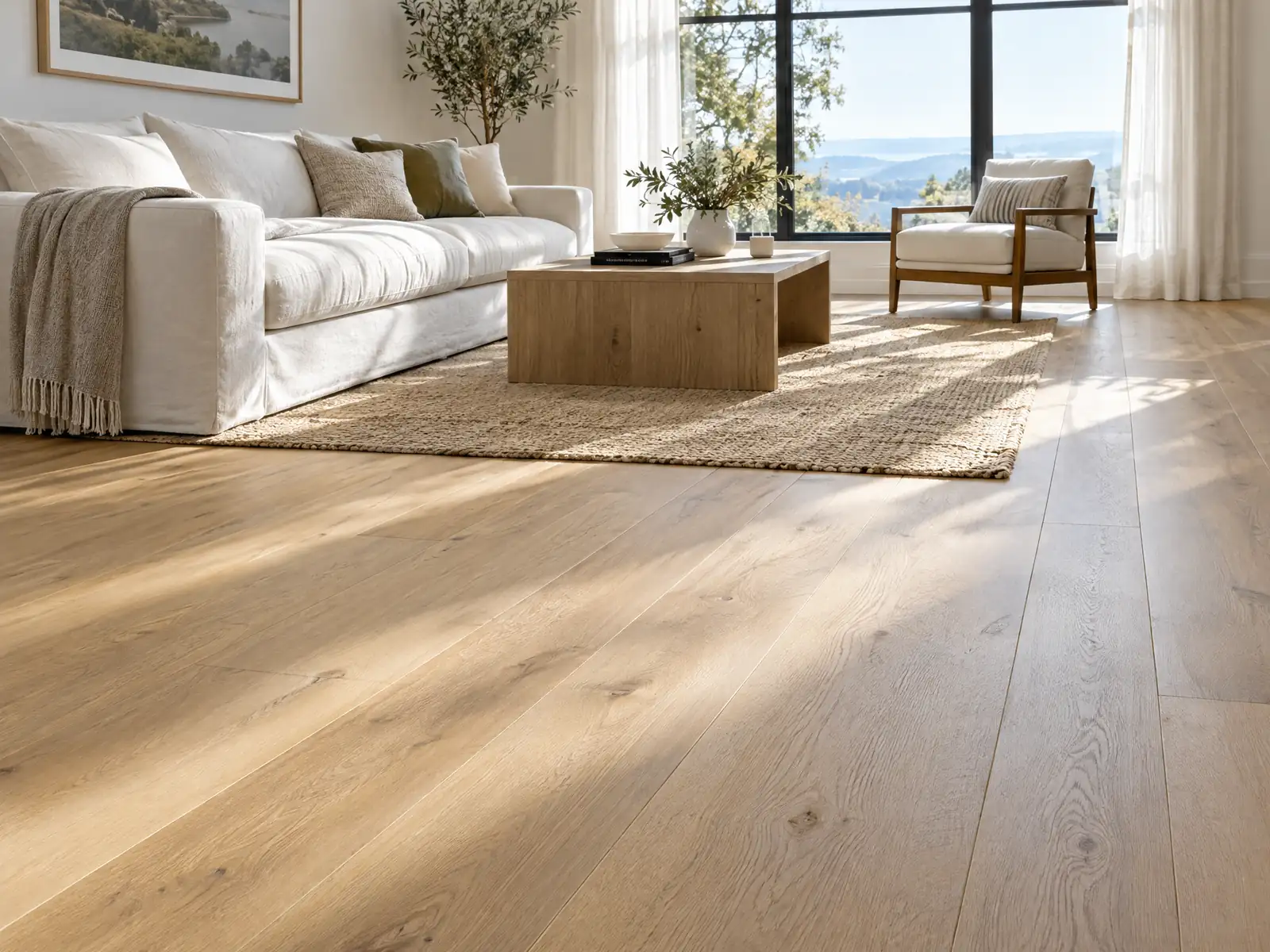
San Bernardino's floors were laid in waves. The City's history page says the Santa Fe's 1886 link made the town a railroad hub, and Wikipedia's census table shows 37,481 residents in 1930, 63,058 in 1950 and 106,869 in 1970. The Census Bureau's 2024 estimates count 68,594 homes, and 31,659 of them, about 46 percent, went up between 1950 and 1979, so the typical floor here is a postwar slab or an older raised floor that has been covered more than once.
MDG Builders (CSLB #1040337) is a general contractor based in Tarzana. On a San Bernardino job we write the scope, ask the Building & Safety Division the permit questions and keep the calendar, while licensed flooring and tile subcontractors do the laying. The flooring page covers materials, the San Bernardino overview lists our other trades in the city, and the same property may need concrete work in San Bernardino or a deck in San Bernardino.
What San Bernardino's Building & Safety Division, South Coast AQMD and state law say about flooring work
Where flooring permits come from in San Bernardino: City of San Bernardino Community Development & Housing Department, Building & Safety Division.
- Flooring: carpeting and tiling are listed as permit-exempt finish work in San Bernardino, and the pages read give no flooring-specific rule, so a floor covering swap needs no building permit while any structural, plumbing or electrical work done with it falls under the City's general permit rule.
- Older San Bernardino homes: ACS 2024 puts 62.6 percent of units before 1980, and the Housing Element estimates up to 20 percent of homes need moderate repair and 7 to 10 percent major repair; SCAQMD Rule 1403 sets asbestos work practices for renovation and demolition, which is the rule to check before pulling up old flooring materials in a pre-1980 home.
Sources for these rules
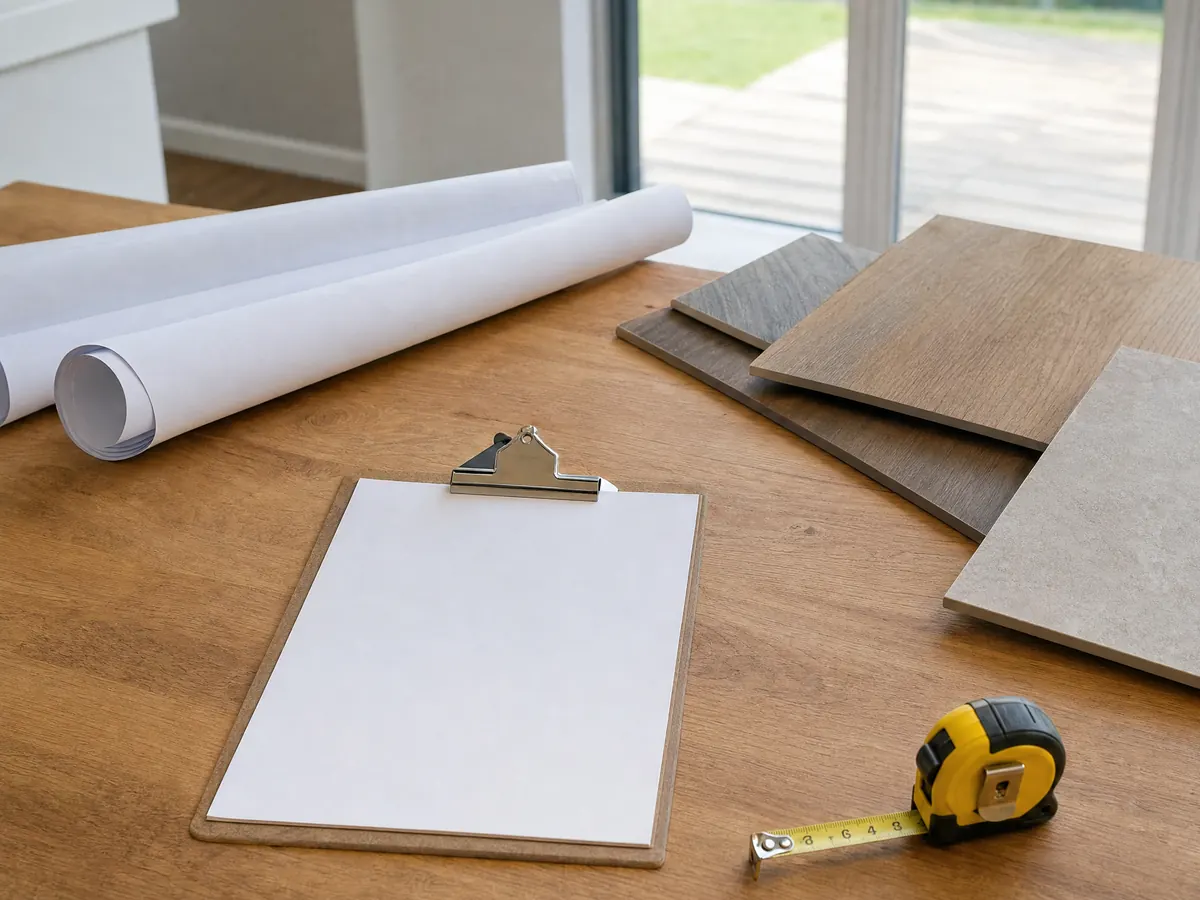
What is under the floors of a San Bernardino tract house from the 1950s to the 1970s?
Several layers, and sometimes asbestos. The Census Bureau counts 14,038 homes from the 1950s, 8,772 from the 1960s and 8,849 from the 1970s, and the City's Housing Element ties the first wave to railroad, Norton Air Force Base and Kaiser Steel paychecks that filled the north central and Del Rosa areas with tracts. Floors of that age often carry carpet over sheet vinyl over resilient tile, and the black adhesive under old tile can contain asbestos that nobody can identify by eye.
Test before anything is sanded, scraped or pried up. South Coast AQMD Rule 1403, amended October 5, 2007, sets work practices for asbestos in renovation and demolition, and it separates one-unit homes from apartments, townhouses and condominiums, so ask the contractor which category your building falls in. The floor covering alone needs no permit here, so the burden lands on the written proposal: who takes the sample, who removes a layer that tests positive and who pays.
Paint comes up with the floor. The Census table cannot split 1978 from 1979, so we cannot count the homes under EPA's pre-1978 rule, but baseboards and door casings in a 1960s house are painted surfaces, and anyone paid to disturb them needs EPA lead-safe certification.
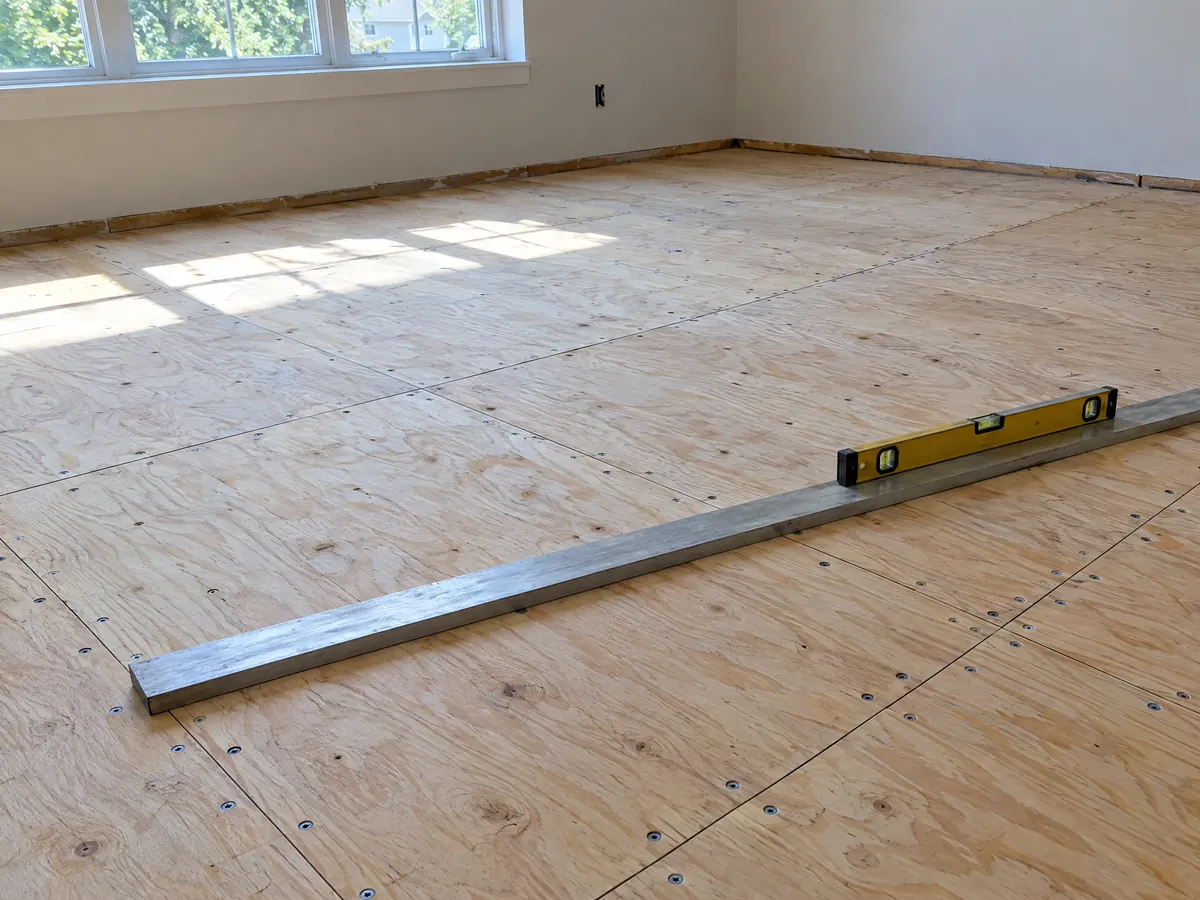
Does San Bernardino's groundwater push moisture through a slab, and do the faults crack floors?
It can, and a dry summer says little about it. The 2024 Local Hazard Mitigation Plan places part of the city over the Bunker Hill Groundwater Basin, and Municipal Code 15.08, read in GoCodebook's third-party copy, describes mapped liquefaction areas with historic groundwater within 30 feet of the surface. NOAA's 1991 to 2020 normals for Redlands, the nearest full station about 9 miles southeast and on higher ground, show 12.87 inches of rain a year, 9.77 of it from December through March.
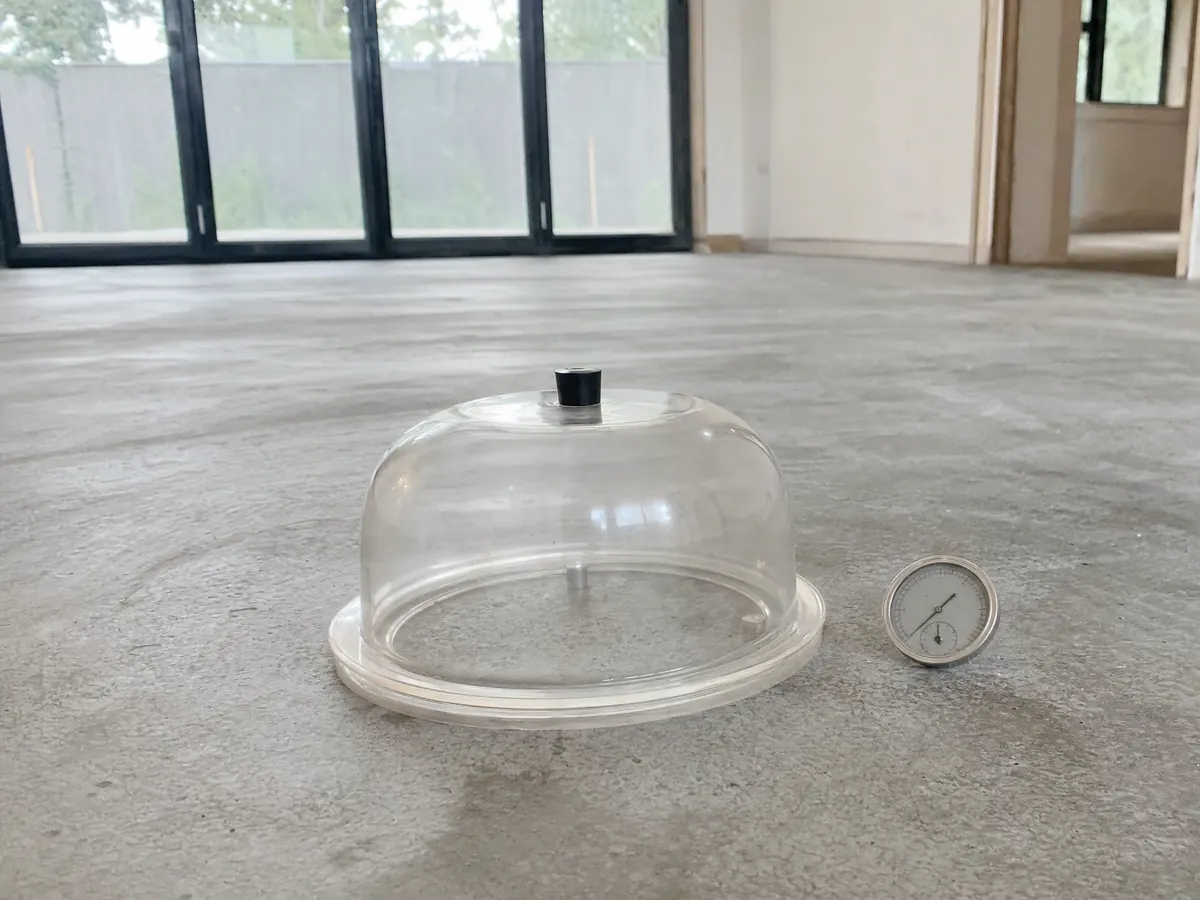
A probe or a dish gives the reading, and the plank or vinyl maker sets the pass mark. In-slab humidity probes and calcium chloride kits are the usual tests, and the manufacturer's limit, not the test itself, decides whether a slab is dry enough. Ask for the numbers in writing, with the date and spot of each reading, because readings move with the season.
Faults raise a different question. The Plan names the San Andreas Fault, along the southern base of the mountains through the northeast of the city, and the San Jacinto Fault as the two active faults here, both with State Alquist-Priolo zones, and it places the San Jacinto zone in both the eastern and southwestern parts of the city. We found no source tying either fault to floor damage, so ask the tile setter about crack-isolation membranes.
Are you refloring a San Bernardino rental that the City inspects every two years?
Many owners here are. The Census Bureau's 2024 estimates count 31,966 renter-occupied units out of 66,134 occupied, or 48.3 percent, and the City estimates that about 30 percent of its single-family homes are rentals. An April 7, 2008 ordinance requires owners of rented single-family homes, duplexes and triplexes to register and be inspected on a two-year schedule, with a $180 annual inspection fee, according to the City's rental inspection page.
Choose floors for the next tenant, not the last one. We found no flooring checklist for those inspections, so ask the City what an inspector looks at indoors before you pick materials, and photograph every room before and after. Water-resistant vinyl plank or tile suits kitchens and baths where leaks happen, and the proposal should price transitions and subfloor patches as their own lines.
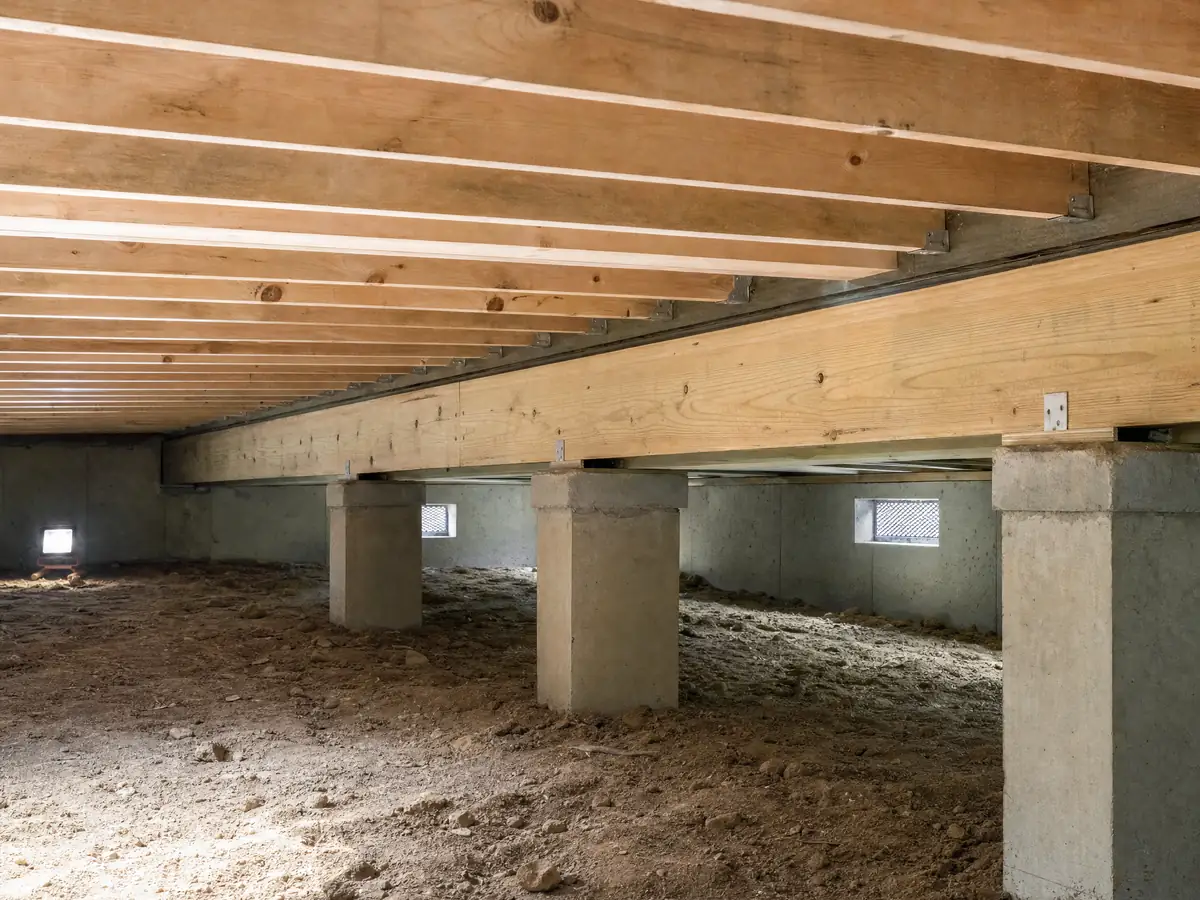
Occupied buildings need a schedule. Under Municipal Code 8.54.070, read in GoCodebook's mirror, building work stays between 7:00 a.m. and 8:00 p.m., and 8.54.050 limits domestic power tools in residential zones to 8:00 a.m. to 8:00 p.m. Give tenants those hours in writing. About 6 percent of the units are mobile homes, whose floors sit on a light frame rather than a slab, so a plan from a tract house does not carry over.
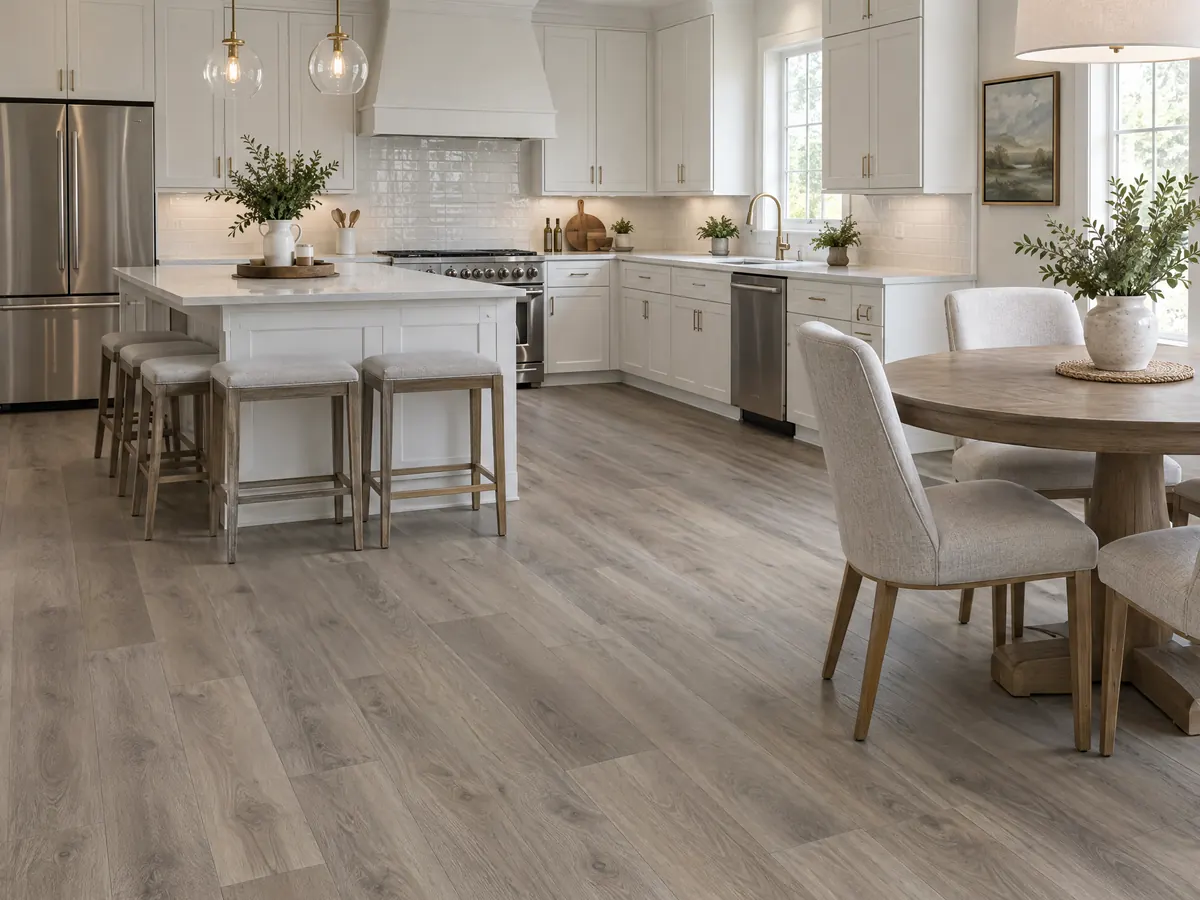
Do you need a permit to replace flooring in San Bernardino?
Not for the floor covering itself. The Building & Safety Division's page lists painting, papering, tiling, carpeting, cabinets, countertops and similar finish work as exempt from a building permit, and it points to CBC 105.2 and CRC R105.2 for the full list. The same page says structural, electrical, plumbing, heating and air-conditioning work needs a permit with few exceptions, so a repaired joist, a moved drain or a radiant heat mat is a separate permit question.
Plan check is in person, and a permit does not last forever. The counter is at 201 North E Street, and the City says it does not take plans by courier, mail or email except for expedited residential solar and EV charging. Municipal Code 15.04.050, read in GoCodebook's third-party copy, treats 180 days without an inspection and visible progress as evidence that work is abandoned and the permit expired, so a floor job that waits on a slab test needs an inspection booked in that window.
Ask before the demolition, not after. Call the counter with the scope, the build year and whether any wall, drain or circuit moves, and keep the reply in writing. Contractors need a state license and a current City business license, which the City checks on every application.
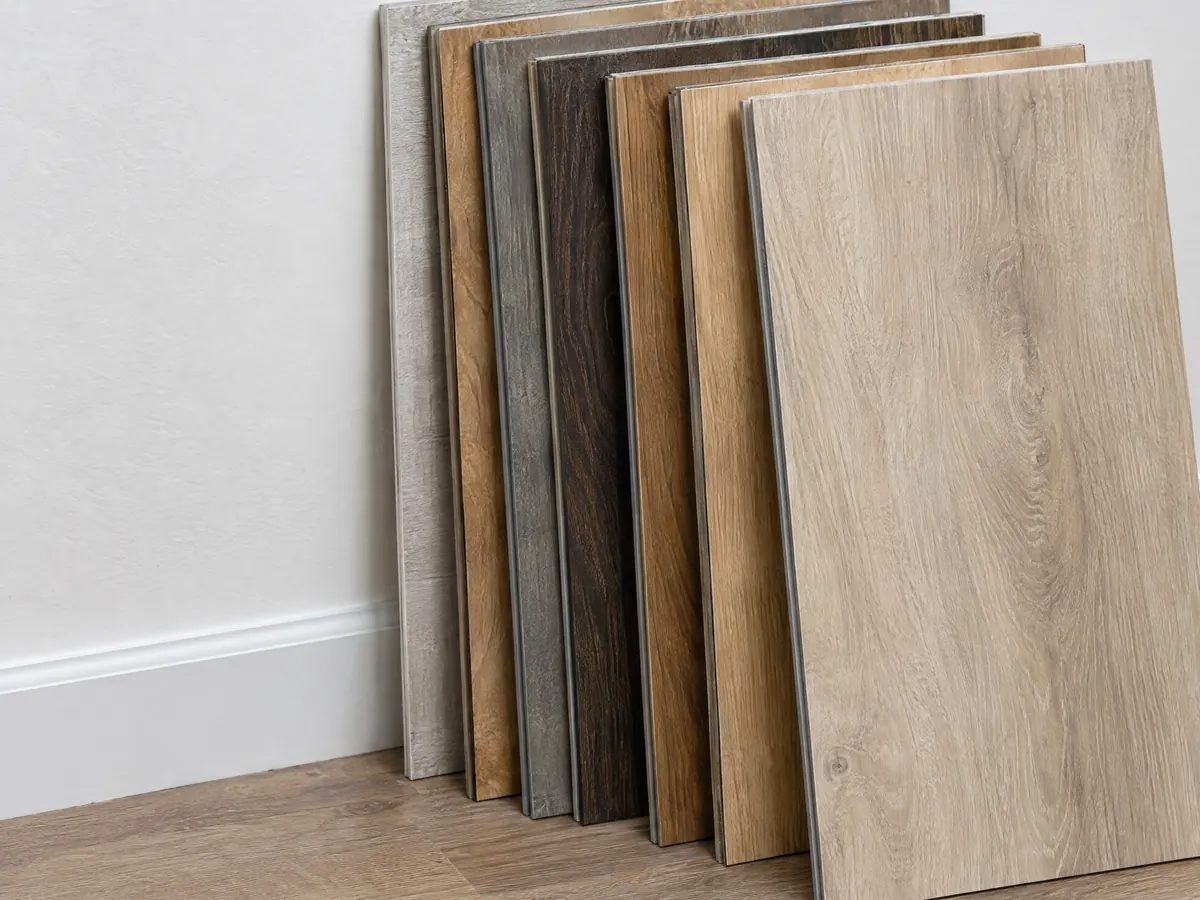
Can you refinish the old floors in a San Bernardino house built before 1941?
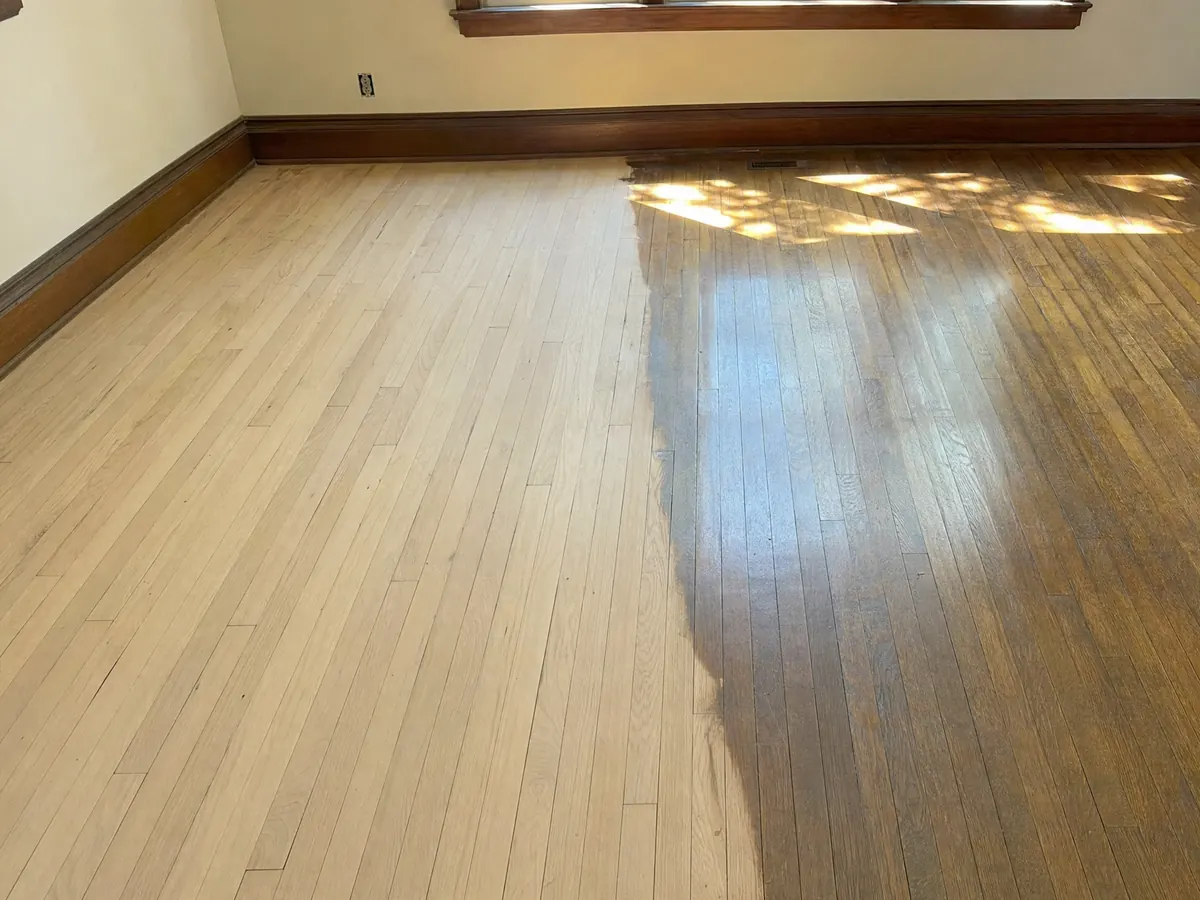
Often, if enough wood is left above the nails. The Census Bureau counts 6,480 homes from 1939 or earlier, about 9 percent of the stock, and the City's history page traces the rail boom that took the population from 6,150 in 1900 to 12,779 in 1910. A worn plank floor in one of those houses can still take a sanding, and a vent opening or a cut threshold shows how much wear layer remains.
San Bernardino has no adopted historic overlay, because Development Code chapter 19.18 is still marked reserved for a future ordinance. What it does have is Municipal Code 15.37, which bars demolishing a building 50 years or older without a permit and asks for a historic report for resources on the 1991 reconnaissance survey, a list of buildings built before December 31, 1941. We read nothing in it about sanding or replacing interior floors, but a gut remodel that removes walls and floors should ask Planning where a large scope ends and demolition begins.
Compare before tearing out. A sanding job costs $4 to $8 per square foot on Angi's Los Angeles pages, while new solid hardwood is $12 to $22 installed, and sanding keeps original boards that are no longer sold. Newer engineered floors take fewer sandings, so check the maker's wear-layer thickness.
What does a flooring contractor charge in San Bernardino, and who needs which license?
We found no San Bernardino price study that states its method, so the figures here borrow Angi's Los Angeles pages and carry medium to low confidence. Angi's flooring page of July 8, 2026 shows $3 to $9 per square foot for labor, $10 to $18 installed for engineered hardwood and $12 to $22 for solid hardwood. Taking up an old floor over 200 square feet runs $455 to $685 on its September 15, 2026 laminate page. Federal wage data put the mean for floor layers in the Los Angeles area at $33.48 an hour in May 2025, and Inland Empire bids may differ.
Make the proposal itemize each piece. Demolition, moisture tests, leveling, stairs, transitions and baseboards each deserve a line, and Business and Professions Code 7159.5 caps the down payment on a home improvement contract at $1,000 or 10 percent of the price, whichever is less.
CSLB's C-15 class covers preparing a surface and laying carpet, resilient sheet and tile and wood floors, and ceramic tile belongs to C-54. Our license check guide shows how to read a CSLB record.
Flooring photos from San Bernardino and nearby communities
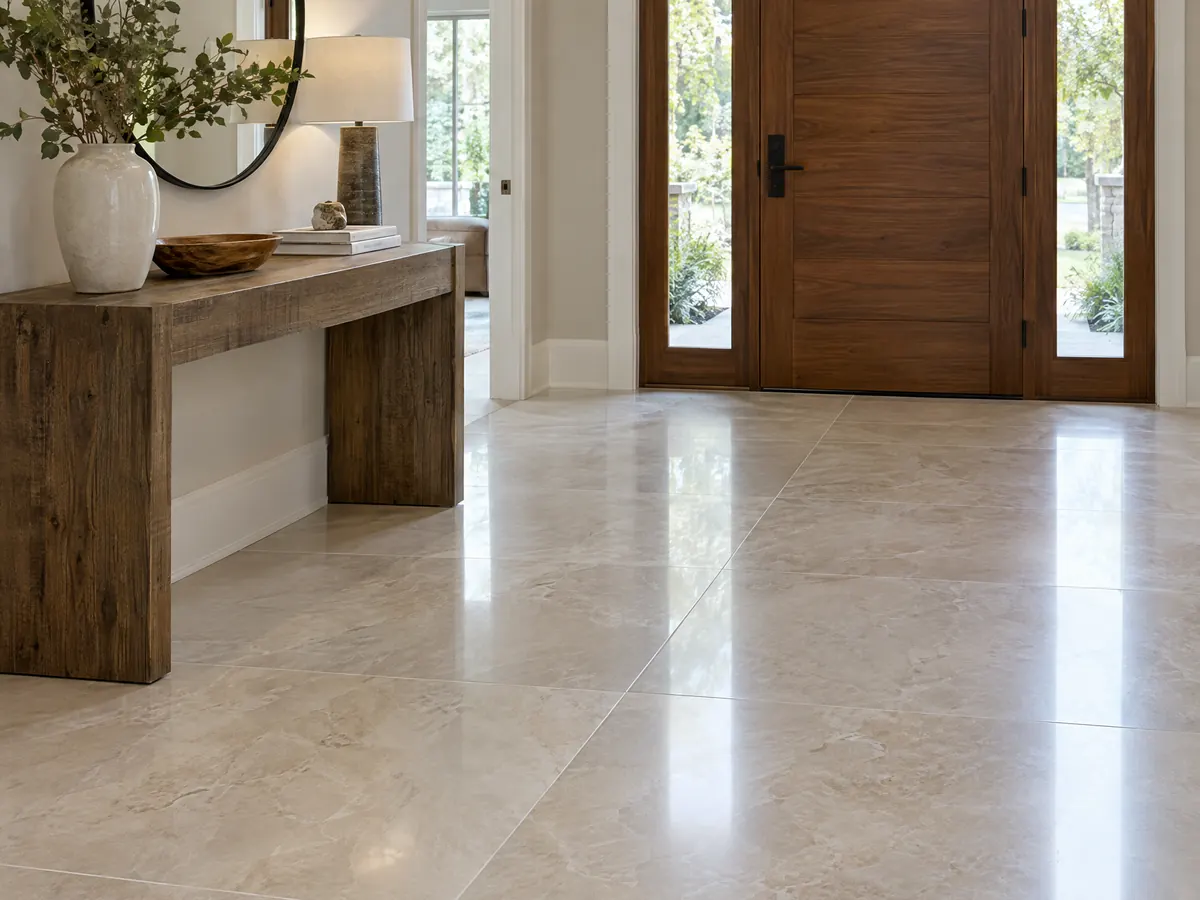
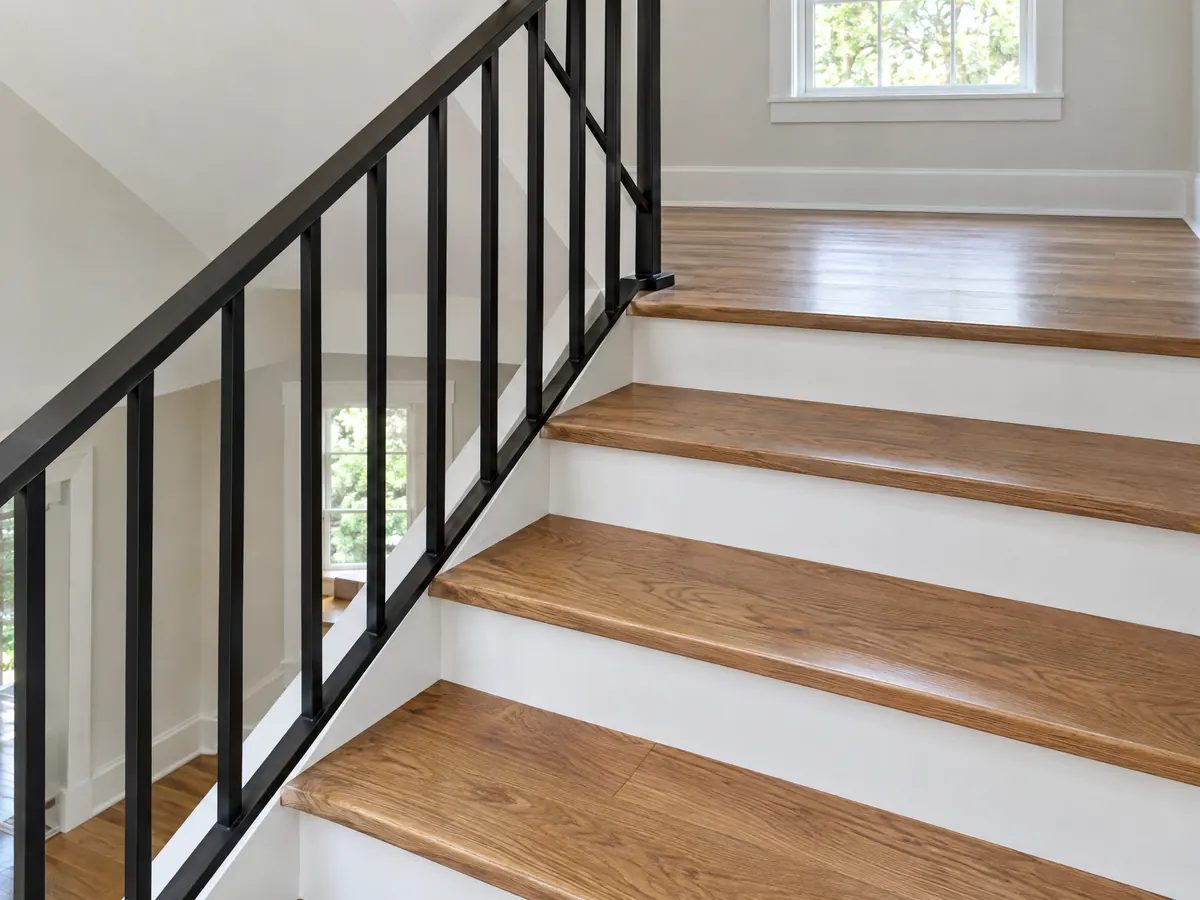
Plank samples, moisture tests, tile and finished rooms from San Bernardino and the neighborhoods around it, shown at the steps where the decisions get made. Tap any photo to enlarge it.
What flooring costs around San Bernardino
Dollar figures on this page are Los Angeles planning ranges from our flooring page, not a San Bernardino bid, so ask for demolition, lab tests, moisture checks and subfloor repair as separate proposal lines. For nearby valleys, read flooring in Riverside, flooring in Corona and flooring in Pomona, with flooring in Los Angeles as the big-city benchmark. Our flooring cost guide weighs refinishing against replacement, and the subcontractor guide explains which trade lays each layer.
| What it covers | Typical range |
|---|---|
| Installation labor only | $3 to $9 per sq ft |
| Solid hardwood, installed | $12 to $22 per sq ft |
| Engineered hardwood, installed | $10 to $18 per sq ft |
| Refinishing existing hardwood | $4 to $8 per sq ft |
| Laminate, whole project | $2,000 to $5,500 |
| Hardwood, whole project | $3,153 to $8,496 |
| Removing the old floor | $455 to $685 per 200 sq ft |
| Tile | No sourced Los Angeles range |
Other work we manage in San Bernardino
San Bernardino flooring questions, answered
Do I need a permit to replace flooring in San Bernardino?
No, not for the floor covering itself, because the City lists tiling, carpeting and similar finish work as exempt from a building permit. Structural, plumbing, electrical and heating work done alongside it still needs one, so a repaired joist, a moved drain or radiant heat is its own question. Call the Building & Safety counter on North E Street with the full scope.
How much does it cost to have flooring professionally installed?
Labor runs $3 to $9 per square foot on Angi's Los Angeles flooring page of July 8, 2026, with engineered hardwood at $10 to $18 installed and solid hardwood at $12 to $22. We found no San Bernardino study that states its method, so treat these as medium to low confidence and expect demolition, leveling and stairs to appear as separate lines.
How much does it cost to install 1000 sq. ft of hardwood flooring?
At Angi's Los Angeles rates, 1,000 square feet of solid hardwood costs $12,000 to $22,000 installed and engineered hardwood costs $10,000 to $18,000. Those are Los Angeles ranges, not a San Bernardino bid, and stairs, removal of the old floor and subfloor repair all change the total.
Can you put flooring over a concrete slab?
Yes, once the slab has been tested and prepared. The flooring maker's moisture limit decides what counts as dry, and the installer reads it with in-slab humidity probes or a calcium chloride kit before patching and leveling. With 62.6 percent of San Bernardino homes built before 1980, old adhesive on the slab may also need a lab test.
Is there asbestos in old floor tile in San Bernardino homes built before 1980?
Possibly, and nobody can tell by looking. Old resilient tile, sheet vinyl and the black adhesive under them are the usual suspects, and the Census Bureau counts 42,931 San Bernardino homes built before 1980. Send a sample to a lab before sanding or scraping, and have the proposal say who removes and pays for any layer that tests positive.
Why does moisture come through a concrete floor?
Water vapor rises from the soil under the slab, and groundwater, irrigation and roof runoff keep that soil damp. Part of San Bernardino sits over the Bunker Hill Groundwater Basin, and the nearest NOAA station at Redlands records about 13 inches of rain a year, so a dry summer proves nothing. A slab test gives the real reading.
Can I refinish hardwood floors instead of replacing them?
Often, when the wear layer can take another sanding, which a vent opening or a cut threshold will show. Refinishing costs $4 to $8 per square foot on Angi's Los Angeles pages, against $12 to $22 for new solid hardwood installed. San Bernardino has no adopted historic overlay, but ask Planning first if the house is on the 1991 survey.
What license does a flooring contractor need in San Bernardino?
A flooring contractor needs a current California license, usually C-15 for carpet, resilient flooring and wood or C-54 for ceramic and stone tile, plus a City of San Bernardino business license to pull permits. Check the number on the CSLB site and ask each subcontractor for a license and certificate of insurance.
Will the San Andreas or San Jacinto fault crack a new tile floor?
We found no source tying either fault to flooring damage, so plan for movement instead of predicting it. The 2024 hazard plan names both faults as active inside the city, and the State maps decide whether a given lot sits in an Alquist-Priolo zone. Ask the tile setter about crack-isolation membranes and grout joints.
How long does a San Bernardino permit stay valid if a flooring job stalls?
Not long without progress. Municipal Code 15.04.050, read in a third-party copy of the code, treats 180 days without an inspection and visible progress as evidence that the work is abandoned and the permit has expired. If a slab test or a material delay holds up the job, book an inspection inside that window and confirm the rule with the City.
Tell us the year the house was built, the rooms and what is under the floor now
Mention whether it is a tract home, an older house, a rental or a mobile home, which rooms you want done and what covers the floor today. The asbestos test, the slab reading and any permit question ride along to our first visit.