
Flooring Installationin Corona, CA
Flooring installation in Corona usually needs no building permit for the covering itself, because the City's exempt list names carpeting, tiling and similar finish work. Moved plumbing, repaired framing or a coated slab deserves a call to the Building Division first. About 52 percent of Corona homes date from 1980 to 1999, so test slabs before gluing anything down.
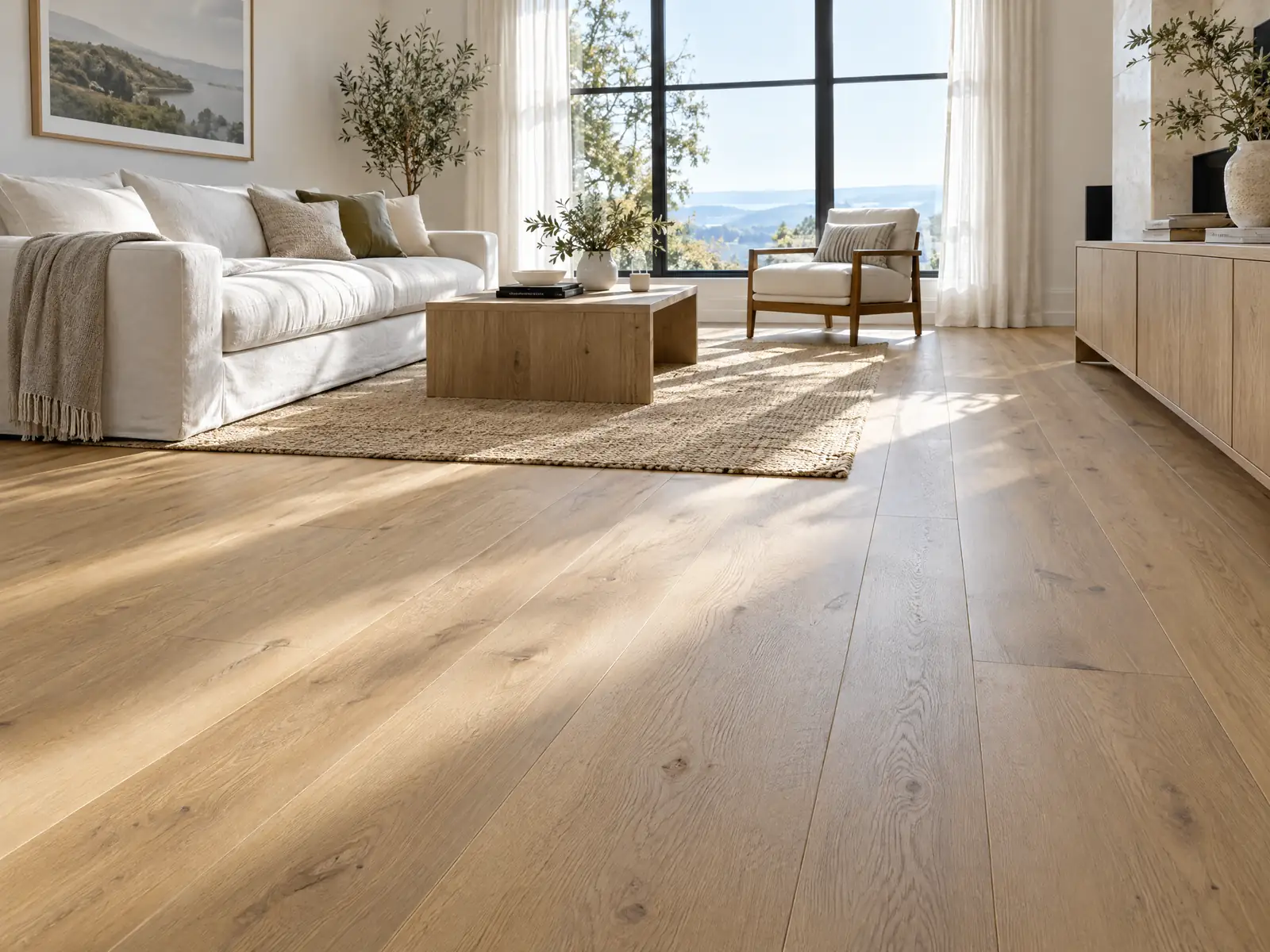
Corona's floors split into two eras. The town was laid out in 1886 around Grand Boulevard, a circular road about 3 miles around, and incorporated under the name Corona on July 13, 1896. The City Library's history shows the population rising from 76,095 in 1990 to 104,339 in 1997. The Census Bureau's 2024 estimates count 52,505 homes, with 27,400 built from 1980 through 1999, 12,695 built before 1980 and 1,118 dating to 1939 or earlier, so most floors here are between roughly 27 and 46 years old.
MDG Builders (CSLB #1040337) is a general contractor working out of Tarzana. On a Corona floor we write the scope, take the permit questions to Corona's Building Division and run the schedule, and licensed flooring and tile subcontractors lay the material. The flooring page covers products, and the Corona overview lists the other trades we manage in the city.
What Corona's Building Division, its fire and air authorities and state law say about flooring work
Where flooring permits come from in Corona: City of Corona Building Division (Planning and Development Department).
- Corona's exempt-work list names painting, papering, tiling, carpeting, cabinets, countertops and similar finish work; it does not name concrete floor coatings, grinding or slab repair, so the Building Division should confirm those in writing if the work touches structure, drainage, or plumbing or electrical rough-in.
- For floor coatings and sealers the SCAQMD Rule 1113 Table of Standards page lists 50 g/L for floor coatings (category 14), 100 g/L for waterproofing concrete/masonry sealers and 100 g/L for tile and stone sealers; the table page is headed 'as of February 5, 2016', so current limits should be confirmed on the District's rule text before specifying a product.
- Corona's smoke and carbon monoxide alarm rule applies when a permitted alteration, addition or repair removes finishes, which matters for a floor renovation that opens walls or ceilings; the FAQ also notes that if a project needs a Certificate of Occupancy the building cannot be occupied until the CofO or a Temporary CofO is issued.
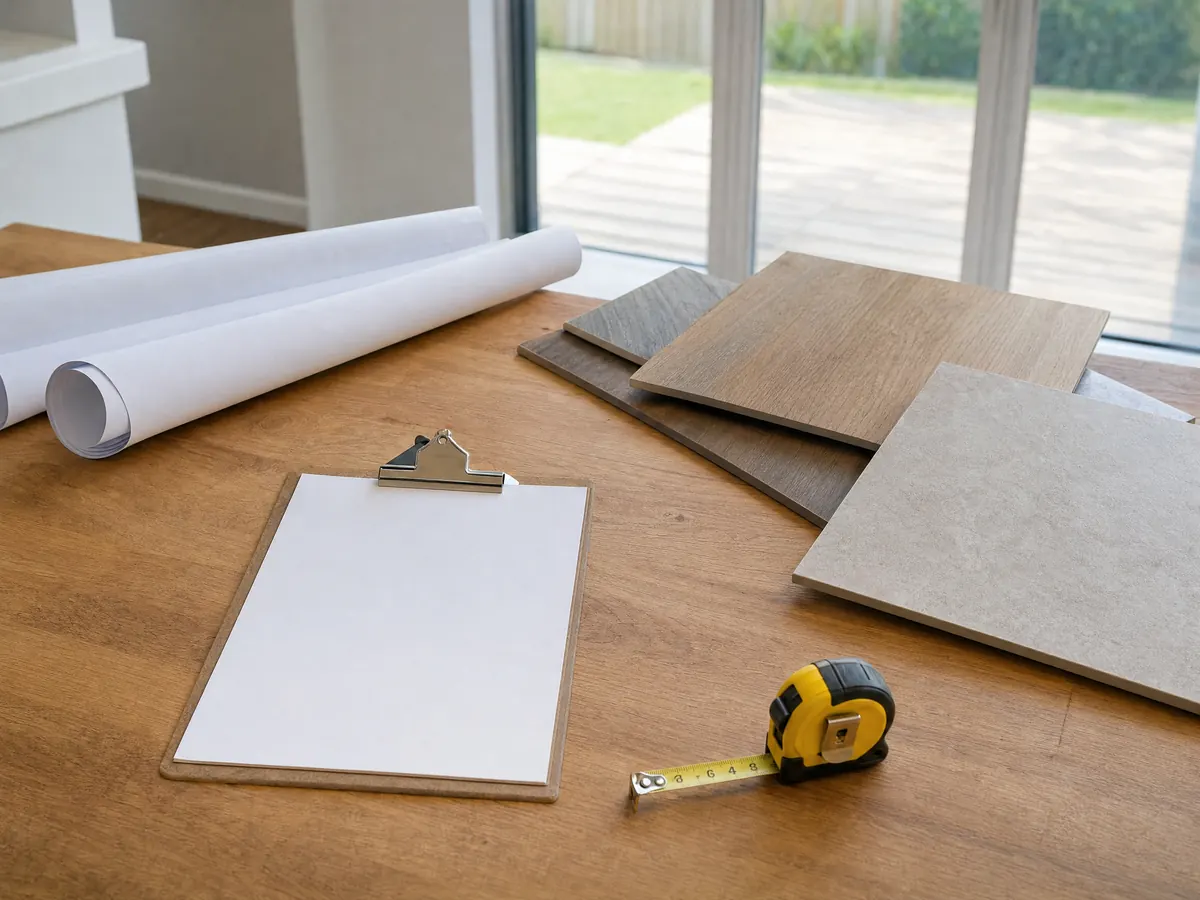
What is under the floor of a Corona house built in the 1980s or 1990s?
Whatever the builder put down, often with a second layer on top. The ACS 2024 figures count 13,749 Corona homes from the 1980s and 13,651 from the 1990s, against 8,777 from the 2000s, so builder-grade carpet, sheet vinyl and tile are now decades old and many have been covered at least once. The sources we read do not say how many of those houses stand on slabs and how many on raised floors, so the first visit should lift a closet corner or a heat register cover and look.
Older houses stack more history. About 24 percent of Corona's homes (12,695) predate 1980 and about 15 percent (7,877) predate 1970, which is where board, linoleum, tile and carpet can all be present in one room. We did not read a Corona rule or an EPA page on lead or asbestos testing, so we ask a lab to test a sample of old resilient tile, sheet vinyl and black adhesive before anything is sanded, and the proposal should say who removes a layer that tests positive and who pays for it.
- How old is the house, and has the floor been covered before?
- Is it a slab or a raised wood floor?
- Where does the plumbing run under or beside the room?
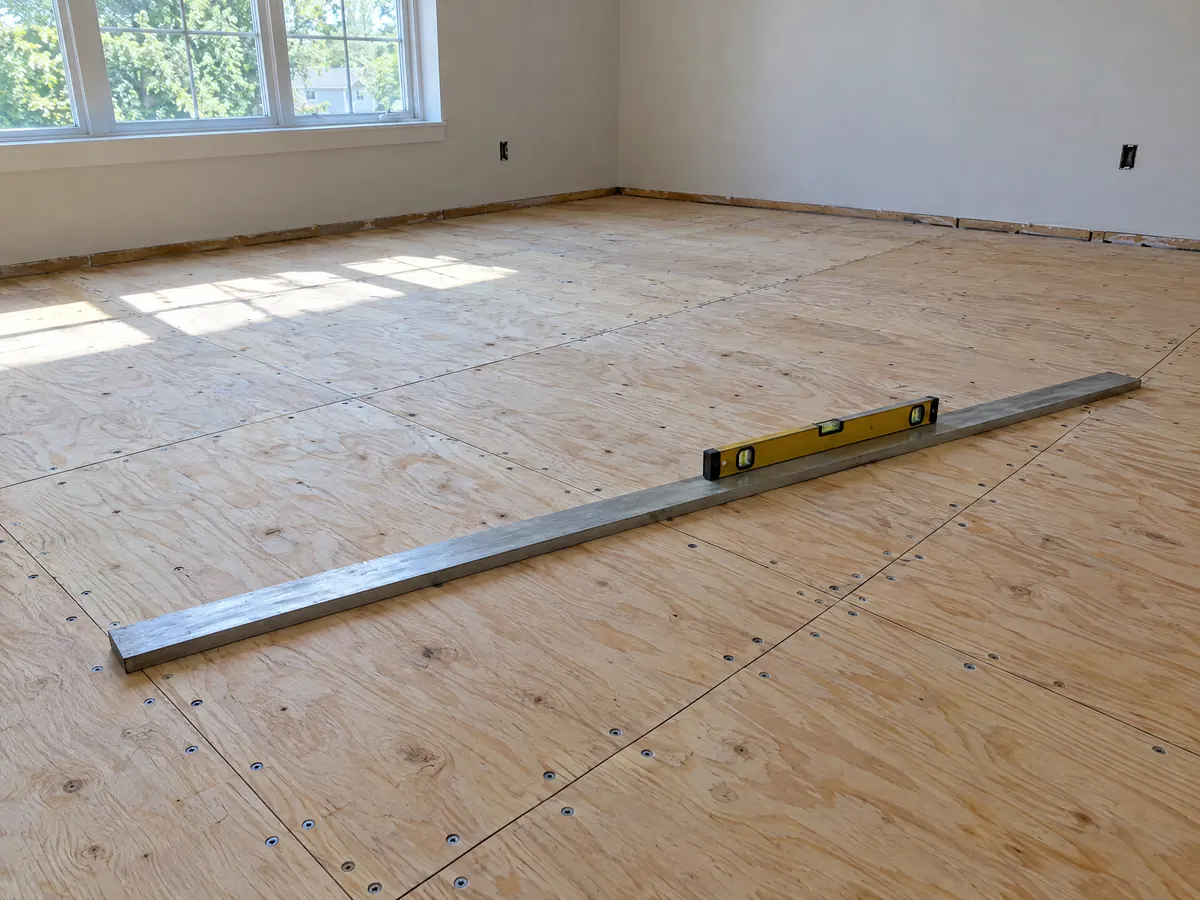
Do you need a permit to replace flooring in Corona?
Usually not for the covering itself. Corona's exempt-work list, Section 105.2 as amended, names painting, papering, tiling, carpeting, cabinets, countertops and similar finish work, and it says the exemption never excuses a violation of another code. That text was read on the gocodebook.com mirror of the Municipal Code, not on the City's own site, so confirm it with the Building Division at 951-736-2250 before relying on it.
Hardwood, engineered planks and vinyl are not named on the list, so we treat them as similar finish work only once the counter agrees. Anything beyond the covering changes the answer: replacing or rearranging concealed drain, water or vent pipe is new work that needs a permit and an inspection, and a water repipe is on the over-the-counter list. When a permit is needed, the City's Table B sets a minimum building fee of $164 as of October 4, 2026.
Applications and inspection requests run through the City's eTRAKiT portal, and City Hall is open Monday to Thursday 7 AM to 6 PM and closed Friday. California's $1,000 threshold for work without a license does not apply to a job that needs a permit, under Business and Professions Code 7048.
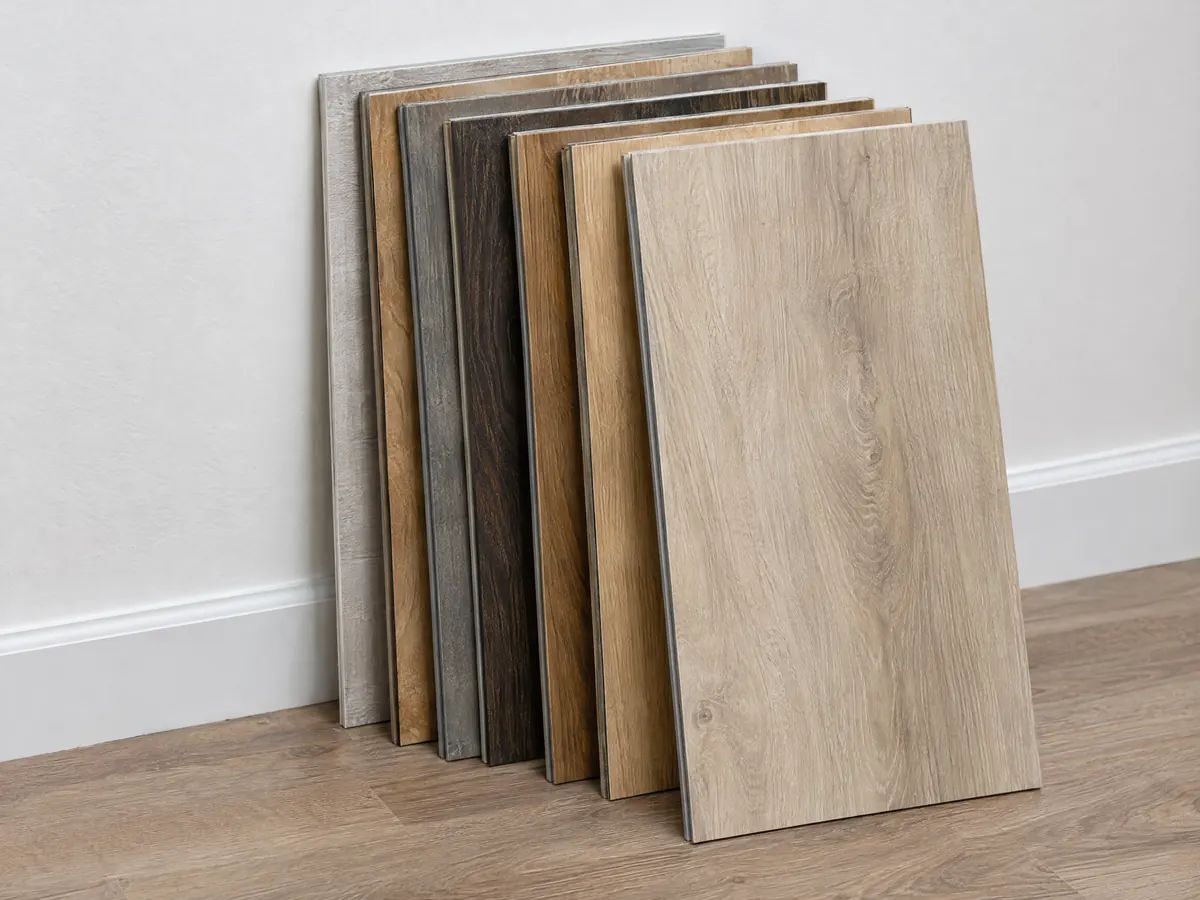
Does moisture come up through a Corona slab, and does the heat change how you install?
It can, and a dry summer does not rule it out. Corona has no NOAA normals file of its own, so the nearest are Chino Airport, about 8.8 miles northwest, at 9.98 inches of rain a year with 7.97 of it from December through March, and Riverside Municipal Airport, about 9.6 miles northeast, at 9.37 and 7.42. July and August are close to zero at both, yet winter storms and irrigation leave the soil under a slab damp long after the rain stops.
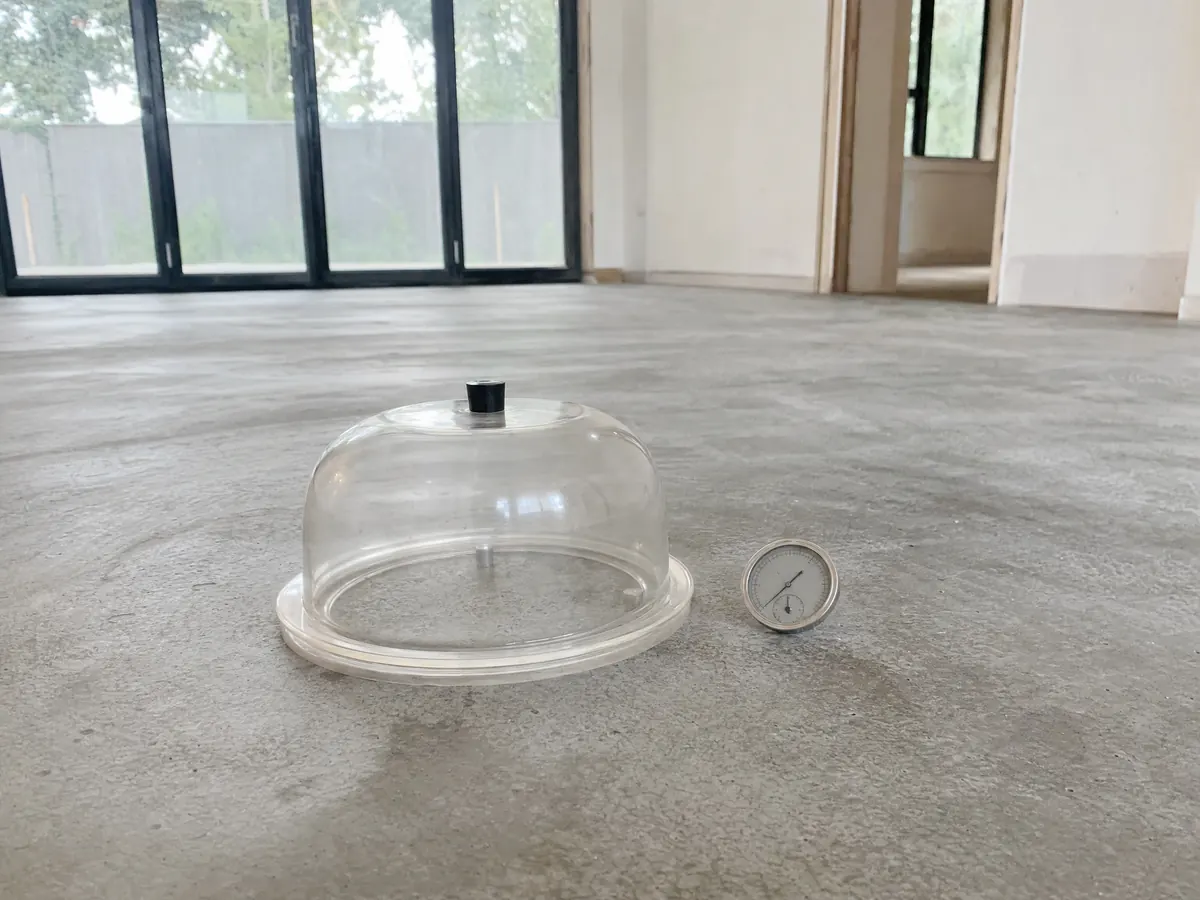
Two standard tests give numbers. ASTM F2170 sets humidity probes in drilled holes and ASTM F1869 weighs vapor caught under a calcium chloride dish. Neither has a pass mark, because the maker of the plank, vinyl or adhesive sets the limit. The NWFA's concrete subfloor guide strongly recommends a vapor retarder at or below 0.13 perms, such as 6-mil polyethylene, under wood on a slab.
Heat is the other variable. Chino Airport averages 99.0 days a year at or above 90 F and 23.3 at or above 100 F, and Riverside 100.5 and 21.7, so a south-facing slider can bake a floor beside it. We found no Corona source on heat and particular products, so the manufacturer's installation sheet decides.
What happens if the crew finds termite damage, rot or a failing subfloor in Corona?
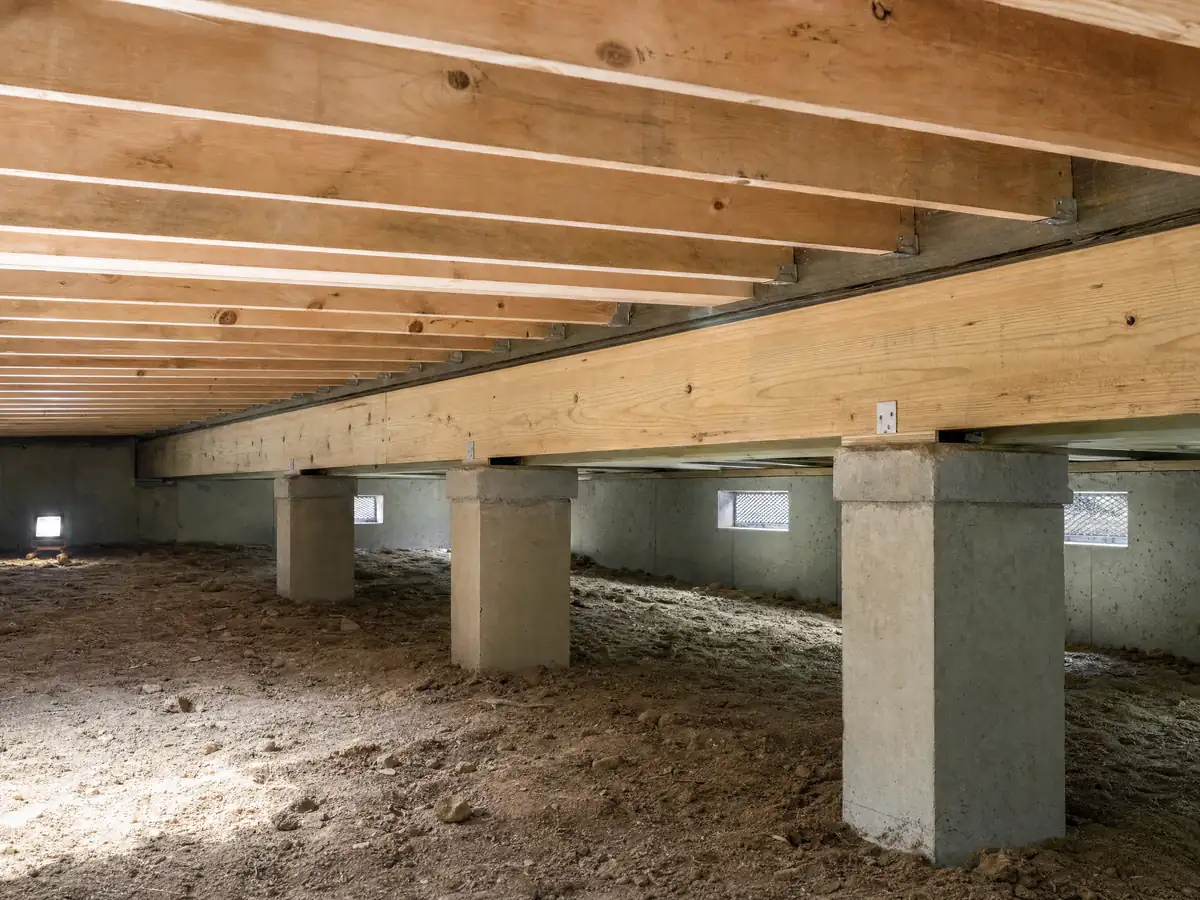
The job stops being finish work. Corona's amended Residential Code table, as the mirror shows it, rates termite damage as very heavy, so sill plates, raised floor framing and the subfloor under a bathroom deserve a probe before new boards go down. Ask for a termite and moisture report when the old floor comes up, and ask the proposal to name who repairs and who pays when something turns up.
Structural repair is a permit question, because the exempt list covers finish work and says nothing about joists or girders. The City lists seismic design category D or E for plan check, so rebuilt framing is judged as structure, not trim, and describing the repair to the Building Division before the covering comes up saves a stop-work surprise.
A larger job can bring the alarm rule with it. Corona's plan check FAQ says smoke and carbon monoxide alarms must be shown on the plans for a permitted alteration or repair, and hardwired and interconnected where the work removes wall or ceiling finishes or where attic access exists. If a project needs a Certificate of Occupancy, the building cannot be occupied until the CofO or a Temporary CofO is issued.
Can you refinish old hardwood in a Circle-area or other historic Corona house?
Probably, but ask Planning first. Municipal Code Chapter 17.63 creates the Corona Register of Historic Resources and requires plan review before a listed landmark, structure of merit or district property is altered, with major alterations going to the Historic Preservation Board and minor ones to the Planning Director. The code's definition of alteration, as the mirror shows it, names exterior paint color and surface texture, and we found no sentence about refinishing interior boards.
The Circle itself, the Grand Boulevard Historic District, is on the National Register of Historic Places, listed July 14, 2011 according to Wikipedia. Its nomination counts 158 contributing and 89 noncontributing resources and a period of significance of 1886 to 1928, and the contributing features sit inside the street right of way: roadway, curbs, parkways, trees, streetlights and sidewalks. We could not confirm which houses or neighborhoods are on the Corona Register, so check a specific address with the Planning Division at 951-736-2262.
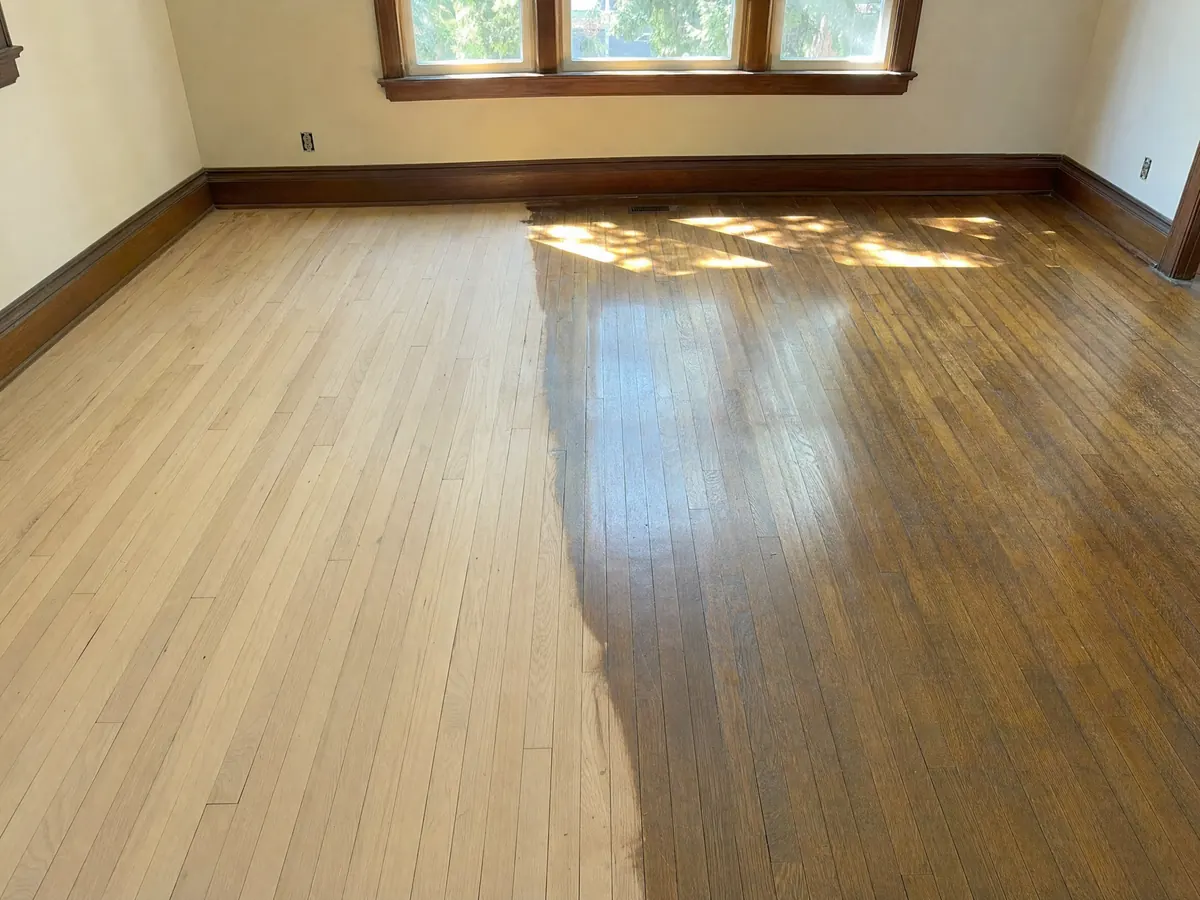
Check the wear layer before choosing. About 1,118 Corona homes date to 1939 or earlier and 656 to the 1940s, so original boards under later layers are uncommon but real, and a floor register or a cut edge shows how much sanding they can take.
- Is the house listed on the Corona Register or inside a district?
- How thick is the wear layer on the existing boards?
Can you install hard flooring in a Corona condo, apartment or rental?
Only when the building's rules and the flooring maker's sheet agree. ACS 2024 counts 19,546 renter households, 37.9 percent of Corona's 51,567 occupied homes, and 11,170 homes (21.3 percent) in buildings of five or more units, with 2,814 more in buildings of two to four. Many floors have a neighbor below, and we have not read any City sound standard for replacement flooring, so the association's documents and a written approval come first.
Civil Code section 4765 gives an owner a written decision on an architectural request, and a tenant needs the owner's written consent before anything is removed. Corona also has 1,768 mobile homes (3.4 percent of units) and an MP mobile home park zone, so work inside a park follows state and park rules as well as the City's.
Hours matter in a shared building. The City's noise sheet, citing Municipal Code 17.84.040(D)(2) and 15.02.120, prohibits construction noise from 8:00 p.m. to 7:00 a.m. Monday through Saturday and from 6:00 p.m. to 10:00 a.m. on Sundays and Federal holidays, and it counts delivery vehicles and equipment warm-up as construction noise.
What does a flooring contractor charge in Corona, and who needs which license?
We found no Corona price study that shows its method, so the anchor is Angi's pages for Los Angeles, updated July 8, 2026, which we rate medium to low in confidence and which may differ from Riverside County bids. They list installer labor at $3 to $9 a square foot, engineered hardwood at $10 to $18 installed, solid hardwood at $12 to $22 and refinishing at $4 to $8. Angi's laminate page, dated September 15, 2026, puts hauling out an old floor at $455 to $685 per 200 square feet.
Ask the proposal to list demolition, moisture testing, leveling, stairs and transitions as separate lines. Business and Professions Code 7159.5 limits a home improvement down payment to $1,000 or 10 percent of the contract price, whichever is less.
CSLB's C-15 class covers preparing a surface for carpet, resilient sheet goods and wood floors, and tile goes to C-54. Corona's Development Services page lists a state contractor's license, a City business license and a certificate of insurance among what a permit applicant needs, and our license check guide shows how to read a CSLB record.
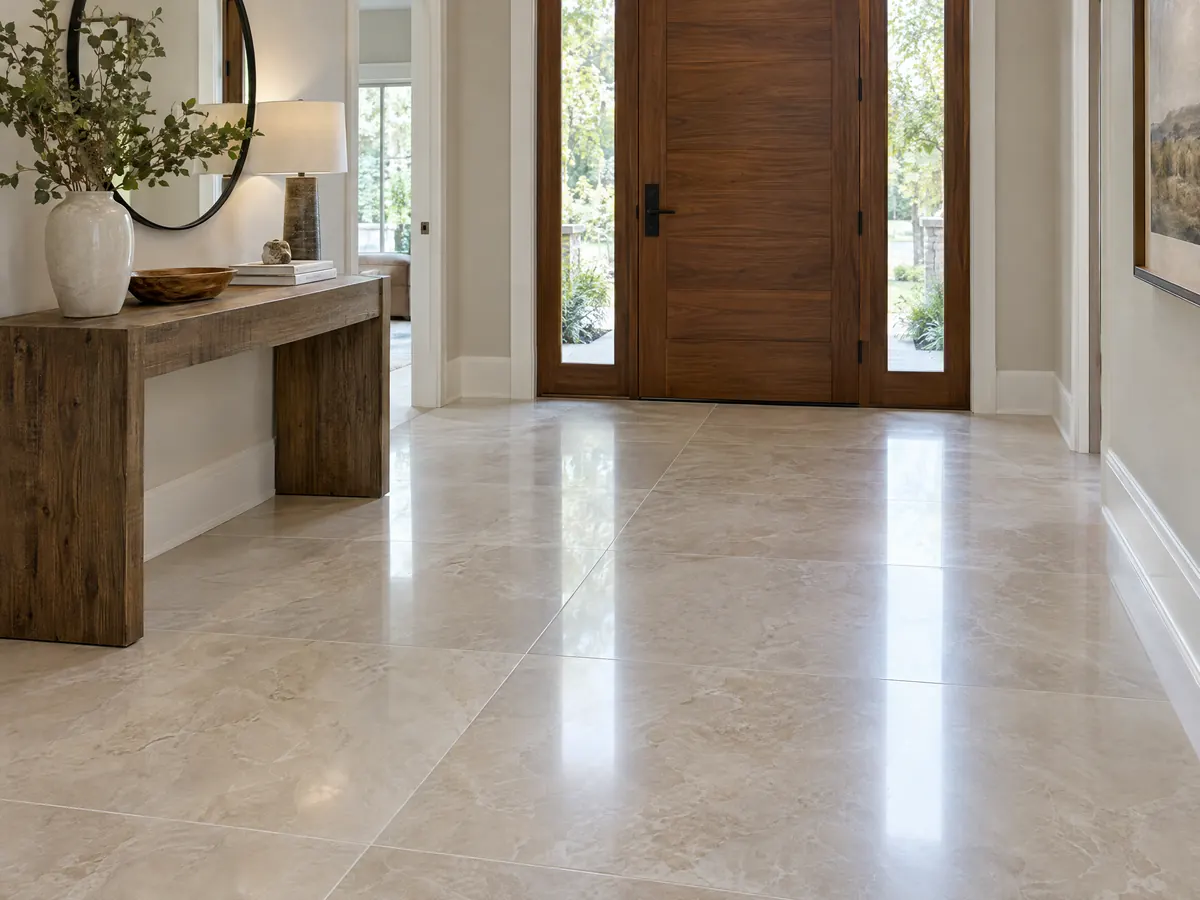
Flooring photos from Corona and nearby communities
Plank samples, slab moisture tests, tile and finished rooms from Corona and the neighborhoods around it, shown at the steps where the decisions get made. Tap any photo to enlarge it.
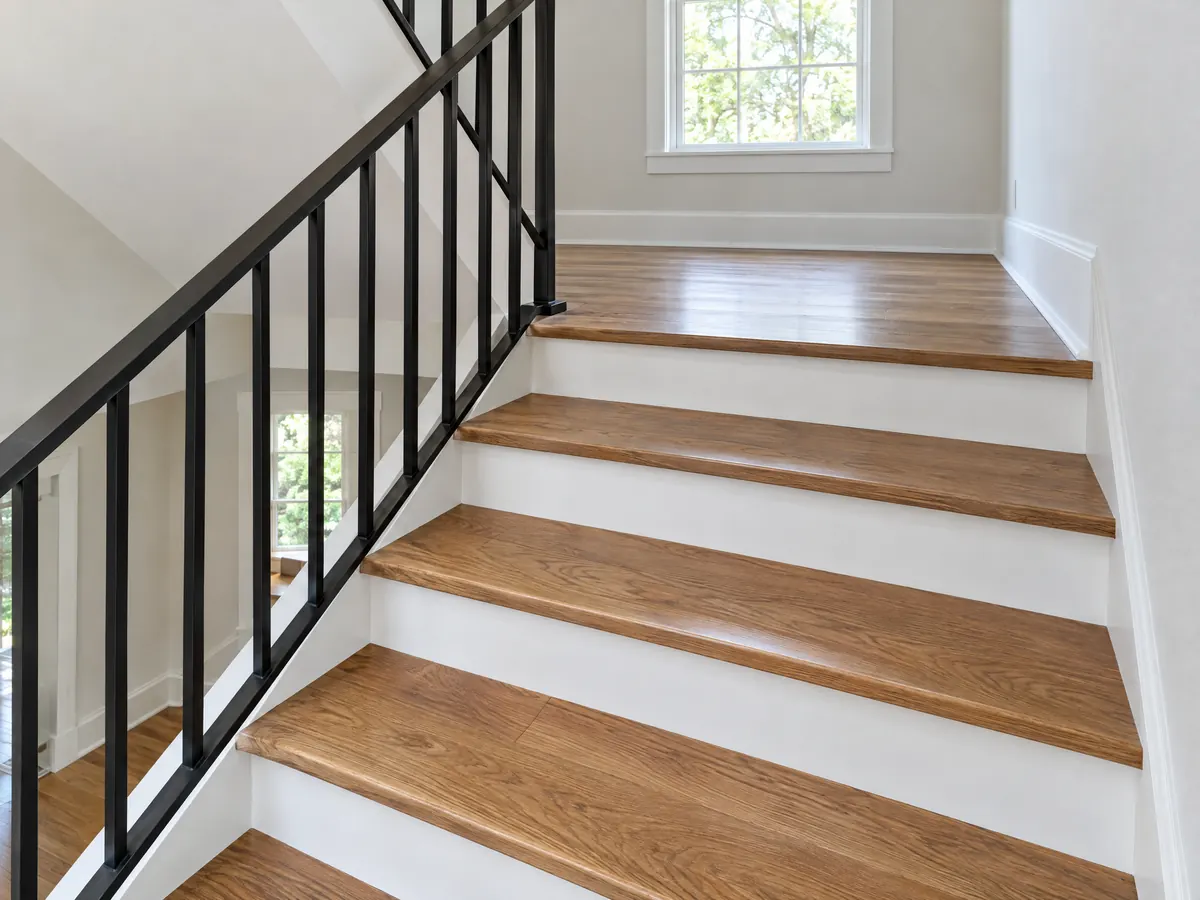
What flooring costs around Corona
Dollar figures here are Los Angeles planning ranges from our flooring page, not a Corona bid, and the written proposal should price demolition, drying, testing and subfloor repair on their own lines. The same property may need concrete work in Corona or decks in Corona. For comparison, read flooring in Yorba Linda, flooring in Pomona and flooring in Diamond Bar, and flooring in Los Angeles for the big-city benchmark. The flooring cost guide puts refinishing next to replacement for Southern California, and the subcontractor guide explains which trade lays which layer.
| What it covers | Typical range |
|---|---|
| Installation labor only | $3 to $9 per sq ft |
| Solid hardwood, installed | $12 to $22 per sq ft |
| Engineered hardwood, installed | $10 to $18 per sq ft |
| Refinishing existing hardwood | $4 to $8 per sq ft |
| Laminate, whole project | $2,000 to $5,500 |
| Hardwood, whole project | $3,153 to $8,496 |
| Removing the old floor | $455 to $685 per 200 sq ft |
| Tile | No sourced Los Angeles range |
Corona flooring questions, answered
Do I need a permit to replace flooring in Corona?
Usually not, because Corona's exempt-work list names carpeting, tiling and similar finish work. Moving plumbing, repairing framing or coating a slab can still need review, and our text came from a third-party code mirror, so call the Building Division at 951-736-2250 with the scope. A permitted job needs a licensed contractor even under $1,000.
How much does it cost to have flooring professionally installed?
Labor on Angi's Los Angeles pages (July 2026) is $3 to $9 per square foot, with engineered hardwood at $10 to $18 installed and solid hardwood at $12 to $22. We found no Corona study with a stated method, so treat these as medium to low confidence. Demolition, leveling and stairs come as extra lines.
How much to refloor a 2000 sq. ft house?
On the Los Angeles ranges, labor alone runs $6,000 to $18,000 across 2,000 square feet, engineered hardwood installed runs $20,000 to $36,000 and solid hardwood installed $24,000 to $44,000. Those are not Corona bids. Stairs, furniture moving and subfloor repair change the total, so ask for each as its own line.
Can you put flooring over concrete?
Yes, once the slab has been read and prepared. The flooring or adhesive maker sets the moisture limit, so the installer should set ASTM F2170 probes or an F1869 calcium chloride dish before patching and leveling. About 24 percent of Corona homes predate 1980, so old adhesive on a slab may call for a lab check first.
Why does moisture come through a concrete floor?
Water vapor rises from damp soil under the slab. Nearby NOAA stations show 9.37 to 9.98 inches of rain a year, with 7.42 to 7.97 inches from December through March, and irrigation adds more, so a dry August says little. The only dependable answer is a slab reading, taken before any plank, vinyl or adhesive is chosen.
Can I install hardwood flooring in a Corona condo or apartment?
Only with the association's or owner's written approval, and the building's sound rule is the one that counts. About 21.3 percent of Corona homes sit in buildings of five or more units. We have not read a City sound standard for replacement floors, so ask management for the underlayment specification and keep the approval on file.
Can I refinish hardwood floors instead of replacing them in an older Corona home?
Often, if the boards have enough wear layer left for one more sanding; a floor register or a cut edge shows how much. Angi's Los Angeles pages put refinishing at $4 to $8 a square foot against $12 to $22 for new solid hardwood. In a listed historic house, ask the Planning Division at 951-736-2262 first.
What license does a flooring contractor need in Corona?
A current California contractor license is required, typically C-15 for carpet, resilient floors and wood, or C-54 when the work is ceramic or stone tile. Check the number on the CSLB site and ask each subcontractor for a license number and certificate of insurance. A City business license is also on Corona's permit prerequisites.
Do garage and concrete floor coatings in Corona have to meet South Coast AQMD limits?
Yes, Corona sits inside the South Coast Air Quality Management District, whose Rule 1113 table lists 50 grams per liter for floor coatings. That table page is headed February 5, 2016, and we did not open the current rule, so ask the installer for the product's VOC number and its South Coast compliance before it is applied.
Tell us the home type, the rooms and what is under the floor now
Mention whether it is a house, condo, rental or older home near the Circle, which rooms you want done and what covers the floor today. Slab tests, old adhesive and association approval come up at the first visit.