
Kitchen Remodelingin Chino Hills, CA
A Chino Hills kitchen remodel needs a permit once plumbing, gas, wiring or walls change, while swapping cabinets and counter tops alone is exempt. The City takes applications and inspection requests on its Virtual Development Services portal, wants isometric plumbing drawings and a panel load sheet, and sends septic changes to County Environmental Health first.
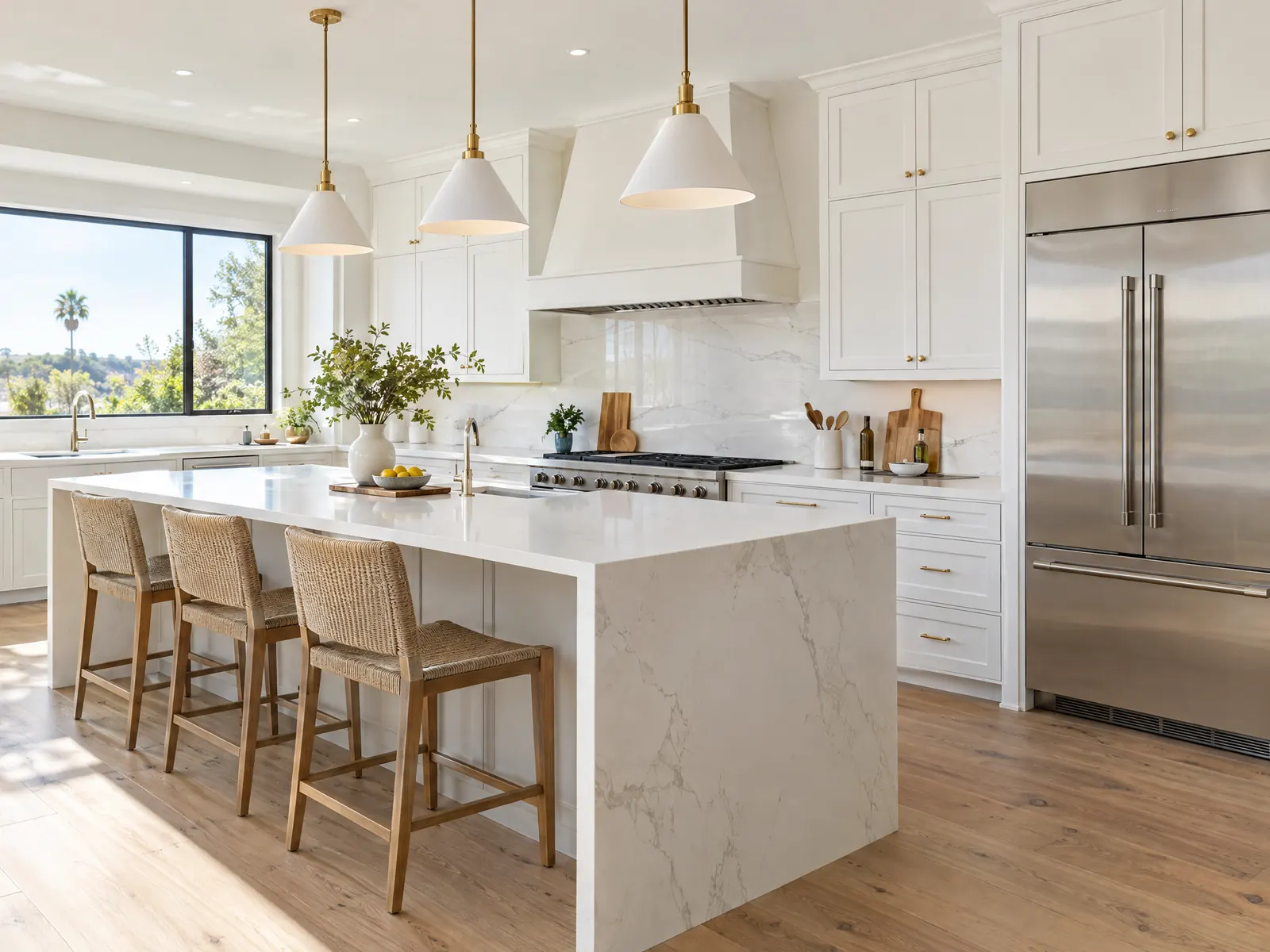
Chino Hills grew its kitchens in two bursts. The County's Specific Plan, started in 1979 and approved by 1982, opened the hills to planned communities, and the Housing Element counts about 4,200 units in 1980, 16,300 in 1990 and 20,389 in 2000. ACS 2024 one-year estimates count 24,121 units today, 53.5 percent of them built from 1980 through 1999, so the typical kitchen is 25 to 45 years old, in a house with a median owner-occupied value of $890,200 (margin of error plus or minus $35,405). The City incorporated on December 1, 1991.
For a kitchen, MDG Builders (CSLB #1040337) acts as the design-build manager: we draw the layout, assemble the plan set, file the permit and sequence the trades, while licensed subcontractors in plumbing, electrical, cabinetry, tile and finish work do the field work. The kitchen remodeling page has sourced prices, the Chino Hills overview lists every trade here, and the neighboring guides for Brea, Pomona and Corona show different review routes. The City's Building and Safety Division issues permits. Municode refused our researcher's request, so code text comes from the third-party GoCodebook mirror; confirm cited sections with the City.
What Chino Hills' permit list, plan checklist and septic rules say about kitchens
Where kitchen remodeling permits come from in Chino Hills: City of Chino Hills Building and Safety Division (Community Development Department).
- Interior remodels, water heater replacement and plumbing changes are permit items in Chino Hills, while cabinets, counter tops and similar finish work alone are exempt (permit page and exempt-work handout); remodel plans need plumbing plans with isometric drawings for waste, vent, water and gas, mechanical plans showing register and equipment sizes, and electrical plans with panel, circuits and demand load (City addition and remodel checklist).
- Residential kitchen and bath permits are plan checked under the 2025 California Plumbing, Mechanical, Electrical and Energy Codes adopted by Ordinance 427, with local amendments to the permit-issuance and appeals sections.
- The addition and remodel checklist (revised 3/13/2019) asks for two wet-stamped and signed Title-24 calculations if required, three sets of plans at a standard scale, and a foundation plan that follows the City's requirements or comes with a soils report.
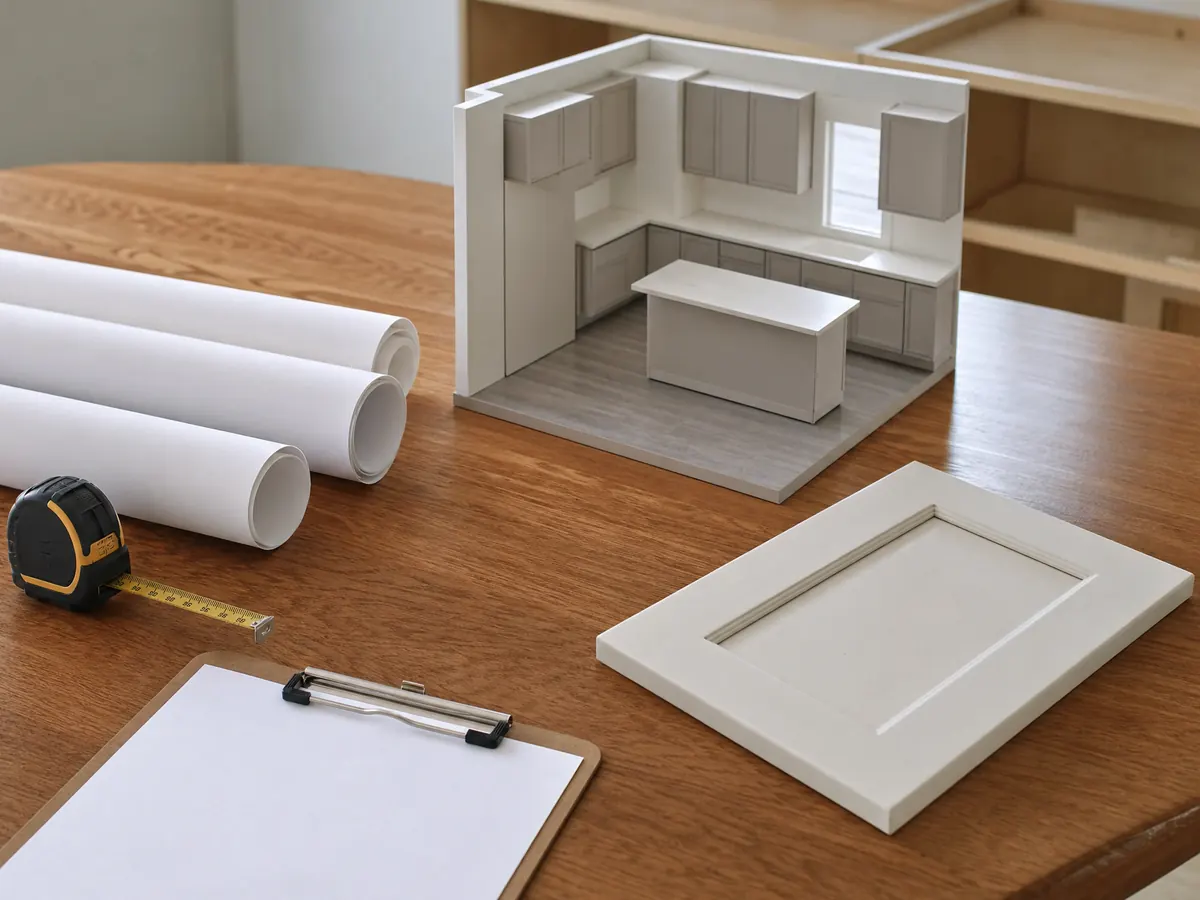
Do I need a permit to remodel my kitchen in Chino Hills, or only when plumbing and walls change?
The City draws the line at work behind the finish. Its 'When is a permit required?' page names interior remodels, water heater replacement and plumbing changes as permit items, while the exempt-work handout, revised August 5, 2026, lists cabinets, counter tops, painting and tiling as finish work that needs no building permit. New doors and a new countertop alone need none, but a new sink location, gas line, circuit or hood duct does. An exemption from the permit does not lift the Fire Code or the Wildland Urban Interface Code, and it never excuses work that breaks another law.
Two requirements surprise owners. The City asks for a signed Smoke Detector and Carbon Monoxide form before it issues a permit on residential projects valued at $1,000 or more, and it lists a 3.75 percent card convenience fee or a $1.95 e-check process fee as separate charges on portal payments. The permit page tells owners to call Building and Safety at 909-364-2780 when unsure, and that call is the right move when your scope sits near the line.
Ask Building and Safety to confirm by email which of your changes sit on the exempt list.
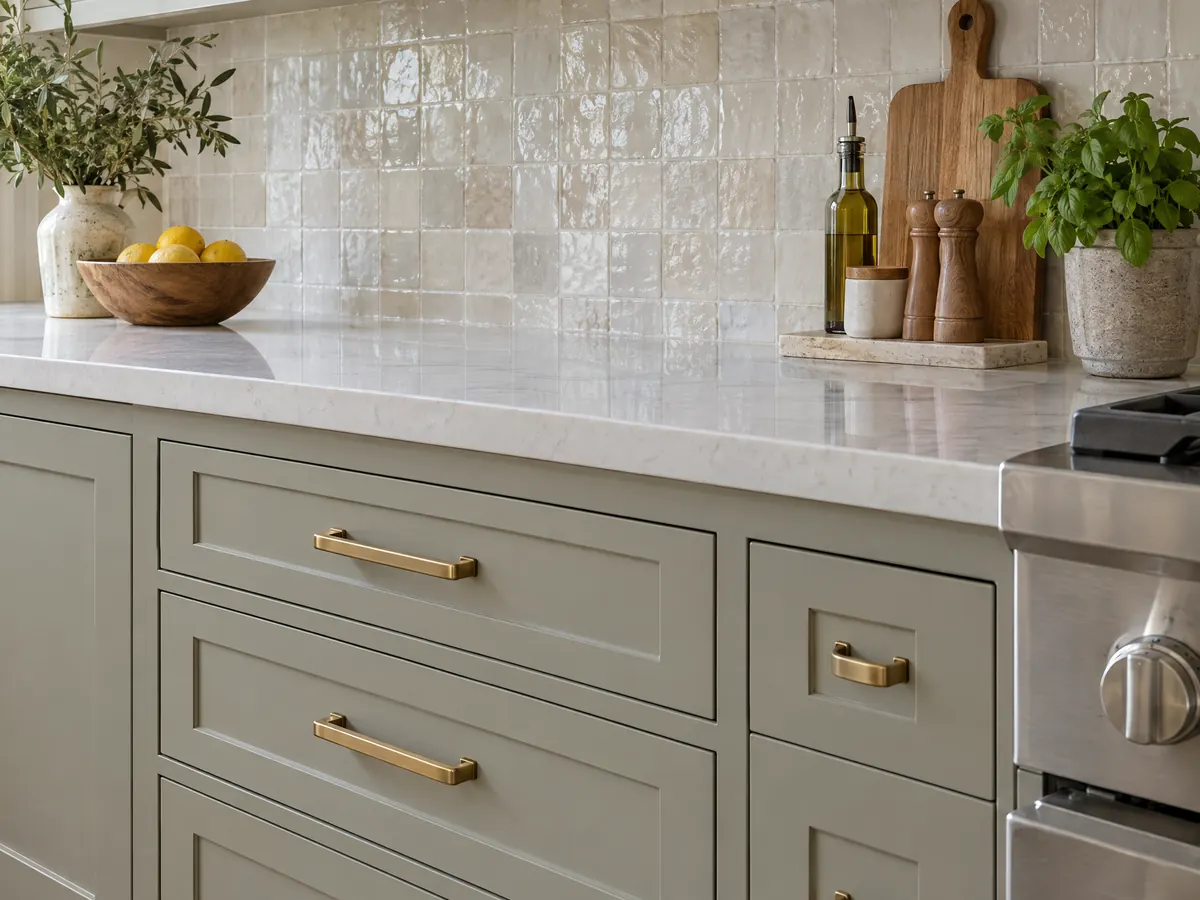
What do the plans for a Chino Hills kitchen remodel have to show?
The City's addition and remodel checklist, revised March 13, 2019, asks for three sets of plans at a standard scale, wet-stamped and signed where a licensed professional is required, and for two signed Title-24 calculations if required. Plumbing plans need isometric drawings for waste, vent, water and gas. Mechanical plans show register and equipment sizes. Electrical plans show the panel, the circuits and the demand load. That is more than a sketch of cabinet outlines, and it explains why a layout that moves the sink or range takes longer to prepare than a straight swap.
The 2025 California Plumbing, Mechanical, Electrical and Energy Codes apply, adopted by Ordinance 427 with local amendments only to the permit issuance and appeals sections. The California Energy Commission's 2025 summary for homes lists local mechanical exhaust for kitchens, field-verified airflow and sound for vented range hoods, and wall dimmers for kitchen lighting except lighting built into the hood. We did not confirm which of those apply to an alteration rather than new construction, so ask the plan checker. We also found no published plan review turnaround, so ask for one when you apply.
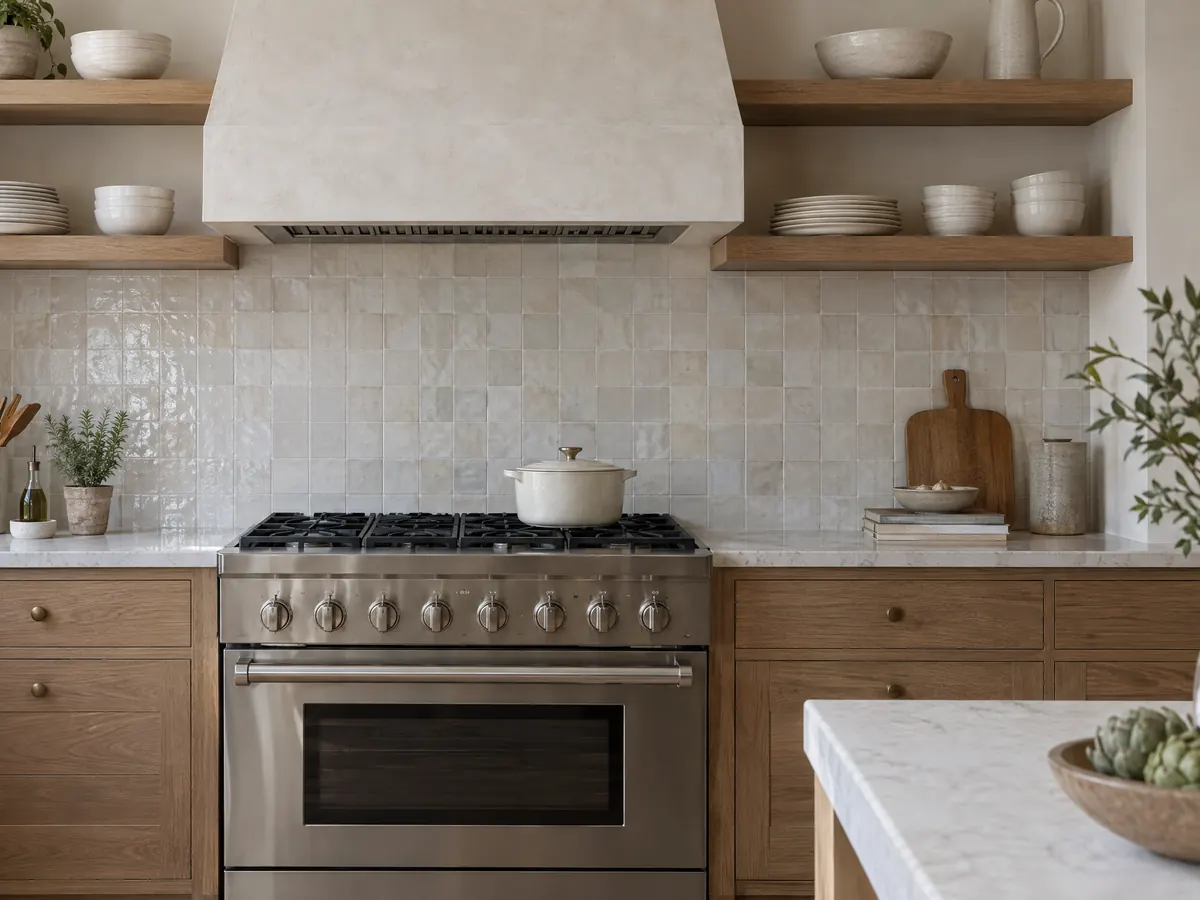
Does a Carbon Canyon or Los Serranos kitchen on a septic system get a different review?
It can. Any change to a septic system at a Chino Hills home must be approved by San Bernardino County Environmental Health, (909) 884-4056, before the City issues the permit, according to the City's checklist. The Housing Element says the hilly west side, including Tonner and Carbon Canyons, uses on-site septic systems. We found no rule saying a kitchen remodel counts as a septic change, so ask Building and Safety whether added fixtures do before the plans are drawn.
The oldest homes sit in the same places. The Housing Element says most homes older than 1970 are in Los Serranos and the Sleepy Hollow area of Carbon Canyon, and about 5 percent of Los Serranos homes predate 1945. Sleepy Hollow started in 1922 as a weekend cabin resort and had about 90 cabins by 1928. The Small Lot Overlay covers the Canon Lane area, parts of Los Serranos and Sleepy Hollow and asks applicants to show water service and either a City sewer letter or County septic approval, so ask whether that test reaches a remodel.
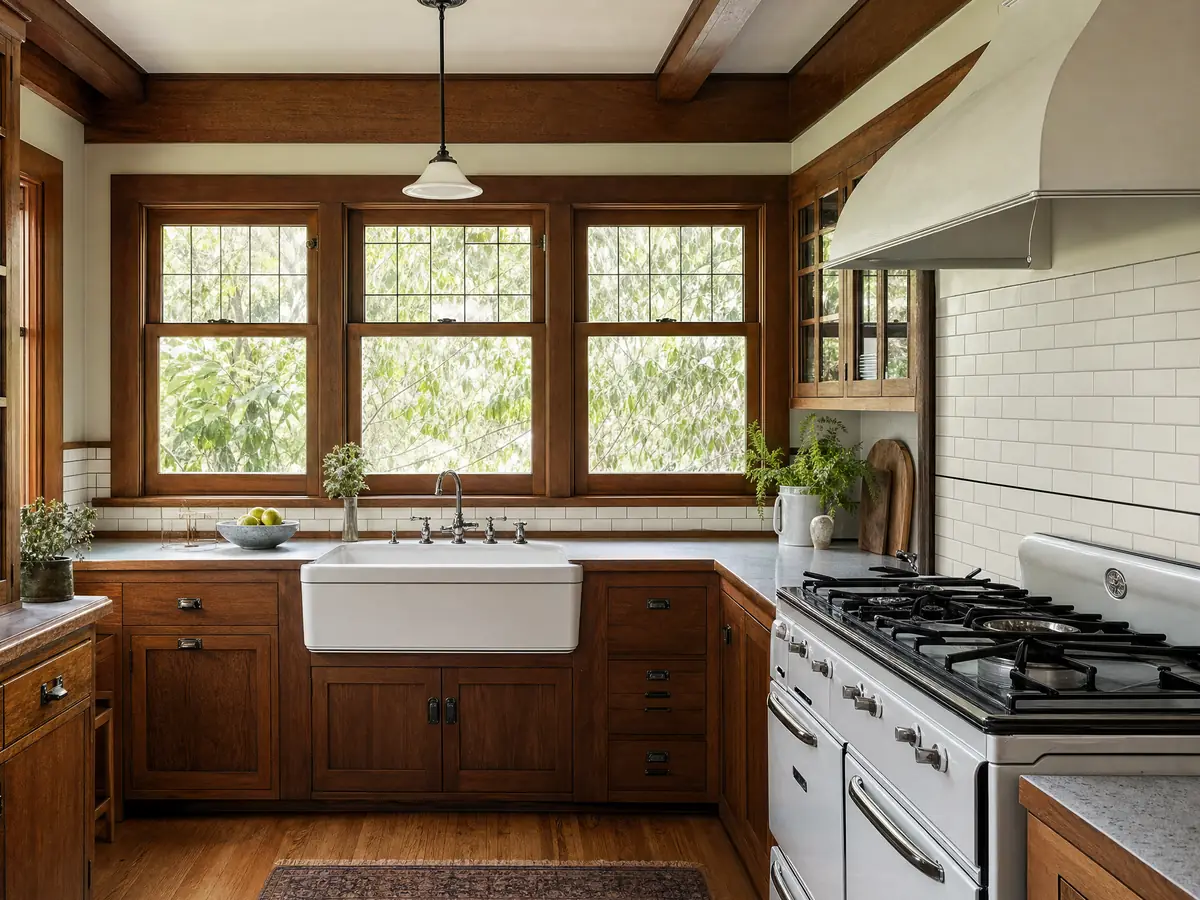
What is behind the walls of a 1980s or 1990s Chino Hills kitchen?
ACS 2024 counts 7,369 homes from the 1980s and 5,534 from the 1990s, so most kitchens here have lived through a generation of appliances and probably one remodel. We found no source on which plumbing, wiring or duct materials local builders used, so we do not guess. Plan on opening walls and have the plumber and electrician document what they find. The Safety Element says clay-rich Puente Formation soils can be highly expansive, and the City's checklist asks for a foundation plan or soils report with additions, so ask whether a remodel that touches the slab needs one.
Lead is a smaller question than in older cities: about 19.7 percent of homes (4,762) predate 1980, and ACS cannot isolate pre-1978 homes. EPA's rule covers paid work that disturbs paint in housing built before 1978, so state the year built before demolition. In Los Serranos or the Sleepy Hollow area, where the oldest homes sit, treat the question as open. Where a house has fire sprinklers that the remodel will alter, the City's checklist lists Chino Valley Fire District clearance, 909-902-5280.
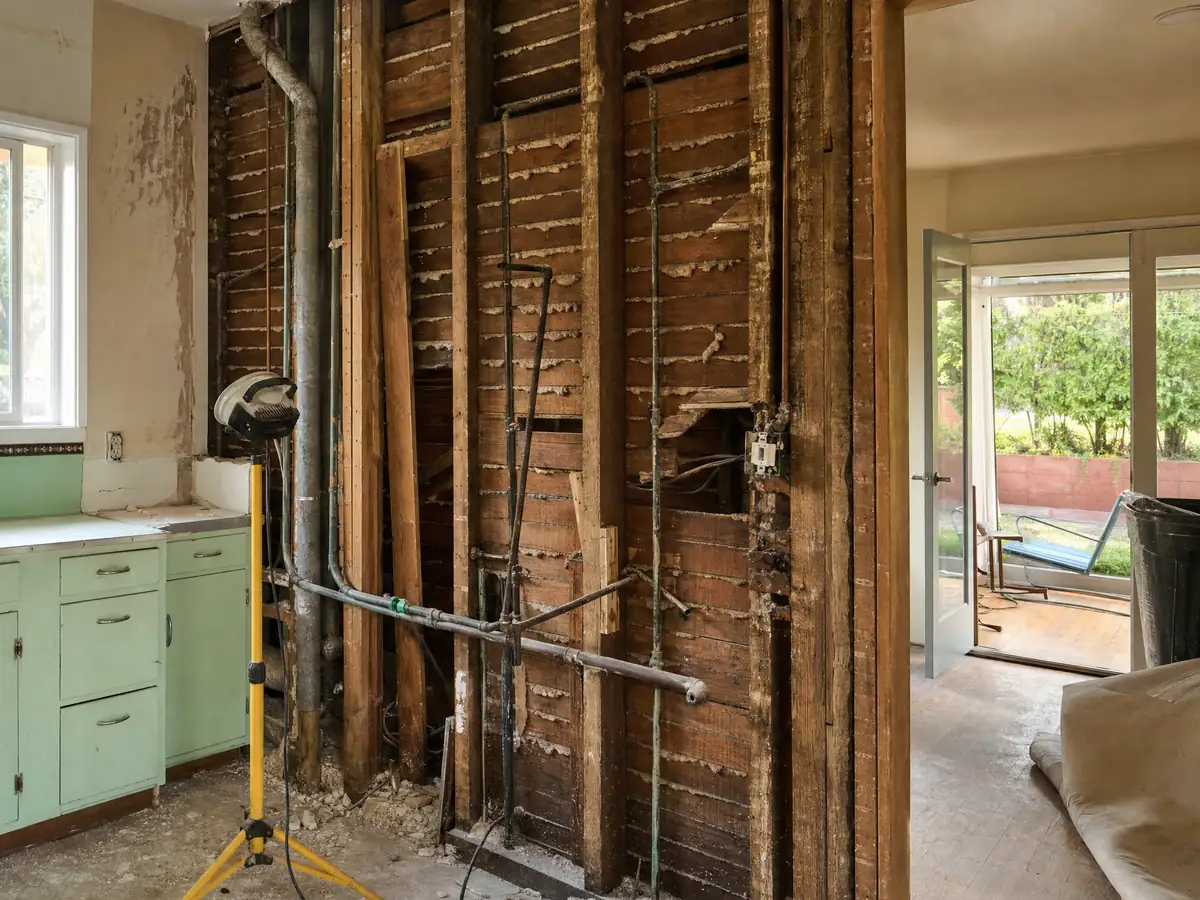
Can I open a kitchen wall, bump out the kitchen or add a second kitchen in Chino Hills?
Walls and bump-outs move you toward the addition route. The City's checklist asks for structural, Title-24 and truss calculations if required, a site plan showing setbacks, lot coverage under 40 percent and front yard impervious surface under 50 percent, and design review if the remodel plus new area exceeds 50 percent of existing floor area. Custom home design review before the Planning Commission also applies to additions equal to 50 percent or more of the building footprint. Chino Valley Unified School District fees apply when added habitable area is 500 square feet or more.
A second kitchen usually means an ADU or JADU. The City allows one of each per single-family property, but not inside the ADU Ineligibility District in Carbon Canyon, with narrow exceptions for lots on Carbon Canyon Road with direct driveway access and enough parking. The City's page cites that rule as (H), the mirror shows (G), and the map was not readable. A detached ADU can reach 850 square feet with one bedroom or 1,000 with two, and a JADU 500; see the City's ADU page.
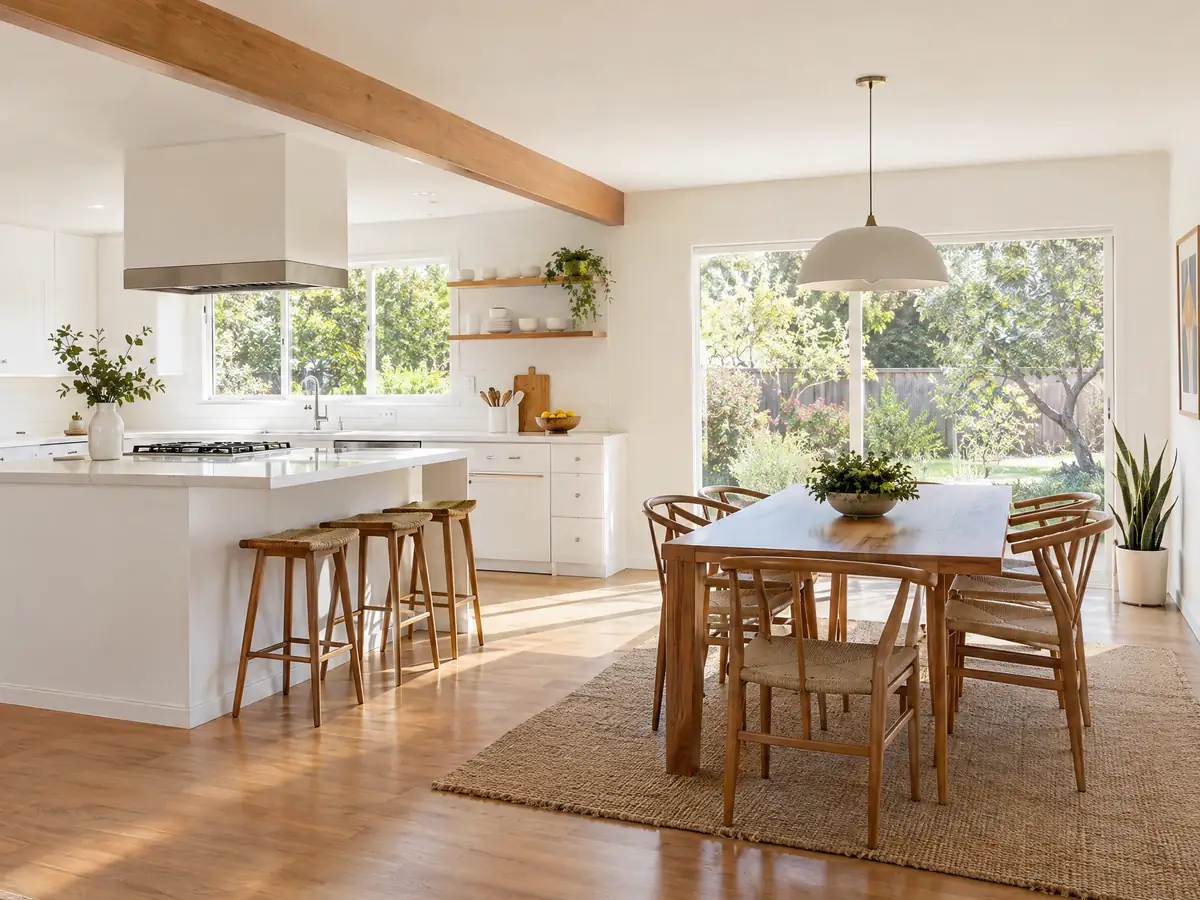
Who hauls away kitchen demolition debris in Chino Hills, and does the recycling plan apply?
Covered projects use the City's franchise hauler, Waste Management, or self-haul. The thresholds conflict. The permit page says a Construction and Demolition Recycling Waste Management Plan form applies to residential and commercial projects of 500 square feet or more, new or altered. Ordinance 395 (CHMC 13.40) and the City's application list new construction of 1,000 square feet or more, alterations valued at $200,000 or more, demolition of 500 square feet or more and any new dwelling. A kitchen-only job may fall under the first line and not the second, while an ADU always falls under both.
Covered projects register on the free Green Halo tracking system after the permit is entered, upload the plan before issuance and add weight tickets and receipts before final inspection; the target is 65 percent reused or recycled. Trucks matter in the canyon: vehicles with more than four axles have been barred from Carbon Canyon Road since May 2024, so ask a cabinet or appliance carrier for the truck's axle count. Next-day inspection requests must be in by 2:00 p.m., so plan the rough inspection around that cutoff.
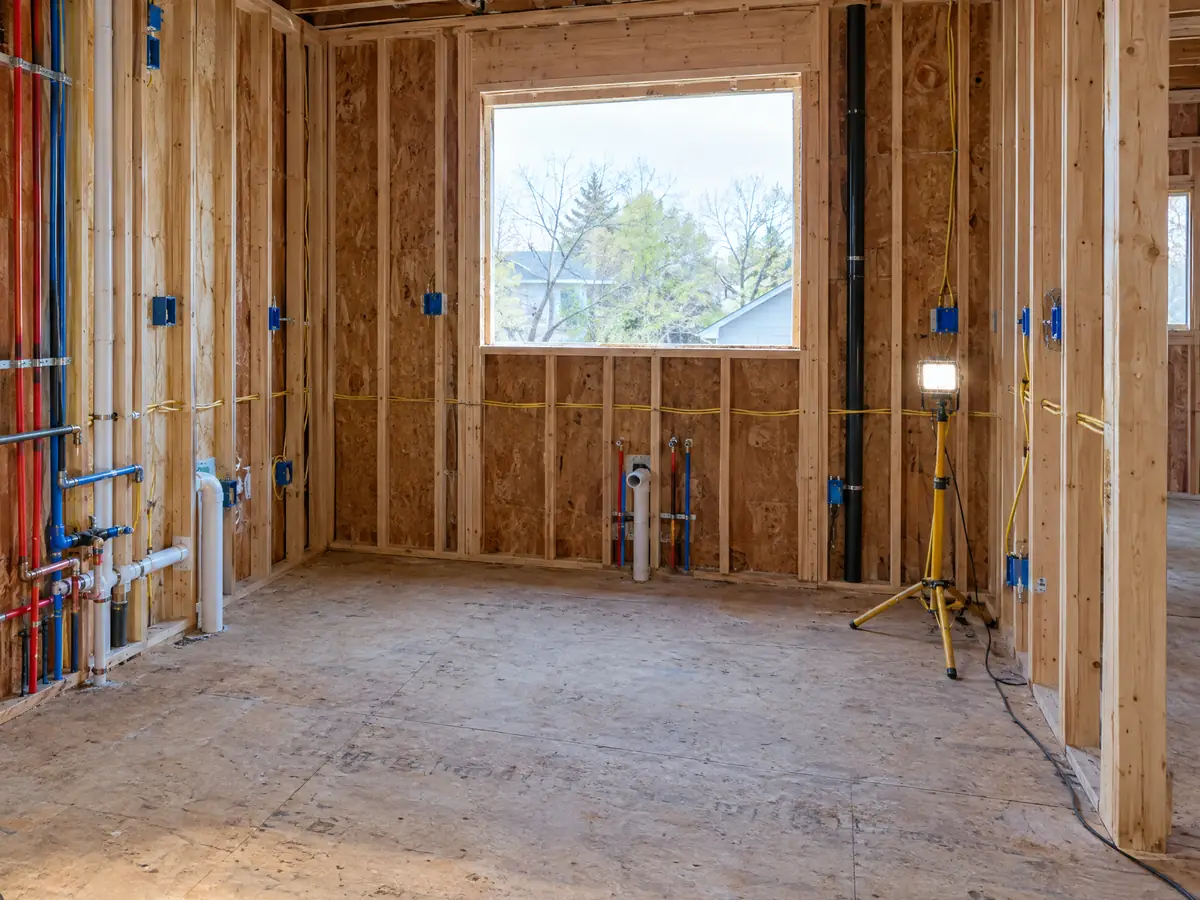
How much does a kitchen renovation cost in Chino Hills, and who should I hire?
We found no Chino Hills kitchen survey, so the tiers come from Los Angeles. Remodeling magazine's Cost vs. Value 2025 prices a minor midrange kitchen at $29,765, a major midrange at $86,214 and a major upscale at $171,369, using Verisk cost data, though the scope behind each is unpublished. Thumbtack's Los Angeles page, updated July 13, 2026, shows $12,471 to $40,909, and Sweeten's own pages start at $24,500, $37,500 and $76,000 for three finish levels. We plan on about $25,000 to $45,000 for a refresh in the same layout, $45,000 to $90,000 for new cabinets, counters and appliances, and $90,000 to $170,000 and up for upscale work or a layout change.
Cabinetry is state class C-6, plumbing C-36 and electrical C-10, and MDG holds a general contractor license, CSLB #1040337. Business and Professions Code 7159 limits the down payment to $1,000 or 10 percent, whichever is less, and ties payments to finished work. Our kitchen cost guide explains the spread, how general contractors use subcontractors shows who answers to whom, and the Los Angeles kitchen permit guide shows a different city's route.
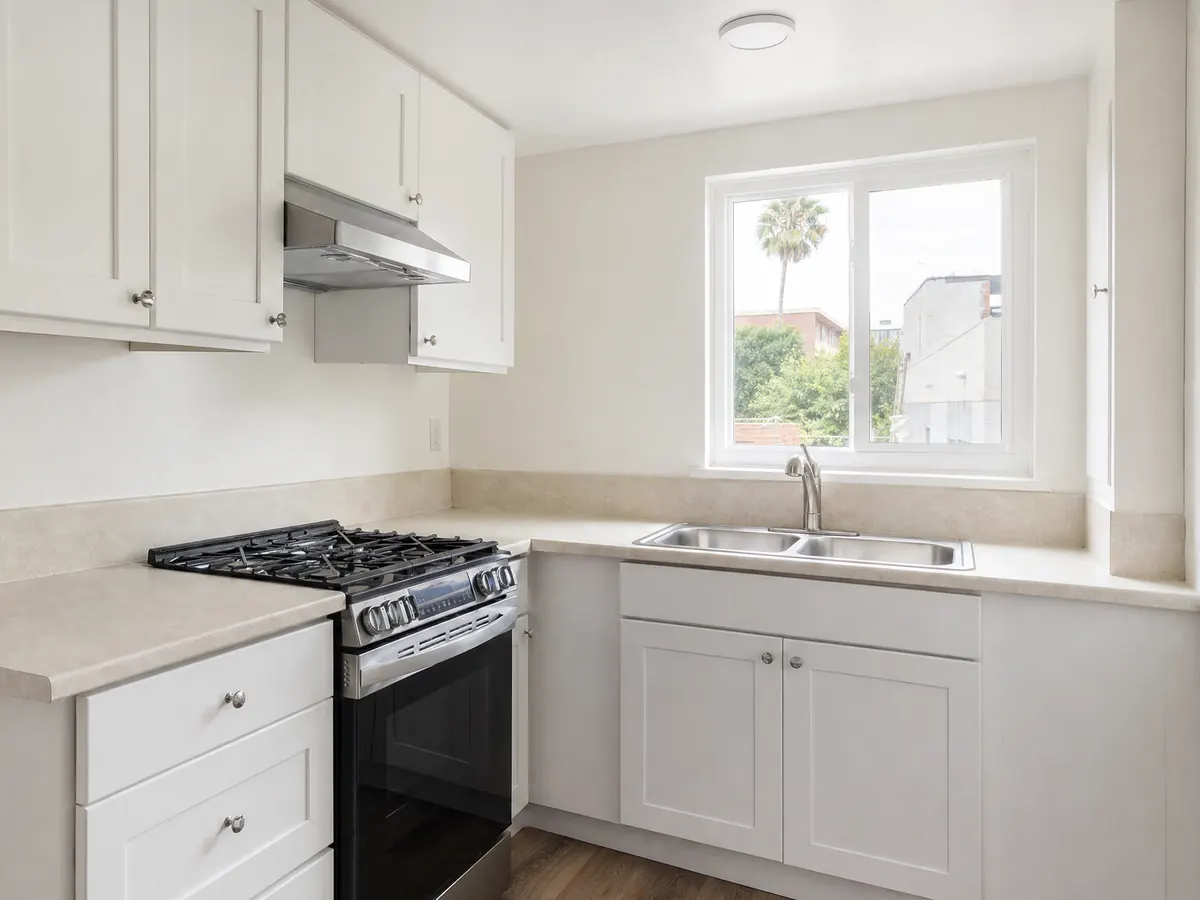
Kitchen photos from Chino Hills and nearby communities
Kitchen scenes tied to Chino Hills places such as Los Serranos, The Oaks, Woodview and Butterfield Ranch, and to nearby communities such as Chino, Yorba Linda and Diamond Bar, from demolition and framing to cabinets, hoods and finished kitchens.
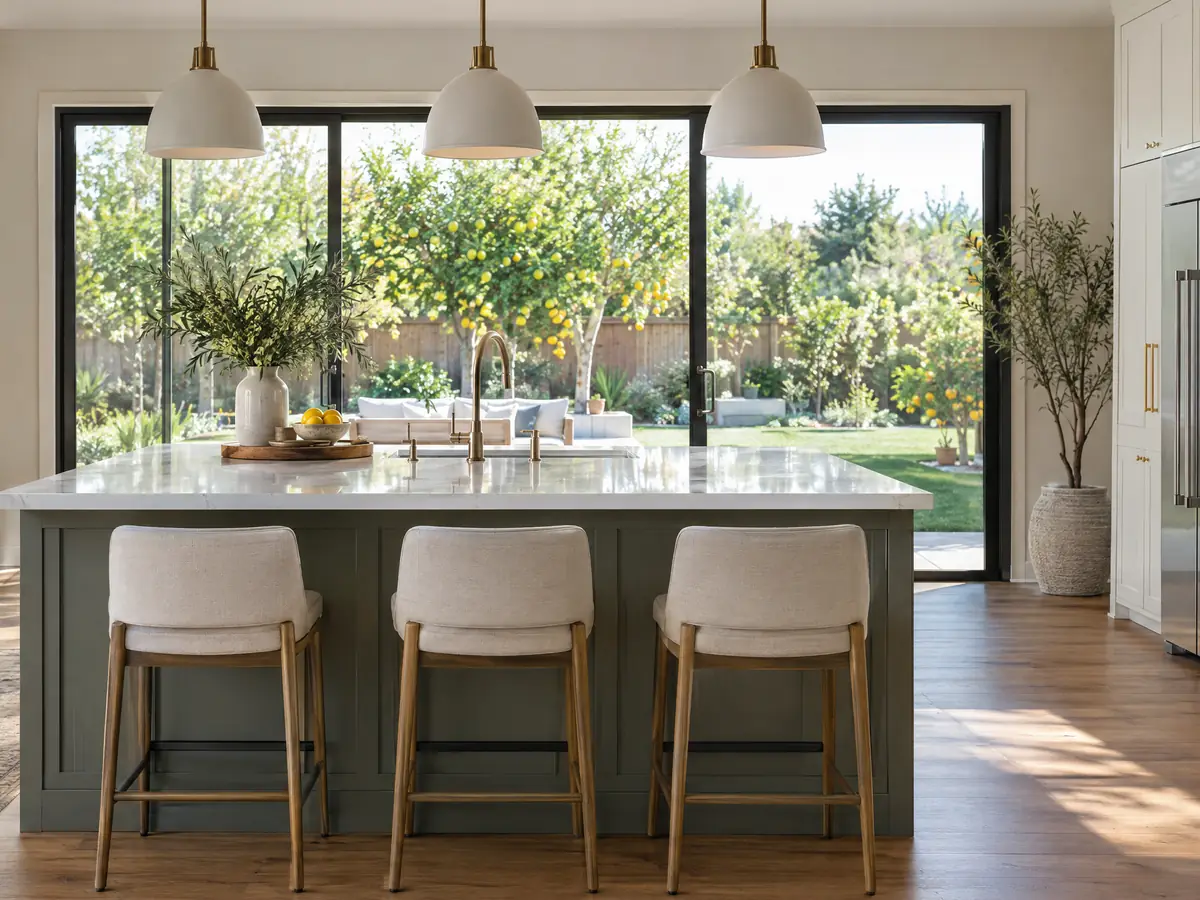
Where these Chino Hills kitchen figures come from
Each cost tier, with its source, date and the figures that disagree, is set out on the kitchen remodeling page. Kitchen work often sits beside outside jobs, and the Chino Hills rules for those are on the roofing page, the fencing page and the painting page. For an Orange County neighbor's review route, read the guide for Yorba Linda.
| What it covers | Typical range |
|---|---|
| Refresh in the same layout: new counters, sink, lighting, hardware, paint and limited cabinet work | $25,000 to $45,000 |
| Full remodel in the same layout: new cabinets, counters, appliances, flooring and lighting | $45,000 to $90,000 |
| Upscale remodel or layout change: custom cabinets, premium appliances, a moved wall, relocated plumbing or gas | $90,000 to $170,000 and up |
Other work we manage in Chino Hills
Chino Hills kitchen remodeling questions, answered
Do I need a permit to remodel my kitchen in Chino Hills?
Yes when the work changes plumbing, gas, wiring, walls or layout, because the City lists interior remodels, water heater replacement and plumbing changes as permit items. Cabinets, counter tops and finish work alone are exempt. Applications go through the Virtual Development Services portal, and Building and Safety at 909-364-2780 can confirm your scope.
Do I need a permit to replace kitchen cabinets in Chino Hills?
Not for cabinets and counter tops alone: the City's exempt-work handout, revised August 5, 2026, lists them as finish work with no building permit. A permit applies if the replacement moves plumbing, gas, electrical or walls. Exemption does not release the job from the Fire Code or the Wildland Urban Interface Code.
Does adding a sink and stove to a room require a permit in California?
In Chino Hills, yes, because new plumbing, gas or electrical work is permit work, and plans need isometric drawings and a panel load sheet. We read the City's rules, not a statewide one. A second sink or range also changes what the plan checker needs, so ask Building and Safety before buying fixtures.
How much does a kitchen renovation cost in Chino Hills?
We found no Chino Hills survey. Cost vs. Value 2025 prices Los Angeles kitchens at $29,765 for a minor midrange job, $86,214 for a major midrange one and $171,369 for upscale. We plan on $25,000 to $45,000 for a same-layout refresh and $45,000 to $90,000 for new cabinets, counters and appliances. A written proposal sets the real price.
Can you remodel a kitchen for under $30,000?
Yes, for a refresh in the same layout. Cost vs. Value 2025 prices a minor midrange Los Angeles kitchen at $29,765, and Thumbtack's Los Angeles range starts at $12,471. That scope keeps the sink, range and walls in place. Moving them belongs to the next tier of our range, about $45,000 to $90,000.
Does a kitchen remodel in a septic home need County approval in Chino Hills?
Any change to a septic system needs San Bernardino County Environmental Health approval before the City issues the permit; the number is (909) 884-4056. The Housing Element says Carbon Canyon and Tonner Canyon homes use septic systems. We found no rule saying a kitchen remodel itself is a septic change, so ask Building and Safety.
What happens if you do not get a permit for a kitchen remodel?
We found no published Chino Hills penalty schedule, because the fee schedule is a scanned image. The City names interior remodels as permit work, and Ordinance 427 amended its stop-work order text. Building and Safety can explain how it treats open or unpermitted work on a house, so call before the sink moves.
Can I take out a wall between my kitchen and living room in Chino Hills?
Yes with a permit and, if the wall carries load, structural calculations. The City's checklist asks for structural, Title-24 and truss calculations if required, and design review if the remodel plus new area exceeds 50 percent of existing floor area. We cannot tell from outside whether a wall is bearing, so the plan set must confirm it.
What order should a kitchen remodel go in?
Demolition and framing come first, then rough plumbing, electrical and gas, then the City's inspection of that rough work, then insulation, drywall, cabinets, counters, tile, fixtures and the final inspection. In Chino Hills, an inspection requested by 2:00 p.m. is scheduled for the next day, so a missed cutoff costs a day.
Do you have to pay a remodeling contractor upfront?
Only a small deposit. Business and Professions Code 7159 caps the down payment at $1,000 or 10 percent of the price, whichever is less, and progress payments must match work completed. The statute also requires a written contract with start and completion dates, and a three-business-day right to cancel. Check any license on the state contractor board's website first.
Ask for a kitchen estimate in Chino Hills
Tell us your neighborhood, the year the house was built, whether you are on sewer or septic and whether a wall, drain or gas line will move. We find out which City and County reviews apply before we call you back.