
Fence Companyin Chino Hills, CA
A Chino Hills fence needs no building permit up to 6 feet in light material, but zoning still stops a front yard fence at 4 feet and a side or rear fence at 6. Carbon Canyon and hillside retaining walls are capped at 4 feet. Exempt from a permit does not mean legal under zoning, so settle the height first.
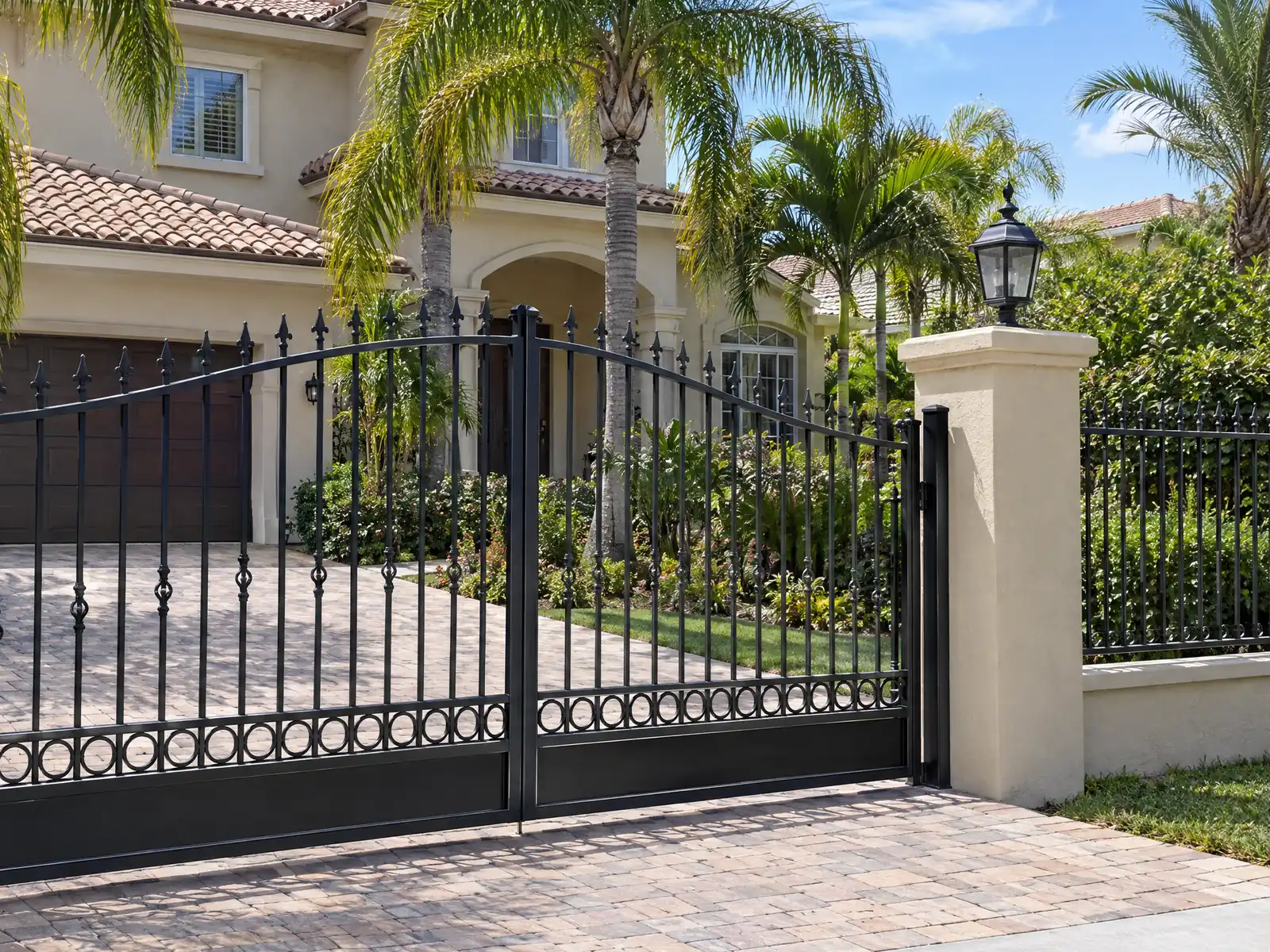
Chino Hills has fences because it has hillsides. About 71 percent of the land is slope, canyon or floodplain, the Housing Element says, so building crowded onto the flatter 7,700 acres along the east edge, and the City now owns about 3,000 acres of open space that wraps around many back yards. Census Bureau ACS 2024 one-year estimates count 24,121 housing units, 70.7 percent of them single-family detached homes and 53.5 percent built from 1980 through 1999, so many original yard walls and fences date to that boom and are now reaching the age where owners replace them.
On a fence job, MDG Builders (CSLB #1040337) is the general contractor that measures the yard, files any permit and schedules the work, and a licensed fencing subcontractor, or a masonry subcontractor for block, builds it. The fencing page holds sourced prices, the Chino Hills overview lists our other trades here, and the neighboring guides for Brea, Pomona and Diamond Bar show how other cities set heights. Permits come from the City's Building and Safety Division, and zoning questions go to Community Development. Municode returned a 403 error to our researcher, so the Municipal Code text below comes from GoCodebook, a third-party mirror; confirm each section with the City.
What Chino Hills' exempt-work list, zoning height rules and hillside wall limits say about fences
Where fencing permits come from in Chino Hills: City of Chino Hills Building and Safety Division (Community Development Department).
- No building permit is needed in Chino Hills for a fence up to 6 feet high made of material weighing under 3 pounds per square foot, for masonry or concrete walls up to 4 feet, or for retaining walls supporting less than 3 feet of soil on a slope flatter than 4 to 1, with no surcharge and every part more than 5 feet from a property line (City exempt-work handout rev. 8/5/2026).
- Fence height under zoning (CHMC 16.06.120, third-party mirror): single-family required front yard 4 feet maximum, required side and rear yards 6 feet maximum, hedges 4 feet maximum in the front setback only; a 6-foot front-yard fence or wall needs a minor exception, must be open (tubular steel or acrylic) above 3 feet, walls must be decorative block or stucco with a cap, and fences up to 6 feet in the front are tubular steel with capped pilasters; wood fencing is allowed for developed single-family lots, and chain link is not allowed in front or street-facing yards (chain link installed before November 24, 2015 is grandfathered).
- Retaining and crib walls in the hillside areas (Carbon Canyon Road corridor, Canon Lane, Sleepy Hollow and ridgelines, CHMC 16.06.120(B), third-party mirror) are limited to 4 feet; a minor variance can allow up to 5 feet where visible from a public street and up to 8 feet where not visible. Elsewhere walls may be stepped if the horizontal gap between the lower wall top and the upper wall bottom is at least the lower wall's height, with screening landscaping, and walls at a slope of one-half to one or steeper are exempt from stepping and height limits.
- The City's Retaining Wall Information handout (rev. 1/13/2017) says a permit is required for retaining walls over 3 feet exposed, with sloping backfill or a surcharge, or when fence and wall together exceed 6 feet, and for any cut into a slope no matter how slight; the submittal sheet requires engineered calculations signed by the engineer or architect, a soils report from a soil or civil engineer (or lot-specific parameters from an approved tract soils report), a plot plan showing no part of the wall or footing crosses a property line, and a minimum 90 percent compaction verified by a soils engineer's test before final approval.
- Retaining wall submittals (City handout, same series) repeat that a wall may not be built over any easement without the easement holder's written permission, that grading and drainage above the wall must be shown, and that backfill type and compaction methods must be stated; the plot plan must be wet-stamped and signed by the engineer or architect who prepared the calculations.
- The City Standard CMU Wall Detail for private property (July 21, 2026) lists four inspections: footing and rebar (with a stamped property line survey or a property line agreement signed by all affected owners if the wall is at or near the line), grout lift and bond beam at each 4-foot horizontal beam, drain and seal on the retained side before backfill, and final after backfill and cap.
- The Common Property Line Wall/Fence Agreement (created 10/27/2025) lets neighbors sign off on a footing location in place of a formal survey; if any affected owner will not sign, the permit scope must say the wall will be wholly on the applicant's property and a registered surveyor's stamped survey must be given to the inspector at the footing inspection, at the applicant's expense.
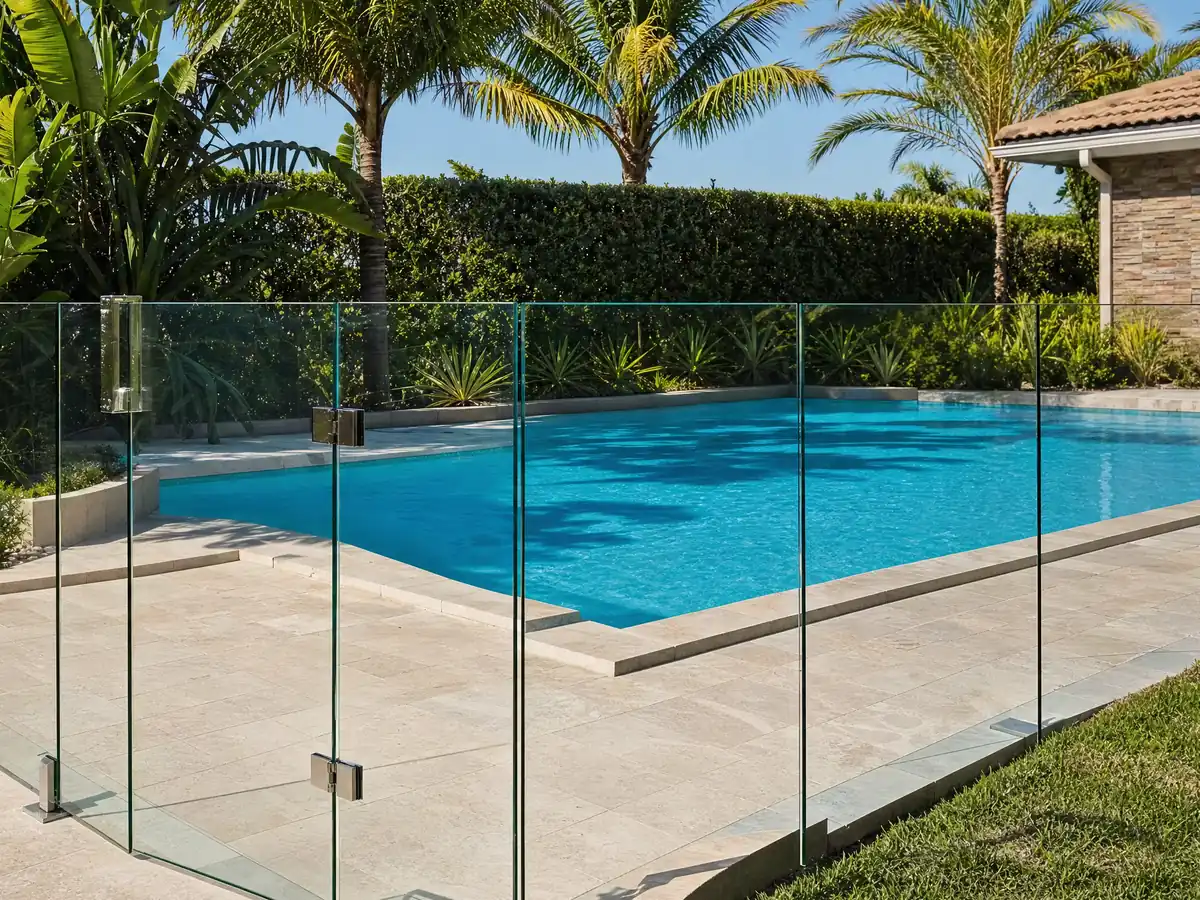
- Pool barriers carry local rules beyond state law (CBC 3109.3 as added by Ordinance 427): barrier at least 48 inches above grade on the outside, no more than 2 inches of clearance under it, openings that stop a 4-inch sphere, horizontal members on the pool side when tops are under 45 inches apart, and gates that lock; self-closing, self-latching release at least 54 inches high is required on doors from the house or attached garage to the pool.
Sources for these rules
- chinohills.org: 1560
- gocodebook.com: chapter 16.06 general development standards
- chinohills.org: Retaining Wall Information
- chinohills.org: Retaining Wall Submittal Requirements
- chinohills.org: City Standard CMU wall
- chinohills.org: Common Property Line Wall Fence Agreement
- chinohills.org: Building Code Update Ordinance
How tall can a front yard fence be in Chino Hills, and what is a minor exception?
Four feet is the default. Under CHMC 16.06.120, read in the mirror, a single-family fence or wall in the required front yard stops at 4 feet, and a hedge in the front setback also stops at 4 feet. A 6 foot front yard fence needs a minor exception and must be open, tubular steel or acrylic, above 3 feet. Walls must be decorative block or stucco with a cap, and fences up to 6 feet in front are tubular steel with capped pilasters.
Chain link is not allowed in front or street-facing yards, except runs installed before November 24, 2015, which are grandfathered. That date matters when a neighbor says an old chain link fence proves you can build one: it protects only what already stood. Wood is allowed for developed single-family lots, but the front yard language points toward steel and masonry. On a corner lot, ask Community Development which sides count as front yard before you order materials.
Get the front yard height and material confirmed in writing before any order is placed.
Do I need a permit to build a fence in Chino Hills, and how tall can the sides and back go?
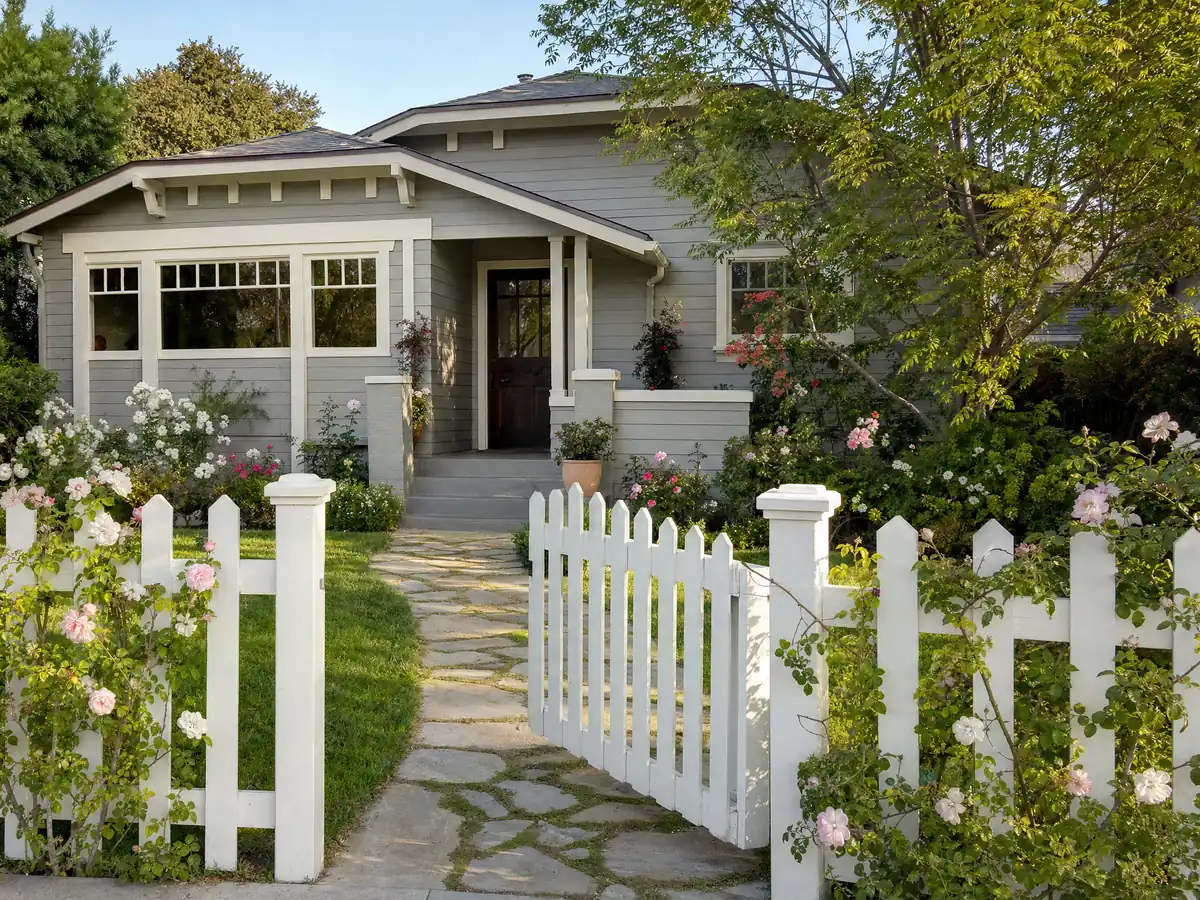
Usually not for the fence itself. The City's exempt-work handout, revised August 5, 2026, lists fences up to 6 feet of material weighing under 3 pounds per square foot and masonry or concrete walls up to 4 feet as needing no building permit. Zoning is a separate gate: required side and rear yards allow 6 feet, so a 7 foot fence breaks the rule. Posts may rise only 4 inches above the fence height, and every fence or wall must leave a gate or opening at least 30 inches wide so people can reach the buildings behind it.
Exempt work still has to meet the Fire Code and the Wildland Urban Interface Code, and the handout says an exemption never authorizes anything that violates another law. Where a fence sits on a retaining wall, the permit trigger applies once the fence and wall together exceed 6 feet. Building permits are not the only paperwork either: the City's Landscape Plan Review covers hardscape plans for walls, fences and walkways on new single-family projects with 500 or more square feet of landscape and on re-landscaping of 2,500 square feet or more.
Where is my property line in Chino Hills when City open space or a neighbor sits behind the fence?
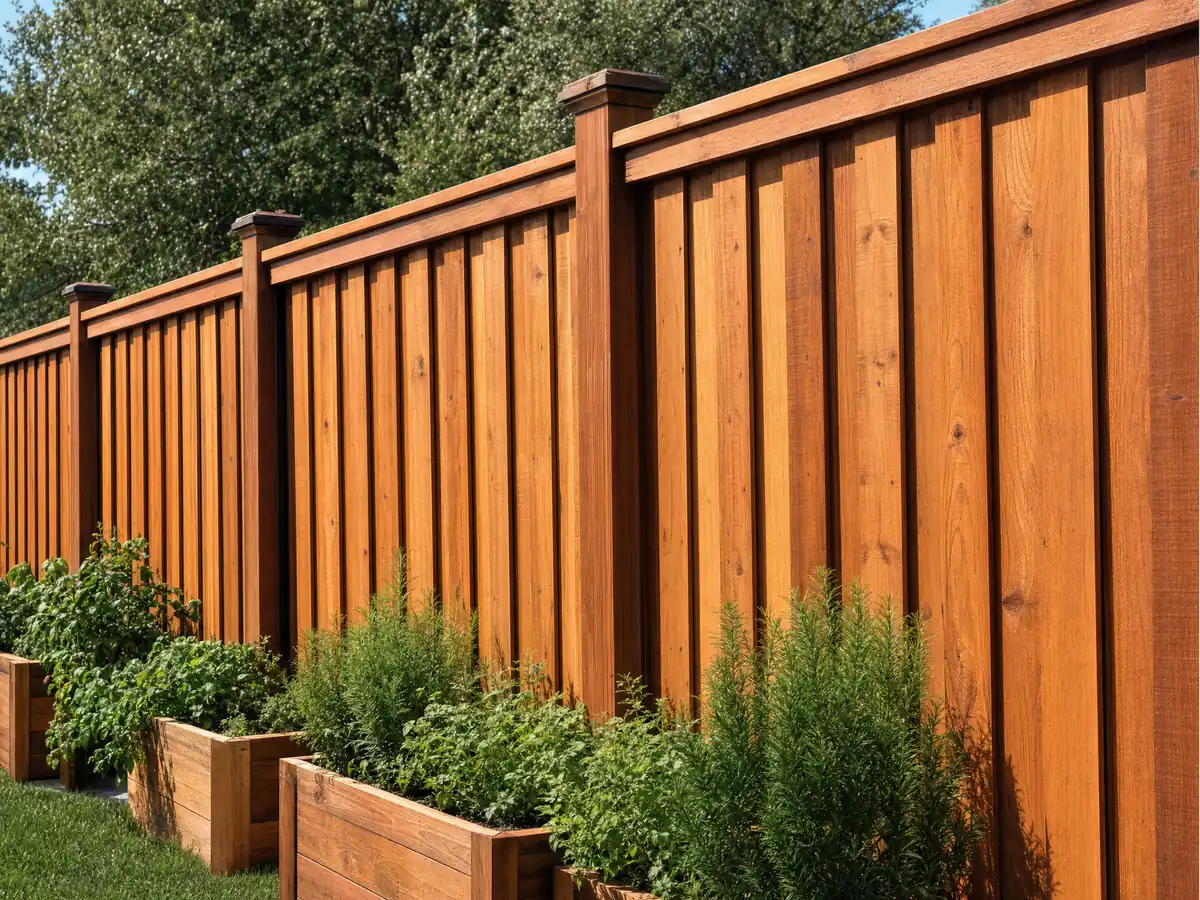
Do not assume the old fence marks it. The City owns about 3,000 acres of community open space, and some neighbors have built fences, retaining walls, pools and landscaping beyond their lot lines onto it. Neighborhood Services, at 909-364-2714, answers property-line questions, and the City says an inquiry does not trigger enforcement unless the encroachment is an immediate health or safety problem. A new fence is the moment to fix the line, not to repeat the old mistake.
For a block wall at or near the line, the City's standard wall detail, dated July 21, 2026, wants a stamped property line survey or a Common Property Line Wall/Fence Agreement signed by every affected owner at the footing inspection. If any neighbor refuses, the permit scope must say the wall sits wholly on your property, and a registered surveyor's stamped survey goes to the inspector at your expense. California Civil Code 841 presumes neighbors share the cost of a boundary fence and asks for 30 days' written notice before you spend money. No wall may be built over an easement without the easement holder's written permission.
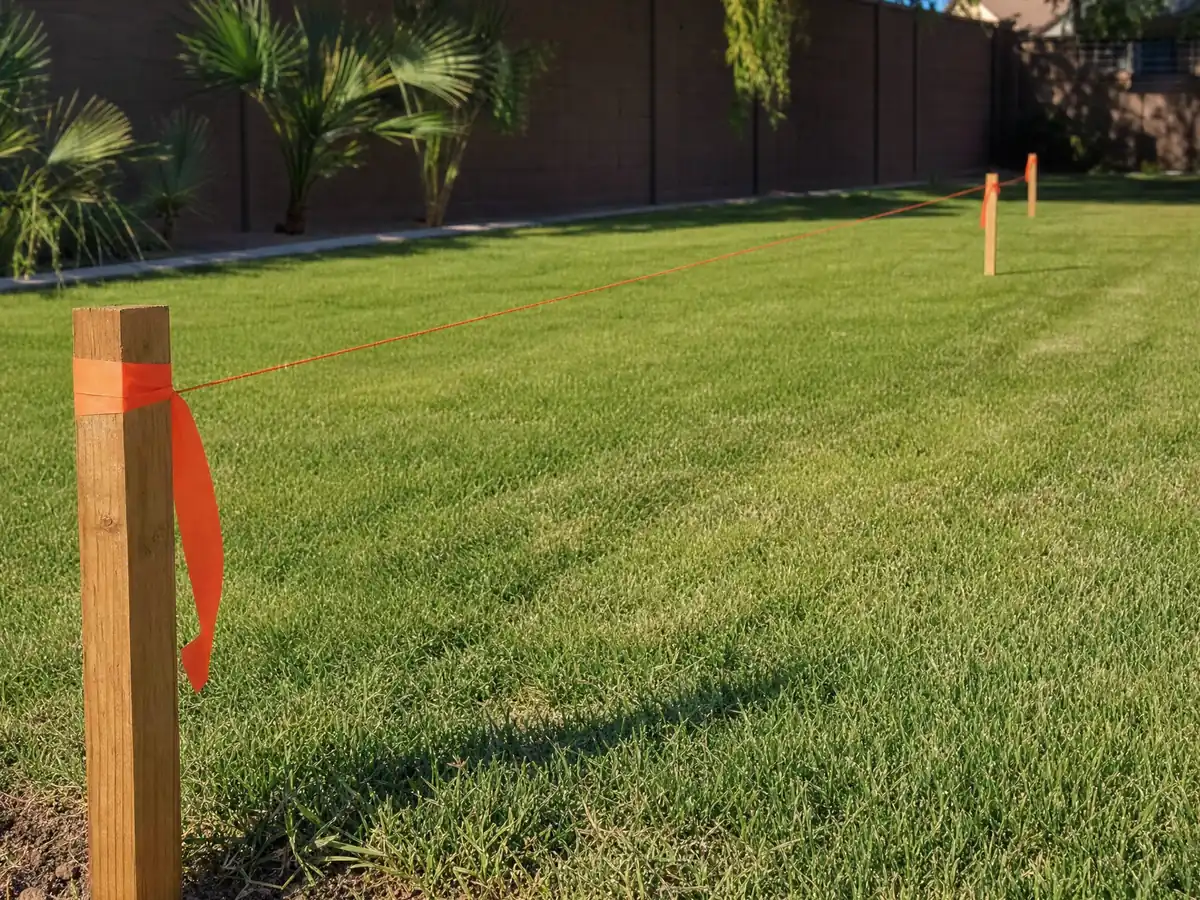
What is the 4 foot wall limit in Carbon Canyon, and when does a retaining wall need an engineer?
In the hillside adaptive areas, retaining and crib walls are limited to 4 feet. Those areas cover mapped ridgelines, land within 600 feet of the centerline of Carbon Canyon Road, the Canon Lane tracts and Sleepy Hollow. A minor variance can allow up to 5 feet where the wall is visible from a public street and up to 8 feet where it is not. Another passage in the same mirror keeps walls that create yard space to 36 inches above natural or rough grade and bars terracing to a flat pad where the natural slope passes 15 percent. Two limits appear, so ask the City which controls your lot.
The City's Retaining Wall Information handout (revised January 13, 2017) requires a permit for walls over 3 feet exposed, walls with sloping backfill or a surcharge, any cut into a slope however slight, and a fence and wall together over 6 feet. The submittal needs engineered calculations signed by the engineer or architect, a soils report or lot-specific parameters from an approved tract soils report, a plot plan showing nothing crosses a property line, and 90 percent compaction verified by a soils engineer's test. The handout is dated 2017, so ask whether the submittal sheet has changed.
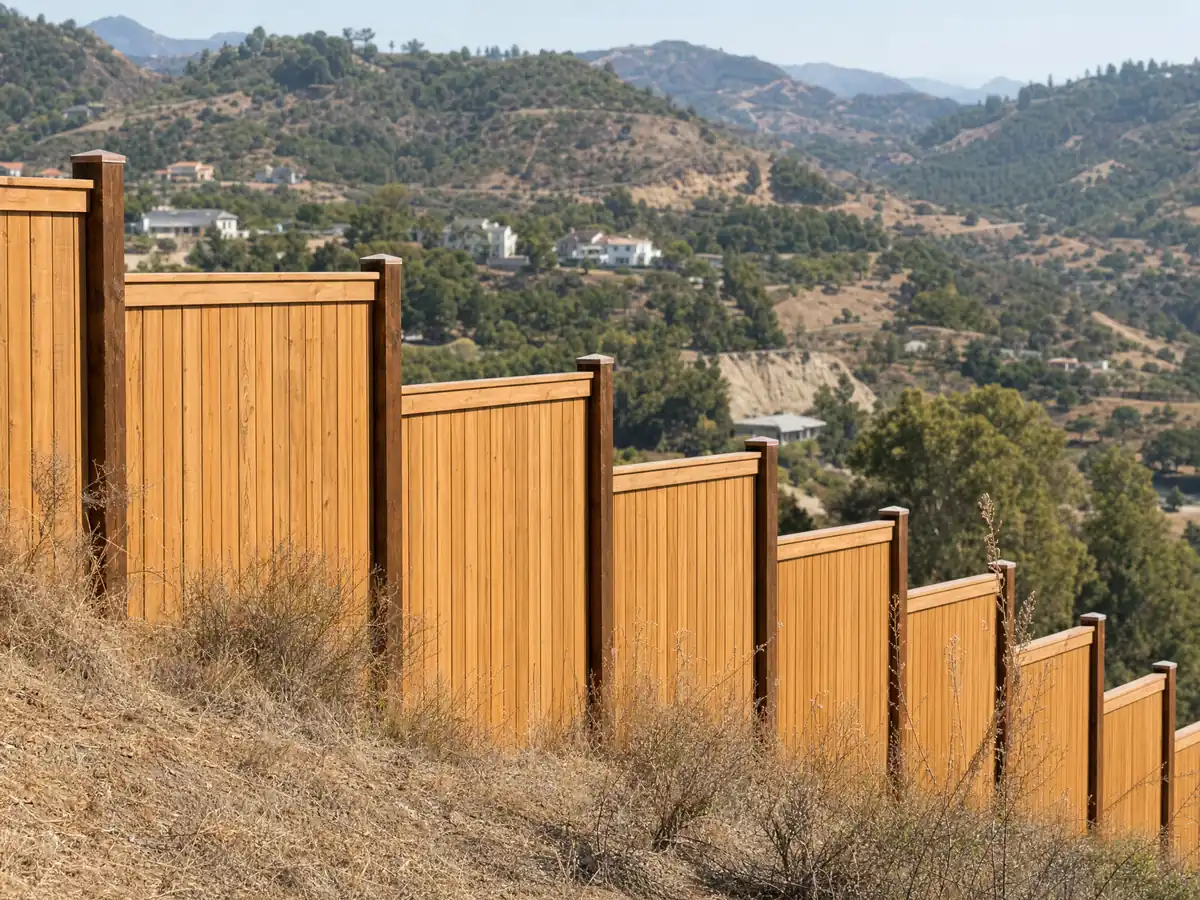
What inspections does a block wall get in Chino Hills, and does the soil matter?
Four, according to the City's Standard CMU Wall Detail for private property, dated July 21, 2026: footing and rebar, then grout lift and bond beam at each 4 foot horizontal beam, then drain and seal on the retained side before backfill, then a final after backfill and cap. Under the state contractor board, block is masonry work, class C-29, and fencing class C-13 excludes masonry walls, so a block wall is a masonry subcontractor's job even when a fence company sells it.
Soil is the local twist. The Safety Element says soils weathered from Puente Formation clay can be highly expansive, canyon alluvium can settle, and soils are generally severely corrosive to concrete because of sulfates, which geotechnical engineers handle with sulfate testing and special cement mixes. For a wall that is mostly footing, ask the masonry sub which mix and footing depth it will use, and whether the soils report for your tract says anything about sulfates.
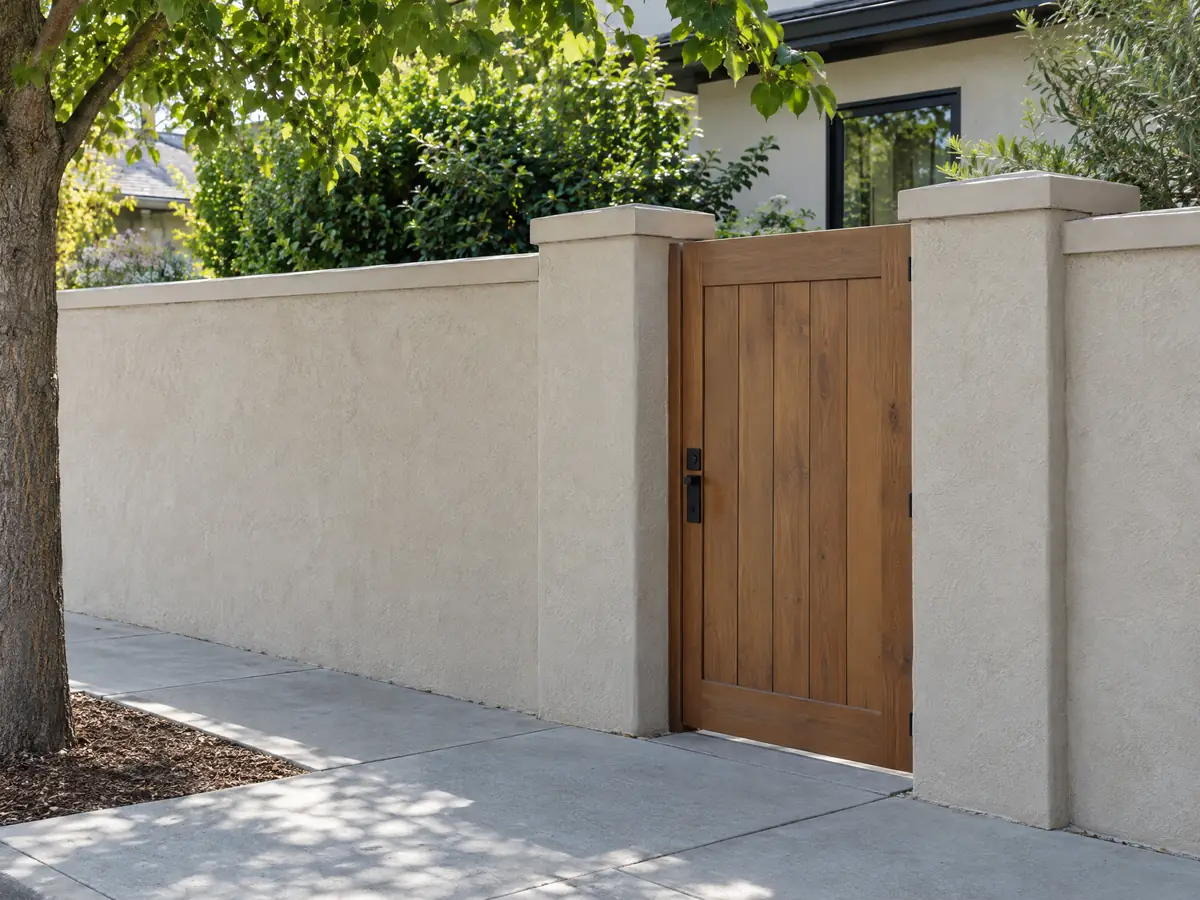
Which fence materials suit Chino Hills, and what must a pool barrier do?
Tubular steel is the front yard standard, wood is allowed on developed single-family lots, and chain link is barred in front and street-facing yards. The pages we read say nothing about vinyl either way, so ask Community Development before choosing it for a visible side. The Safety Element reports Santa Ana winds of 25 to 40 miles per hour with gusts up to 60 to 75. Solid panels and open steel carry that load differently, so ask the contractor how deep the posts go and how the spacing was chosen. We did not find a City post-depth rule.
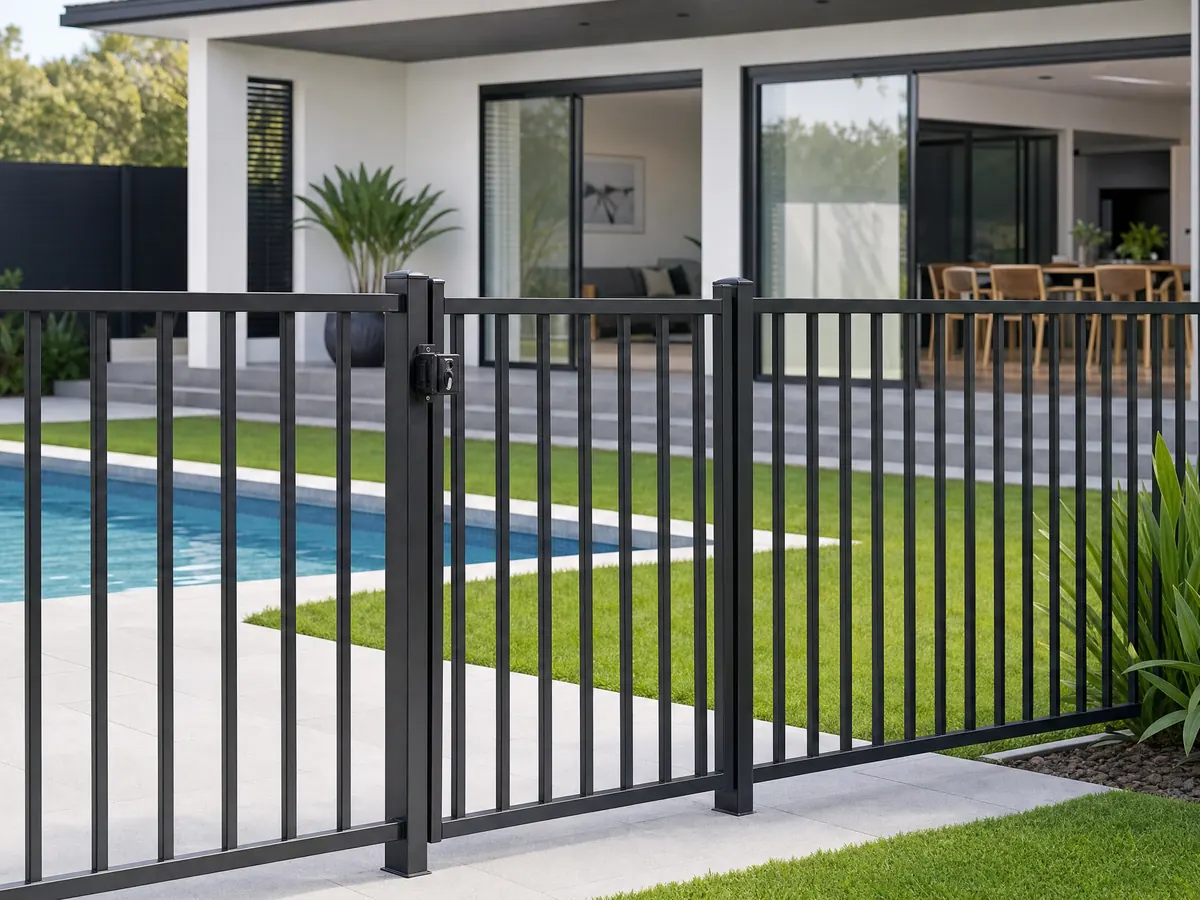
Pool barriers carry local rules on top of state law. Under the Building Code section 3109.3 amendment in Ordinance 427, a barrier is at least 48 inches above grade on the outside with no more than 2 inches of clearance beneath, openings must stop a 4-inch sphere, and gates must lock. Doors from the house or attached garage to the pool need a self-closing, self-latching release at least 54 inches high. Ask Building and Safety whether swapping a pool gate or fence panel needs a permit before you order it.
How much does fence installation cost in Chino Hills, and who should I hire?
We found no Chino Hills fence survey, so the numbers come from Los Angeles and a local bid can differ. Angi's Los Angeles page, updated August 4, 2026, reports a $3,051 average job, a $1,734 to $4,422 range and an average of $29 per linear foot inside a $15 to $60 span, while its own 100 foot row implies about $21 to $24. HomeGuide, Thumbtack and Fixr land in similar territory. We plan on $25 to $55 a linear foot for wood or vinyl privacy fence, $12 to $30 for chain link and $35 to $85 for aluminum or ornamental iron, or about $2,500 to $5,500 for a 100 foot backyard run. The Bureau of Labor Statistics put the mean wage for fence erectors in the Los Angeles area at $28.00 an hour in May 2025. Block walls get no figure from us, because no independent per-foot source turned up.
Fencing is state license class C-13 and block is C-29, so check the class on the license for the work you are buying. Business and Professions Code 7159.5 caps the down payment at $1,000 or 10 percent of the price, whichever is less, and bars payment ahead of work. Our license guide shows the lookup, and how general contractors use subcontractors explains how a managed fence job runs.
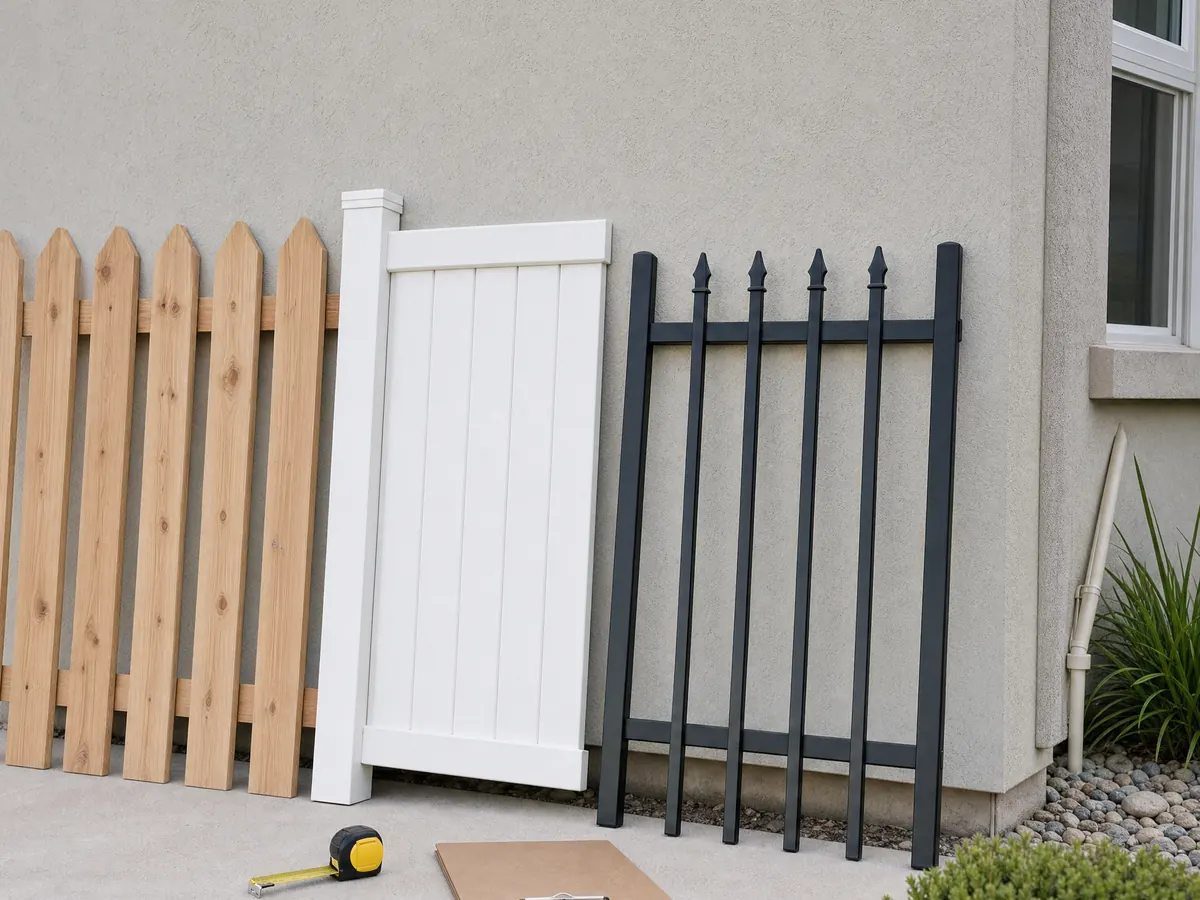
Fence photos from Chino Hills and nearby communities
Fence scenes tied to Chino Hills places such as Los Serranos, The Oaks, Butterfield Ranch and Rolling Ridge, and to nearby communities such as Chino, Yorba Linda and Diamond Bar, from post footings and steel runs to block walls and pool barriers.
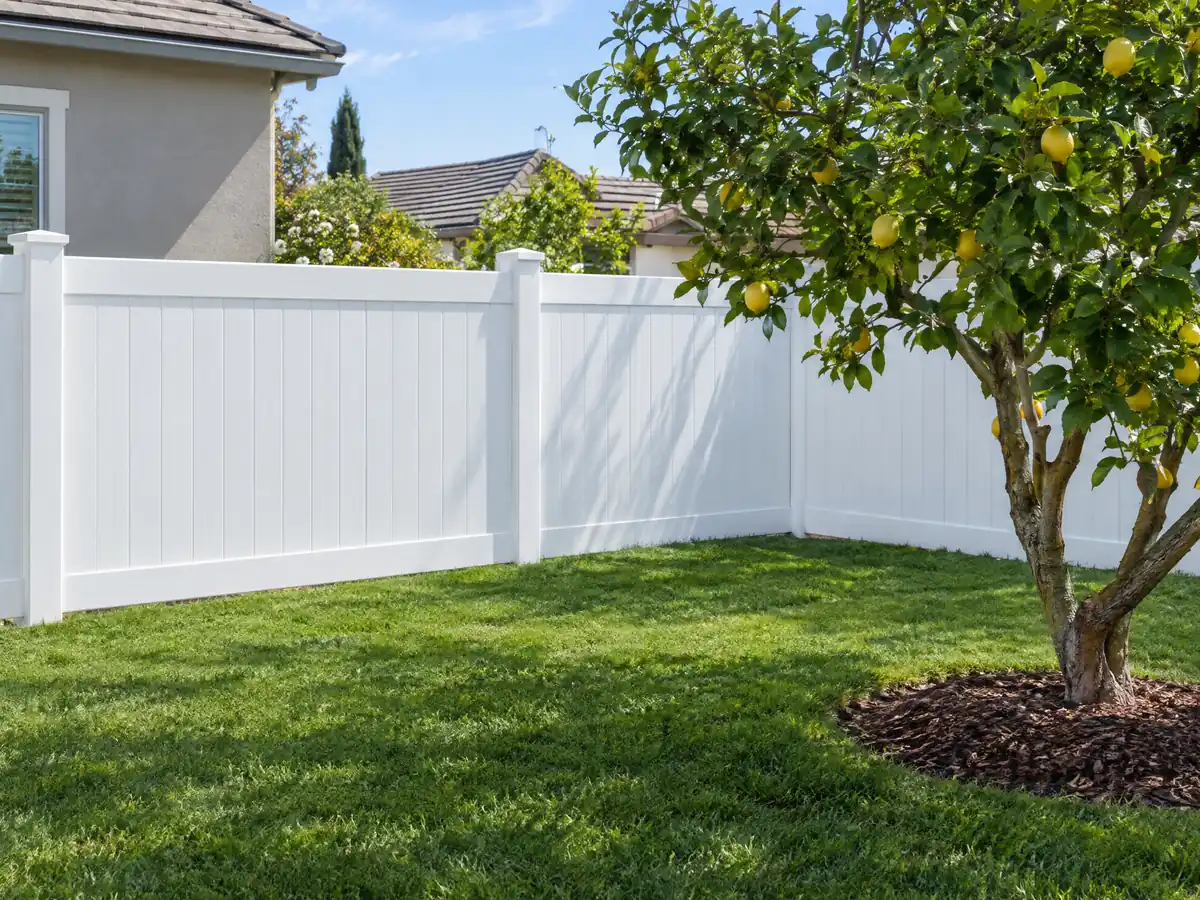
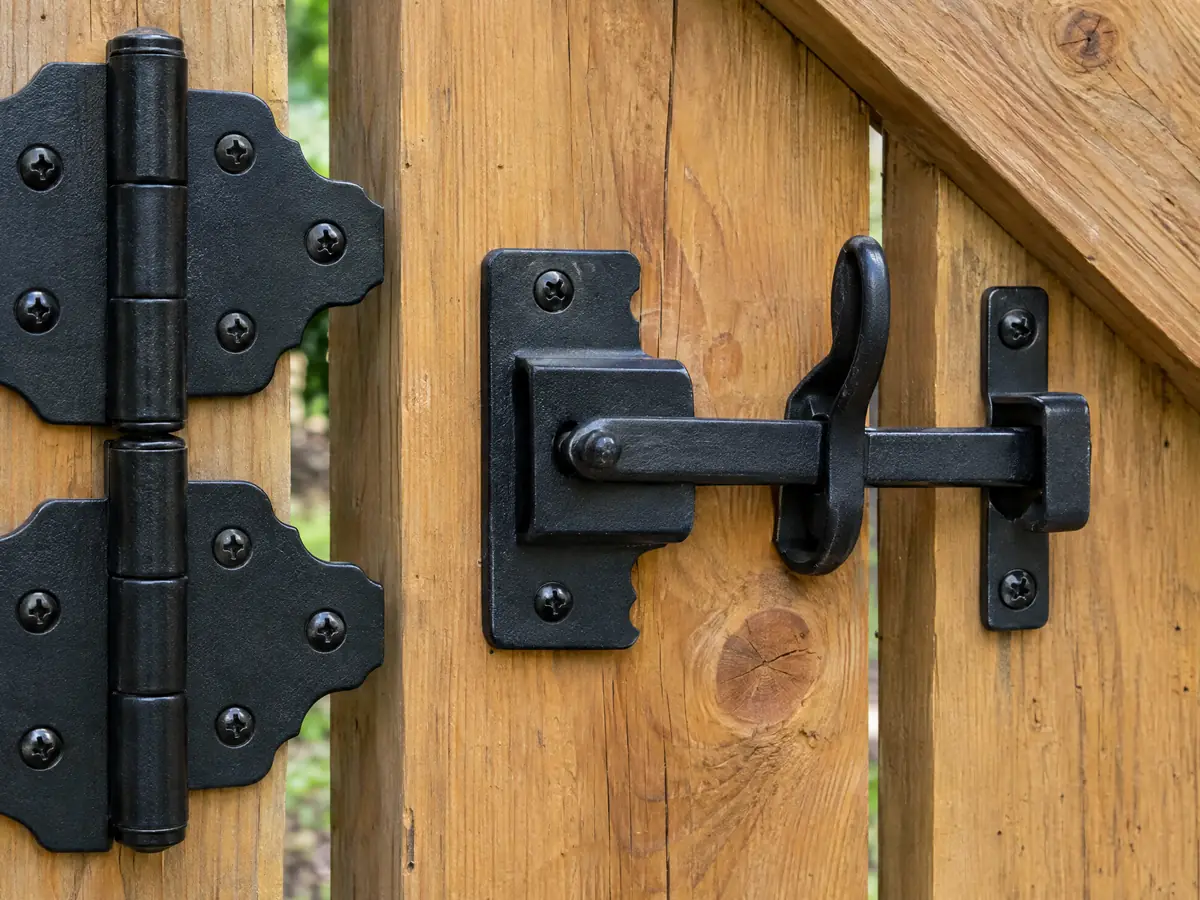
Where these Chino Hills fence figures come from
Each fence price, with its source and date and the figures that conflict, is on the fencing page. New fences often arrive with other outside jobs, and the Chino Hills rules for those are on the roofing page, the painting page and the kitchen remodeling page. For an Orange County city with its own height rules, compare the page for Yorba Linda.
| What it covers | Typical range |
|---|---|
| Wood or vinyl privacy fence, 6 feet | $25 to $55 per linear foot |
| Chain-link | $12 to $30 per linear foot |
| Aluminum or ornamental iron | $35 to $85 per linear foot |
| Typical 100-foot backyard run | $2,500 to $5,500 total |
| Block walls, horizontal slat fences, gates and openers, hillside lots | Set by the written proposal |
Other work we manage in Chino Hills
Chino Hills fence questions, answered
Do I need a permit to build a fence in Chino Hills?
Not for a fence up to 6 feet of material under 3 pounds per square foot, nor for a masonry or concrete wall up to 4 feet, according to the City's exempt-work handout revised August 5, 2026. Retaining walls over 3 feet exposed, or a fence and wall together over 6 feet, need one. Zoning height limits apply either way.
How tall can my front fence be in Chino Hills?
Four feet in the required front yard, and hedges in the front setback are also limited to 4 feet. A 6 foot front fence needs a minor exception, must be open tubular steel or acrylic above 3 feet and uses capped pilasters. We read these limits in the third-party code mirror, so confirm them with Community Development.
Can I put up a 7 foot fence in Chino Hills?
Not in a side or rear yard, as far as we could find: required side and rear yards allow 6 feet, and posts may rise only 4 inches above that height. A taller structure would need relief from the City. We found no 7 foot exception in the pages we read, so ask Community Development before ordering.
Do I need a permit for a block wall in Chino Hills?
A masonry or concrete wall up to 4 feet needs no building permit, while taller ones do. Any retaining wall over 3 feet exposed, with sloping backfill or a surcharge, or cut into a slope needs engineered plans. The City's CMU wall detail lists four inspections, and a masonry subcontractor with class C-29 builds it.
What is the maximum height of a retaining wall without a permit in Chino Hills?
Walls supporting less than 3 feet of soil on a slope flatter than 4 to 1, with no surcharge and every part more than 5 feet from a property line, need no permit under the City's exempt-work handout. In Carbon Canyon and the hillside areas, retaining walls are also capped at 4 feet unless a minor variance is granted.
Who pays for a shared fence between neighbors in Chino Hills?
California Civil Code 841 presumes neighbors share the cost of a boundary fence equally and asks the owner to give 30 days' written notice before spending money. The presumption can be rebutted. For a block wall on the line, the City's agreement form lets neighbors sign off on the footing location instead of ordering a survey.
How much does fence installation cost in Chino Hills?
We found no Chino Hills survey. Angi's Los Angeles page, updated August 4, 2026, shows a $3,051 average job and a $1,734 to $4,422 range, and we plan on $25 to $55 per linear foot for wood or vinyl privacy fence, or about $2,500 to $5,500 for 100 feet. Slopes, gates and block add to that.
Is chain link fencing allowed in Chino Hills?
Not in front or street-facing yards. Chain link installed before November 24, 2015 is grandfathered, but new front and street-side runs must be tubular steel or masonry. The wording we read bars it only in those yards, so a rear or interior side run is not addressed; confirm with Community Development.
What are the pool fence rules in Chino Hills?
Ordinance 427 requires a barrier at least 48 inches above grade on the outside, no more than 2 inches of clearance beneath it, openings that stop a 4-inch sphere and locking gates. Doors from the house or attached garage to the pool need a self-closing, self-latching release at least 54 inches high.
What is the difference between a fence company and a masonry contractor?
State license class C-13 fencing excludes masonry walls, and block or concrete walls fall under class C-29 masonry. On a managed job, MDG (CSLB #1040337) hires a fencing subcontractor for wood, steel or vinyl and a masonry subcontractor for block, and you can ask to see each license before work starts.
Ask for a fence estimate in Chino Hills
Tell us your neighborhood, which side of the lot faces the street, the material you like and whether a slope, a pool or City open space borders the yard. We read the height limit and the property line question before we call you back.