
Fence Companyin Chino, CA
A Chino fence in a required front yard can be 3 feet tall, or 4 feet if it lets 90 percent of light through, while property-line fences reach 6 feet. Block walls and fences under 3 feet are exempt from a building permit, but a 6 foot block wall is not on the exempt list, so call Building first.
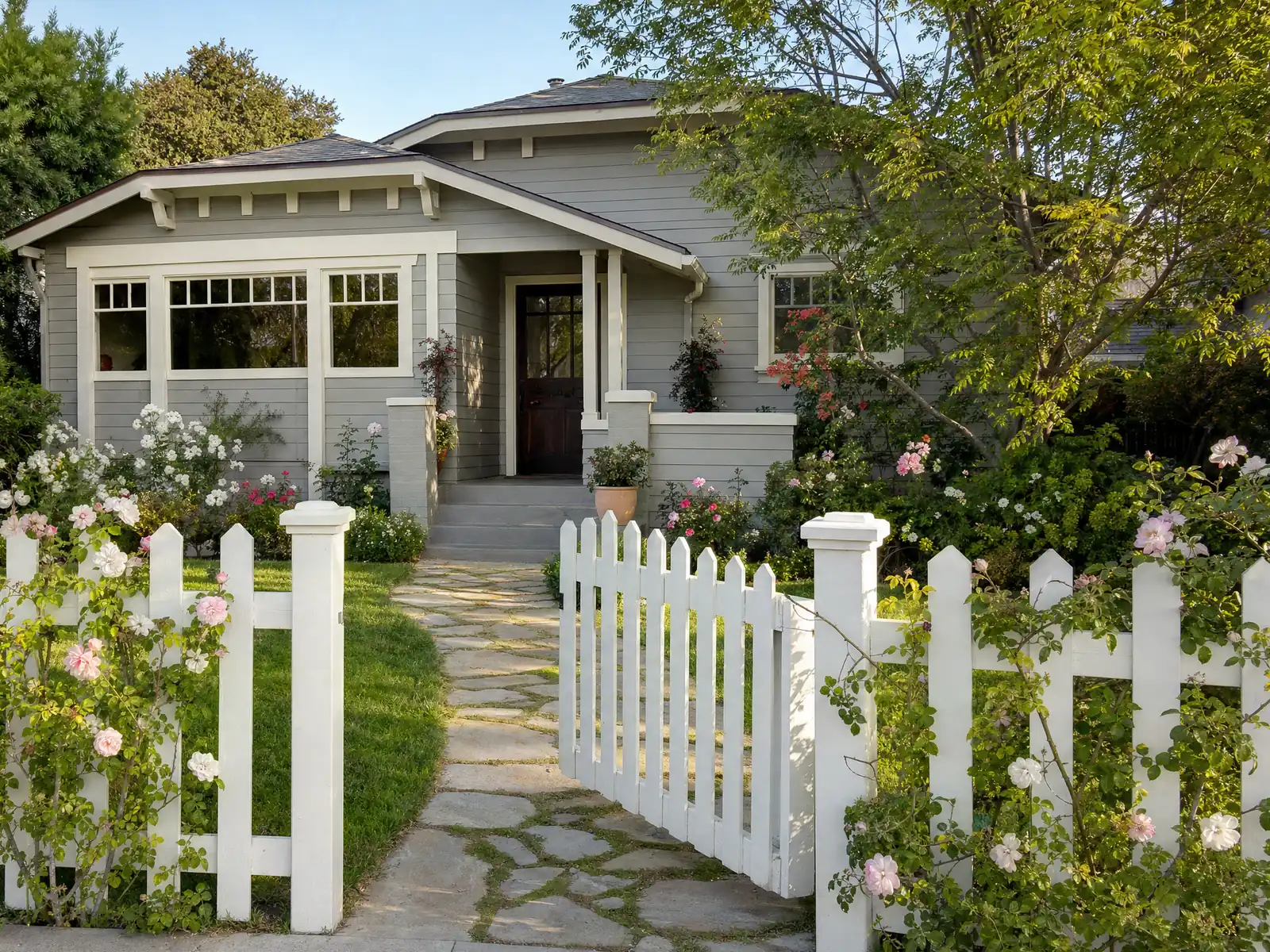
Chino began as a ranch, and its fences still show it. The Rancho Santa Ana del Chino grant dates to 1841, Richard Gird divided it in 1887 into small ranches and a 640-acre town site, and Chino incorporated in 1910. Farms and dairies shaped the land for decades, so the city's code carries a right-to-farm chapter and its zoning still includes an Agricultural Overlay. Census Bureau ACS 2024 five-year estimates count 28,188 homes, 67.6 percent of them single-family detached (19,057 homes), so most fence jobs here are backyards and side yards on lots built mostly from the 1970s through the 2010s. The median build year is 1987.
MDG Builders (CSLB #1040337) is a general contractor rather than a fence crew: we confirm the height and setback rules, sort out the permit questions and schedule the work, and licensed subcontractors set the posts or build the wall. Our fencing page holds the sourced prices, the Chino overview covers every trade here, and the fence guides for Ontario and Norco show how neighbors set height and material limits. Heights come from the zoning code run by Planning, and permits come from the Building Division. The official Municode copy blocked our researcher, so the code text below is from GoCodebook, a third-party mirror last updated October 4, 2026; confirm each rule with the City.
What Chino's fence height table, block wall standards and pool barrier rules say
Where fencing permits come from in Chino: City of Chino Development Services Department, Building Division.
- Fence and wall height (Municipal Code 20.10.080, Table 20.10-1): residential walls and fences are 6 feet at property lines, but only 3 feet in a required front yard (4 feet if the fence passes at least 90 percent of light, with pilasters up to 4 feet); the Director of Community Development may allow more than 6 feet along an interior side or rear line when both neighbors agree (security, noise or grade differences) and up to 8 feet along a residential subdivision perimeter, with one extra foot of setback for each foot above 6 feet on street-facing perimeter walls; security fences can reach 10 feet but only the minimum height needed.
- Fence materials and design (Municipal Code 20.10.080(D)): decorative masonry, ornamental steel or iron, or wood in a color or material complementing nearby buildings; chain-link and wire mesh are prohibited where visible from a public or private street; barbed and razor wire are prohibited unless the Director finds them necessary for safety; masonry runs of 50 feet or more along a public right-of-way need offsets of 3 to 4 feet, and new perimeter wall pilasters must be at least 24 inches square with an 8-inch gap under the cap.
- Fence location (Municipal Code 20.10.080(C) and (E)): no fence in the public right-of-way, none within 3 feet of the center of a fire hydrant, 12 inches of clearance around meter boxes, 2 feet around street lights, 3 feet around sign posts; on a corner lot a fence on the rear property line must sit at least 18 inches from the street side line with the strip landscaped; and nothing taller than 3 feet above the street pavement may block the visibility triangles at intersections.
- Permit exemption: the CBC and CRC permit-exemption lists (15.04.180 and 15.06.030) cover block walls and fences less than 3 feet in height and retaining walls under 18 inches, and say separate electrical, plumbing and mechanical permits may still be needed; taller walls such as a 6-foot block wall are not in the exempt list, and the exemption never authorizes work that violates other City rules.
- City block wall details: the Block Wall Standard (2/5/2015) lists footing options and three required inspections (foundation excavation with steel in place, steel and pre-grout, and final before decorative caps) and states all footings need at least 5 feet to daylight on slopes; the Pilaster Standard limits spacing to 20 feet when infill fencing is attached and gates hung on a pilaster to 200 pounds and 4 feet wide; the Retaining Block Wall Standard, as drawn, shows a retaining portion of up to 2 feet below a non-retaining portion of up to 6 feet.
- Pool fences are regulated separately: Municipal Code 15.04.059 to 15.04.063 define a pool as any structure holding water over 18 inches deep (including spas and hot tubs); the barrier must be at least 60 inches high, have no more than 2 inches of bottom clearance (4 inches over a solid surface), no opening that passes a 4-inch sphere, gates no wider than 4 feet that swing away from the pool and are self-closing and self-latching, and the barrier must be installed and inspected before plastering or filling the pool.
- Fences and trees: the City's street tree chapter (12.16.250) bars filling ground around a street tree so that light, air or water are shut off from the roots or piling building material around a tree, and 12.16.240 requires written permission from the service department before removing, trimming or pruning any tree in a street planting strip.
How tall can a fence be in a Chino front yard, and what is the 4 foot exception?
Three feet. Table 20.10-1 of the zoning code, in Section 20.10.080, caps a wall or fence in a required front yard at 3 feet. The cap rises to 4 feet when the fence lets at least 90 percent of light through, such as open steel pickets, and masonry pilasters may reach 4 feet. That is half of the 6 feet allowed along a property line elsewhere on the lot, so a front courtyard wall or a solid gate across a front yard needs a Planning answer first.
Front yards carry a second limit that surprises people. Table 20.04-3 asks for landscaping on at least 70 percent of a front yard in RD 1 and RD 2, 60 percent in RD 4.5 and 50 percent in RD 8, so a fence paired with a widened driveway or a paved front patio can fail on landscaping before it fails on height. Nothing may stand in the public right-of-way, and a street tree strip needs written permission from the service department under Section 12.16.240 before anyone trims or removes a tree there. Ask Planning at 909-334-3253 which district your lot is in.
Ask Planning for the zoning district and the front yard line before you order materials.
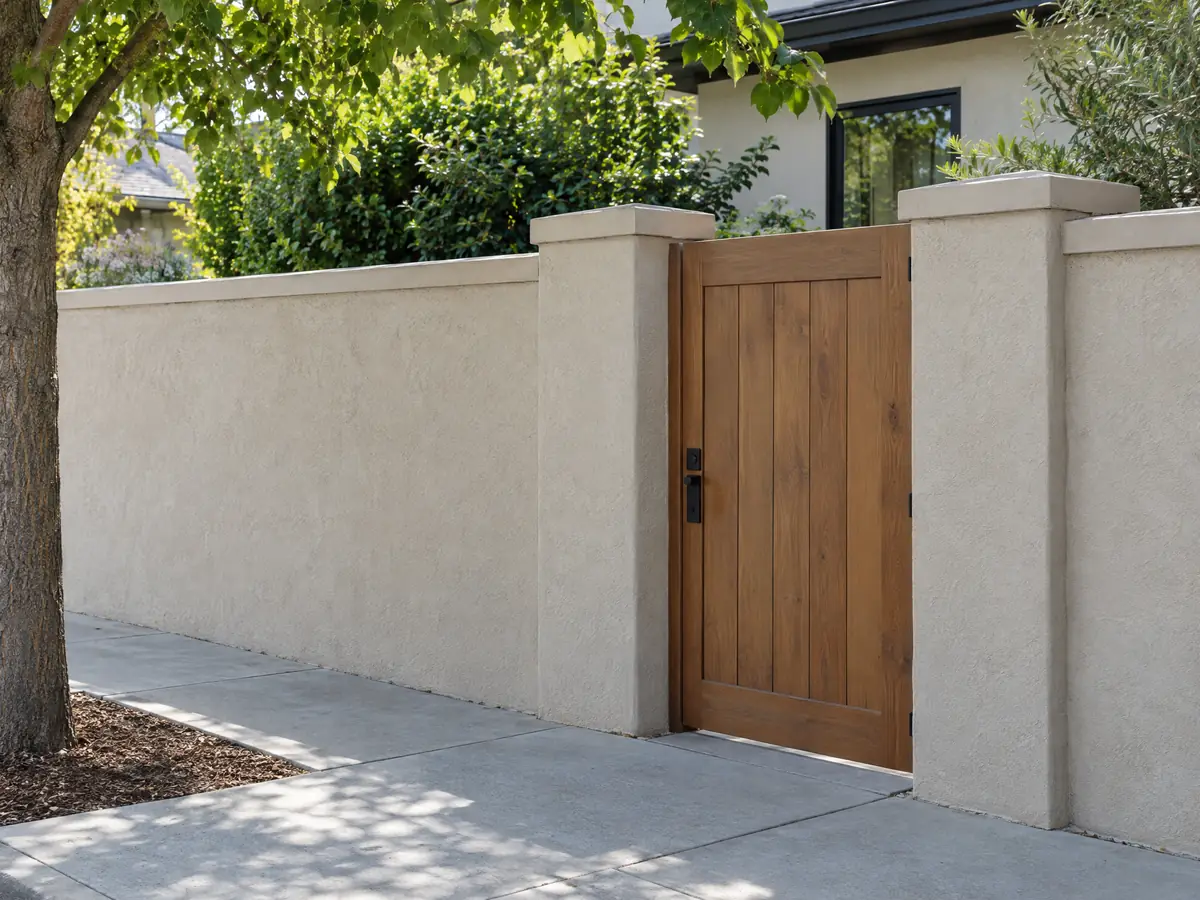
Can I build a 7 or 8 foot backyard fence in Chino, and what about corner lots?
Six feet is the standard at a property line. The Director of Community Development may allow more than 6 feet along an interior side or rear line when both neighbors agree and there is a security, noise or grade reason, and up to 8 feet along a residential subdivision perimeter, with one extra foot of setback for each foot above 6 on a street-facing perimeter wall. Security fences can reach 10 feet but only to the minimum height needed. A 7 foot fence is therefore a request backed by signatures, not a right.
Corners and utilities change the layout. On a corner lot, a fence along the rear line must sit at least 18 inches back from the street side line, with that strip landscaped, and nothing taller than 3 feet above the pavement may block the visibility triangle at an intersection. Keep fences 3 feet from the center of a fire hydrant, 12 inches from meter boxes, 2 feet from street lights and 3 feet from sign posts.
Get the neighbor's written agreement before you ask for height above 6 feet.
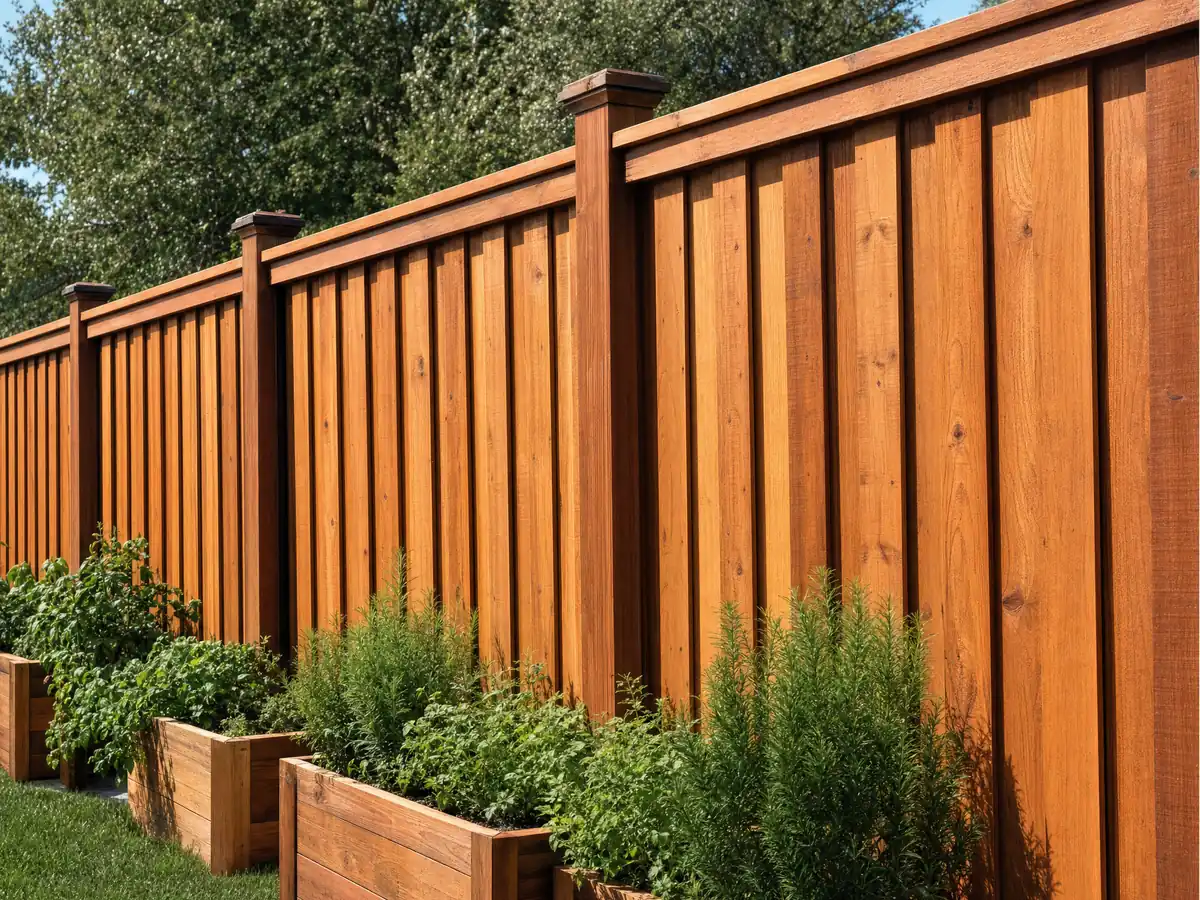
Does a fence need a permit in Chino, and what happens if I skip it?
The permit lists we read exempt block walls and fences under 3 feet and retaining walls under 18 inches, and say separate electrical, plumbing or mechanical permits may still apply. A 6 foot block wall is not on the exempt list. A 6 foot wood fence is not named either way, and because the City keeps the 1997 Uniform Administrative Code, whose text we could not read, we cannot tell you a wood fence is exempt. Call Building at 909-334-3251 before ordering materials, and ask Planning separately, because a building exemption never excuses a zoning violation.
Skipping the call costs more than the call. Section 15.04.185 lets the Building Official charge a penalty equal to double the permit cost for work begun early, and Chapter 15.50 makes code violations a misdemeanor with each day a separate offense, fined up to $1,000 or up to six months in county jail. The fee schedule effective July 1, 2026 starts a building permit at $25.66 for $1 to $500 of value, with plan check at 75 percent. Inspections are requested at 909-334-3252, and a request in before 3 p.m. is scheduled for the next business day.
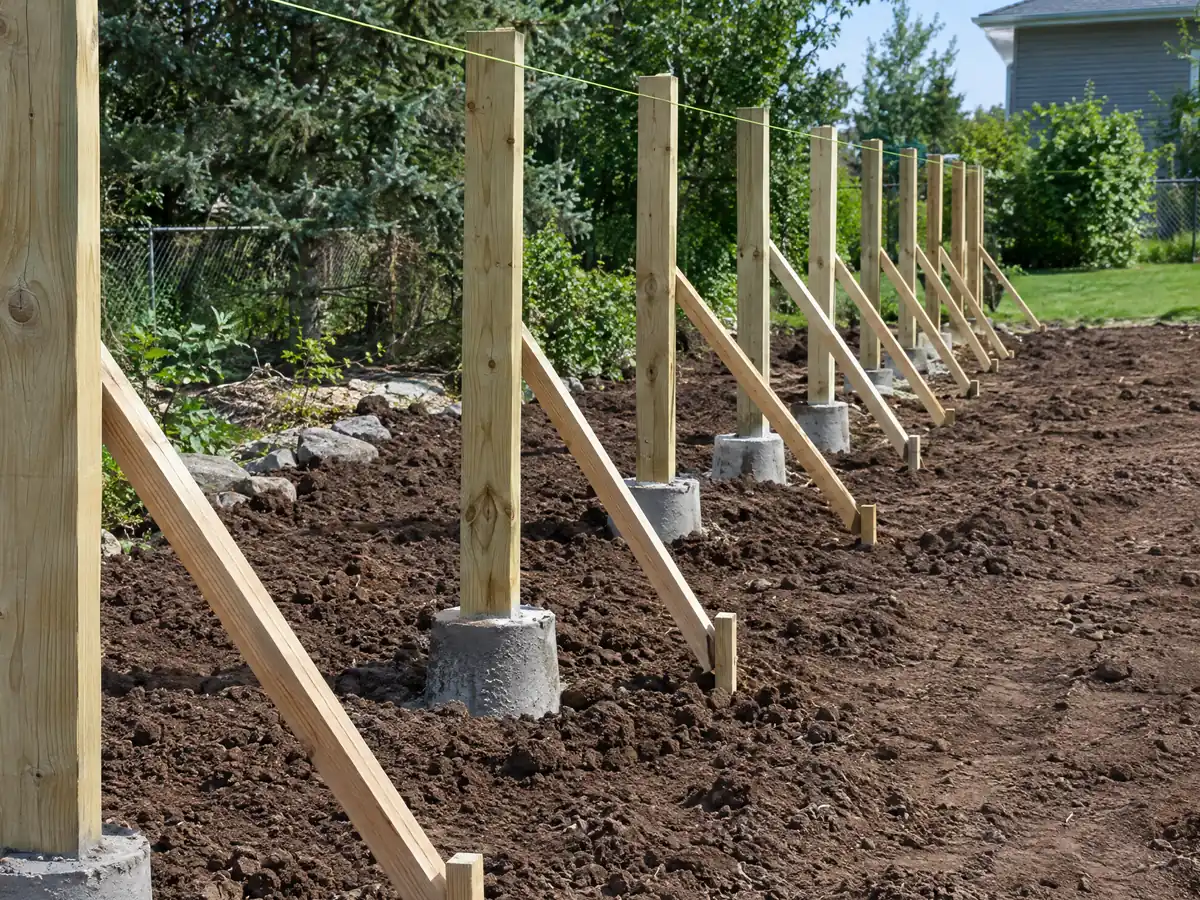
What does a Chino block wall need: footings, pilasters and three inspections?
The City's Block Wall Standard, dated February 5, 2015, lists the approved footing options and requires three inspections: the foundation excavation with steel in place, the steel and pre-grout, and a final before decorative caps go on. On a slope, every footing needs at least 5 feet to daylight. New perimeter wall pilasters must be at least 24 inches square with an 8 inch gap under the cap, and masonry runs of 50 feet or more along a public right-of-way need offsets of 3 to 4 feet.
The Pilaster Standard limits spacing to 20 feet when infill fencing attaches to it, and a gate hung on a pilaster to 200 pounds and 4 feet wide, so a heavy iron driveway gate needs its own engineered post. The Retaining Block Wall Standard, as drawn, shows a retaining portion up to 2 feet below a non-retaining portion up to 6 feet. Masonry is a different license from fencing: the Contractors State License Board puts block walls in C-29 and says C-13 fencing excludes masonry walls, so we hire a masonry subcontractor for the wall and a fencing subcontractor for the gate and infill.
Ask who books the three inspections and who is on site for each.
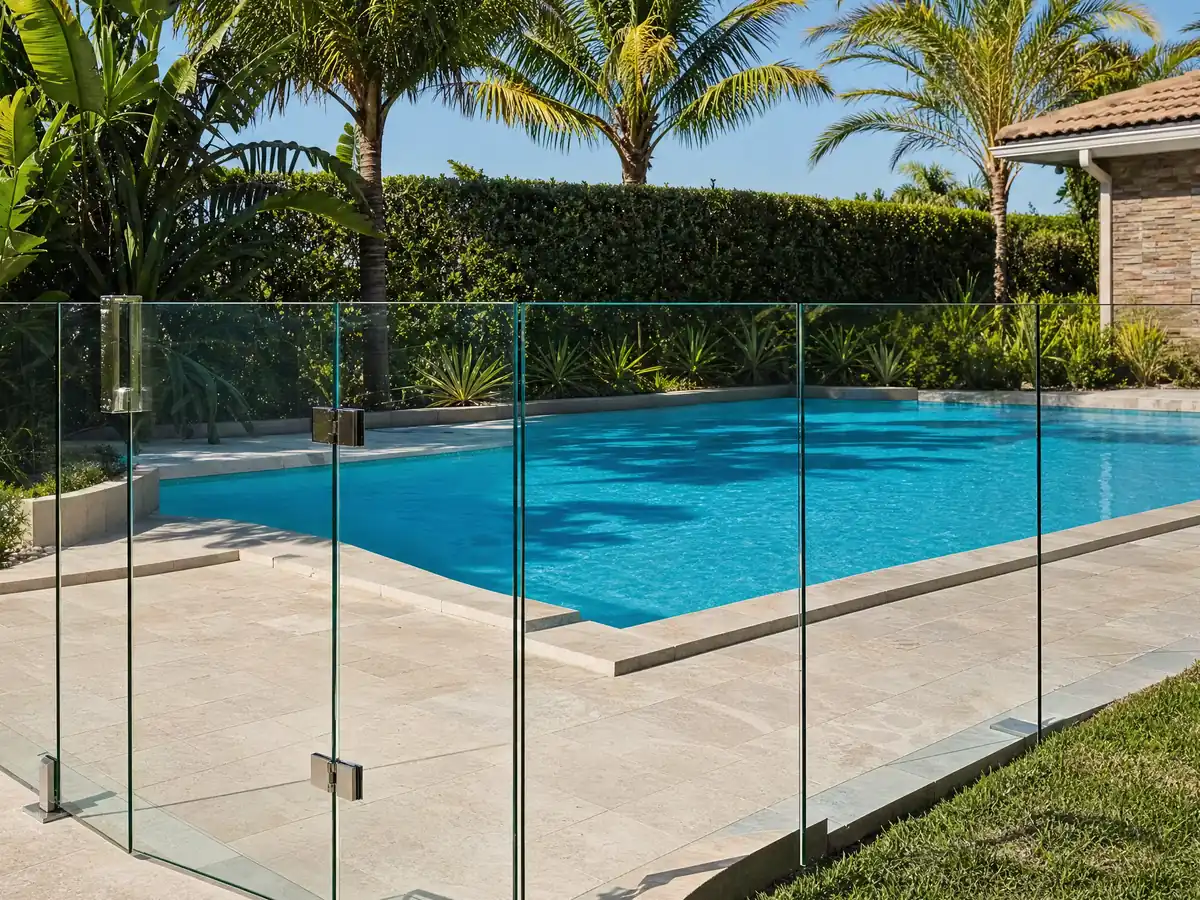
Which fence materials work in Chino, and what do termites, the Prado Basin and farm neighbors change?
Section 20.10.080(D) allows decorative masonry, ornamental steel or iron, or wood in a color or material that complements nearby buildings. Chain-link and wire mesh are prohibited where visible from a public or private street, and barbed and razor wire are prohibited unless the Director finds them necessary for safety. Vinyl is not named either way, so ask Planning before you price a vinyl front or street-side run.
Ground and weather come next. Chino's residential design table rates termite damage Very Heavy and gives a frost line depth of 12 to 24 inches, which argues for concrete footings and for keeping wood off the soil. The Housing Element places the area generally south of Pine Avenue inside the Army Corps' Prado Flood Control Basin, and our own overlay of CAL FIRE's layer, not a City map, puts the city's Moderate to Very High fire land in that same southern strip.
Farm neighbors are part of fencing here. Chapter 20.16 protects legal animal keeping and farming that existed at annexation from nuisance claims over changed conditions nearby, and buyers near them are told about odors, noise, dust and pesticide abatement. A fence will not change that, so a good fence line starts with a talk with the neighbor.
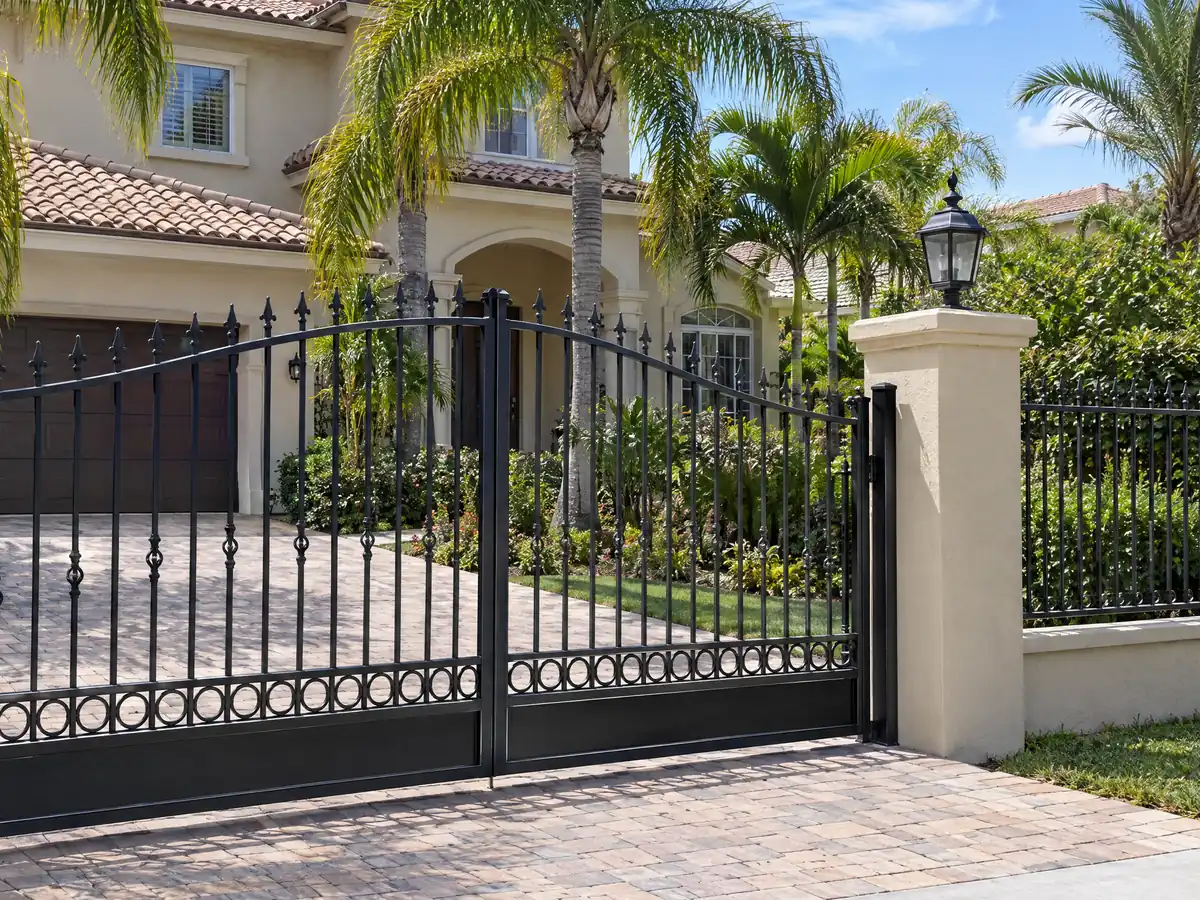
What do Chino's pool barrier rules mean for a gate or fence replacement?
A pool here is any structure holding water more than 18 inches deep, spas and hot tubs included. Municipal Code 15.04.059 to 15.04.063 require a barrier at least 60 inches high, no more than 2 inches of bottom clearance (4 inches over a solid surface) and no opening that passes a 4 inch sphere. Gates may be no wider than 4 feet, must swing away from the pool and must close and latch on their own. The barrier is installed and inspected before the pool is plastered or filled.
A house door that opens to the pool is part of the barrier. The City's Swimming Pool Barrier Standard, revised January 2022, calls for door alarms or other approved features on doors with direct pool access, and for a self-closing, self-latching garage door to the pool with the latch at least 54 inches above the threshold. Replacing a pool gate or a stretch of pool fence is therefore something we confirm with Building first, not a swap done on a weekend.
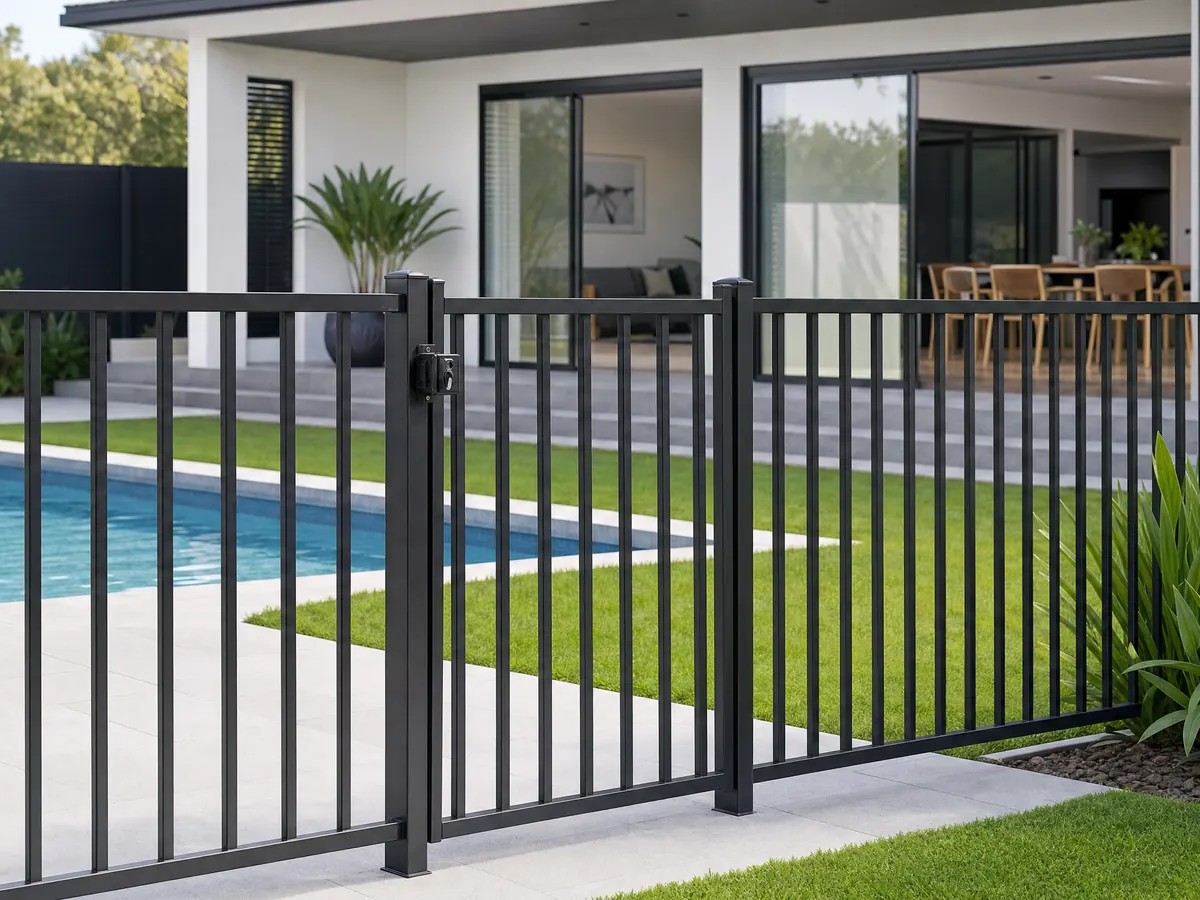
How much does fence installation cost in Chino, and who pays for a shared fence?
We found no Chino price survey, so we use Los Angeles numbers. Angi's Los Angeles guide, updated August 4, 2026, reports an average of $3,051 inside a $1,734 to $4,422 range, $15 to $60 a foot overall and $2,100 to $2,350 for 100 feet, with vinyl at $1,850 to $3,400. Its national page lists gates at $150 to $2,000 and old-fence removal at $3 to $5 a foot. For planning we use $25 to $55 a foot for wood or vinyl privacy runs and $35 to $85 for steel or ornamental iron, one of the materials Chino's code names, and about $2,500 to $5,500 for a 100 foot backyard run. No independent per-foot source for block walls turned up, so none is printed here.
California Civil Code 841 presumes neighbors share the reasonable cost of a boundary fence equally and asks an owner who plans to spend money on one to give each affected neighbor 30 days' written notice. Fence work is Contractors State License Board class C-13, and Business and Professions Code 7159 caps the down payment at $1,000 or 10 percent, whichever is less. Our license guide shows the lookup, and how general contractors use subcontractors explains who answers for what.
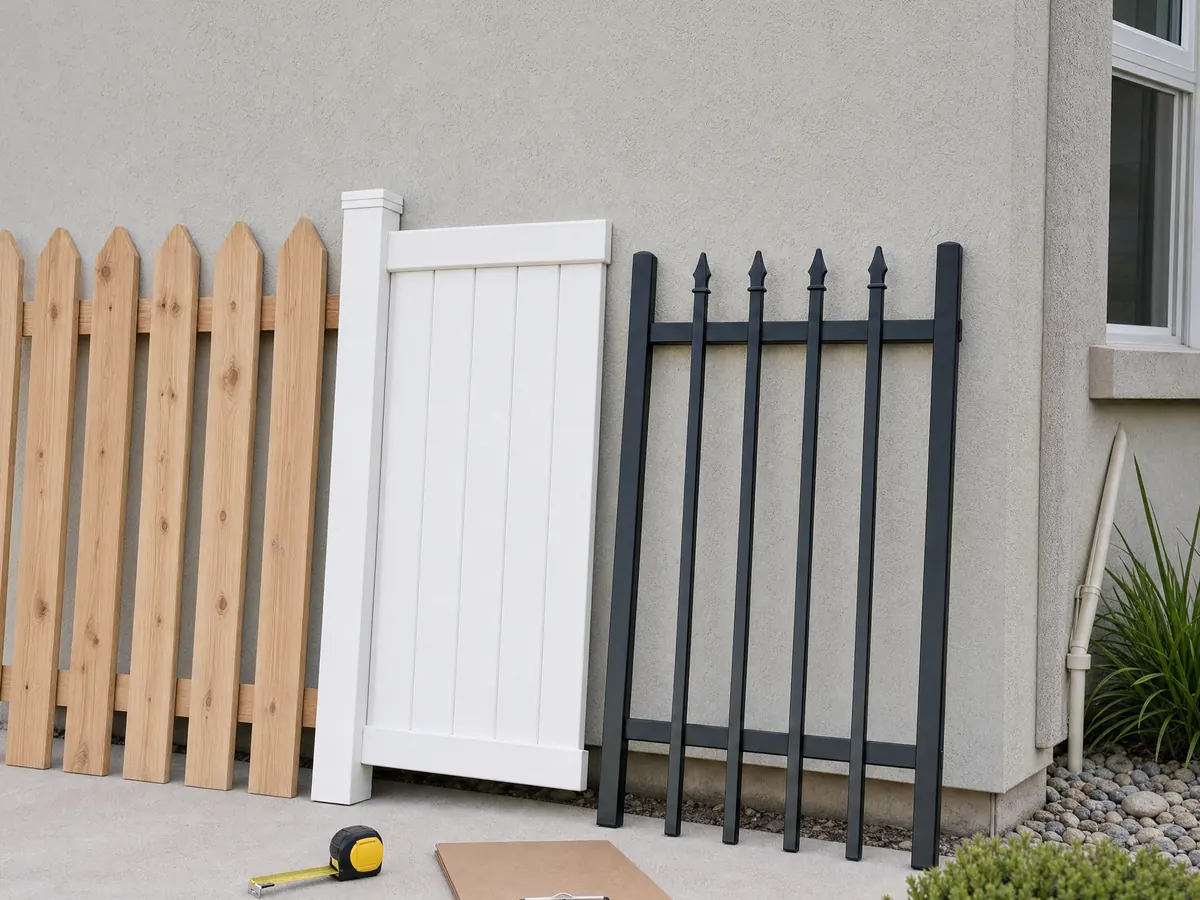
Fence photos from Chino and nearby communities
Fence scenes tied to Chino places such as Downtown Chino, Ruben S. Ayala Park, College Park and The Preserve, and to nearby communities such as Chino Hills, Eastvale, Ontario Ranch and Norco, from footings and block walls to steel gates and pool barriers.
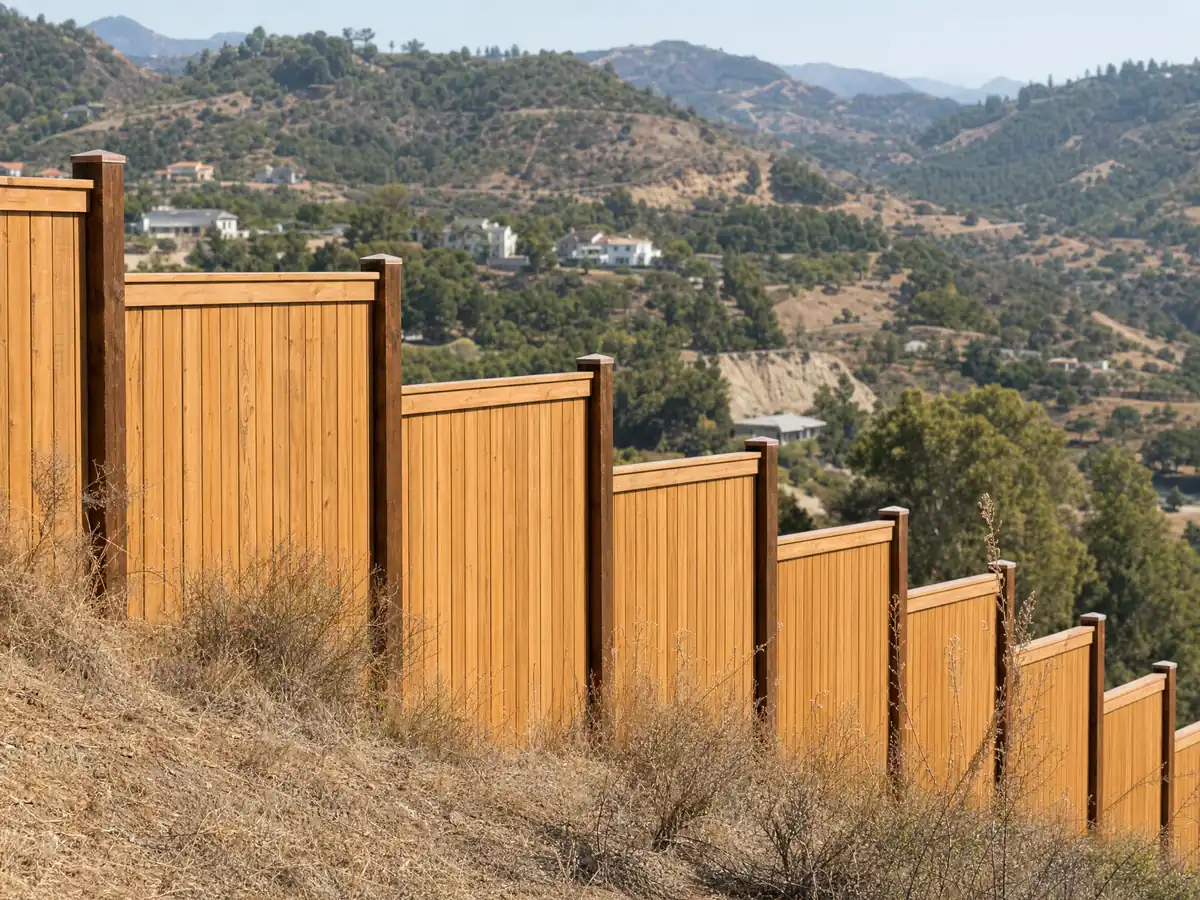
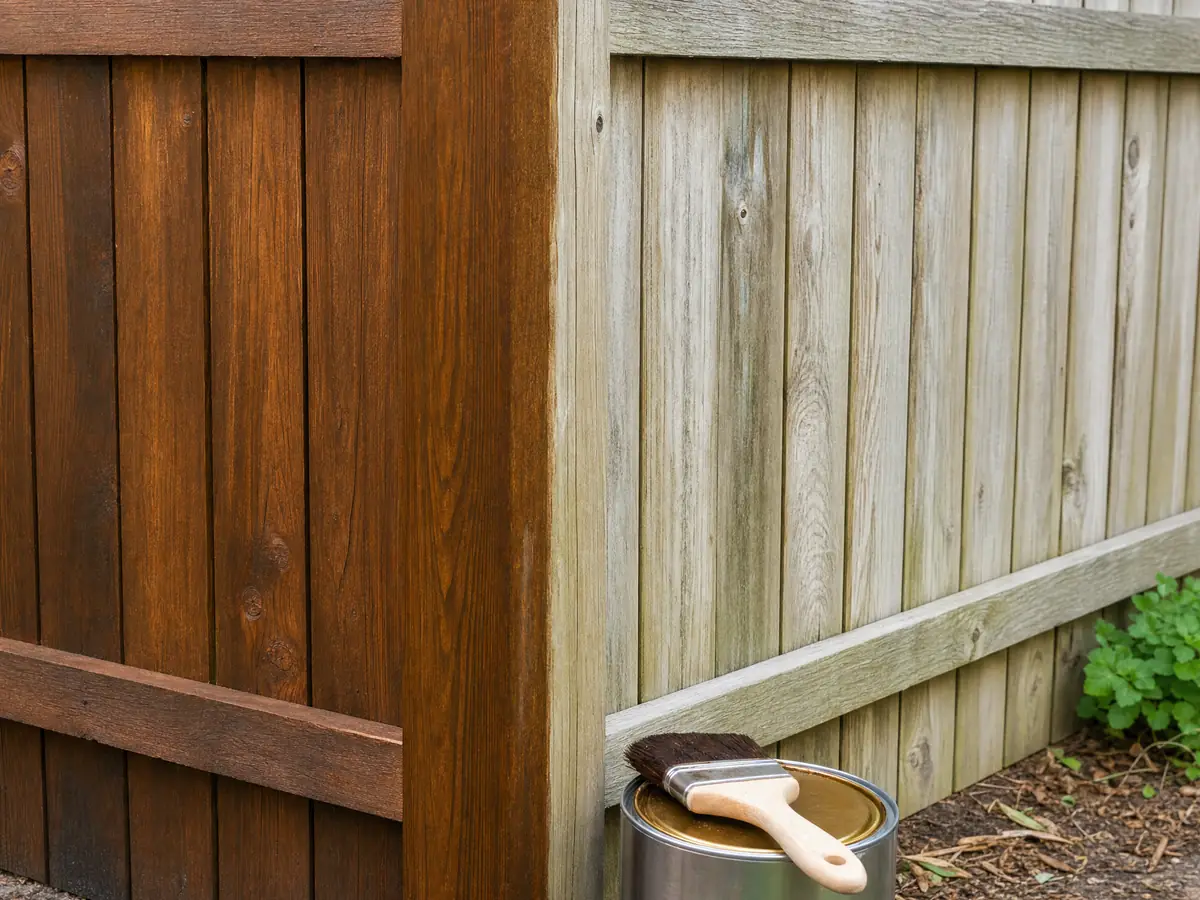
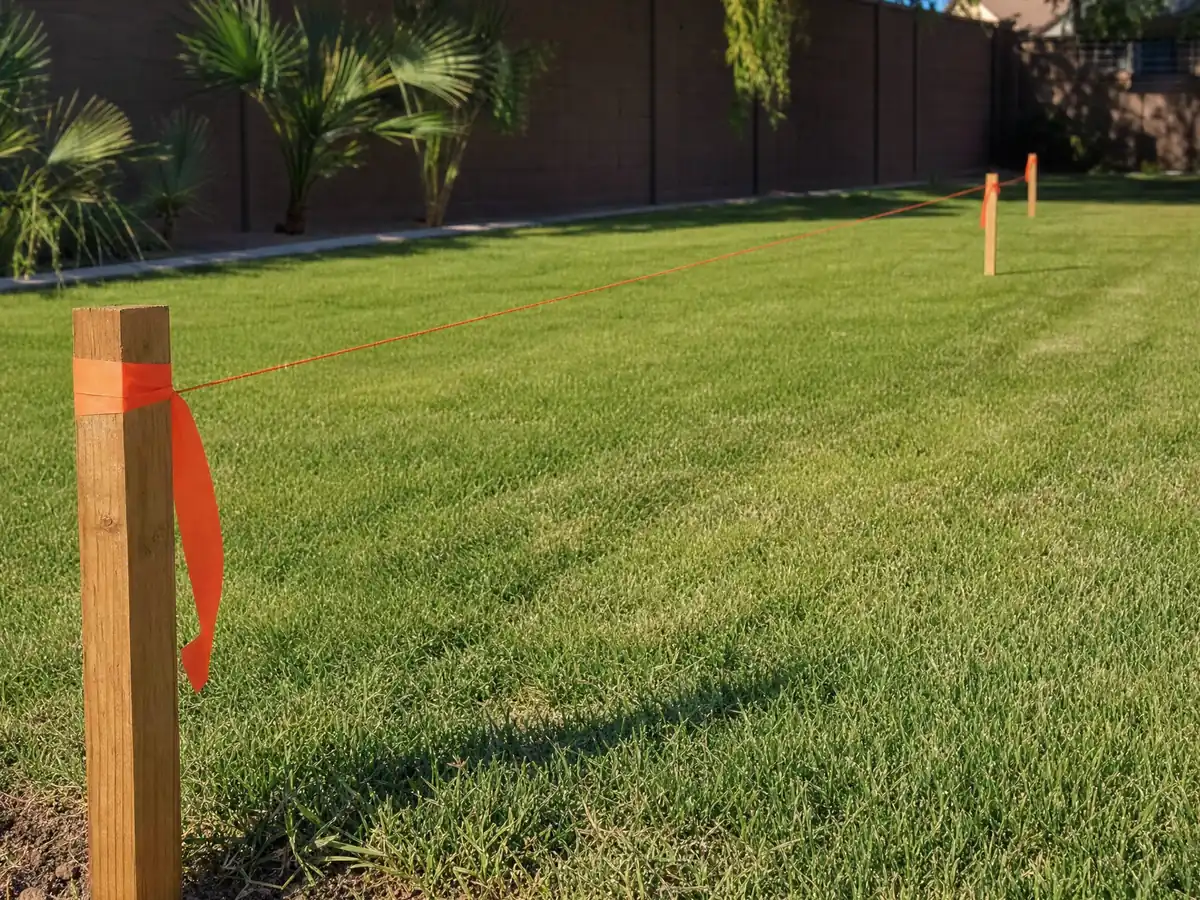
Where these Chino fence figures come from
Fence prices by material, each with its source and date, sit in the table on the fencing page beside the figures that conflict. A new fence often comes with other outside work, and the Chino rules for it are on the roofing page and the painting page. For a neighboring fence guide with its own wall rules, read the page for Pomona or Eastvale.
| What it covers | Typical range |
|---|---|
| Wood or vinyl privacy fence, 6 feet | $25 to $55 per linear foot |
| Chain-link | $12 to $30 per linear foot |
| Aluminum or ornamental iron | $35 to $85 per linear foot |
| Typical 100-foot backyard run | $2,500 to $5,500 total |
| Block walls, horizontal slat fences, gates and openers, hillside lots | Set by the written proposal |
Chino fence questions, answered
Do I need a permit to build a fence in Chino?
Often yes. The City's exempt lists cover block walls and fences under 3 feet and retaining walls under 18 inches, but a 6 foot block wall is not on them and a 6 foot wood fence is not named either way. Call the Building Division at 909-334-3251, and ask Planning about height and setbacks, which a building exemption does not waive.
How tall can a fence be in a Chino front yard?
Three feet in a required front yard, or 4 feet if the fence passes at least 90 percent of light, with masonry pilasters up to 4 feet. The 6 foot limit applies at property lines elsewhere on the lot. Which line counts as the front yard depends on your zoning district, so Planning at 909-334-3253 should confirm it.
Can I put up a 7 foot fence in Chino?
Only by permission. Six feet is the standard, and the Director of Community Development may allow more along an interior side or rear line when both neighbors agree and there is a security, noise or grade reason. Residential subdivision perimeters can reach 8 feet with extra setback for street-facing walls. Bring the neighbors' written agreement.
Do I need a permit for a block wall in Chino?
Yes above 3 feet, by the lists we read. Block walls under 3 feet and retaining walls under 18 inches are exempt, and the City's Block Wall Standard requires three inspections: foundation excavation with steel, steel and pre-grout, and a final before decorative caps. Footings on slopes need at least 5 feet to daylight.
Does Chino allow chain-link fences?
Not where they can be seen from a public or private street. Section 20.10.080(D) prohibits chain-link and wire mesh in those places and allows decorative masonry, ornamental steel or iron, or wood. A backyard run out of street view is not covered by that sentence, but ask Planning about your lot first.
What is the difference between a fence company and a masonry contractor in California?
The Contractors State License Board gives fences class C-13 and block walls class C-29, and its C-13 description excludes masonry walls. A fence with a block base can need both licenses. On our jobs, licensed subcontractors with the right class do each part, and clients can ask for each license number.
How much does fence installation cost in Chino?
We found no Chino survey. Angi's Los Angeles guide shows $15 to $60 a foot and about $2,100 to $2,350 for 100 feet, while our planning range is $25 to $55 a foot for wood or vinyl privacy runs and $35 to $85 for steel or iron. A measured written proposal, with gates and removal listed, sets the real price.
What is the good neighbor fence law in California?
California Civil Code 841 presumes adjoining owners share the reasonable cost of a boundary fence equally, and it asks an owner who plans to spend money on one to give each affected neighbor 30 days' written notice. The presumption can be rebutted, so keep quotes and the notice in writing.
What are the pool fence rules in Chino?
A pool barrier must be at least 60 inches high, with no more than 2 inches of bottom clearance and no opening that passes a 4 inch sphere. Gates are no wider than 4 feet and swing away from the pool, closing and latching on their own. The barrier is inspected before plastering or filling the pool.
How do I check a fence contractor's license in California?
Search the license number on the Contractors State License Board site, confirm the C-13 fencing class, or C-29 for block walls, is active, and match the business name to your contract. Then ask for each subcontractor's license number and certificate of insurance. Our license guide shows the steps in order.
Ask for a fence estimate in Chino
Tell us which part of Chino the lot is in, how long the run is, whether it faces a street and whether a pool or a neighbor's fence is involved. Before we call back we look up the front yard and corner rules and which inspections the wall or gate needs.