
Window Replacementin Chino, CA
Window replacement in Chino sits in a gray area: the City's exempt lists do not name windows, so ask the Building Division at 909-334-3251 whether a like-for-like swap needs one. Chino logs about 99 days a year at 90 F or higher, bedroom windows must meet the City's egress sizes, and only a southern strip is fire-mapped.
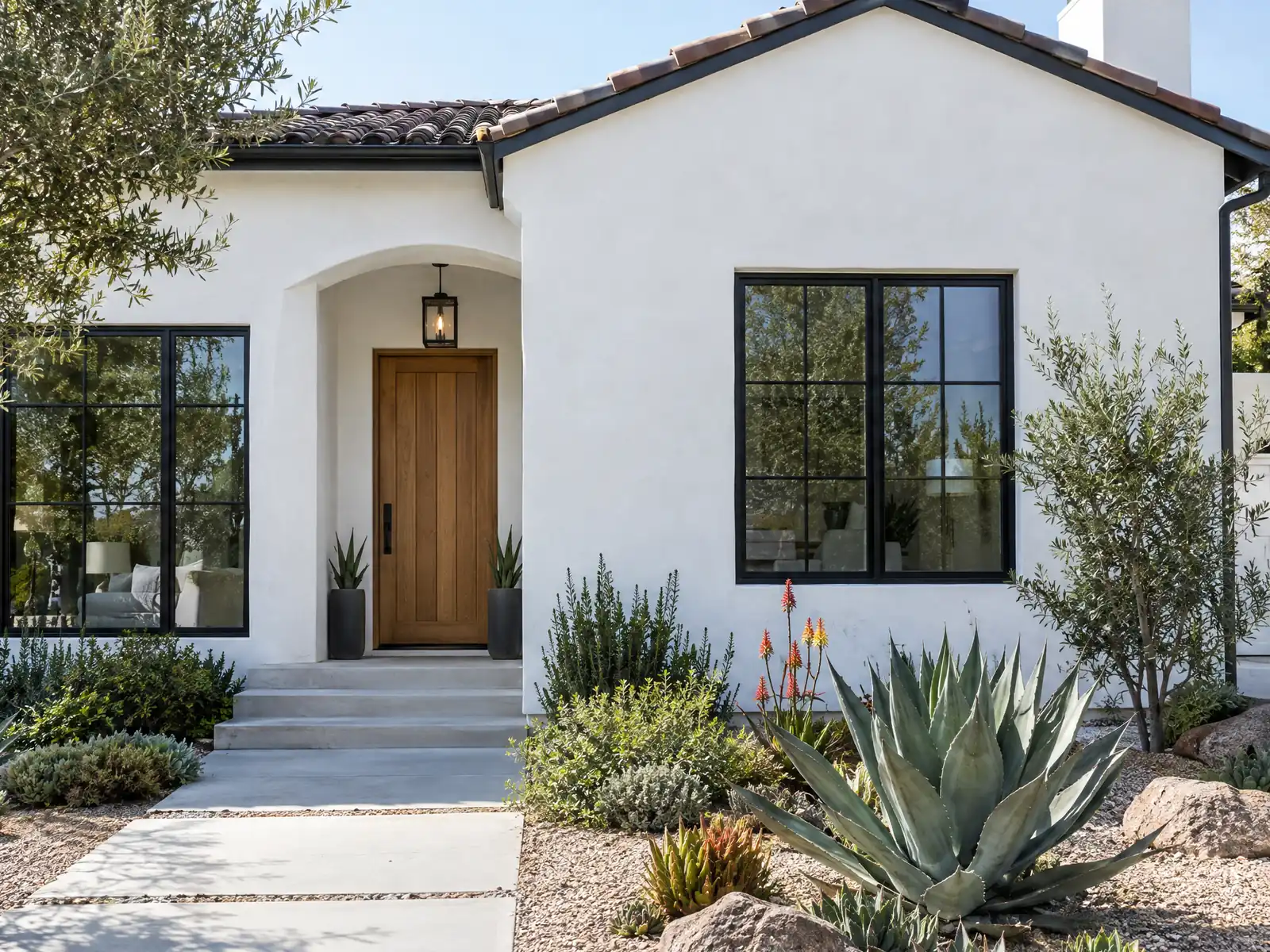
Chino's windows come from several eras. The Census Bureau's 2020 to 2024 estimate counts 28,188 homes, with a margin of error of plus or minus 624, and the median year built is 1987. About 37.6 percent, 10,608 homes, were built before 1980, 4,681 more date from the 1980s, and 1,051 have gone up since 2020. NOAA's normals for Chino Airport show 9.98 inches of rain a year, an August average high of 96.3 F, about 98.9 days a year at 90 F or higher and about 23.3 days at 100 F or higher, so glass works hard here.
This page covers the permit question, heat and wind, egress openings, security glazing and screens, older houses, the fire strip and the schedule. The City's own site answered our requests, so we read its pages and PDFs directly, but its official code copy on Municode returned a Cloudflare block we did not work around, and the code wording below is GoCodebook's third-party mirror. Confirm each point with the Building Division at 909-334-3251. Price ranges and phases are on our windows page.
City of Chino rules that apply to window replacement
Where windows permits come from in Chino: City of Chino Development Services Department, Building Division.
- Permit status: neither exemption list names window or door replacement (the only window item is awnings projecting no more than 54 inches), so ask the Building Division at 909-334-3251; the City's room addition sheet wants the window type (single, dual pane or low-e) on the plans, and glazing appears first on the City's energy upgrade form.
- Bedroom egress: the City's Egress Window Standard (1/23/2015) shows net clear opening rules for emergency escape windows (sill no higher than 44 inches, at least 24 inches high and 20 inches wide, 5.7 square feet of net clear opening, with 5 square feet allowed at grade floor) and lists minimum nominal sizes for casement, hung and slider windows unless manufacturer data is supplied, and puts the owner on the hook to verify installed windows meet the minimum.
- Security glazing: for new buildings and structural additions, exterior doors with glazing within 40 inches of a lock must use rated burglary-resistant glazing or a double-cylinder deadbolt (15.48.070), and the garage-to-house door must be solid core at least 1-3/8 inches thick with a one-inch deadbolt.
- Broken windows, doors and vents that make a building unusable or an attractive nuisance are declared nuisances under 8.50.040(B), and the City's amended IPMC requires 16-mesh insect screens on openings used for ventilation (15.12.062).
Do you need a permit to replace windows in Chino? What the exempt lists leave out
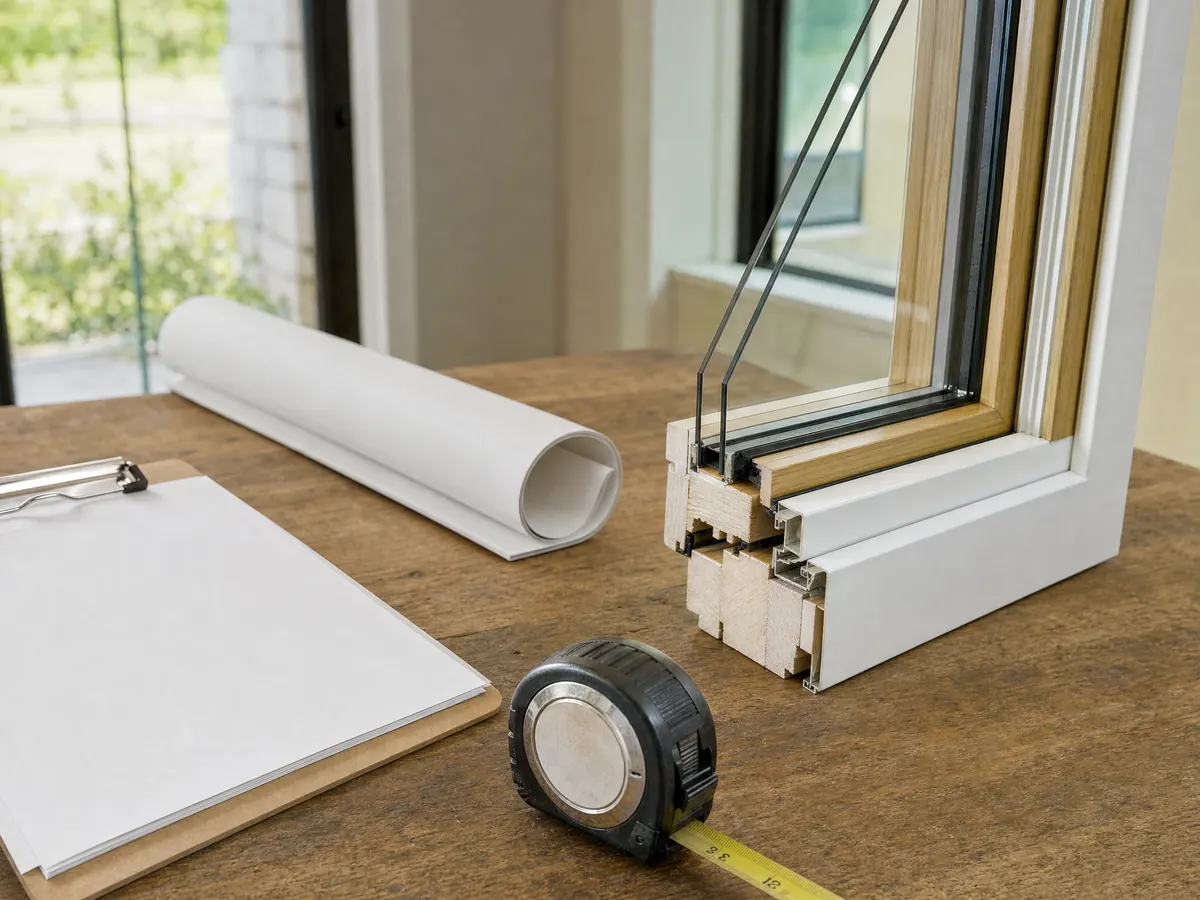
We could not confirm it, and the City's text does not settle it. The exempt-work lists in Sections 15.04.180 and 15.06.030 name painting, tiling, cabinets, awnings projecting no more than 54 inches and similar items, but neither list names window or door replacement. Those sections add that separate plumbing, electrical or mechanical permits may still apply and that an exemption never excuses other violations. The City's FAQ says almost all work needs a permit and tells owners to call 909-334-3251 to learn whether a job is exempt, so call with your window count, the sizes and whether any opening changes.
Two City documents hint at what the counter looks for. The room addition sheet wants the window type, single pane, dual pane or low-e, shown on the plans, and the Energy Efficiency for Existing Buildings form lists glazing first among the upgrades that count toward the $65,000 energy set-aside. Fees run by valuation under the schedule effective July 1, 2026, and an extra plan review is listed at $168.
Whether a like-for-like window swap needs a permit in Chino is unverified. The code wording was read on GoCodebook's mirror, last updated October 4, 2026, so get the answer from the Building Division in writing.
How hot does Chino get, and what should replacement windows be built to handle?
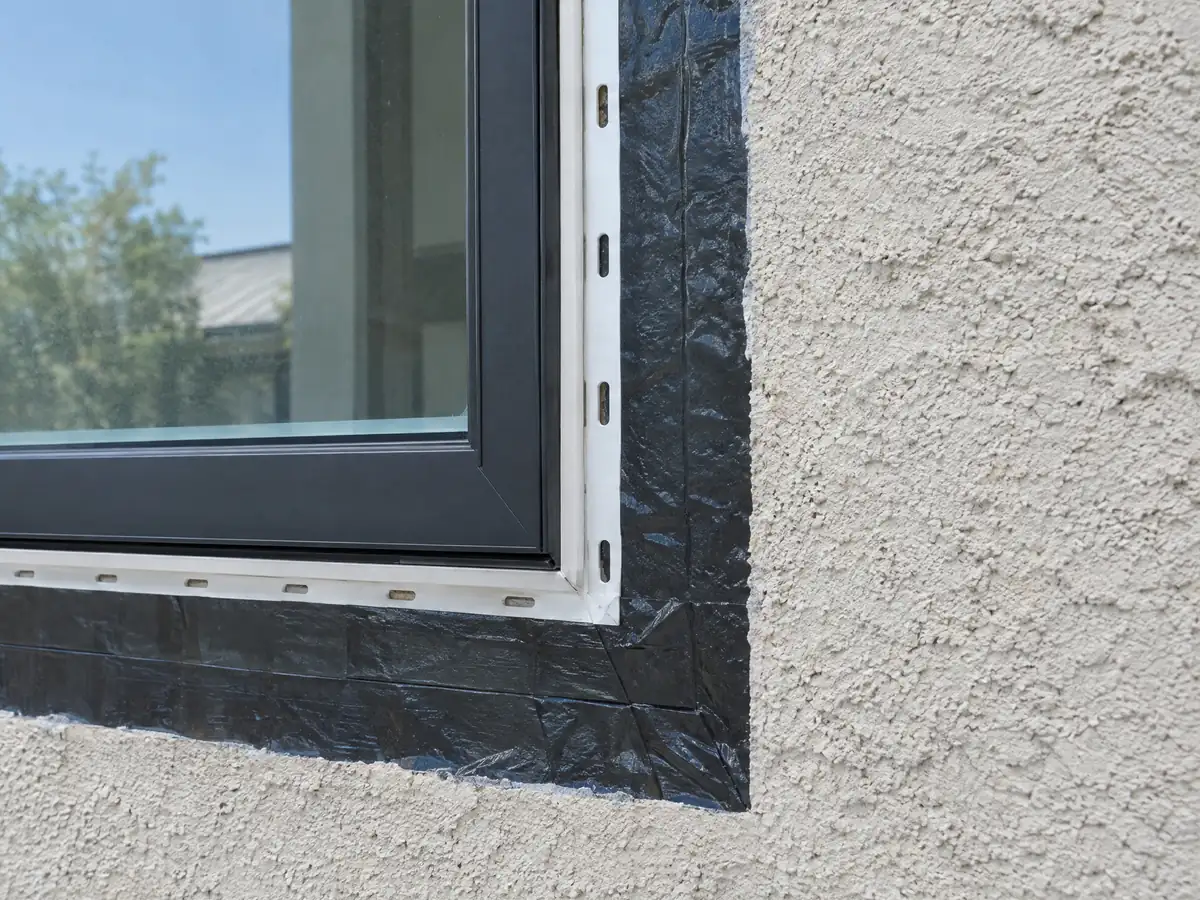
Heat and sun come first, wind second. Besides the 98.9 days at 90 F or higher, about 11.4 nights a year fall to 32 F or lower, and rain comes mostly from December through March, 7.97 of the 9.98 inches. The City's design values list Climate Zone 10, a 110 mph basic wind speed with Exposure C and 3.0 inches of rain per hour, and its code findings cite Santa Ana wind gusts of 90 miles per hour. Ask bidders to show the frame, glass package and anchor schedule they would use for those conditions, not only a price per opening.
Three ratings help you compare quotes. U-factor measures how fast heat passes through the window, solar heat gain coefficient measures how much sun heat gets through, and an NFRC label shows the numbers were tested and certified. We did not read the adopted Title 24 Part 6 table for Climate Zone 10 and local handouts disagree, so we print no values: ask each bidder for the label numbers and the requirement they are meeting. The federal 25C window tax credit does not apply to property placed in service after December 31, 2025, though older web pages still advertise it.
What size must a Chino bedroom window be, and what changes if the opening grows?
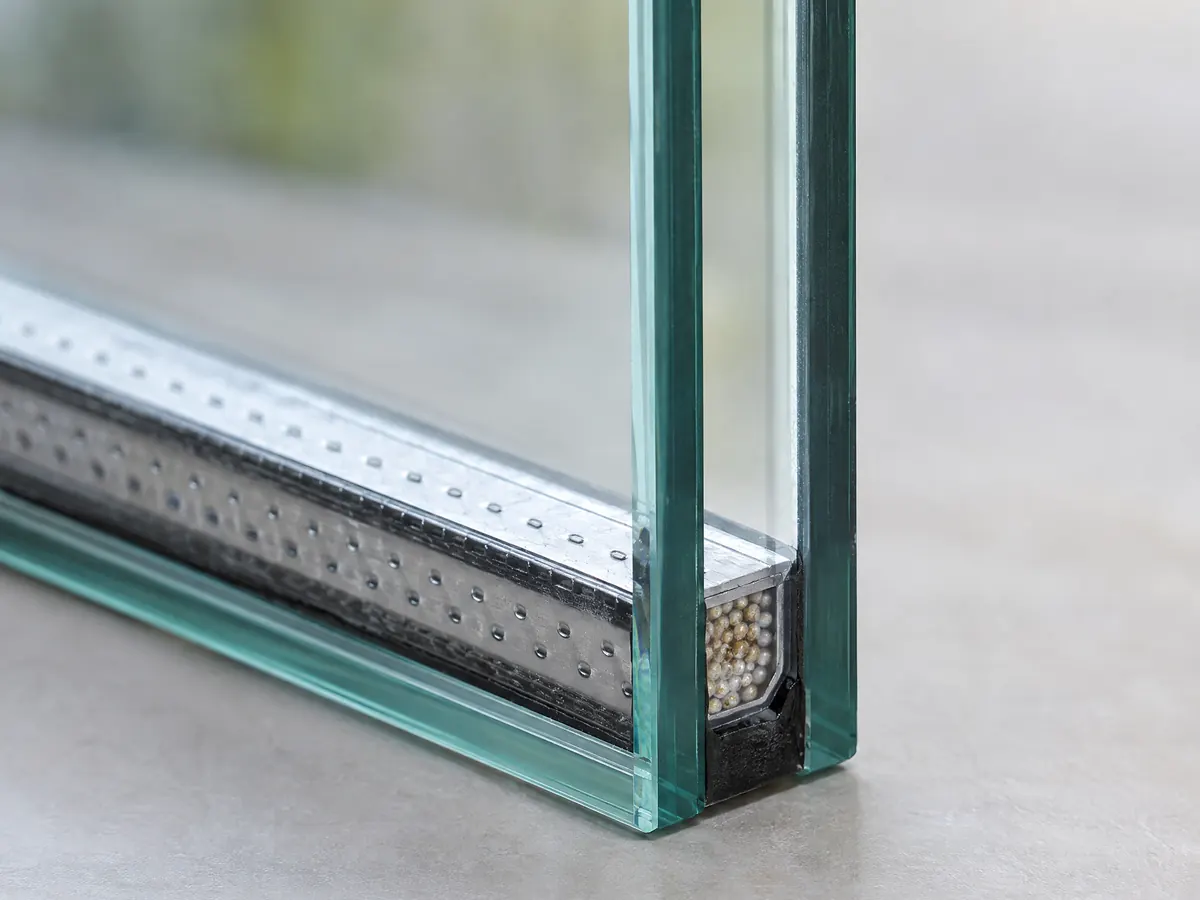
The City's Egress Window Standard, dated January 23, 2015, sets the numbers. An emergency escape window needs a sill no higher than 44 inches above the floor, a clear opening at least 24 inches high and 20 inches wide, and 5.7 square feet of net clear opening, with 5 square feet allowed at grade floor. The standard lists minimum nominal sizes for casement, hung and slider windows unless the manufacturer supplies data, and it puts the burden on the owner to verify that installed windows meet the minimum.
That matters for replacement windows, because a smaller insert in an old bedroom opening can drop below the egress size, and the net clear opening is always smaller than the frame. A wider or taller opening, or a new one, is a different job with a header and framing, so expect plans and ask the counter. The sizes above are the City's published standard, not our reading of the code, and we did not read the code section it implements.

What do Chino's security glazing and screen rules mean for sliding doors and window swaps?
For new buildings and structural additions, Section 15.48.070 requires rated burglary-resistant glazing, or a double-cylinder deadbolt, on exterior doors with glass within 40 inches of the lock, and the door between garage and house must be solid core at least 1-3/8 inches thick with a one-inch deadbolt. The security chapter applies when permits are issued for new buildings or structural additions, so we do not read it as reaching a plain replacement, but a new sliding door in an addition is covered. Ask the Building Division which line your job falls on.
The City's amended property maintenance code requires 16-mesh insect screens on openings used for ventilation (Section 15.12.062), so a window swap should include them. Section 8.50.040 lists broken windows, doors and vents among declared nuisances and also flags peeling paint over 10 percent of trim or fascia, or over 5 percent of one wall plane, and bare material visible from the street, so new windows should not leave raw trim behind.
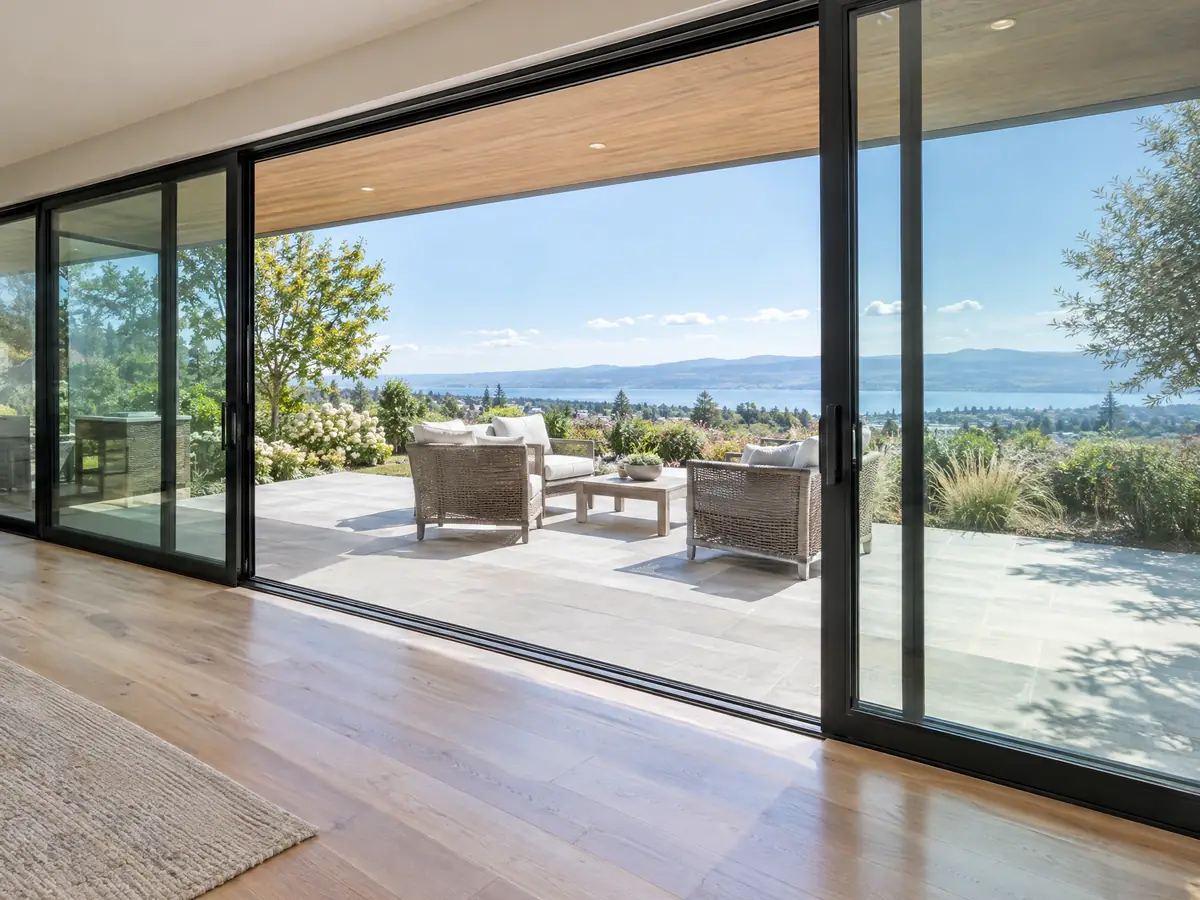
What should owners of 1970s and 1980s Chino houses know before replacing old windows?
The biggest block of Chino homes, 5,970, dates from the 1970s, and 2,272 more are from the 1960s, 1,403 from the 1950s, 502 from the 1940s and 461 from 1939 or earlier. The City's Housing Element says the earliest housing served the farm, airport and institution economy and sits north of Schaefer Avenue, where much of it is several decades old. The census table cannot separate 1978 from 1979, so we cannot count homes built before 1978, but the EPA's lead-safe renovation rule applies to paid work in pre-1978 homes, so a contractor should ask the year before cutting out old frames.
The style of replacement is the other choice. An insert goes inside the old frame and leaves stucco and trim alone, while a full-frame replacement removes the old frame and means patching stucco and trim, which is when painting and the City's peeling-trim rule come into play. Neither is better everywhere. We found no historic district in Chino's zoning code, only the Downtown Overlay's compatibility rules for residential lots, so no preservation review step turned up for window work.

Is your Chino house in a fire hazard zone, and does that change a window?
For most Chino homes, no zone applies. The Chino Valley Independent Fire District adopted CAL FIRE's recommended zones in Ordinance 2025-01, effective September 1, 2025, and we computed our own overlay from CAL FIRE's State layer on the city boundary: about 2.00 square miles Very High, 0.29 High and 0.50 Moderate out of 30.0, all in a southern strip on the Prado Basin side. This is our overlay, not an official City map. City Hall, downtown, College Park, Chino Airport and The Preserve test as not wildland, while the Yorba-Slaughter Adobe point tests Very High.
Very High zone owners must keep defensible space, and new construction or additions there must meet WUI building standards under the 2025 WUI Code the City adopted in Chapter 15.31. We found no text saying whether a window-only replacement triggers them, so ask the District at 909-902-5280 option 2 before you order glass, and look up your parcel on its hazard map page. For comparison, Los Angeles's fire-zone checklist asks for multilayered glazing with at least one tempered pane, glass block or 20-minute rated glazing, and Chino's adopted text may differ.
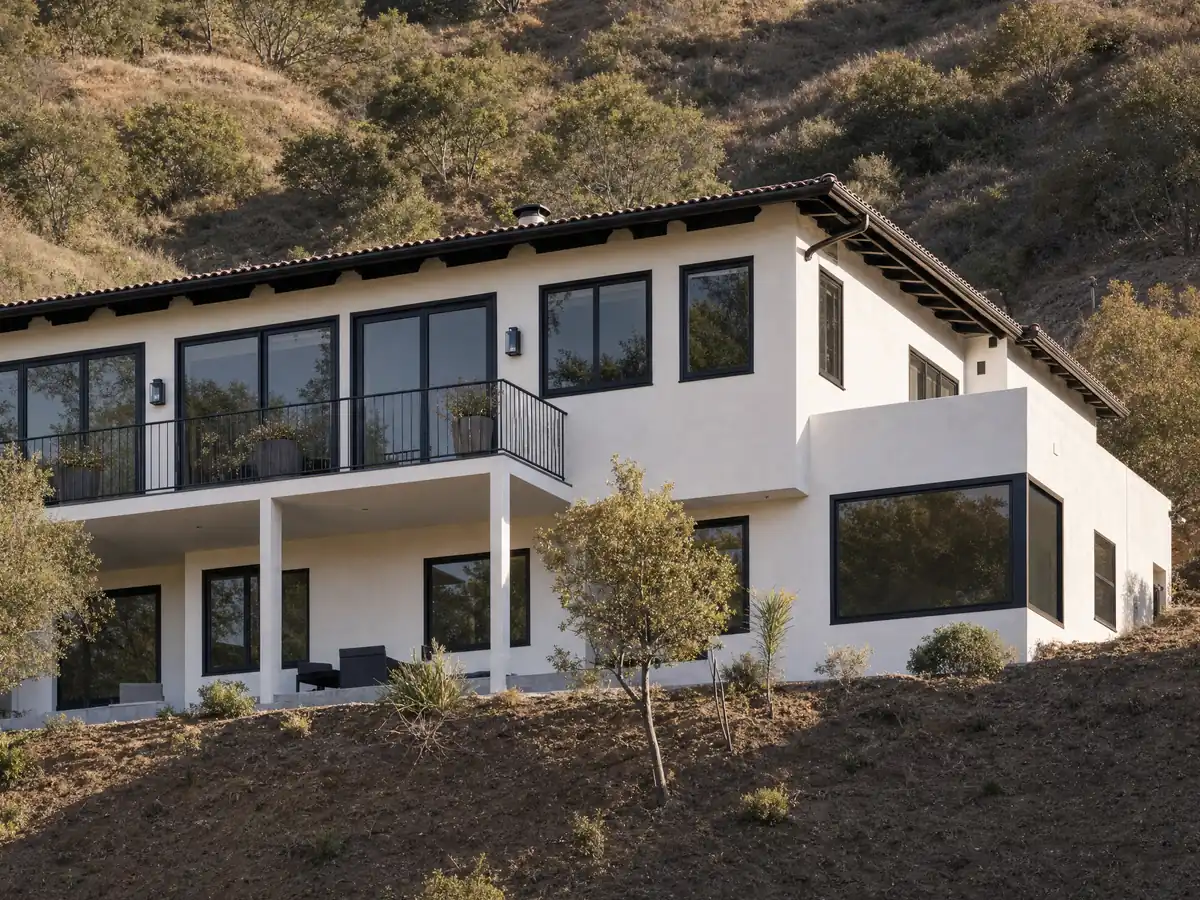
How long does window replacement take in Chino, and who does the work?
We found no published lead time, and lead times vary by manufacturer and glass package, so ask each bidder for one in writing before you sign. A whole house of windows often takes a few days to install once the units arrive, which is our planning estimate, not a City figure. Section 15.44.030 allows work from 7:00 a.m. to 8:00 p.m. Monday through Saturday, and if a permit is required, the City's older FAQ says it expires 180 days after issuance or after work stops.
California's CSLB glazing class, C-17, covers installing glass and glazed doors, but its text does not say windows, and we could not confirm which classifications may legally perform a full replacement. MDG Builders, CSLB #1040337, is the general contractor on a window job: it measures, orders, pulls any permit and schedules the work, and a licensed subcontractor does the installation, so ask for that subcontractor's license number and certificate of insurance.
State law also requires a written contract over $500 and caps a down payment at $1,000 or 10 percent of the price, whichever is less.
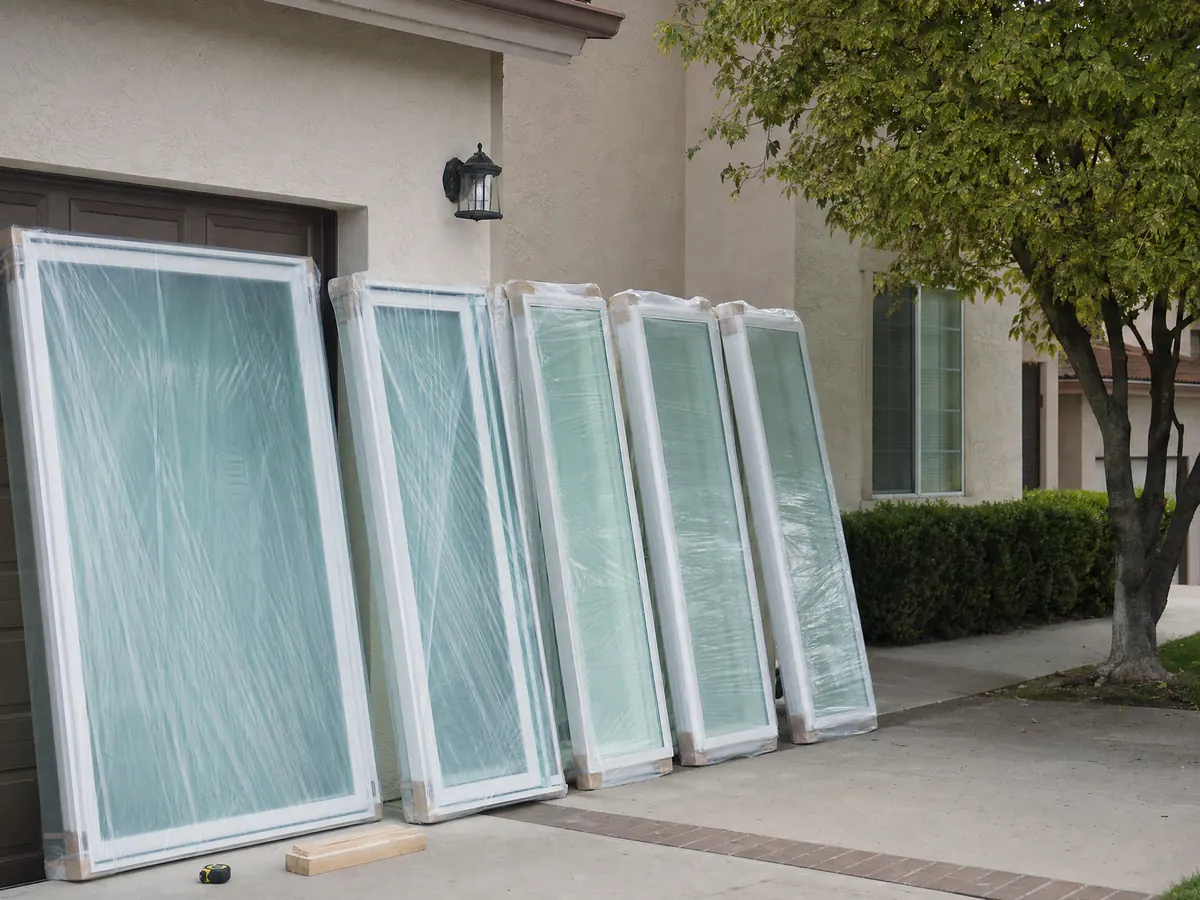
Window photos from Chino and nearby homes
Window scenes tied to Chino and the Inland Empire cities around it, from flashing and delivery staging to bedroom, patio door and fire-strip glass in houses of the 1970s boom. Tap a photo to enlarge it.
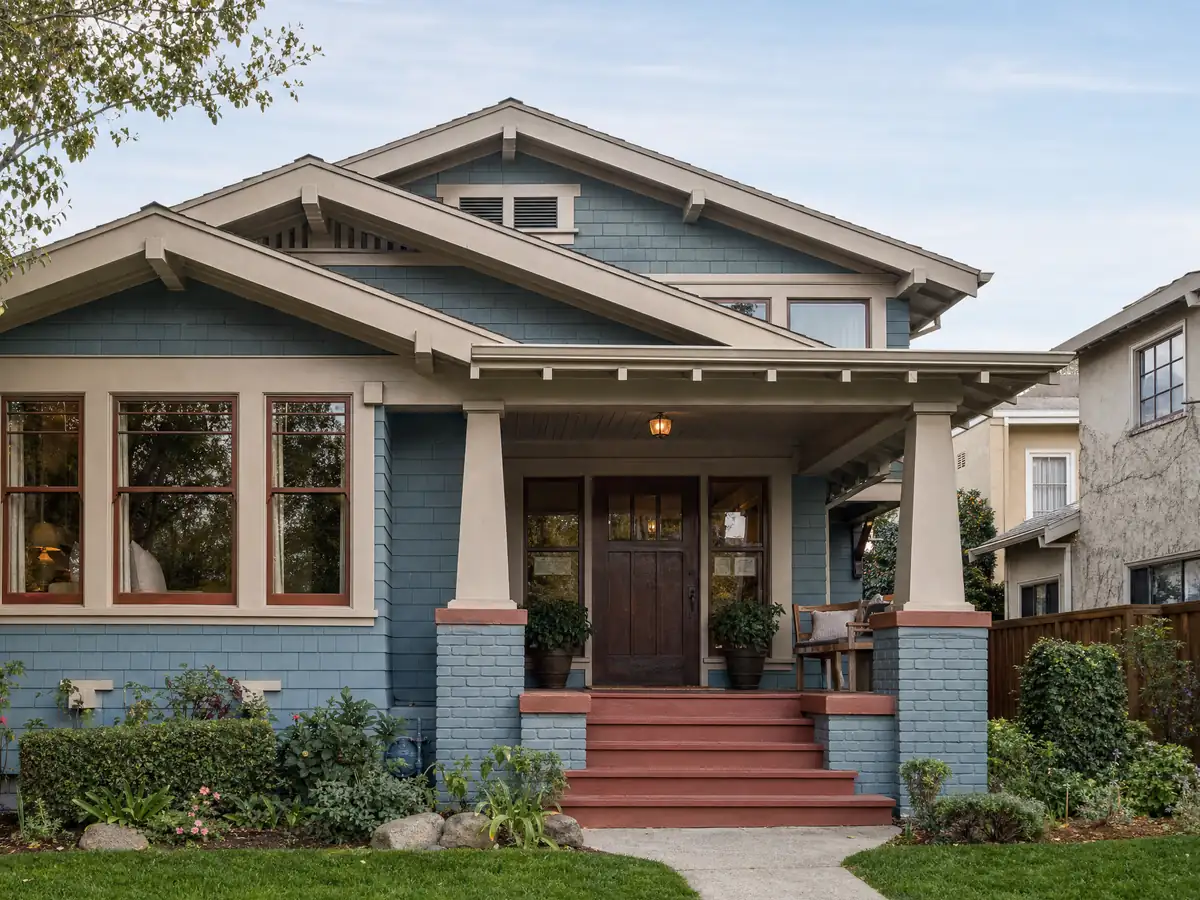
What windows costs around Chino
On our windows page, vinyl replacement runs roughly $550 to $1,200 per installed window, which makes a whole house of 10 to 15 windows about $14,000 to $28,000, and wood and fiberglass cost more. Three Los Angeles sources overlap. Remodeling magazine's 2025 Cost vs. Value report prices a vinyl job at $23,783, with 83.2 percent recovered at resale, and wood at $27,913, Angi's July 2026 page averages $19,356 with tempered glass adding $200 to $700 per window, and ConsumerAffairs lists per-window ranges without a stated method. None is a Chino bid. Stucco patching, a wider opening for egress, tempered panes or a new sliding door can raise a quote, and permit charges, if any, belong on their own line. Our license check guide and subcontractor guide give you questions for each bidder. Windows in nearby cities are on our Ontario, Pomona, Eastvale and Norco pages. A bath window is on the Chino bathroom page, glass for a new wing on the Chino room addition page, windows for a backyard unit on the Chino ADU page, and the Chino area page lists every trade we cover in the city.
| What it covers | Typical range |
|---|---|
| Vinyl window, installed, each | $550 to $1,150 |
| Wood or fiberglass window, installed, each | $950 to $2,400 |
| Whole house, 10 to 15 windows | $14,000 to $28,000 |
| Glass options, per window | Double-pane $500 to $2,000. low-E $300 to $1,100. tempered $200 to $700. |
| Remodeling Cost vs. Value 2025, Los Angeles | Vinyl $23,783. wood $27,913. |
| New or enlarged egress opening | $3,200 to $6,500 |
Chino window questions, answered
Do I need a permit to replace windows?
We could not confirm it for Chino. The City's exempt lists do not name window or door replacement, so ask the Building Division at 909-334-3251 with your window count and sizes. A permit is likelier if an opening gets bigger, smaller or new, or if the work is part of a larger alteration.
How much does it cost to replace windows in California?
Plan roughly $550 to $1,200 per installed vinyl window, or about $14,000 to $28,000 for a whole house of 10 to 15 windows, with wood and fiberglass costing more. Those figures lean on Los Angeles sources, so a Chino site visit and a written proposal set the real price.
How long does it take for new windows to be installed?
A whole house often takes a few days once the units arrive, but we found no published lead time, and it varies by manufacturer and glass. Ask each bidder for a written lead time. Work hours in Chino are 7:00 a.m. to 8:00 p.m. Monday through Saturday.
Are double pane windows required in California?
Often. California's energy code sets performance values for replacement windows, and Los Angeles's Express Permit list cites NFRC-labeled dual glazing for residential change-outs. We did not read the adopted table for Chino's Climate Zone 10, so ask each bidder which requirement their product meets.
What size egress window is required?
The City's Egress Window Standard sets a sill no higher than 44 inches, a clear opening at least 24 inches high and 20 inches wide, and 5.7 square feet of net clear opening, with 5 square feet allowed at grade floor. The owner must verify that installed windows meet the minimum.
Is replacing home windows worth it?
Often for comfort and appearance, less so as a pure investment. Remodeling magazine's 2025 Cost vs. Value report says a Los Angeles vinyl window job recovers 83.2 percent of its cost at resale and wood 81.9 percent. Those are regional figures, not Chino sales, and we print no energy savings because we found no sourced local number.
What do U-factor and SHGC ratings mean?
U-factor measures how fast heat flows through a window, so lower holds in heat or cool better, and solar heat gain coefficient measures how much sun heat passes through, so lower blocks more. An NFRC label shows both were tested and certified. Ask each bidder for the label values for your climate zone.
What are replacement windows, and how do inserts differ from full-frame units?
Replacement windows are new units that go into an existing opening. An insert fits inside the old frame and leaves stucco and trim in place, while a full-frame replacement removes the old frame, which means patching stucco and trim. The right choice depends on the frame's condition and the opening size.
Do I need special fire-resistant windows if I live in a fire hazard zone?
Only a southern strip of Chino on the Prado Basin side is mapped Moderate, High or Very High in our overlay of CAL FIRE's layer, and new construction or additions in a Very High zone must meet WUI standards. Ask the Fire District whether a replacement-only job triggers them, and check your parcel on its map.
Tell us about your Chino windows
Tell us the street or tract, the decade the house went up, how many windows and doors you want to change, whether any bedroom opening needs to grow, and whether you are near the Prado Basin, and the first visit will start from the permit question and the egress sizes.