
House Paintingin Chino, CA
House painting in Chino needs no building permit, because the City's exempt-work lists name painting outright. The rules that do apply are a nuisance code for peeling trim and walls, the federal lead-safe rule for paid work on pre-1978 homes, South Coast Rule 1113 on coatings and construction hours of 7 a.m. to 8 p.m. Monday to Saturday.
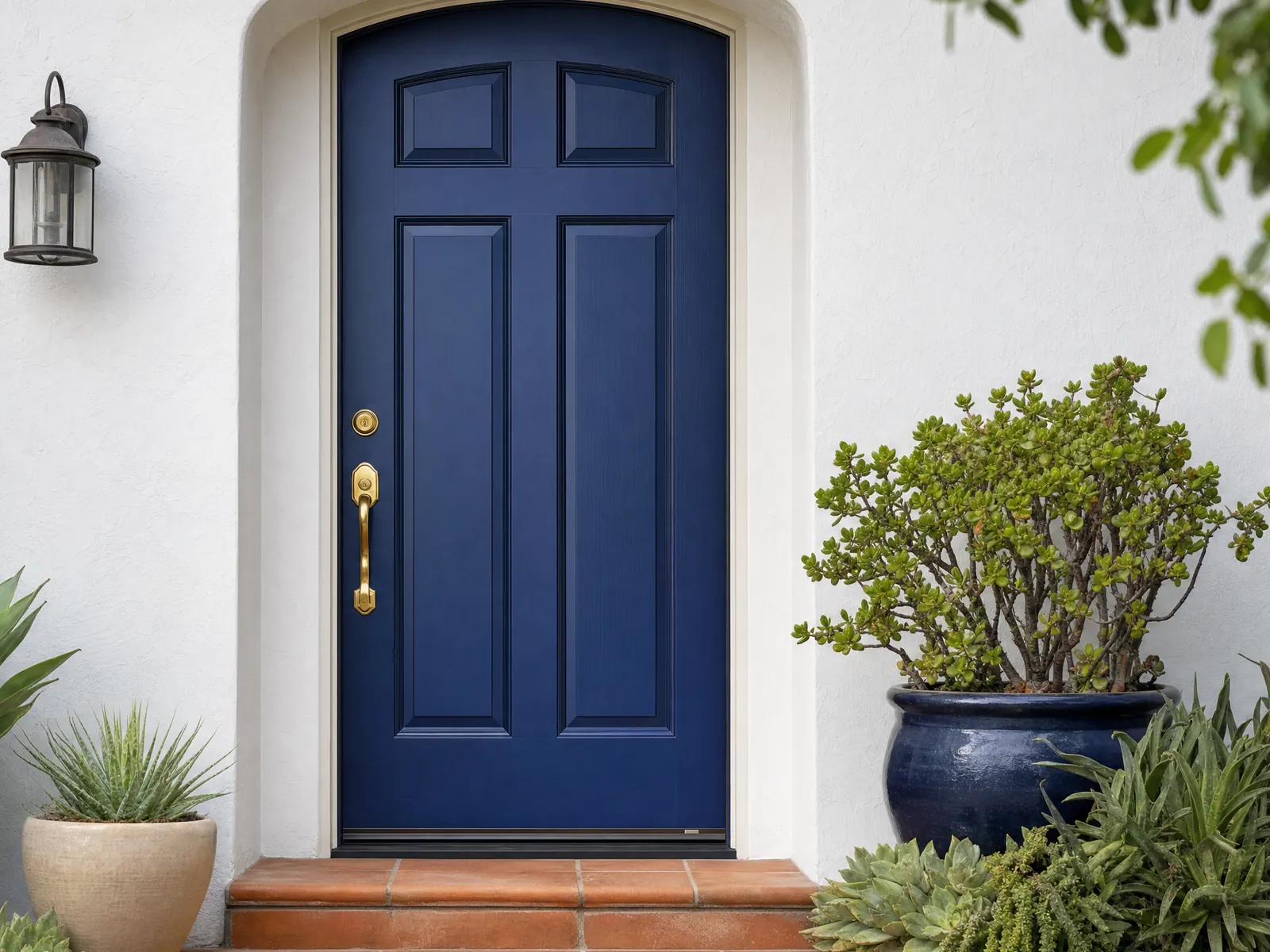
Painting in Chino starts with the age of the house. Census Bureau ACS 2024 five-year estimates count 28,188 homes, and 10,608 of them (37.6 percent) went up before 1980, including 5,970 from the 1970s alone, the city's biggest building decade. The median build year is 1987. The City's Housing Element ties the early housing north of Schaefer Avenue to farms, dairies, Chino Airport and the California Institution for Men, and says the stock doubled in the 1970s as the SR 60 location pulled in buyers from the coastal counties. About 36.0 percent of occupied homes are rented in the five-year file (28.3 percent in the one-year file), so plenty of repainting is a landlord's job, and the median owner-occupied home is worth $683,400.
For painting, MDG Builders (CSLB #1040337) acts as the general contractor: we scope the prep, check which permits a job might need and sequence the work, while a licensed C-33 painting subcontractor does the preparation and the coating. Our painting page has the sourced prices, the Chino overview lists every trade we manage here, and the painting guides for Ontario and Eastvale show how neighbors handle coatings and lead. Permit questions go to the City's Building Division. Municode's own copy of the code returned a block page to our researcher, so the sections below are read from GoCodebook, a third-party mirror last updated October 4, 2026; confirm each with the City.
What Chino's exempt-work list, nuisance code and air district rules say about paint
Where painting permits come from in Chino: City of Chino Development Services Department, Building Division.
- Permit exemption: painting, papering, tiling, carpeting, cabinets, counter tops and similar finish work need no building permit (15.04.180 and 15.06.030), though separate plumbing, electrical or mechanical permits may still apply, and the Building Division FAQ lists painting among examples of exempt work.
- Peeling and bare surfaces are code violations: Municipal Code 8.50.040(B) makes it a nuisance to leave any portion of a building unpainted or untreated so raw material is exposed and visible from a street or alley, or to leave chipped or peeling paint, damaged stucco, brick or wood over 10 percent of trim, fascia, rafters or gutters or over 5 percent of wall surface on any single plane, and graffiti may not stay more than 72 hours.
- Coatings in this air district: SCAQMD Rule 1113 (header amended February 5, 2016) sets VOC limits by coating category in its Table of Standards 1, including nonflat coatings at 50 grams per liter as read from the extracted PDF table, with separate rows for roof coatings, stains, waterproofing sealers, wood coatings and floor coatings; contractors should confirm the current limit for the specific product category.
- Color and compatibility: roof material color must suit the neighborhood (20.17.040), 8.50.040(B) flags additions or changes not compatible with the existing structure or substantially dissimilar to surrounding property, and HOA tracts have City-reviewed CC&Rs that specify architectural design standards (20.21.420), so confirm tract rules before repainting the exterior.
- Hours and dust: exterior painting, scraping and pressure washing fall under the 7 a.m. to 8 p.m. Monday to Saturday construction hours (15.44.030), and washing down hard surfaces such as driveways and patios is restricted by the permanent water conservation measures (13.05.060).
Do I need a permit to paint a house in Chino, inside or out?
No building permit is needed for painting itself. Chino's exemption lists in Municipal Code 15.04.180 and 15.06.030 name painting, papering, tiling, carpeting, cabinets, counter tops and similar finish work, and the Building Division's FAQ gives painting as an example of exempt work. Separate plumbing, electrical or mechanical permits can still apply if a job opens walls, and an exemption never allows work that breaks another City rule. We could not read the 1997 Uniform Administrative Code the City keeps, so a repair that goes beyond paint, such as stucco or structural patching, is a question for the counter at 909-334-3251.
Two other rules shape a paint job even without a permit. The construction hours in Section 15.44.030, 7:00 a.m. to 8:00 p.m. Monday through Saturday, cover scraping, sanding and pressure washing as well as painting. The permanent water conservation measures in Section 13.05.060 bar washing down driveways, patios and other hard surfaces except to remove a safety or sanitary hazard, so a prep wash needs a rinse plan that does not rely on hosing the driveway.
Ask the painter how the crew will handle rinse water on prep days.
How much peeling paint can a Chino house have before the City calls it a nuisance?
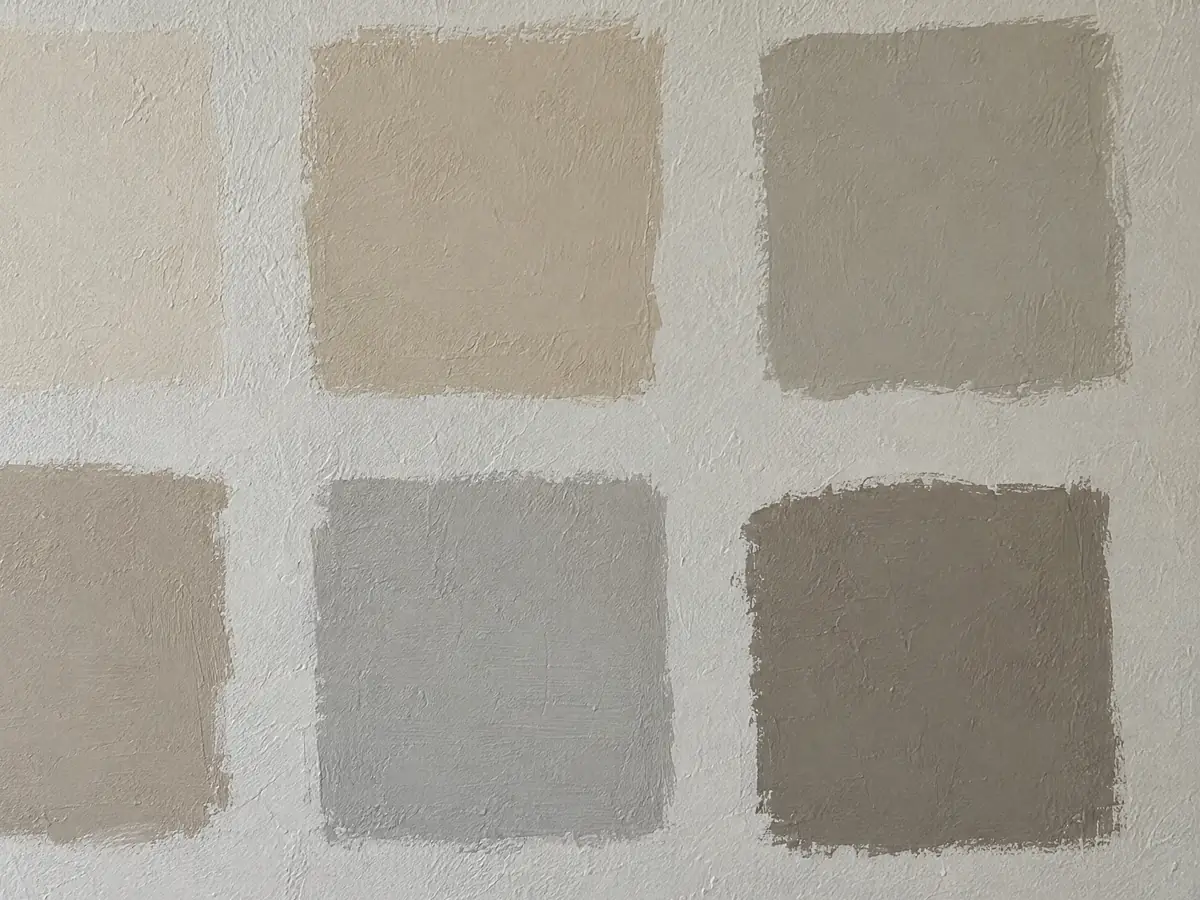
Not much. Municipal Code 8.50.040(B) names chipped or peeling paint, or damaged stucco, brick or wood, as a nuisance when it covers more than 10 percent of the trim, fascia, rafters or gutters, or more than 5 percent of the wall surface on any single plane. It also lists leaving any part of a building unpainted or untreated so raw material shows from a street or alley, and graffiti left up more than 72 hours. As we read it, a plane is one face of the house, so a sun-baked west wall can cross 5 percent while the rest of the house looks fine.
The same section reaches changes that clash. Additions or changes that are not compatible with the existing structure, or that are substantially dissimilar to surrounding property, are listed too, so a color far from the neighbors' is worth running past the City. We found no count of repainting notices, so we do not guess at one. Ask the painter to photograph each trouble spot before the first coat and to price rotted trim repair apart from paint.
Does the EPA lead rule apply to my Chino house, and where do the 1970s homes fall?
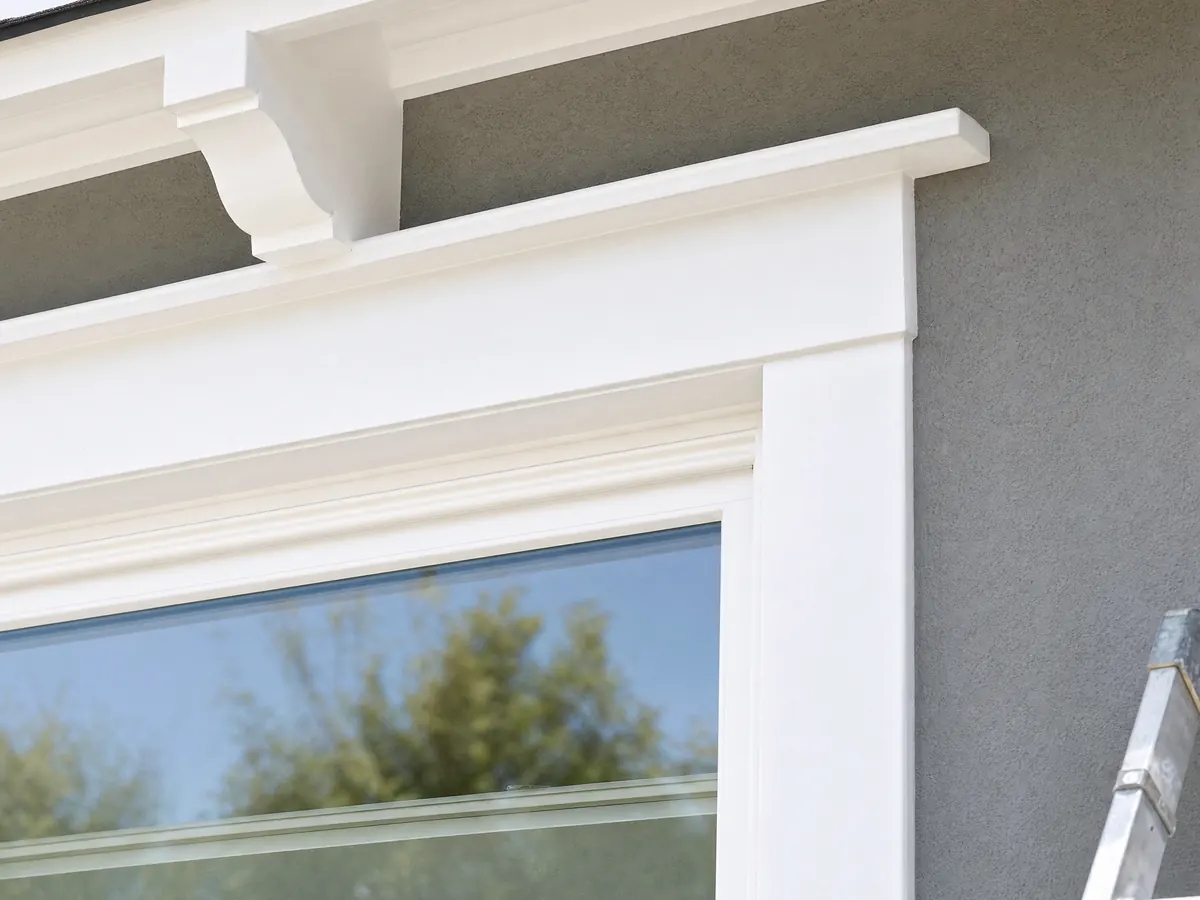
It applies to paid work in homes built before 1978. The EPA's Renovation, Repair and Painting rule, 40 CFR Part 745 Subpart E, requires firms that disturb painted surfaces in those homes to be lead-safe certified, and EPA says that covers every firm, sole proprietors included. EPA administers the program in California because the State is not on its authorized-state list. Minor repair and maintenance, at 6 square feet or less of painted surface per room inside or 20 square feet or less outside, with no window replacement, falls outside the full rule, and jobs in the same room within 30 days count together.
Chino's 1970s block makes the cutoff matter. The ACS table counts 5,970 homes from that decade but cannot split 1978 from 1979, so we print no pre-1978 count, and a house from the late 1970s needs a lead check, not an assumption. Open-flame burning, high-speed sanding without a shroud and HEPA vacuum, and heat guns at 1,100 degrees F or more are prohibited practices under the rule. A certified inspector's written determination, or a certified renovator's negative test on each component, can take a job out of it.
Ask the painter for the EPA firm certification number before any scraping starts.
What prep does a 1970s Chino house need compared with a newer stucco tract home?
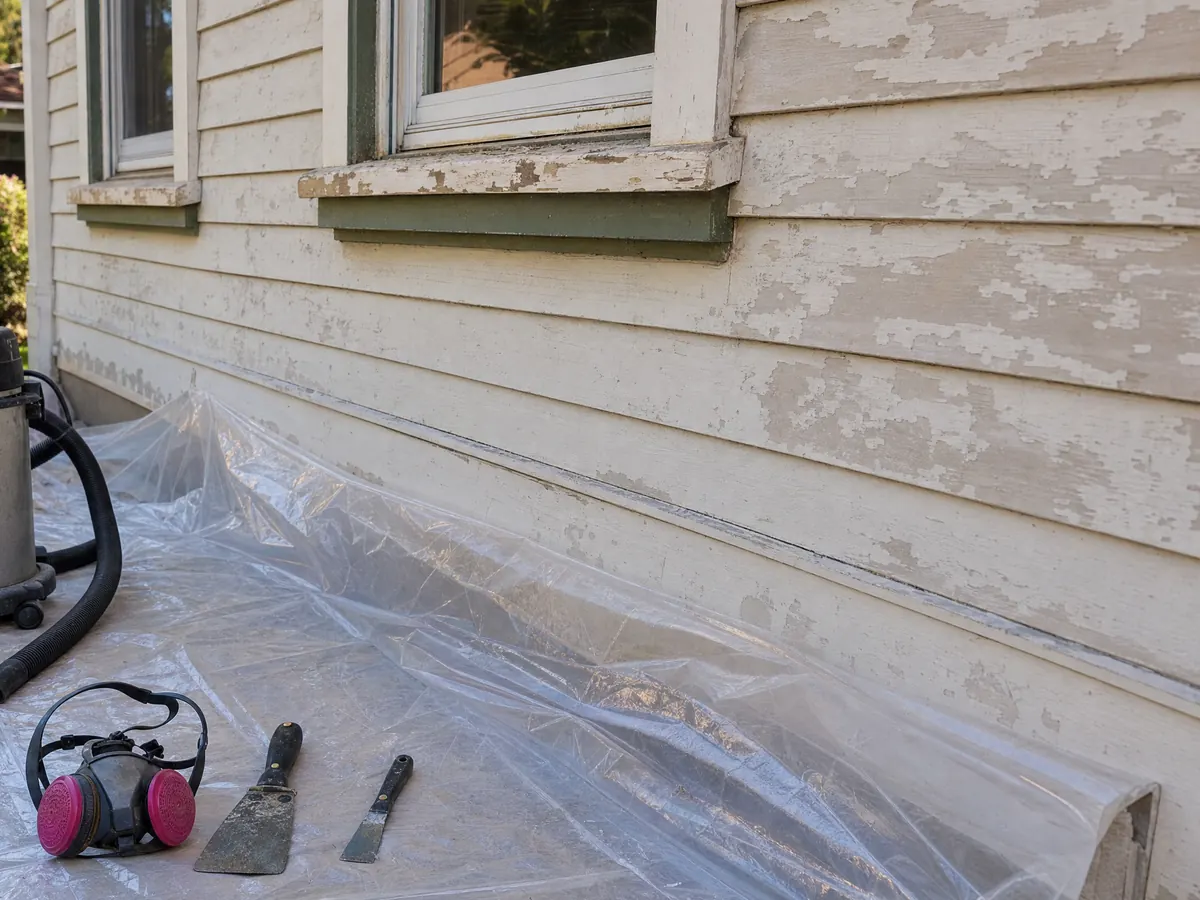
The decade of the house sets the prep. A 1970s house has had more years of weather on its caulk joints and wood trim, and Angi's Los Angeles interior guide adds $0.50 to $0.75 a square foot for older homes. The ACS count shows 4,681 homes from the 1980s, 2,099 from the 1990s, 4,824 from the 2000s and 4,925 from the 2010s. We found no Chino source on wall materials by decade, so we do not say which tract has stucco; look at the walls and ask the painter to name what is on them.
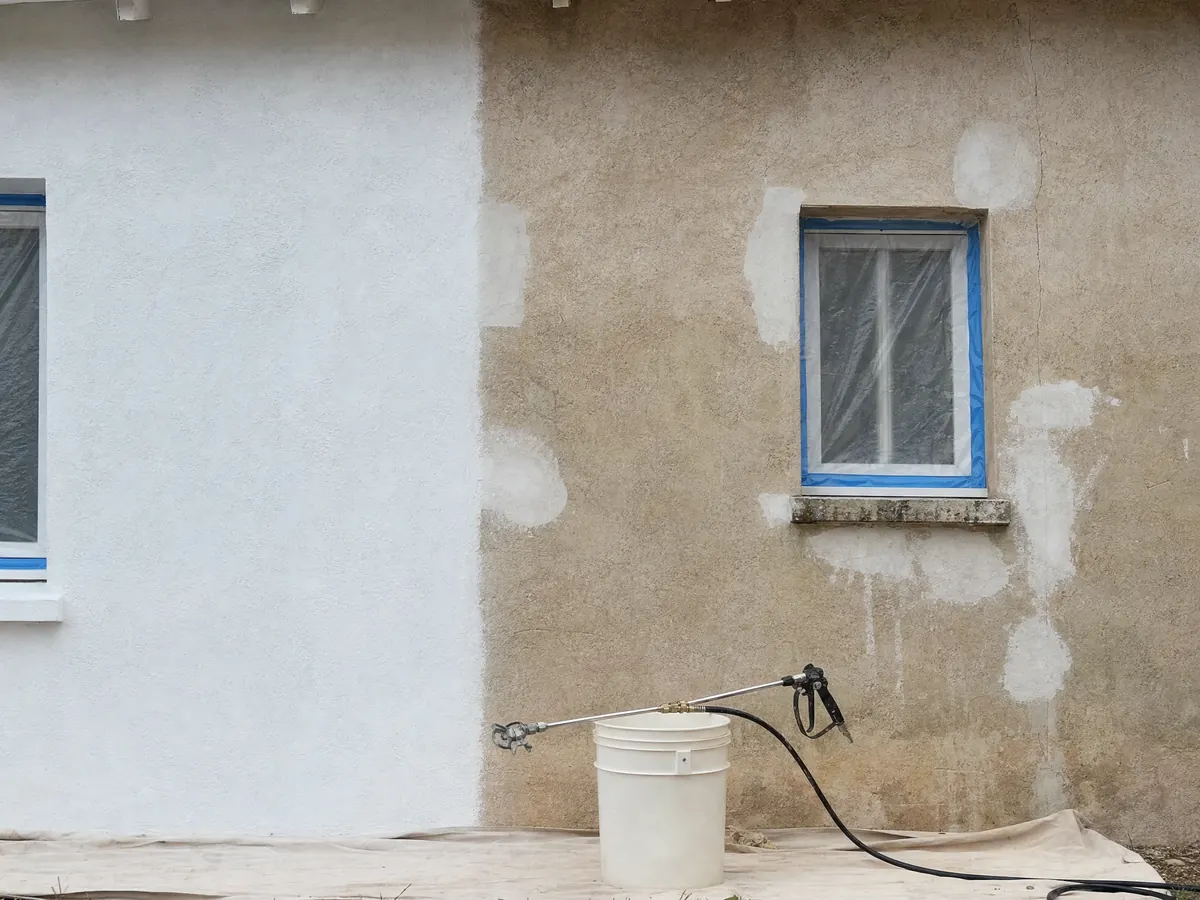
Heat is the other prep driver. Chino Airport's NOAA normals show August highs near 96.3 F, about 98.9 days a year at 90 F or higher and about 23.3 at 100 F or higher, with 9.98 inches of rain a year and almost none in July and August. Angi's Los Angeles exterior guide notes UV fading and extra prep for stucco. Cracked stucco gets repaired before paint, and stucco work is Contractors State License Board class C-35, not C-33, so the repair and the coating can be two subcontractors.
What does South Coast Rule 1113 mean for a painting company working in Chino?
Chino sits inside the South Coast Air Quality Management District. Its Rule 1113 on architectural coatings, with a header amended February 5, 2016, applies to anyone who applies or stores coatings at a worksite in the District. The rule sets volatile organic compound limits by coating category, with separate rows for nonflat paints, primers and sealers, roof coatings, waterproofing sealers, wood coatings and floor coatings. The limits sit in a table that came through our PDF reader garbled, so we print no numbers, and amendments after that header date may exist that we did not check.
The practical step is a document, not a guess: ask the painting company for the product data sheet and the VOC figure for each coat, then compare it with the District's current table. A roof coating or a floor coating sits in its own category, so wall paint limits do not decide it. The City's air quality checklist tells businesses that applying paints or adhesives means contacting SCAQMD at 800-388-2121 before an occupancy permit, which is a business rule rather than a homeowner one.
Do HOAs, the Downtown Overlay or a historic review control my Chino paint colors?
We found no historic district or preservation chapter in Chino's zoning code, which mentions historic districts only as an exception in the ADU parking rule, so repainting an old house is not a City historic review as far as the code we read shows. We did not read the General Plan, and a policy there is not ruled out. Downtown Chino, around Central Avenue and Riverside Drive, sits in the Downtown Overlay, which sets its own lot, setback and compatibility rules for residential lots; it names no paint colors in what we read.
HOAs are the likelier gatekeeper. Section 20.21.420 requires an association and City-reviewed covenants for new common interest subdivisions, and those covenants set architectural standards, so a tract home may need color approval before the first coat. We found no count of Chino homes in HOAs. Roof tile color is a separate matter: Section 20.17.040 says a replacement roof color must suit the neighborhood. Keep any approval letter with the contract.
Ask your HOA, in writing, whether it reviews exterior colors and trim.
What should a painting company's quote cost in Chino, and what should it list?
We found no Chino price survey, so these are Los Angeles numbers. Angi's guide to painting a Los Angeles exterior, updated November 13, 2025, reports an average of $4,692 inside a $2,947 to $6,484 range, or $2.20 to $5.90 per square foot of home, with about half again as much for each added story. Angi's interior guide, updated August 4, 2026, gives $2 to $6 per square foot of floor area, $0.50 to $0.75 extra for older homes and $20 to $40 more per gallon for stain-blocking primer, and Thumbtack's Los Angeles interior page, updated May 18, 2026, shows $579 to $2,287. We plan on roughly $2,900 to $6,500 for a typical house exterior and state interior work per square foot of floor area.
Compare quotes by unit, because HomeGuide counts paintable surface while Angi counts floor area. Ask each painter to list the surfaces, the prep, the number of coats, the primer and the product line, and to price rotted trim repair as its own line. Painting is Contractors State License Board class C-33, and Business and Professions Code 7159 caps a down payment at $1,000 or 10 percent, whichever is less. Our license guide shows how to verify the license, and how general contractors use subcontractors explains who is on site.
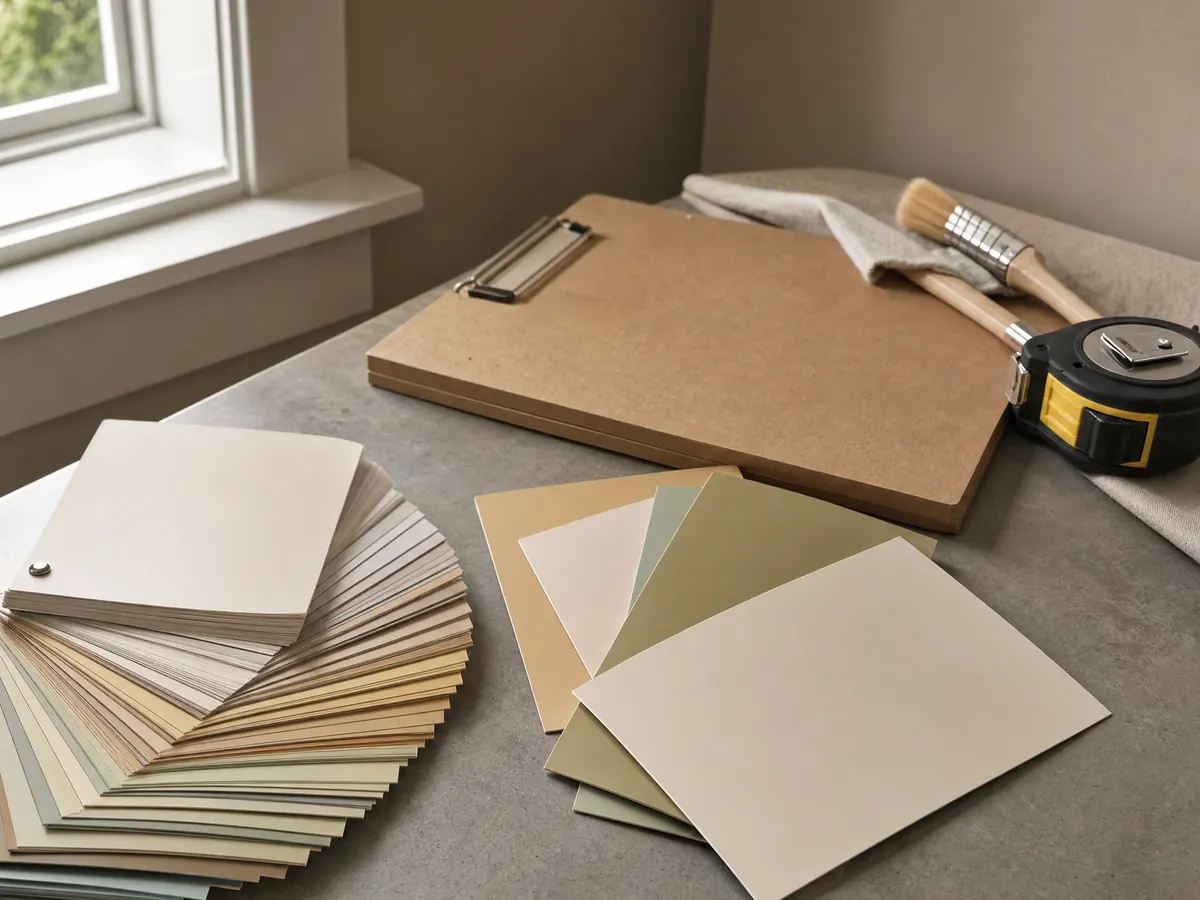
Painting photos from Chino and nearby communities
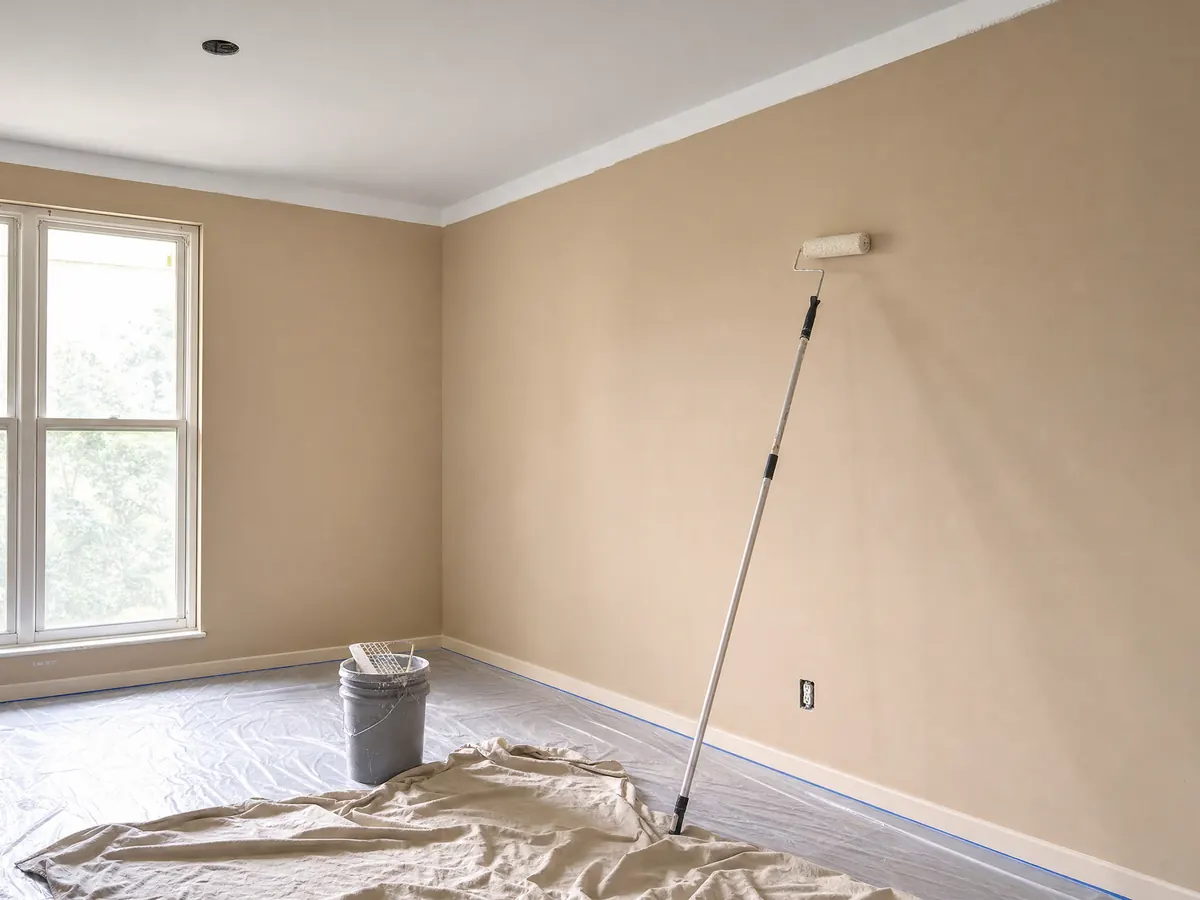
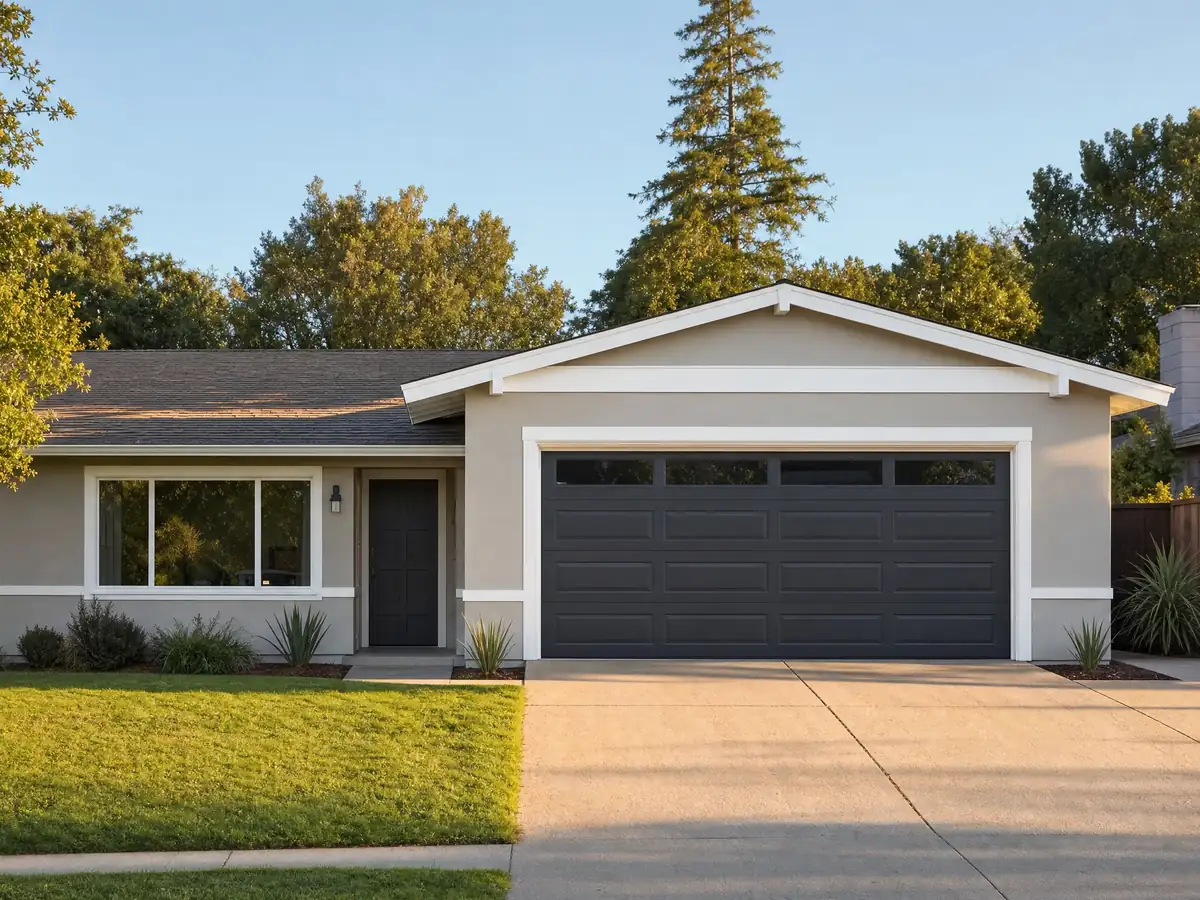
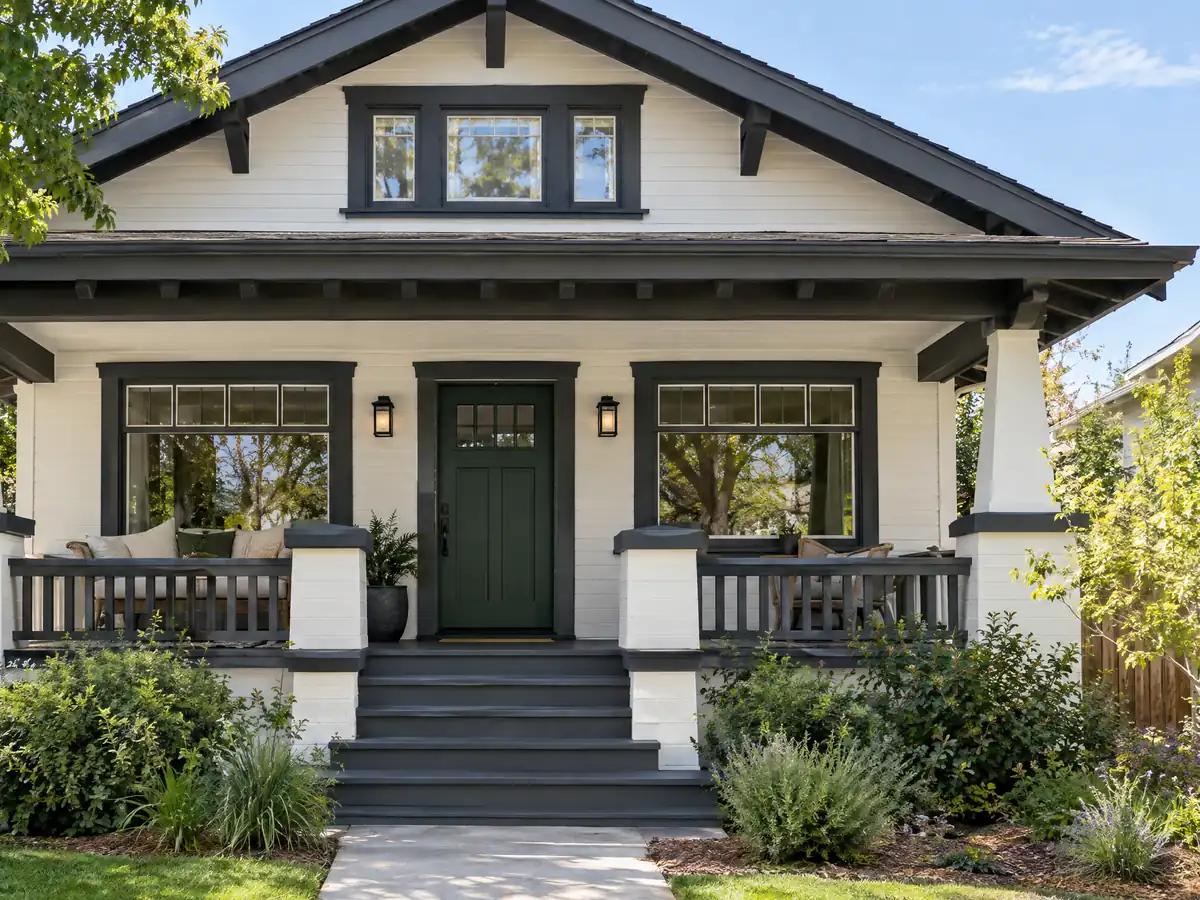
Painting scenes tied to Chino places such as Downtown Chino, the older tracts north of Schaefer Avenue, College Park and The Preserve, and to nearby communities such as Chino Hills, Eastvale, Ontario Ranch and Montclair, from prep and masking to stucco repair and finished exteriors.
Where these Chino painting figures come from
Each painting price, with its source and date, appears in the table on the painting page next to the numbers that disagree. Paint often follows other work, and the Chino rules for those jobs are on the roofing page, the fencing page and the kitchen remodeling page. For a neighboring guide with its own coating questions, read the painting page for Norco.
| What it covers | Typical range |
|---|---|
| Exterior, whole house | $2,947 to $6,484 |
| Exterior, per square foot of home | $2.20 to $5.90 |
| Interior, per square foot of floor area | $2 to $6 |
| Interior, Angi's Los Angeles project range | $1,282 to $3,784 |
| Extra prep in older homes | $0.50 to $0.75 per sq ft more |
| UV-resistant paint | $10 to $20 more per gallon |
Chino painting questions, answered
Do I need a permit to paint the outside of my house in Chino?
No. Chino's exempt-work lists name painting, papering, tiling, carpeting, cabinets and similar finish work, and the Building Division's FAQ uses painting as an example. A job that also opens walls or repairs structure can need plumbing, electrical or building permits, so call 909-334-3251 about anything beyond paint.
How much peeling paint can I leave on a Chino house?
Very little. Municipal Code 8.50.040(B) treats peeling paint or damaged stucco, brick or wood as a nuisance when it covers more than 10 percent of trim, fascia, rafters or gutters, or more than 5 percent of any single wall plane. Exposed raw material visible from a street, and graffiti left past 72 hours, are nuisances too.
Does the lead paint rule apply to my Chino home?
It does if the house was built before 1978 and a paid firm disturbs painted surfaces. The EPA rule requires lead-safe certified firms and lead-safe practices, with a small exemption for 6 square feet per room inside or 20 outside. The ACS data cannot split 1978 from 1979, so check the build year.
How much does it cost to paint a house in Chino?
We found no Chino survey. Angi's Los Angeles exterior guide shows an average of $4,692 inside a $2,947 to $6,484 range, and its interior guide shows $2 to $6 per square foot of floor area. We plan on roughly $2,900 to $6,500 for a typical house exterior, and a measured written quote sets the real price.
How much does it cost to paint a 2000 square foot house?
It depends on the scope and the unit. Angi's Los Angeles exterior table puts 2,000 square feet of home at $4,450 to $11,850, about $2.20 to $5.90 per square foot of home, and each added story adds roughly half again. Interior work is priced on floor area, so ask for the surfaces and coats listed.
Is $50 an hour a fair rate for a painter?
It is the top of the range. Angi's national guide gives $20 to $50 an hour for painters, and that describes what painters charge, not what a company bills for crew, prep and materials. Compare written quotes by total scope and unit rather than by hourly rate.
What VOC limit applies to house painting in Chino?
South Coast Rule 1113 sets limits by coating category, and Chino is inside that district. We could not read the limits table cleanly, so we print no number. Ask the painting company for the product data sheet and the VOC figure of each coat, and compare it with the District's current table.
Do I need HOA approval to repaint my Chino house?
If your tract has an HOA, probably yes. Chino requires an association and City-reviewed covenants for new common interest subdivisions, and those covenants set architectural standards. We found no count of Chino homes in HOAs, so ask your association in writing before you choose colors.
Can I paint stucco, and how do I prep it?
Yes, once cracks and damage are repaired and the wall is clean and dry. Stucco repair is Contractors State License Board class C-35, and paint is C-33, so two subcontractors can be involved. Ask the painter to name the primer and finish for masonry and to photograph repairs before coating.
How do I check a painting company's license in California?
Search the license number on the Contractors State License Board site, confirm the C-33 painting class is active and match the business name to your contract. Jobs over $1,000 need a license. If a general contractor manages the work, ask for the painter's license number and certificate of insurance. Our license guide shows the steps.
Ask for a painting estimate in Chino
Tell us the street or tract, the year the house was built, whether it is stucco, wood or both and whether paint is peeling. Before we call back we check whether the lead rule applies, whether an HOA reviews colors and how much repair comes before the first coat.