
General Contractor in Chino, CA
A general contractor in Chino works with a City that issues its own permits and a Fire District that reviews fire plans separately. Former dairy ground brings a methane handout, and new roofs follow a Class A tile rule. About 37.6 percent of homes predate 1980. MDG Builders, CSLB #1040337, assigns field work to licensed subcontractors.
Eleven trades, read against Chino's code, fee schedule and Fire District pages
Choose the job you are weighing and open its Chino page. Each one names the City handout, code section or District page behind its answer, labels anything read on the GoCodebook mirror, and treats a dollar range as a regional planning figure, never a bid on your house.
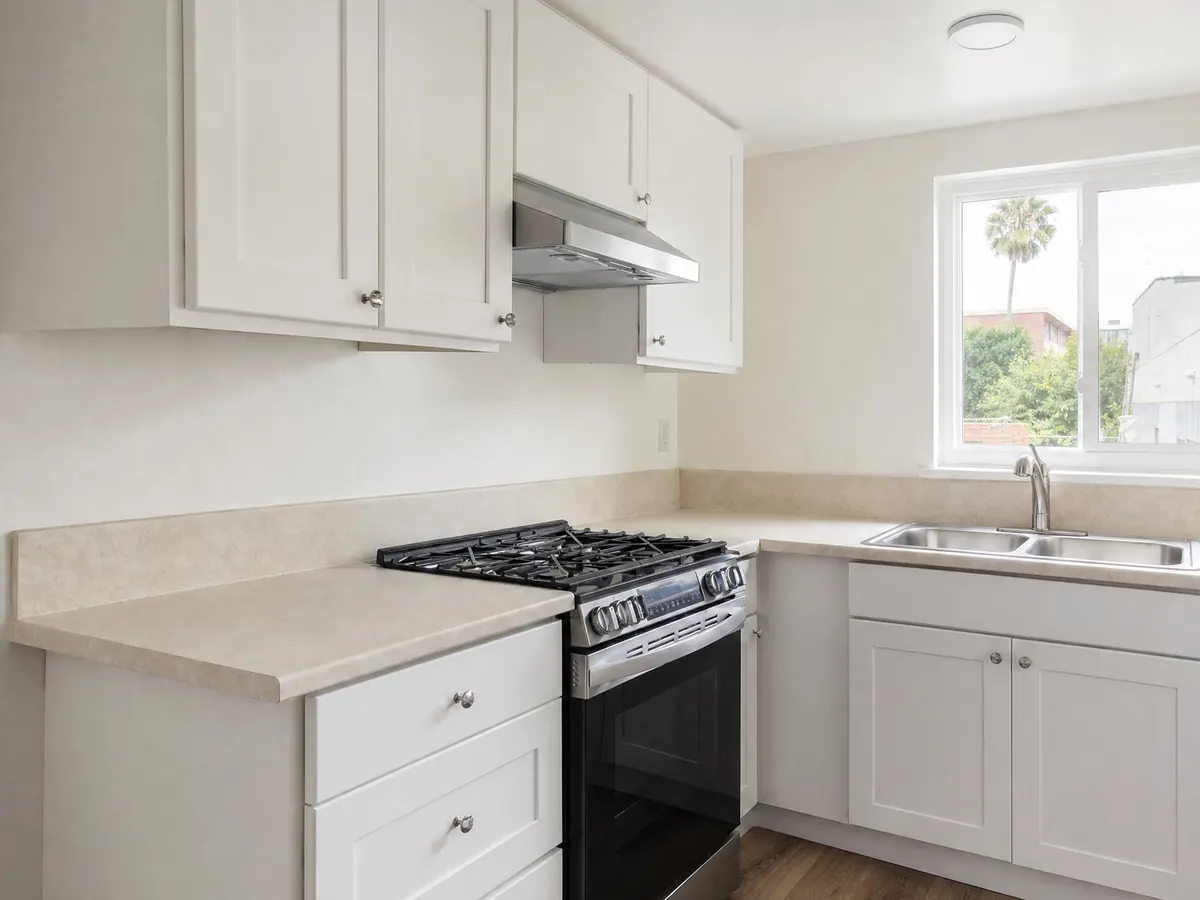
Kitchen Remodeling in Chino
A 10 percent energy set-aside on remodels valued at $65,000 or more, exempt cabinets and counters, published trade permit fees and ADU size rules.
See Chino kitchen remodeling →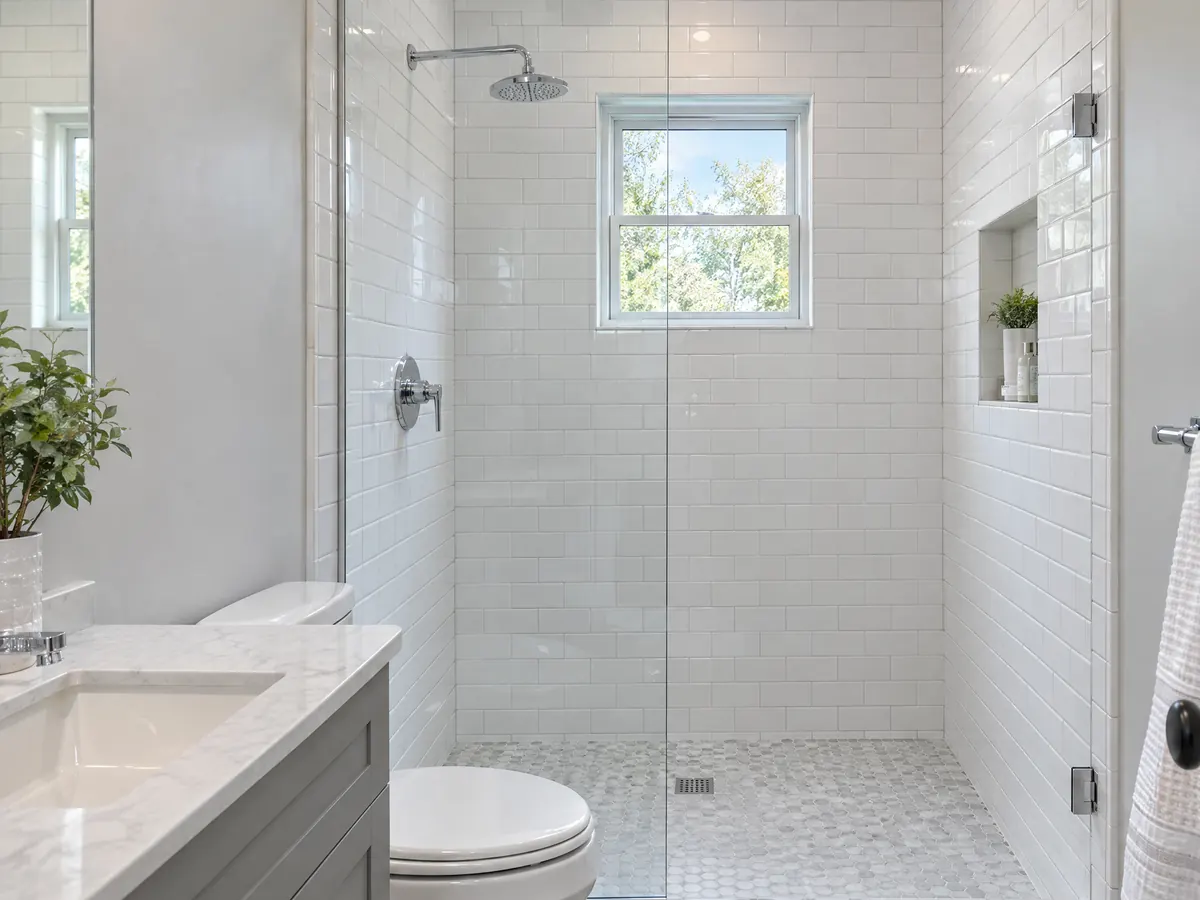
Bathroom Remodeling in Chino
Chino's exempt and permit items, 1970s baths, the $65,000 energy rule, the fee list, alarms, rentals and the permit clock.
See Chino bathroom remodeling →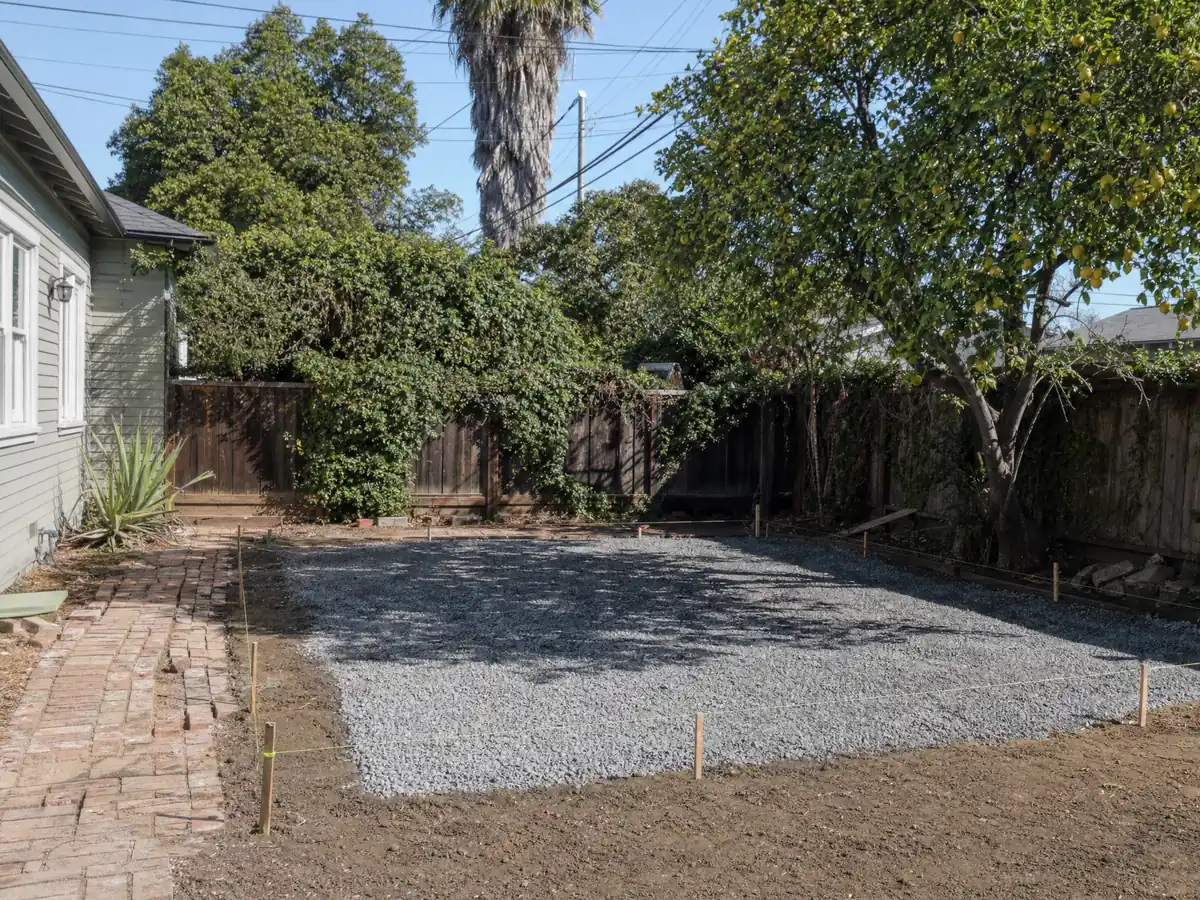
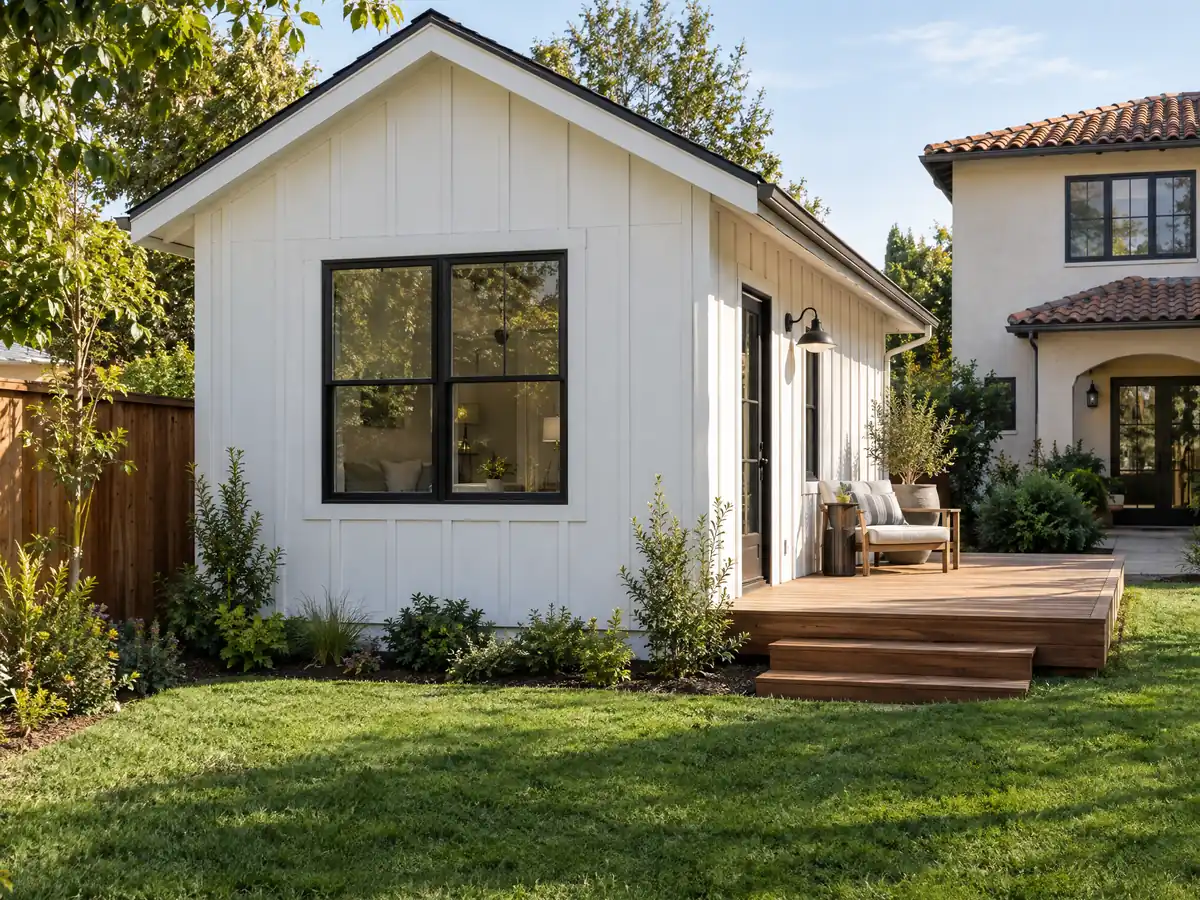
ADU Construction in Chino
Chino's ADU table, state clocks, the Fire District's $452 review, dairy-land methane rules and our fire-zone overlay.
See Chino ADU construction →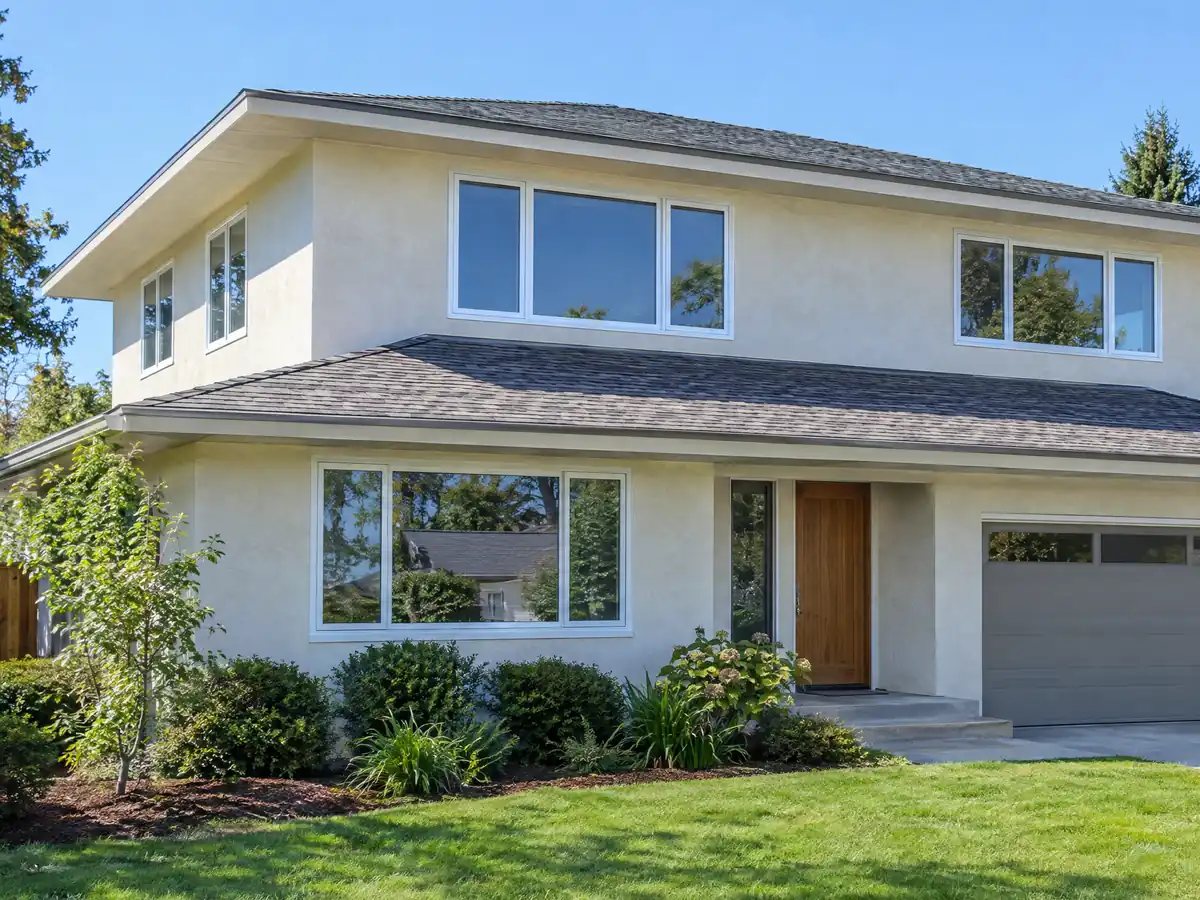
Room Additions in Chino
Chino's plan list, the $65,000 energy rule, second story limits, soils, dairy-land and airport rules, lot standards and the permit clock.
See Chino room additions →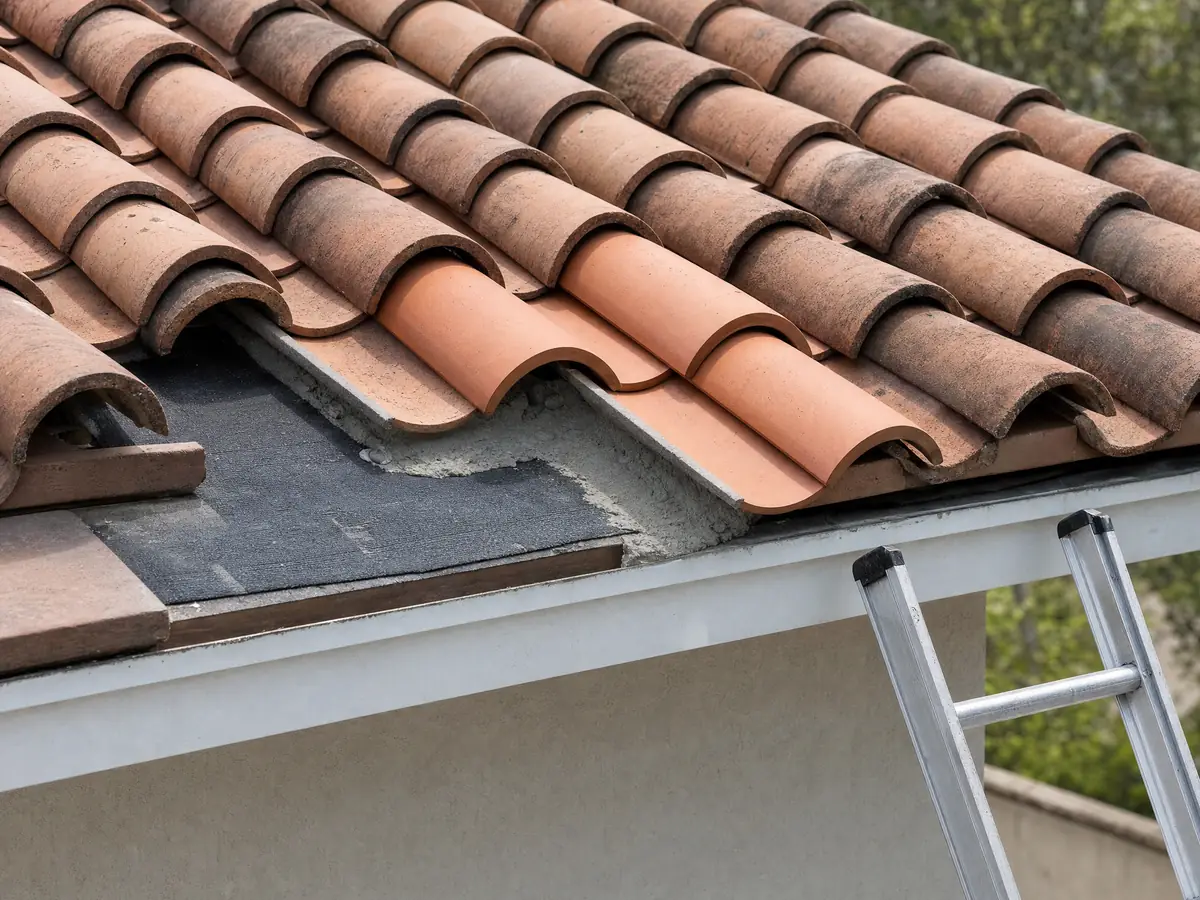
Roofing in Chino
Class A tile for new roofs, like-for-like reroofing, a big block of 1970s homes, a Prado Basin fire strip we mapped ourselves and permit fees by job value.
See Chino roofing →
Windows in Chino
Chino's heat, the City's egress sizes, the open permit question, security glass and screens, the fire strip and the schedule.
See Chino window replacement →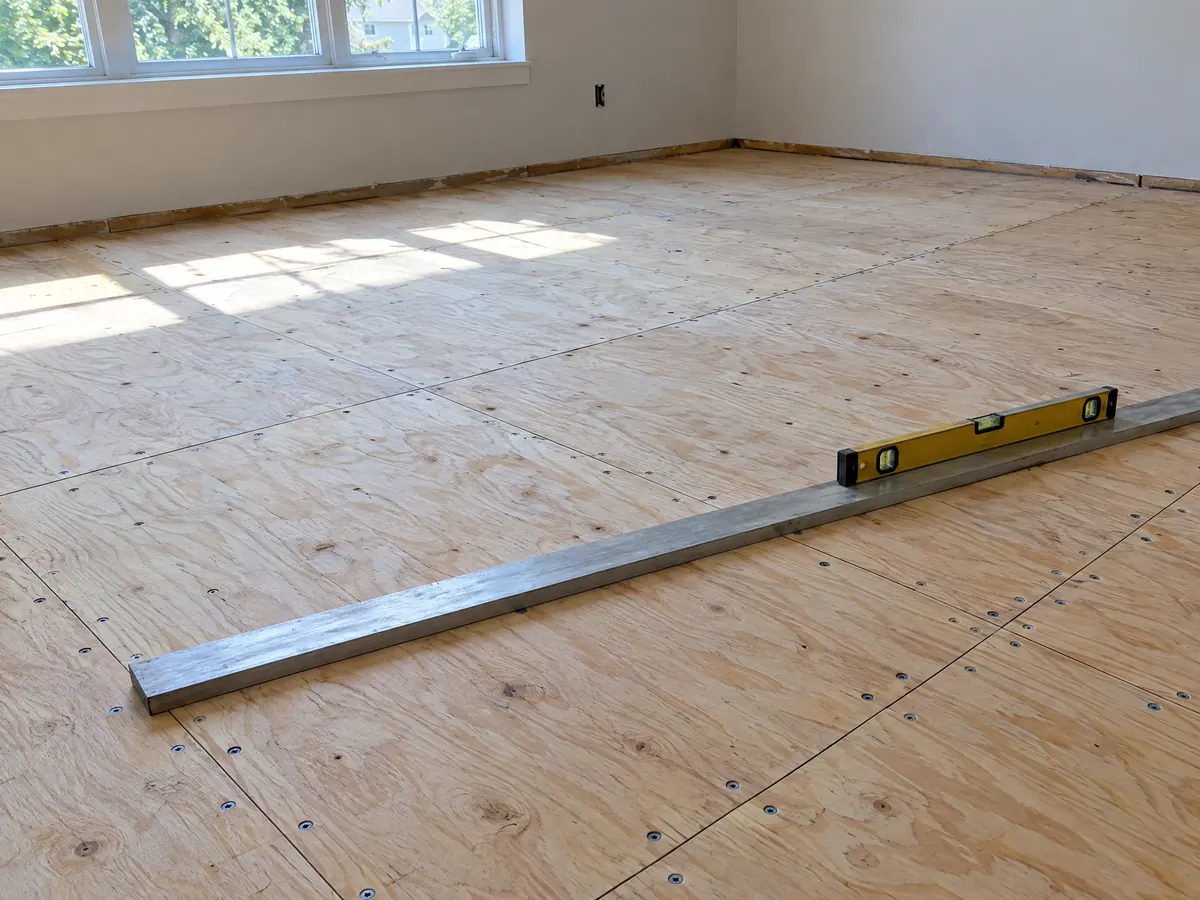
Flooring in Chino
Dairy land slabs and the City's methane handout, permit questions, 1970s homes, asbestos and dust rules, heat, termites, rentals and flooring costs in Chino.
See Chino flooring →
Painting in Chino
No permit for paint, a 10 percent peeling trim nuisance rule, 5,970 homes from the 1970s, lead-safe work before 1978 and South Coast Rule 1113.
See Chino painting →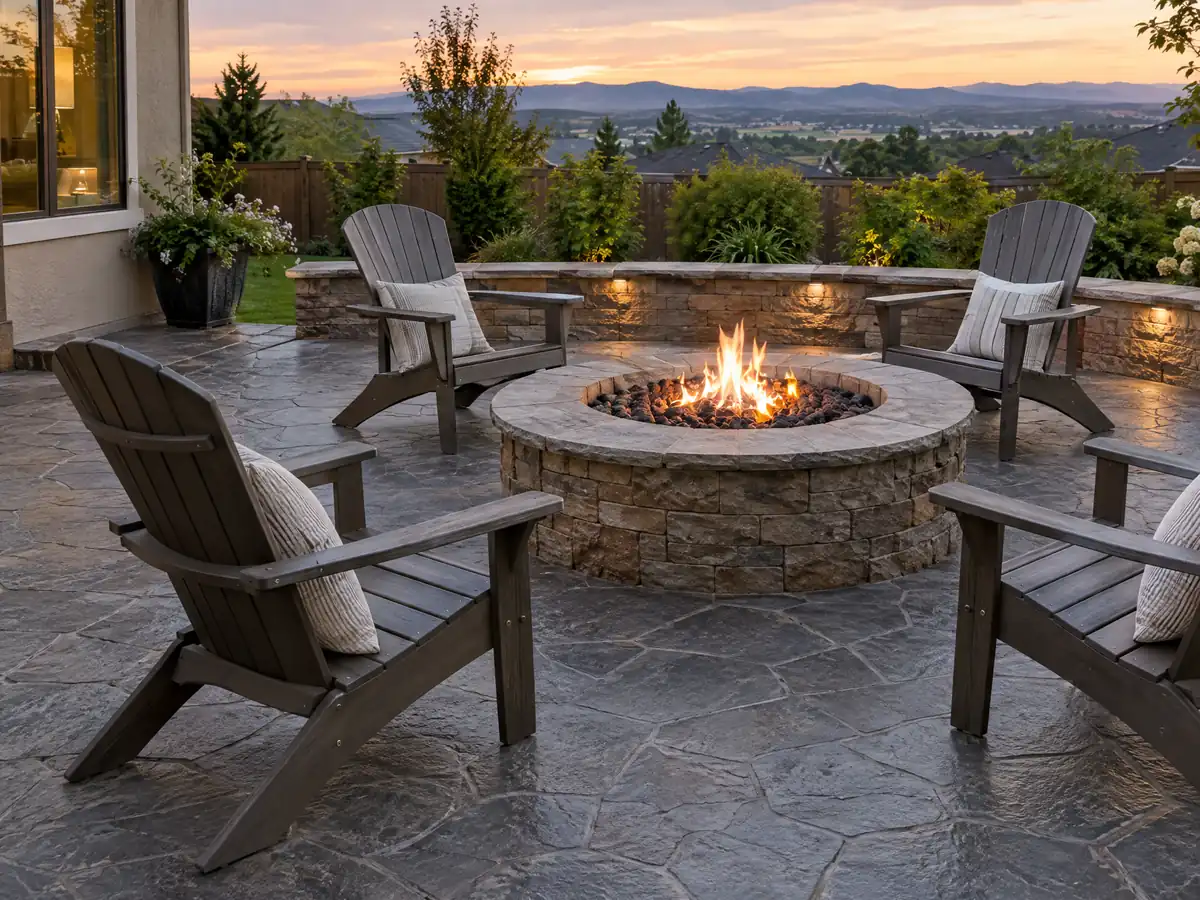
Concrete in Chino
Methane rules for dairy land slabs, 20 foot driveways, 3 foot front yard walls, block wall inspections, wash-down limits, dust rules and concrete costs in Chino.
See Chino concrete work →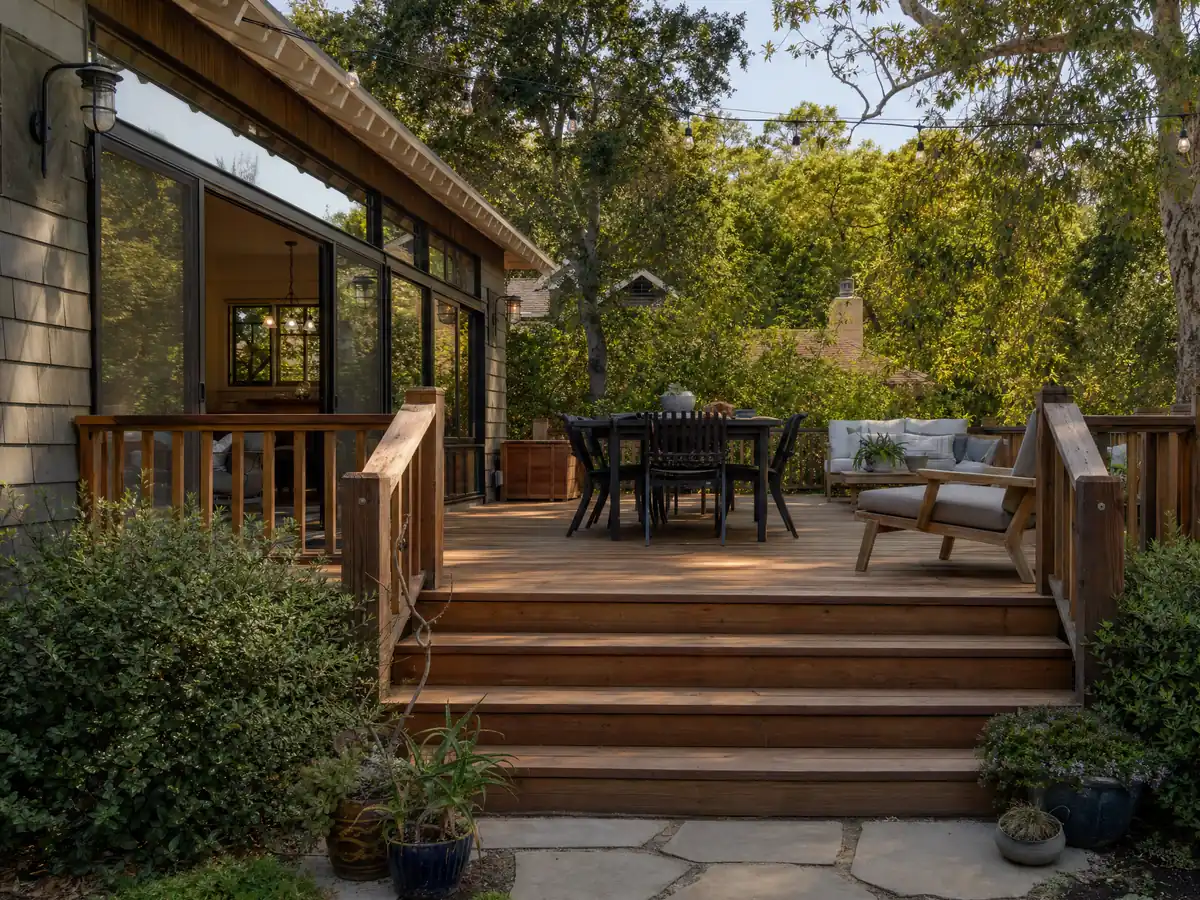
Decks in Chino
Patio cover setbacks, deck permit lines, pool barriers, the Prado Basin fire strip, termite-heavy wood, ledger and guard rules, repairs and deck costs in Chino.
See Chino deck building →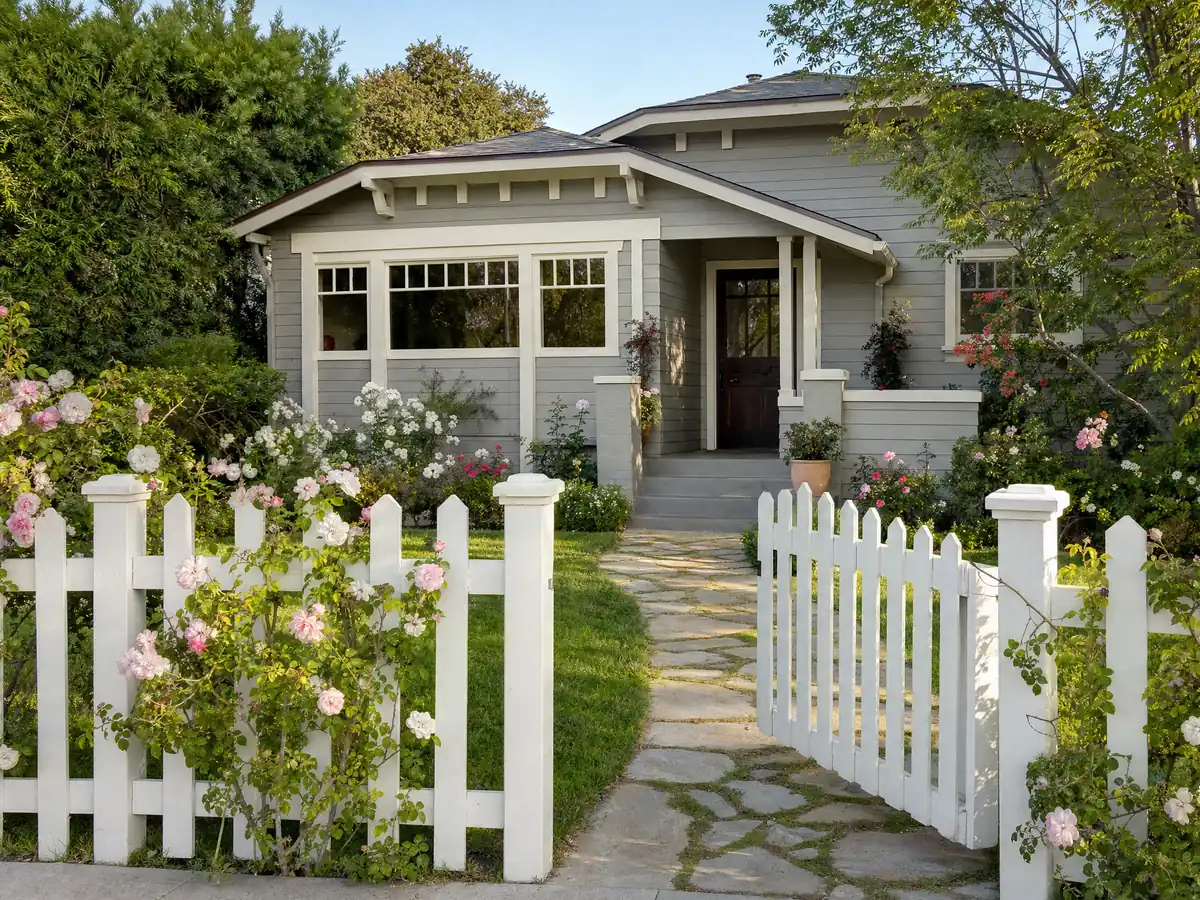
Fencing in Chino
A 3 foot front yard cap, 6 foot property lines, three block wall inspections, a chain-link ban where visible and farm neighbors protected by code.
See Chino fencing →What does a general contractor need to know in Chino, where old dairy land, an airport and a farm notice sit inside the permit file?
Chino began as farm country, and the paperwork still remembers it. The Rancho Santa Ana del Chino grant dates to 1841, Richard Gird divided it in 1887 into small ranches around a 640-acre town site, and the city incorporated in 1910. Herds arrived from Los Angeles and Orange counties from about 1950, a 17,000-acre Dairy Preserve was set up in 1967 under the Williamson Act, and the EPA says the Chino Basin once held roughly 350 dairies and over 300,000 cows before the count fell to 86 by 2015. The City's Housing Element, written in 2023 from 2018 data, says the housing built before the 1970s served farms, the airport and the California Institution for Men, sits north of Schaefer Avenue and is now largely a Community Development Block Grant target area. The SR 60 corridor then pulled commuters inland, the housing stock doubled in the 1970s, and voters capped densities with Measure M in 1988. The newest ground is The Preserve, about 5,435 acres of former farm and dairy land south of Kimball Avenue that the City annexed in July 2003, where PBS SoCal reports warehouses replaced dairies near the airport. Census Bureau ACS 2024 five year estimates count 28,188 housing units, give or take 624, with a median build year of 1987. The 1970s are the largest block at 5,970 units, about 37.6 percent were built before 1980, and about 67.6 percent are detached houses. The renter share runs from about 28 to 36 percent depending on which Census file you read, and the five year median owner value is $683,400. Because the Census table lumps 1978 with 1979, we state no pre-1978 total. The zoning code as mirrored has no historic district chapter, so a home's age matters here mostly for roofs, plumbing, wiring and paint rather than preservation review.
Chino issues its own permits. The Building Division sits inside Development Services at City Hall on Central Avenue, takes applications through the Accela Citizen Access portal and answers at 909-334-3251. An inspection requested before 3 p.m. is scheduled for the next business day. Ordinance 2025-007 adopts the 2025 California codes with local amendments but keeps the 1997 Uniform Administrative Code as the administrative code, and we have not read that document's exemption list, so we rely on the exemptions printed in the City's own building and residential code chapters and say to call whenever a job is not named. The City's own site answered our requests, but its official Municode library returned a Cloudflare 403 and we did not get around it. The code text on these pages therefore comes from GoCodebook, a third-party mirror dated October 2026, and section numbers should be confirmed with the City before anyone quotes them. The Building Division's FAQ, revised in January 2020, expects first plan review of new work to take 4 to 5 weeks and later reviews 1 to 2 weeks, and says a permit expires 180 days after issuance or after work stops, so confirm both. Fees follow a schedule that took effect July 1, 2026 and charges by valuation, with plan check at 75 percent of the permit fee. Starting before the permit issues can cost a penalty of double the permit cost under section 15.04.185, work is allowed only from 7 a.m. to 8 p.m. Monday through Saturday, and a residential alteration of $65,000 or more triggers a set-aside of 10 percent of valuation, capped at $20,000 beyond the original valuation, for energy upgrades above the state minimum. The City's room addition sheet words that trigger a little differently, so ask the counter. Fire review is a separate stop. The Chino Valley Independent Fire District administers the fire code here, not a City fire department, and for an ADU the City will not issue its building permit until the District issues its own.
The eleven trades meet that counter in different ways. A roof repair or replacement should be treated as permit work because the exempt lists never mention re-roofing, new homes need Class A clay or concrete tile, and a replacement must be equal to or better than what came off. A window replacement falls in a gray area the Building Division answers by phone, and bedroom windows must meet the City's egress sizes. A kitchen remodel or bathroom remodel is exempt for cabinets, counter tops, tile and paint, but moved walls, gas, plumbing, wiring or ventilation bring trade permits. A room addition needs a full plan set and, for a second story, a stamped design, a 10 foot step back from the first-floor line and 15 feet of clearance from a neighbor's second floor. An ADU follows Municipal Code 20.11.020, whose table allows up to 1,200 square feet and 16 feet of height. House painting needs no building permit, though the nuisance code counts peeling over 5 percent of a single wall plane as a violation. Flooring installation over a slab on former dairy ground can run into the City's 10 mil moisture barrier, and the exempt lists name only carpet and tile. A fence can stand 3 feet tall in a required front yard and 6 feet at a property line, and a 6 foot block wall is not on the exempt list. Concrete work for driveways and walks is exempt, yet a street-access driveway must be concrete and at least 20 feet long from the back of the sidewalk to the garage. A deck skips review only at 200 square feet or less, 30 inches or lower, detached and not serving an exit door.
Then come the ground, the air and the sky. The Housing Element puts Chino at about 700 feet in the Chino Basin and places the area south of Pine Avenue inside the Army Corps' Prado Flood Control Basin, with the southwestern part in a 100-year floodplain and almost all homes outside both floodplains. In a special flood hazard area the lowest floor of new construction and substantial improvements must sit one foot above base flood elevation, and two City texts cite different FEMA map dates, so ask which one governs your lot. The City's methane handout, which we read as a legacy document, asks sites with a dairy, poultry, hog, manure or pond history for a Phase 1 report, caps organics in soils reports at 2 percent and sets a moisture barrier of at least 10 mil with sealed penetrations as the minimum fix, so ask the Building Division whether it reaches a remodel. The Agricultural Overlay covers land that was under Williamson Act contracts at annexation, the right to farm chapter shields legal farming and animal keeping nearby, and buyers of new homes get an agricultural-use disclosure. South Coast Rule 1127 is a livestock waste rule for dairies and manure processing, not a building rule, while Rules 403, 1113 and 1403 are the ones that touch dust, coatings and asbestos on remodel work. Chino Airport adds an avigation easement for new development projects within 10,000 feet, seismic design category is D2 or E, and termite damage is rated Very Heavy. On fire, the District adopted CAL FIRE's zones by Ordinance 2025-01, effective September 1, 2025. Its map viewer would not load for us, so we checked no parcel. A layer we computed from CAL FIRE's own data put every mapped zone in a southern strip on the Prado Basin side, yet the City's older design sheet, which is undated, says High Fire Hazard Area: No, and only the District can tell you your lot's zone. Neighbors with their own guides are Chino Hills, Eastvale, Ontario, Pomona and Norco, while Montclair stays plain text. MDG Builders, CSLB #1040337, is the licensed general contractor that writes the scope, pulls the permit, books licensed subcontractors for the field work and walks the finished job with you. Before you sign anything, read how general contractors use subcontractors and how to check a contractor's license.
- Chino issues its own permits through the Building Division at 909-334-3251, and the Chino Valley Independent Fire District reviews fire plans as a separate stop.
- About 37.6 percent of the city's 28,188 estimated housing units were built before 1980, and the median build year is 1987.
- A residential alteration valued at $65,000 or more triggers a 10 percent energy upgrade set-aside under Municipal Code 15.45.060, capped at $20,000 beyond the original valuation.
- The City's methane handout sets a moisture barrier of at least 10 mil with sealed penetrations as the minimum fix for former dairy and manure sites.
- Construction is allowed only from 7 a.m. to 8 p.m. Monday through Saturday, with no Sunday or holiday work unless the Director of Development Services approves an exception.
- Code text on these pages was read on the GoCodebook mirror because the official Municode copy returned a 403 and we did not work around it.
Chino questions we hear before a contract is signed
Does Chino issue its own building permits?
Yes. The Building Division inside the Development Services Department issues Chino permits and inspects the work, with applications filed through the Accela Citizen Access portal. Call 909-334-3251 to ask whether a job is exempt. Inspections requested before 3 p.m. are scheduled for the next business day, and the fire side is reviewed by a different agency.
Who reviews fire plans in Chino, the City or a fire district?
The Chino Valley Independent Fire District, not the City, administers the fire code. Its Fire Marshal's office takes permit questions at 909-902-5280, option 2. For an ADU the District's guideline says the City will not issue a building permit before the District issues its permit, and its plan review fee is $452.
Does my Chino lot need a dairy methane report?
Possibly, if the land was ever a dairy, poultry or hog ranch, a manure site or an agricultural pond. The City's methane handout asks for a Phase 1 report on that history and a moisture barrier of at least 10 mil as minimum mitigation. We read it as a legacy document, so ask the Building Division whether it applies.
Is my Chino home inside a fire hazard severity zone?
Probably not, but we cannot confirm it for your address. The District's map viewer would not load for us. Our layer computed from CAL FIRE data put every mapped zone in a southern strip near the Prado Basin, and the City's older design sheet says no high zone. Ask the District about your parcel.
What roof does Chino require when I replace mine?
The replacement must be equal to or better than the covering removed, as the Director of Community Development determines. New homes need Class A clay or concrete tile, and wood shake must be replaced with at least a 30 year laminated Class A shingle. The exempt lists never mention re-roofing, so call the Building Division before ordering materials.
What is the 10 percent energy rule on Chino remodels?
It is a set-aside under Municipal Code 15.45.060. An addition or alteration to a house valued at $65,000 or more must spend an extra 10 percent of its valuation, capped at $20,000 beyond the original valuation, on energy upgrades above the code minimum. The City's form lists glazing, insulation, HVAC, lighting and roofing.
How old are Chino homes, and does lead paint matter?
The median Chino home was built in 1987, but about 37.6 percent of units predate 1980 and about 8.4 percent predate 1960. Census tables cannot separate 1978, so we print no pre-1978 count. For an older house, ask any painter or window installer for EPA lead-safe certification.
What does a general contractor do on a Chino job?
A general contractor is the licensed firm that holds your contract and answers for the whole job. MDG Builders, CSLB #1040337, writes the scope, files with the City and the Fire District when needed, schedules licensed subcontractors and checks the finished work with you. Verify each license at cslb.ca.gov and ask for insurance certificates.
Tell us where your Chino project sits
Say whether the house is in north Chino, near downtown, in College Park or in The Preserve, roughly when it was built and which jobs are on your list. We will look at the airport, farm history and flood questions that apply to that part of town before we call you back.