
Wildfire Hardening for Your Roof: Class A Roofs, Vents and Fire Zone Rules
A wildfire-hardened roof is a Class A roof assembly with the ember paths closed: bird stops under tile, metal valleys, covered noncombustible gutters, protected eaves and vents with 1/16 to 1/8 inch metal mesh or a State Fire Marshal listing. In Los Angeles fire zones, replacing 50 percent or more of a roof within 12 months triggers these rules.
How do I know if my house is in a fire hazard severity zone?
Look up the parcel, because the maps moved. On March 24, 2025, CAL FIRE issued recommended Fire Hazard Severity Zone maps for Southern California. The Los Angeles Fire Department said in an April 4, 2025 notice that it expected more parcels to be affected, that a city may not lower the State's recommended hazard level, and that Los Angeles must adopt the maps by ordinance after public hearings.
The zone decides which building rules apply. The LADBS Fire Hazard Severity Zone checklist, revised March 27, 2026, applies the 2025 California Wildland-Urban Interface Code to buildings in a Very High or High zone, including alterations and additions. The code took effect January 1, 2026. Outside the City of Los Angeles, in Calabasas or Agoura Hills for example, ask your own building or fire department.
What makes a roof assembly Class A?
A fire test on the whole assembly, not a claim on a wrapper. The checklist requires a roof assembly with a Class A fire classification when tested under ASTM E108 or UL 790. The word assembly matters: the covering, the underlayment and the deck are rated together.
Some assemblies are deemed equivalent without testing. The checklist names coverings of brick, masonry and exposed concrete roof deck, metal sheets and shingles, and clay or concrete tile or slate installed on noncombustible decks. Wood shake and wood shingle are barred, even when fire-retardant treated. Our tile versus composition shingle comparison covers how each common material gets to Class A.
Where do embers get into a roof?
Through gaps, not through the field of the roof. The CAL FIRE Low-Cost Retrofit List, updated January 1, 2026, spends most of its roof items on openings and edges, and the Los Angeles checklist turns the same spots into requirements:
- Under barrel tile: where the profile leaves an airspace over a combustible deck, a 72 pound cap sheet or a listed Class A underlayment, bird stops at the eaves, and hip and ridge caps mudded in.
- Valleys: metal flashing of at least No. 26 gage over a 36 inch wide strip of 72 pound cap sheet running the full length.
- Eaves: the exposed underside protected with noncombustible or ignition-resistant material, or one of the listed lumber and gypsum options.
- Gutters: noncombustible gutters and downspouts, with an approved means to keep leaves and debris from collecting.
- Skylights: multilayered glazing with at least one pane of tempered glass.
- Roof-to-wall joints: at least 6 inches of metal flashing or noncombustible material, applied vertically.
A Class A covering does not protect open eaves, leaf-filled gutters or old vent screens.
What are ember-resistant vents, and do I need to replace mine?
They are vents built or screened to keep burning embers out of the attic and crawl space. The checklist gives two routes. Ventilation openings can be covered with Wildfire Flame and Ember Resistant vents approved and listed by the California State Fire Marshal, or with vents tested under ASTM E2886. Vents on a sloped roof, such as dormer vents, need noncombustible, corrosion-resistant mesh with openings of at least 1/16 inch and no more than 1/8 inch.
Whether an existing house must swap its vents depends on the scope of the permit, so ask the plan checker. As a voluntary upgrade, the California Department of Insurance's Safer from Wildfires list describes the same 1/16 to 1/8 inch metal mesh over exterior vents. CAL FIRE adds a caution: finer screens may reduce airflow, so consult the building official and use a licensed contractor. For chimneys and stovepipes, its list calls for a metal mesh spark arrestor with 3/8 to 1/2 inch openings.
Does replacing part of the roof trigger the fire zone rules?
At half, in Los Angeles. The checklist says a roof covering that is replaced, or has 50 percent or more replaced in 12 months, must be replaced with a covering required for new construction. It adds that every portion of roof covering applied during an addition, alteration or repair must meet at least Class A. So even a small patch in a fire zone uses Class A material.
Other jurisdictions set the line elsewhere. The City of San Diego's Information Bulletin 123, dated September 2026, requires Class A for all replacements, alterations and repairs, and makes the entire roof Class A when more than 25 percent of the roof area is replaced within twelve months. Riverside County's re-roof guide, revised July 2021, requires Class A material in high fire areas and a 72 pound cap sheet under S-type tile. Our post on repairing versus replacing a roof lines up these percentage rules side by side.
A worked example: counting the openings on one hillside house
Count before you ask for bids. Take a single-story house 50 feet by 36 feet with a hip roof and gutters on all four sides.
Gutter length is the perimeter: 2 x (50 + 36) = 172 linear feet to replace or cover. Eave vents are spaced along the same perimeter. If there is one every 8 feet, that is 172 divided by 8, or about 21 vents, plus 2 dormer vents on the roof, for 23 openings to screen or swap. Add 3 skylights and 1 chimney outlet, and there are 27 items besides the roof covering.
We found no dated source for what each of these costs in Southern California, so no prices appear here. The count still helps when you compare a lump-sum bid with one that prices 23 vents by type.
Does a hardened roof help with insurance or selling the house?
It can help with both. The Department of Insurance says every action on its Safer from Wildfires list qualifies for an insurance discount, and a Class A fire rated roof is the first item. The page does not state discount amounts, and neither do we. Keep the product listing and the final inspection record for your insurer.
At sale, Civil Code section 1102.19 has required sellers in high and very high zones, since July 1, 2021, to give the buyer documentation of defensible space compliance, or to agree in writing that the buyer will obtain it. Government Code section 51182 sets the duty itself in very high zones: 100 feet of defensible space and a roof kept free of leaves and needles. It also calls for an ember-resistant zone within 5 feet, based on Board of Forestry regulations whose current status we did not verify, so ask your fire department what is enforced today.
What can you do before the roof is due for replacement?
Plenty. CAL FIRE's list is built around upgrading each part when it comes due, and doing the cheap items now:
- Block the spaces between roof covering and sheathing with noncombustible bird stops.
- Fit noncombustible gutter covers, and keep the roof and gutters clean.
- Caulk and plug gaps over 1/8 inch around exposed rafters and blocking.
- Screen operable skylight openings with metal mesh no larger than 1/8 inch.
- Weather-strip garage doors where gaps exceed 1/8 inch.
Who should do fire-zone roofing work?
Roofing is the CSLB C-39 classification. MDG Builders, CSLB #1040337, is a general contractor in Tarzana, so on a roofing project our role is the design, the permit and the coordination, and a licensed roofing subcontractor installs the assembly. Request that subcontractor's license number and certificate of insurance, and ask which Class A listing the proposed assembly carries.
When windows come up for replacement, CAL FIRE's list calls for multi-paned units with at least one pane of tempered glass.
For an attached deck, its advice is noncombustible or ignition-resistant material at replacement time, and our guide to hillside deck building rules covers the structural side.
Fire zone roofing questions
Which roofing materials count as Class A fire rated in California?
Most common ones can. The California Department of Insurance lists asphalt shingles, concrete, brick or masonry tiles, and metal shingles or sheets as roofs that qualify, and says wood shake does not. The rating belongs to the tested assembly, so the underlayment and deck count too.
Will my home insurance go down if I replace my roof?
It may, if the new roof is Class A. The Department of Insurance says every action on its Safer from Wildfires list, which starts with a Class A fire rated roof, qualifies for a discount. The amount is not published on that page, so ask your insurer before the work starts.
Should I tell my homeowners insurance that I got a new roof?
Yes. A Class A roof is one of the listed Safer from Wildfires actions that qualify for a discount, and the insurer cannot credit work it does not know about. Send the permit final, the product listing and photos.
What makes a roof uninsurable?
Each insurer sets its own underwriting rules, and we did not verify any of them. What state sources do say is that wood shake is not Class A rated, and that Los Angeles prohibits wood shake roofs.
Do I need special fire-resistant windows if I live in a Los Angeles hillside fire zone?
For permitted work in a mapped zone, yes. The LADBS checklist requires exterior windows and glazed doors to be multilayered glazing with at least one tempered pane, glass block, 20-minute rated glazing or glazing that passes the State Fire Marshal test. Confirm with LADBS whether your permit scope brings existing windows in.
How do I choose a roofing contractor in Southern California for a fire zone home?
Choose one who holds an active CSLB C-39 license and can name the Class A assembly listing, the vent product and the under-tile details in the proposal. Check the license on the CSLB site and ask for a certificate of insurance.
Work that goes with this
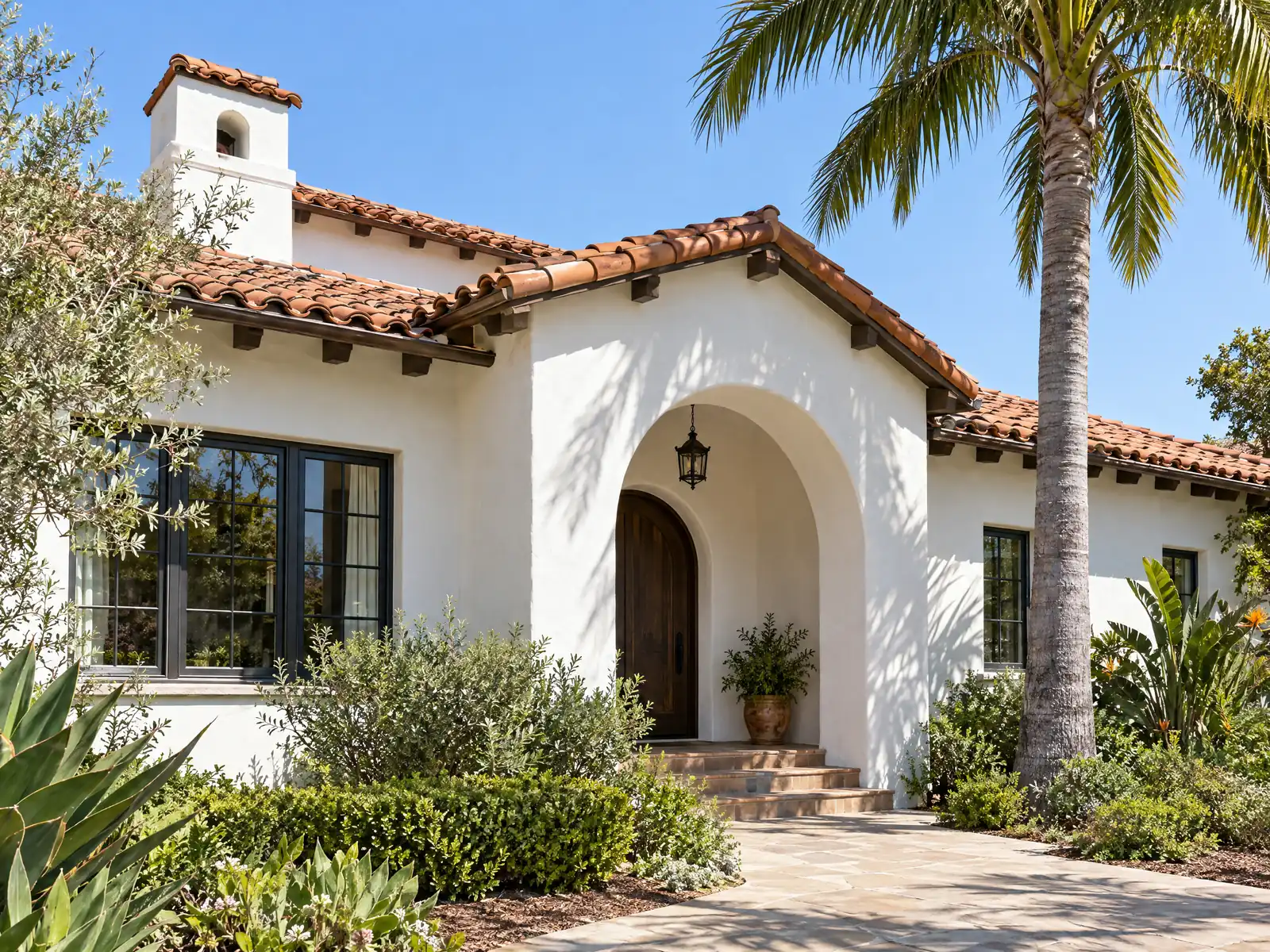
Roofing
Shingle, tile and metal roofs with LADBS permit rules, fire-zone requirements and sourced costs.
See roofing →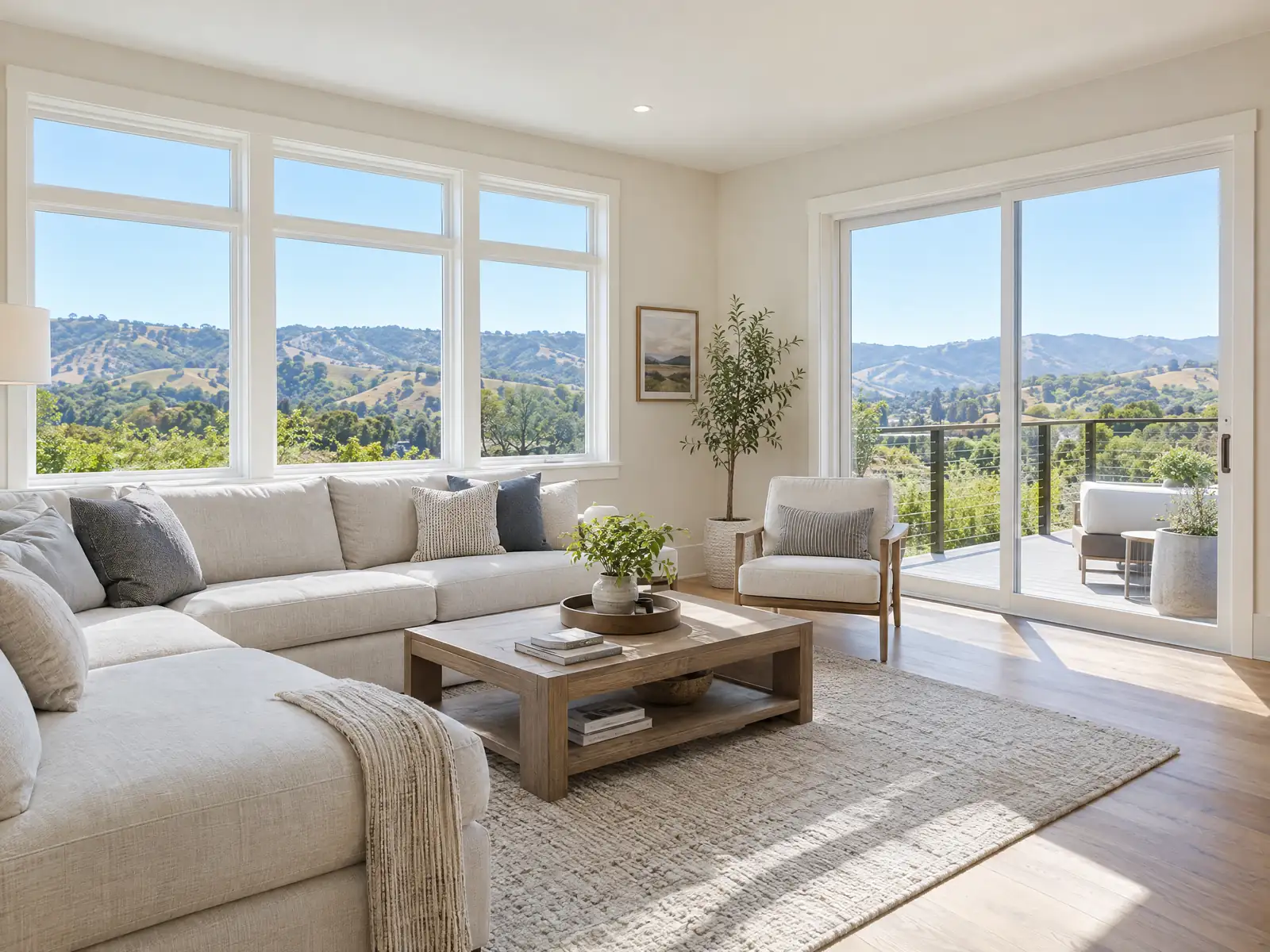
Windows
Replacement windows and sliding doors, with the LADBS permit path, glass ratings and sourced prices explained.
See window replacement →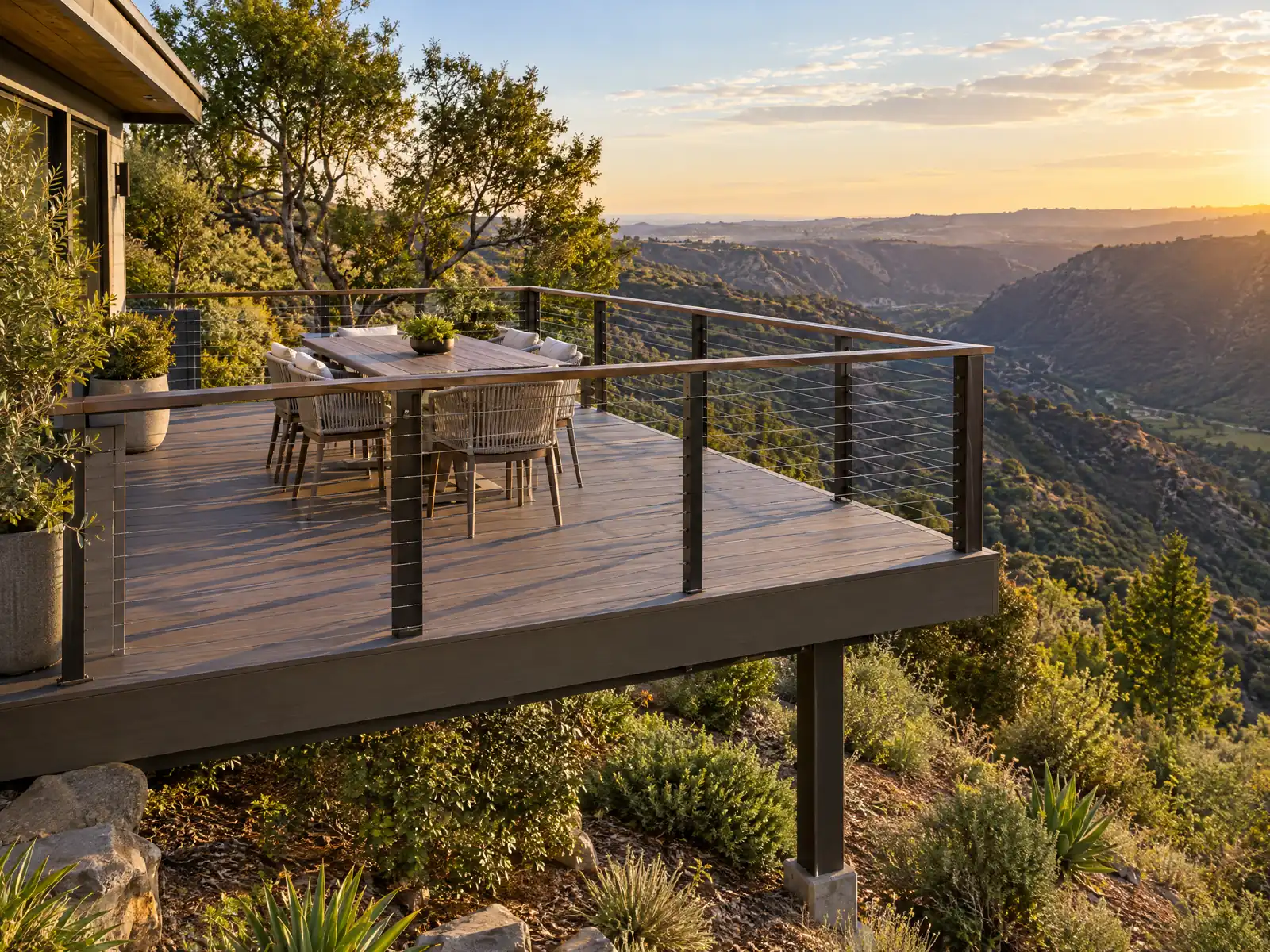
Decks
Wood and composite decks, hillside decks and stairs, with permits and code checked before framing.
See deck building →More for hillside homes
Roof Repair or Replacement: How to Decide in California
How to choose between a roof repair and a full replacement: age, layers, the percentage rules cities use, permits and a worked example.
Read the guide →Tile or Composition Shingle: Which Roof Fits a Southern California Home?
Tile against composition shingle on weight, structure, price per square foot, lifespan and fire rating, with city weight limits.
Read the guide →Hillside Deck Rules in Los Angeles: Zoning, Soils Reports, Fire Zones and Engineering
What changes when a deck goes on a Los Angeles slope: yard limits, retaining wall counts, soils and geology work, and fire-zone materials.
Read the guide →Ready to plan your project?
Call or send the form. We schedule a site visit and send a written proposal.