
When Is the Best Time to Paint a House Exterior in Southern California?
The best time to paint a house exterior in Southern California is April through November, when rain is rare and surfaces stay dry. Downtown Los Angeles gets about 82 percent of its yearly rain from December through March. Winter painting still works on dry days if the crew starts after surfaces pass 50 degrees.
Which months are driest for painting in Los Angeles?
May through September, by a long way. The National Weather Service office for Los Angeles and Oxnard published the 1991 to 2020 monthly normals for Downtown Los Angeles on May 5, 2021. Annual rainfall is 14.25 inches. The wet months are January at 3.29 inches, February at 3.64, March at 2.23 and December at 2.48. Add them: 3.29 + 3.64 + 2.23 + 2.48 = 11.64 inches, and 11.64 / 14.25 is about 82 percent of the year's rain in four months.
The other side of the calendar is nearly dry. May through September totals 0.32 + 0.09 + 0.02 + 0.00 + 0.13 = 0.56 inches. April at 0.69, October at 0.58 and November at 0.78 are shoulder months with an occasional storm. So the reliable window runs April through November, and the heart of it is late spring to early fall.
What temperature limits are printed on exterior paint labels?
Lower than most people think for the finish coat, and higher for the primer. We read the product information sheets from Dunn-Edwards, a paint maker with deep roots in Los Angeles. Its Evershield exterior flat sheet, dated August 2024, says the paint can be used down to a surface and air temperature of 35 degrees Fahrenheit, and must not be applied if either may drop below 35 within 48 hours.
The catch is one line further down: standard latex primers cannot be used below 50 degrees. The sheet for Eff-Stop Premium, the company's masonry primer for stucco, repeats it: do not apply when the air or surface temperature is below 50. Other brands print their own limits, so read the can.
Now set that against the weather. The same NWS normals give Downtown Los Angeles an average low of 48.2 degrees in December, 48.9 in January and 50.0 in February. Winter dawns sit at or under the primer limit, and a shaded north wall stays colder still. Average winter highs of 67 to 68 degrees are comfortably inside the range. The practical answer is a late start: prime after the wall warms past 50, and stop early enough for the coat to set before evening.
Why does morning dew and marine layer matter more than rain here?
Because it happens far more often. The Evershield sheet says the air, surface and paint must be at least 5 degrees above the dew point. When a surface is at or near the dew point, moisture condenses on it, and paint applied over that film does not bond or cure properly.
Coastal Southern California gets weeks of low cloud and damp mornings in late spring and early summer, the pattern locals call May gray and June gloom. Homes near the water in Santa Monica can have wet walls at 8 a.m. on a day with no rain in the forecast. A careful painter checks the shaded side and waits. The same sheet warns against painting if rain is expected within 2 to 3 hours, and says cool weather stretches that window.
The drying numbers on the sheet are measured at 77 degrees: dry to the touch in 1 to 2 hours and ready for another coat in 2 to 4. Cooler and damper air lengthens both. That is why a two-coat day in July can become a one-coat day in January.
Can it be too hot to paint stucco in the Valley or the desert?
Yes, although the label is more forgiving than folklore. Dunn-Edwards says it recommends applying exterior latex paints within industry standard temperature ranges, and adds that they can be applied at temperatures up to 120 degrees. A dark stucco wall in direct afternoon sun runs well above the air temperature, and paint that dries too fast on a hot wall can show lap marks and may not level or bond as designed.
Downtown Los Angeles averages a high of 84.0 degrees in August, which is easy painting weather. The San Fernando Valley, Santa Clarita, Riverside and the Coachella Valley run hotter, and we did not pull station normals for each, so check the NWS data for your own city. In Palm Springs, the logic of the season flips: the cool months are the comfortable painting months, and summer work is limited to early hours.
The method is the same everywhere. Painters follow the shade around the house: west wall in the morning, east wall after lunch, south wall when the sun is high enough for the eaves to cover it.
A worked example: planning one January painting day
Say a stucco house needs a patch primed and a finish coat on the east wall in January. The forecast low is 48 degrees, the high 68, with no rain for three days. The wall is damp at 7:30 a.m. and reads under the primer's 50 degree floor, so nothing happens yet except masking.
By about 10 a.m. the sun has been on the east wall for a few hours and the surface is dry and above 50. Primer goes on. Its sheet lists a recoat time of 2 to 4 hours at 77 degrees, and at 65 degrees you should assume the long end or more. Count forward: 10 a.m. + 4 hours = 2 p.m. for the finish coat. The finish coat then needs a couple of hours before the evening damp, and winter sunset comes around 5 p.m. The day works, with little slack.
Now move that patch to the north wall, which gets no direct sun in January. It may not pass 50 degrees until midday, and 12 p.m. + 4 hours = 4 p.m. is too late for a finish coat. That wall takes two days.
How long should new stucco or patches cure before paint?
At least a week by one manufacturer's sheet, and the season sets how that week goes. The Eff-Stop Premium sheet says masonry surfaces must cure for a minimum of 7 days and that new concrete should cure at least 14 days before the primer is applied. The primer tolerates a surface pH up to 13, which is why it is specified over fresh, alkaline stucco.
Schedule the repairs first and the paint second. Roof work goes before painting so tear-off debris never crosses finished walls; our guide to how long a roof lasts in Southern California helps you judge whether the roof is due. The same goes for new windows and for a deck attached to the wall. If you are choosing boards, see composite versus wood decking.
Is fall a good time, or do Santa Ana winds get in the way?
Fall is one of the best windows, with one caution. September through November is warm and dry in the NWS normals, with average highs of 83.0, 78.6 and 72.9 degrees downtown and less than an inch of rain in each month.
The caution is wind. Santa Ana events bring hot, very dry gusts from the interior. Sprayed paint drifts onto cars and neighbors' walls, dust and leaves stick in wet film, and the surface can dry faster than the paint is designed for. A sensible contract lets the crew call off a wind day. Our exterior painting cost guide explains what the quote should list.
What to check on the day paint goes on
A short list. MDG Builders, CSLB #1040337, manages painting projects as a general contractor and brings in a licensed painting subcontractor for the application, so these are the conditions we expect the painter to confirm before opening a can.
- The wall is dry to the hand, including the shaded side and the bottom course near the soil.
- Surface temperature is above the minimum printed on the primer and the finish, not just the air temperature.
- No rain in the forecast for the period the label names, and no sprinklers set to run.
- The wall is not in hard afternoon sun, and the crew has a shade plan.
- Wind is light enough that spray stays where it is aimed.
- Repairs and new stucco have had their full cure time.
- On a home built before 1978, the prep follows the lead paint rules.
Exterior paint timing questions
Can you paint a house exterior in winter in Southern California?
Yes, on dry days with a late start. Downtown Los Angeles averages winter highs of 67 to 68 degrees, but average lows near 48 to 50 sit at the 50 degree minimum for standard latex primers. Rain is the main risk in those months.
How often should I repaint my house?
There is no fixed interval that we could verify from a dated, independent source. Repaint when the coating shows it: color fading, chalk that rubs off on your hand, hairline cracks, peeling at eaves and trim, or bare wood.
What are the signs your home needs exterior painting?
The clearest signs are peeling or flaking paint, chalky residue, faded color, cracked caulk at windows and trim, and stains or dark patches on stucco. Gray, bare wood on fascia means the coating has already failed there.
Do you seal stucco before painting?
You prime it, with a masonry primer made for alkaline surfaces. Dunn-Edwards lists masonry primers under its finish coat on stucco, and its Eff-Stop Premium is rated for a surface pH up to 13. New stucco and patches need at least 7 days of cure first.
How long does exterior paint need to dry before rain?
Follow the label, and allow extra time in cool weather. One Dunn-Edwards exterior sheet says to avoid painting if rain is expected within 2 to 3 hours and notes that colder temperatures lengthen the time the film needs before moisture cannot affect it.
What kind of paint is used on stucco?
A 100 percent acrylic exterior paint over a masonry primer is a common specification. The Dunn-Edwards Evershield sheet, for example, describes a 100 percent acrylic paint for prepared and primed stucco.
Work that goes with this
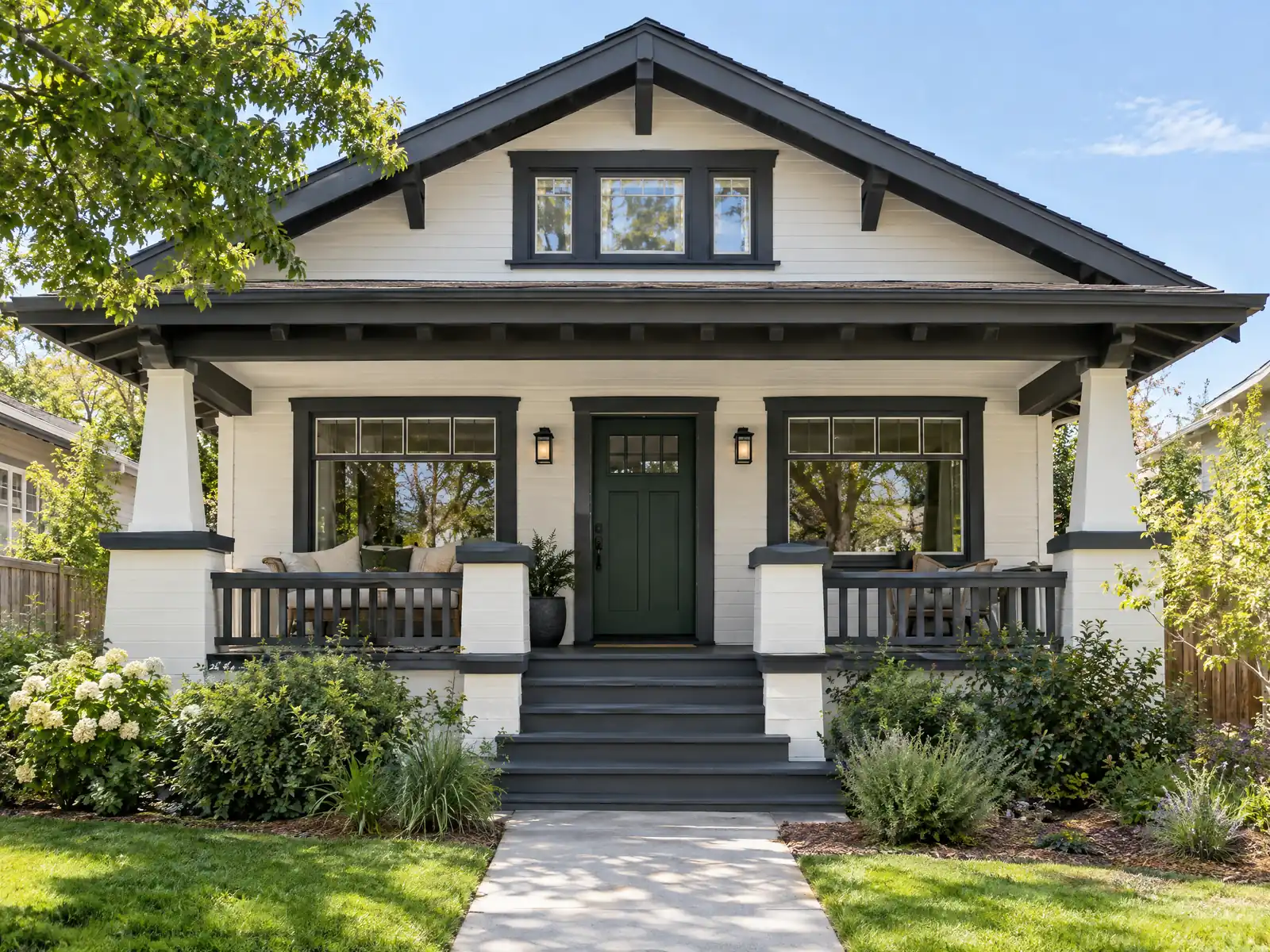
Painting
Interior, exterior, stucco and cabinet painting with real prep, lead-safe rules followed and a written scope.
See painting →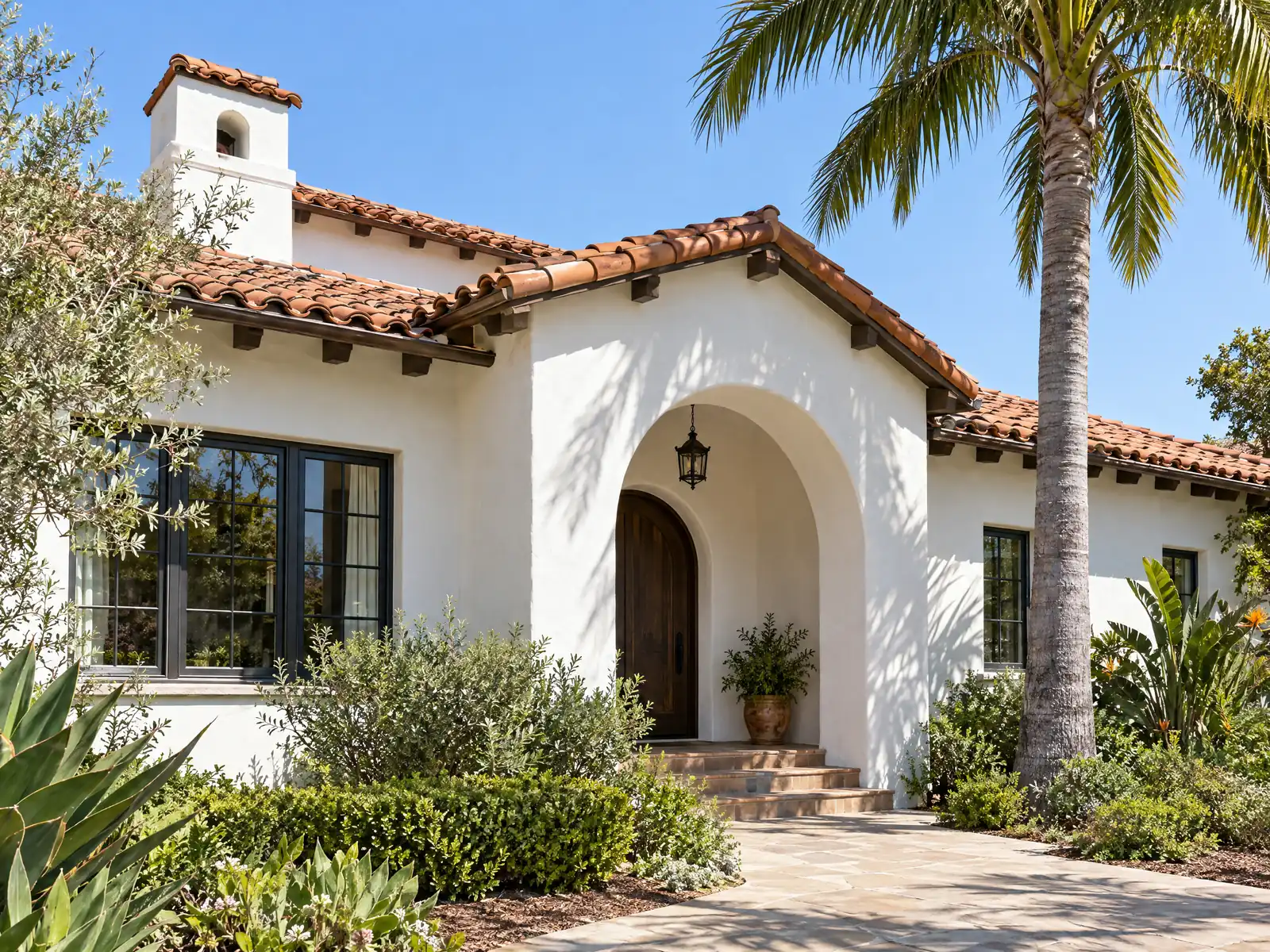
Roofing
Shingle, tile and metal roofs with LADBS permit rules, fire-zone requirements and sourced costs.
See roofing →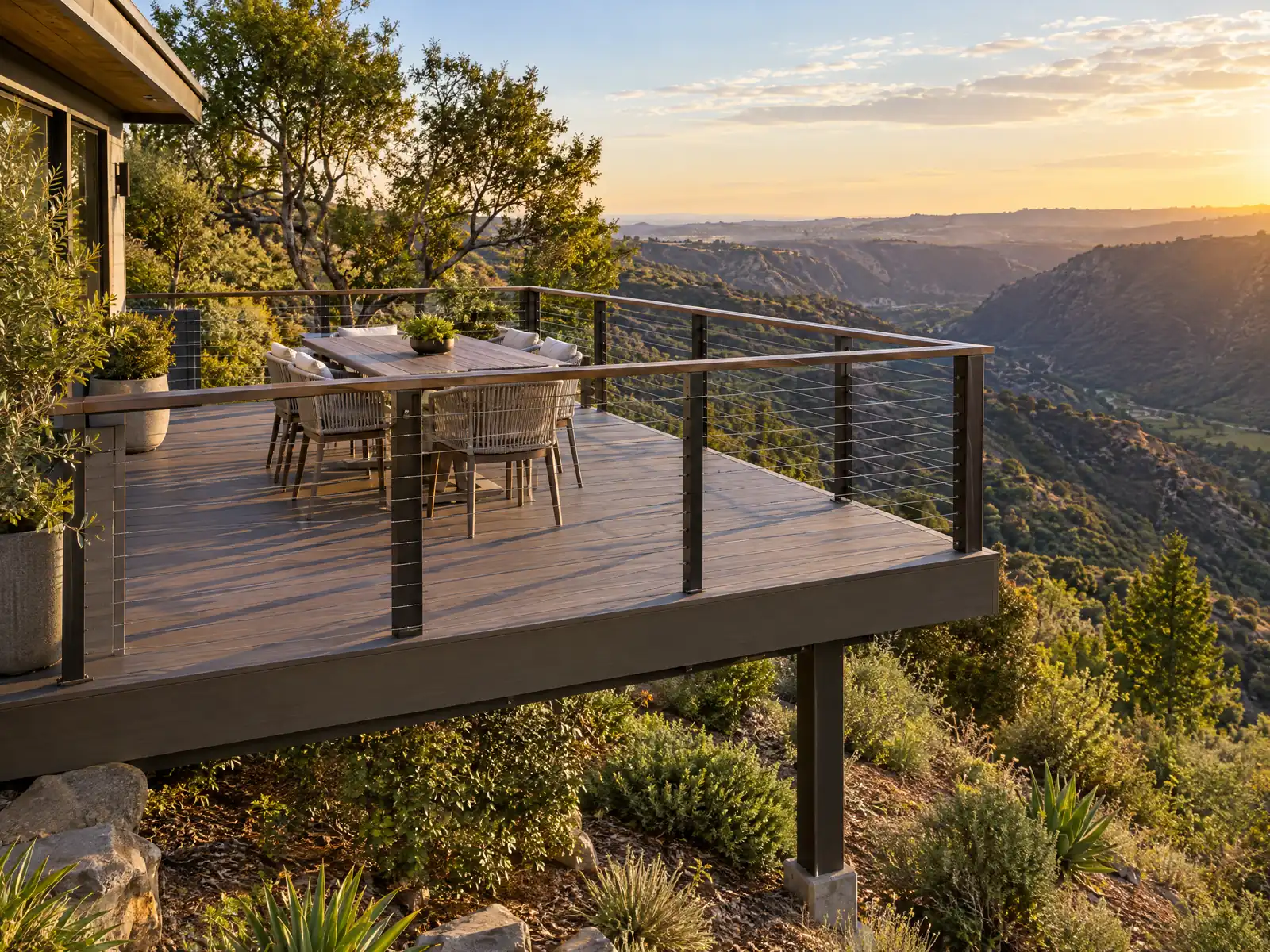
Decks
Wood and composite decks, hillside decks and stairs, with permits and code checked before framing.
See deck building →Keep planning
How Much Does Exterior House Painting Cost in Los Angeles?
Exterior paint prices for Los Angeles by house size and stories, what stucco prep adds, a worked example and the permit and contract rules.
Read the guide →Lead Paint Rules for Older Homes in California: What Applies Before You Renovate?
The EPA renovation rule for pre-1978 homes, the 6 and 20 square foot limits, California's own presumption, and what to ask a contractor.
Read the guide →How Long Does a Roof Last in Southern California?
Roof life by material from a published inspector chart, what inland heat does to shingles, and why tile roofs get new underlayment.
Read the guide →Ready to plan your project?
Call or send the form. We schedule a site visit and send a written proposal.